

THE LATEST ON THE BLOG
Welcome to the J Martin Blog
Your go-to guide for a healthier, comfier home, one expert tip at a time!
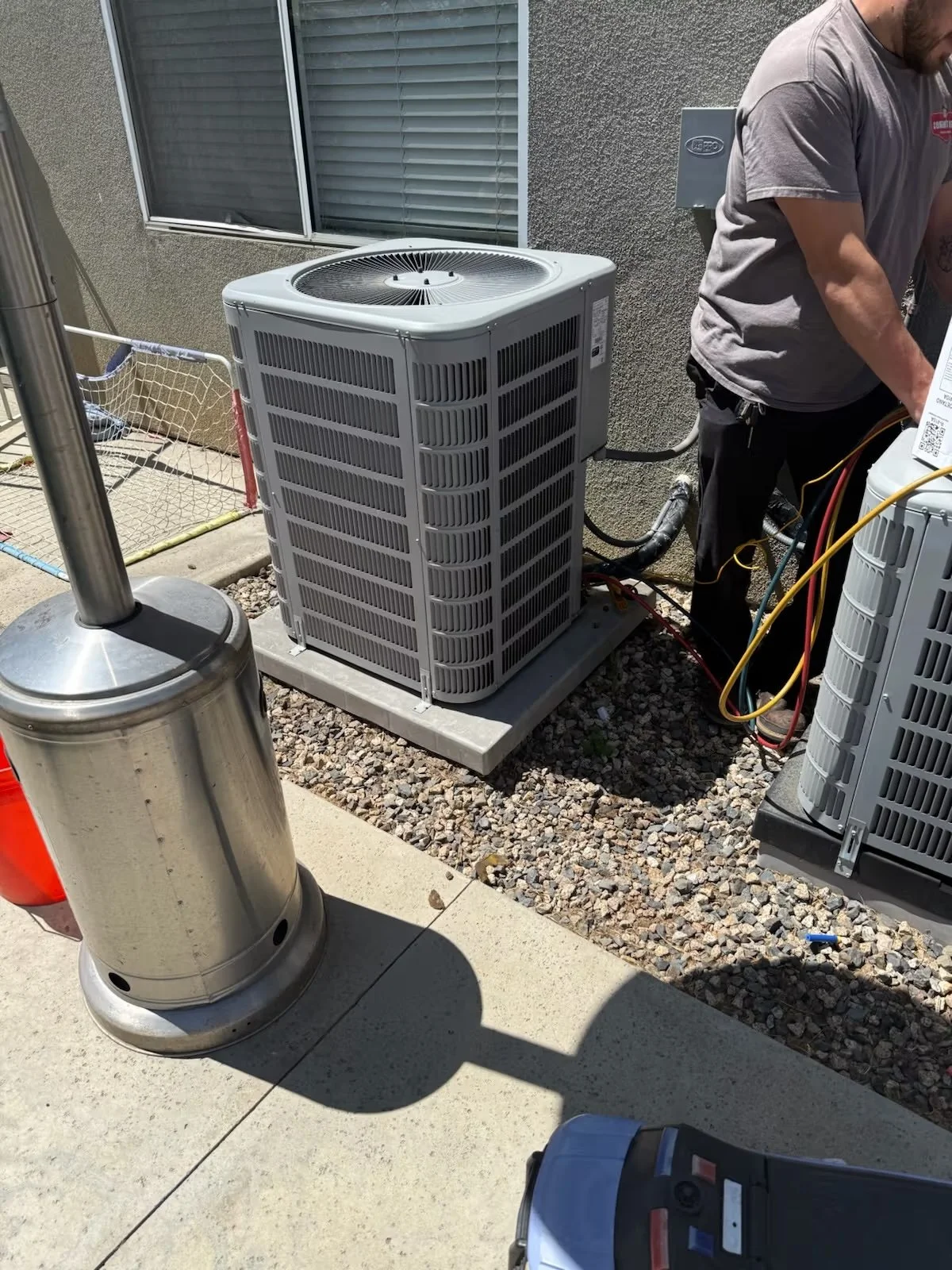
New HVAC System in Brea: What to Expect in 2026
New HVAC systems in Brea now run $9,500 to $22,000, with most 1,800 to 2,500 square foot homes landing between $13,500 and $16,500 once equipment, labor, permits, and the 2025 R-454B refrigerant transition are factored in. This guide breaks down 2026 pricing by home size and equipment tier, explains why Brea costs more than coastal Orange County, compares traditional AC-and-furnace setups against heat pumps and dual-fuel hybrids, and walks through what a typical install week looks like from permit to inspection.
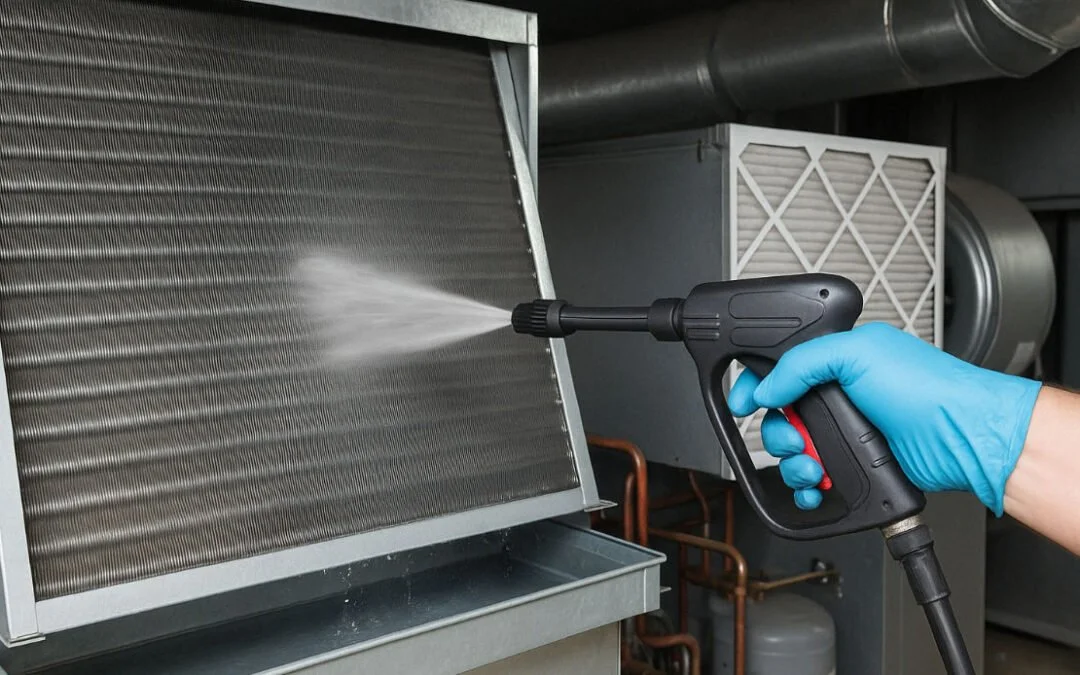
How Often Should You Service Your AC in Orange County? (2026 Guide)
Orange County's climate puts more demand on your AC than most people realize. Inland cities like Yorba Linda, Anaheim Hills, and Placentia regularly see summer temperatures above 95 degrees, with heat waves pushing past 105, and that sustained load wears down components faster than a system running in a milder climate. The good news is that most breakdowns are preventable. A professional tune-up once a year (twice a year for older systems, pet owners, or inland homes) catches the small issues before they turn into expensive emergency repairs. At J Martin IAQ, a standard tune-up runs $129 to $199 and typically pays for itself in energy savings alone within a single cooling season.
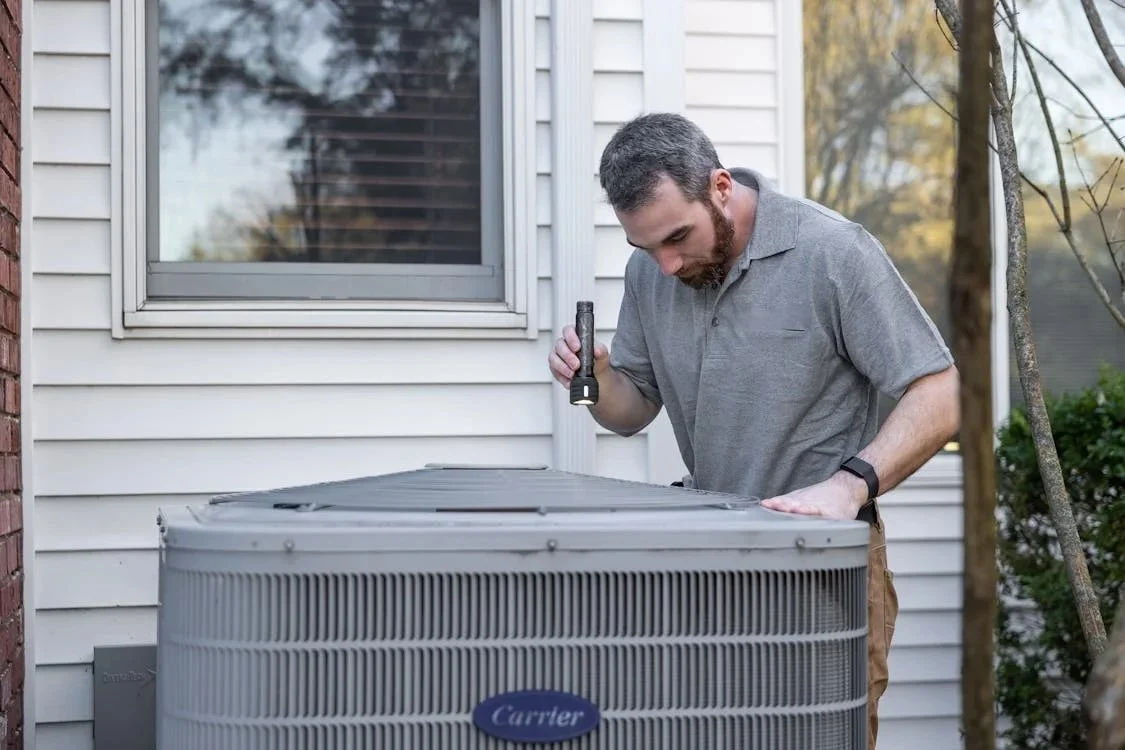
AC Maintenance Checklist for Orange County Homeowners (2026)
A complete AC maintenance checklist for Orange County homeowners covers two layers: the DIY tasks you can handle yourself every 30 to 90 days, and the professional service your system needs at least once a year. Replacing your air filter, flushing your condensate drain line, and clearing debris from your outdoor condenser are free or nearly free steps that take less than 30 minutes a month and directly affect how efficiently your system runs. The professional layer, which includes refrigerant verification, electrical connection testing, capacitor readings, and coil cleaning, takes 60 to 90 minutes and costs $129 to $199 in Orange County in 2026. Together, those two layers keep your system running at peak efficiency, reduce your SCE cooling costs by 15% to 25%, and extend your equipment's lifespan by years. Skipping maintenance does not save money. It shifts the cost to your electric bill, your repair invoices, and eventually your replacement budget.
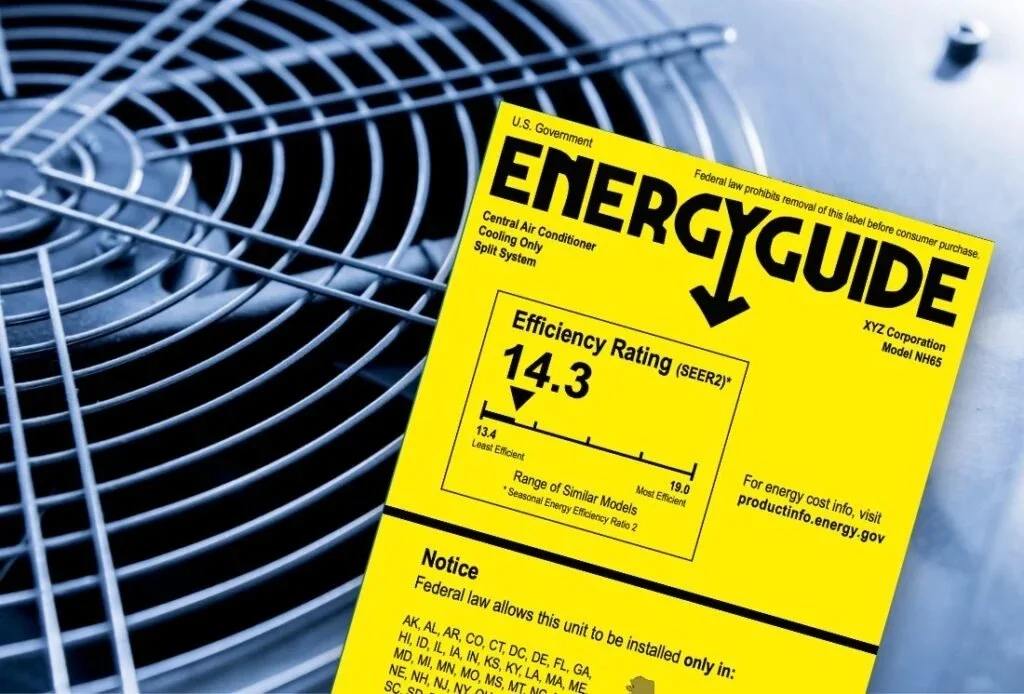
SEER2 vs SEER Rating: What Orange County Homeowners Need to Know in 2026
Most Orange County homeowners seeing SEER2 numbers for the first time assume something went wrong. The numbers look lower than what their old system was rated, and the natural conclusion is that new equipment is somehow less efficient. It is not. On January 1, 2023, the Department of Energy changed the testing method, not the equipment, producing a more honest number that reflects how AC systems actually perform in real homes with real ductwork. This guide explains what changed, what California requires in 2026, and how to use SEER2 ratings to make a smarter equipment decision for your Orange County home.
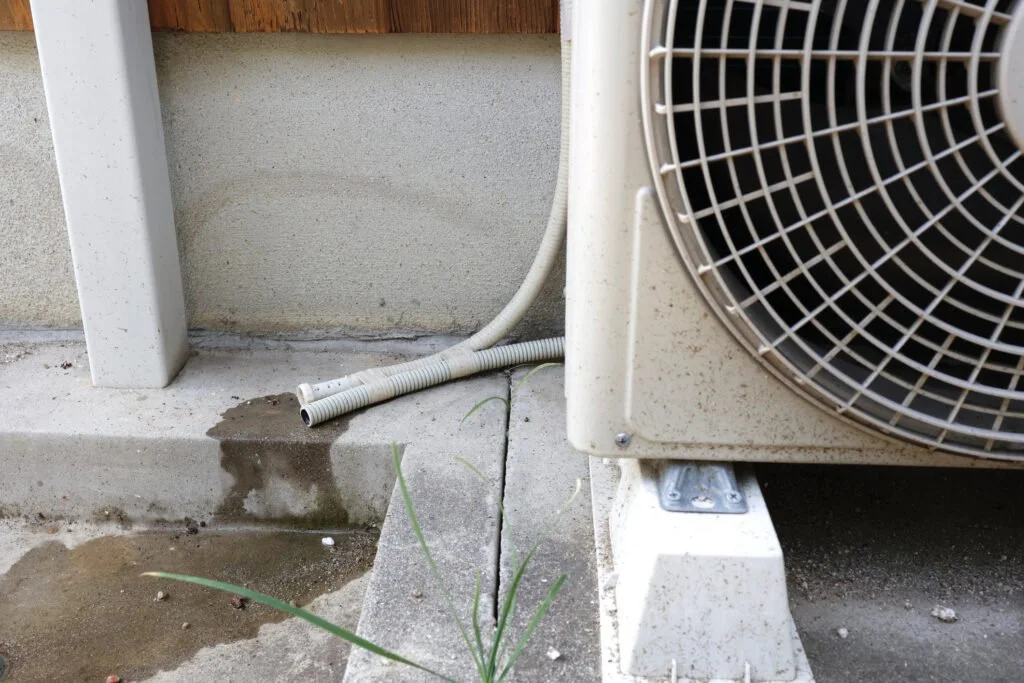
Air Conditioner Leaking Water: Causes, Fixes, and When to Call a Pro (2026)
When your air conditioner is leaking water inside your home, the clock starts immediately. In Orange County's warm climate, mold can begin developing within 24 to 48 hours of a water leak, and what starts as a wet spot on the ceiling can become a drywall replacement and a remediation bill before you ever get a diagnosis. The good news is that roughly 70% of AC water leaks we handle across Orange County come down to one cause: a clogged condensate drain line that costs $75 to $250 to clear and takes under an hour to fix. In this guide, we cover every common cause of an air conditioner leaking water, what to do right now to stop the damage, and honest 2026 repair costs so you know exactly what you are dealing with before anyone touches your system.
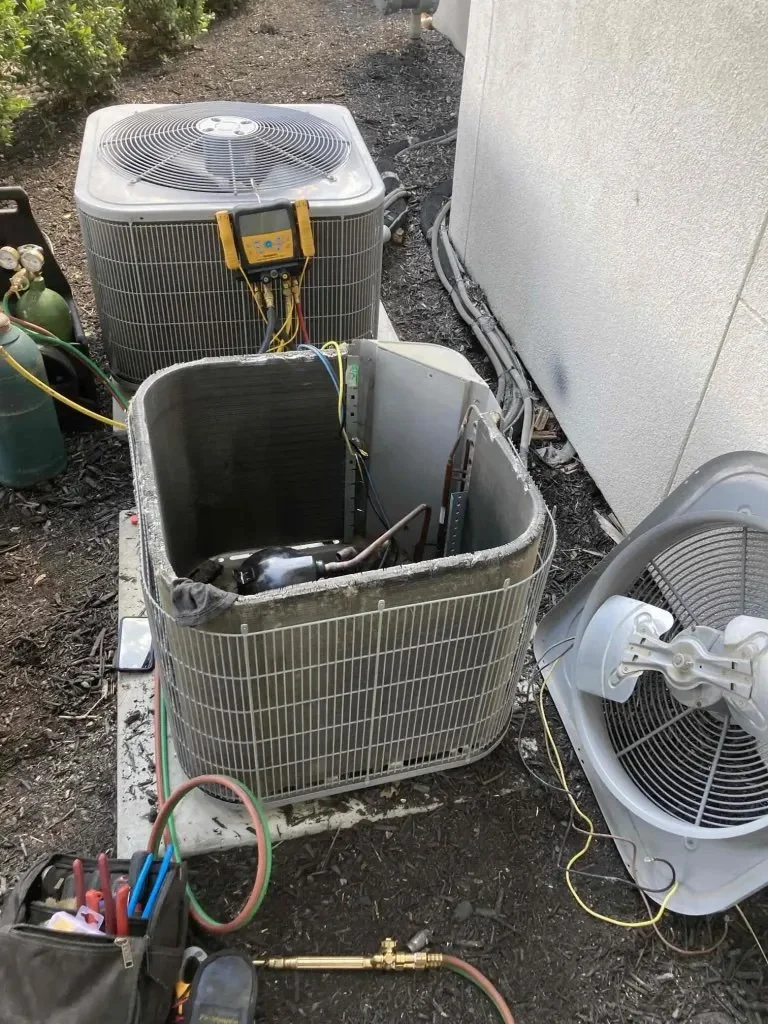
AC Compressor Not Working: Repair or Replace Decision Guide (2026)
When your AC compressor fails in Orange County, replacing just the compressor costs $1,800 to $3,200 while a full system replacement runs $10,000 to $14,000. The right choice depends on three factors: your system's age, its refrigerant type, and whether other components are also showing wear.
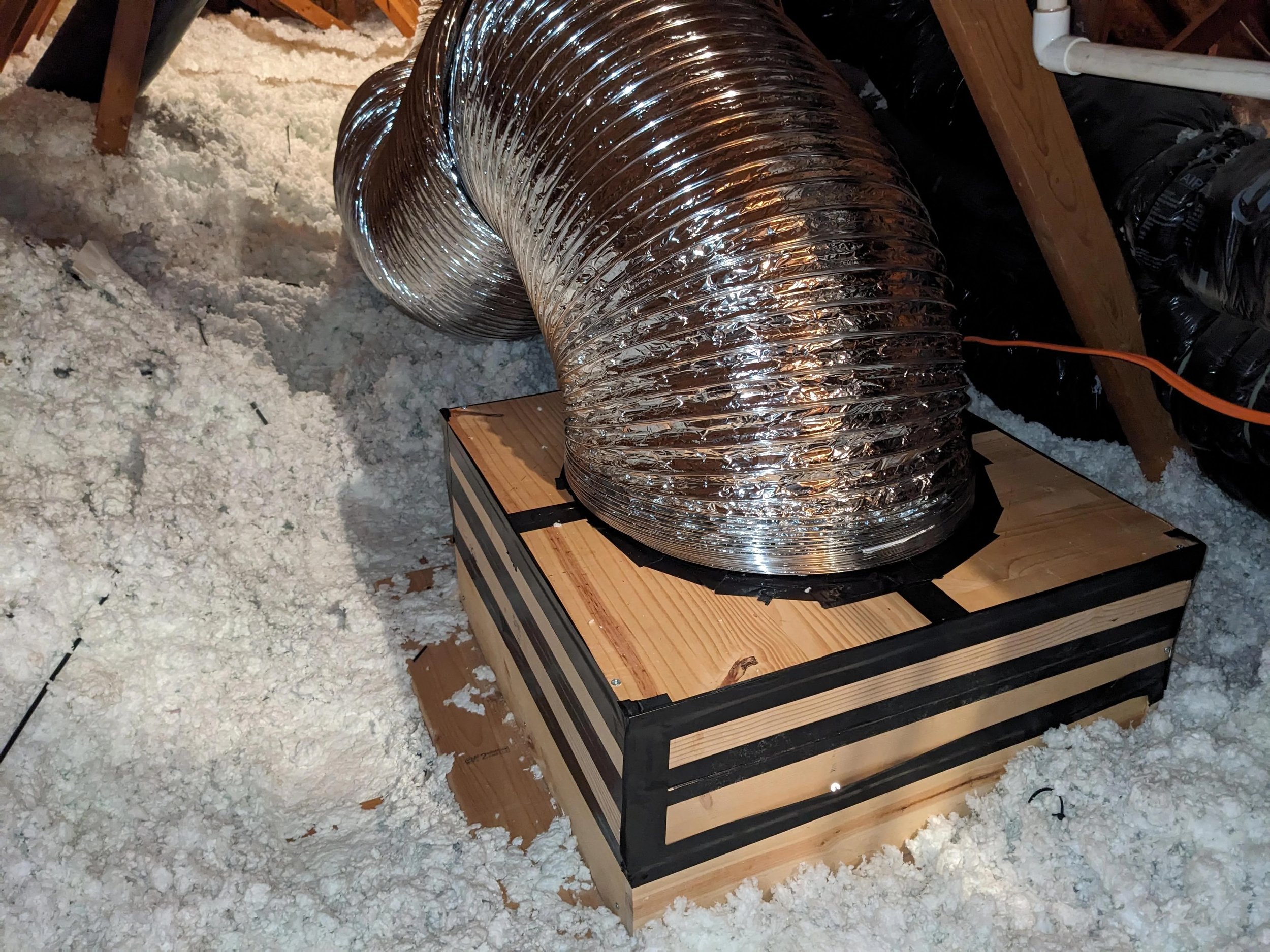
Whole House Fan Installation for Orange County Homes
A properly installed whole house fan system can dramatically improve your home’s comfort by removing trapped heat from the attic and pulling in cooler outside air. As shown in the ductwork above, efficient airflow depends on well-designed, insulated ducts that direct hot air out of your home quickly and effectively. When your attic ventilation system is installed correctly, it reduces strain on your air conditioning, lowers energy costs, and helps maintain a more consistent indoor temperature. For homeowners in Orange County, investing in a professionally installed whole house fan system is a smart, energy-efficient way to stay cool year-round.

The Complete Quiet Cool Whole House Fan Buyer's Guide for Orange County Homeowners
QuietCool whole house fans offer Orange County homeowners a smarter, more energy efficient way to stay cool during the warmer months. Instead of relying solely on air conditioning, these systems pull in fresh, cooler outdoor air while pushing hot attic air out, reducing energy bills, improving indoor air quality, and enhancing overall comfort. In this guide, we break down how QuietCool systems work, how to choose the right model for your home, what to expect during installation, and the real long term benefits based on years of hands on experience installing these systems across the region.
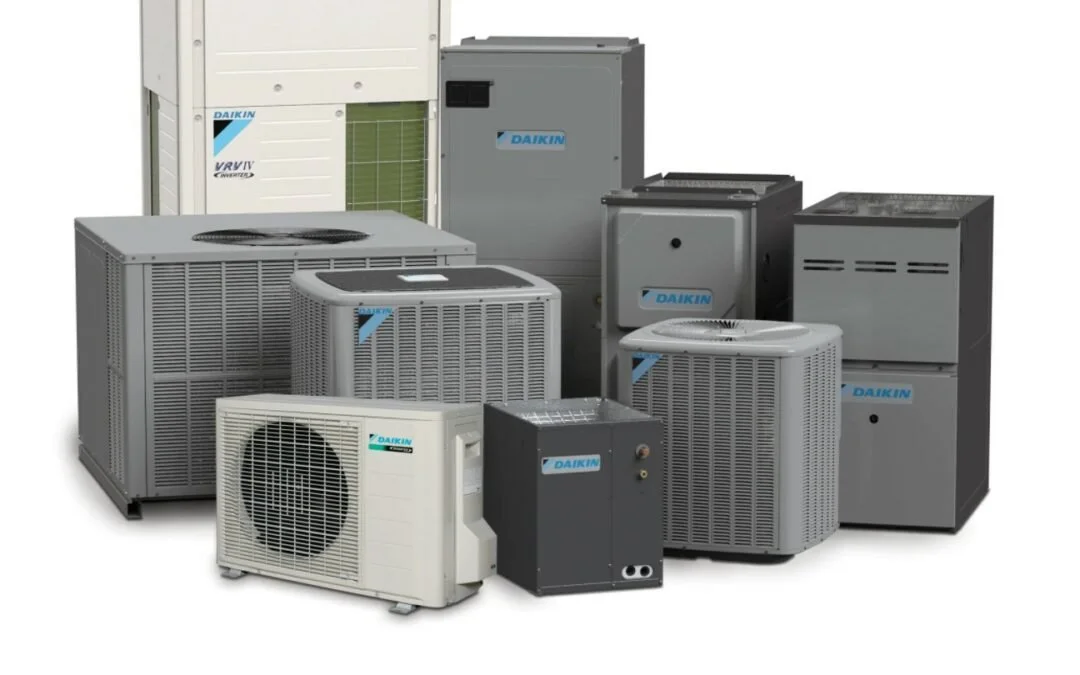
Daikin Air Conditioner Systems for Orange County Homes
Whether you're upgrading to a high-efficiency Daikin system, installing a smart thermostat, or ensuring your HVAC setup is safe and code-compliant, every detail matters for long-term comfort and energy savings. At J Martin Indoor Air Quality, we provide expert HVAC installation, repair, and maintenance services across Yorba Linda and Orange County, helping homeowners stay comfortable year-round with reliable, energy-efficient solutions tailored to their needs.
Why Your AC Smells Like Mildew (And How to Get Rid of It for Good)
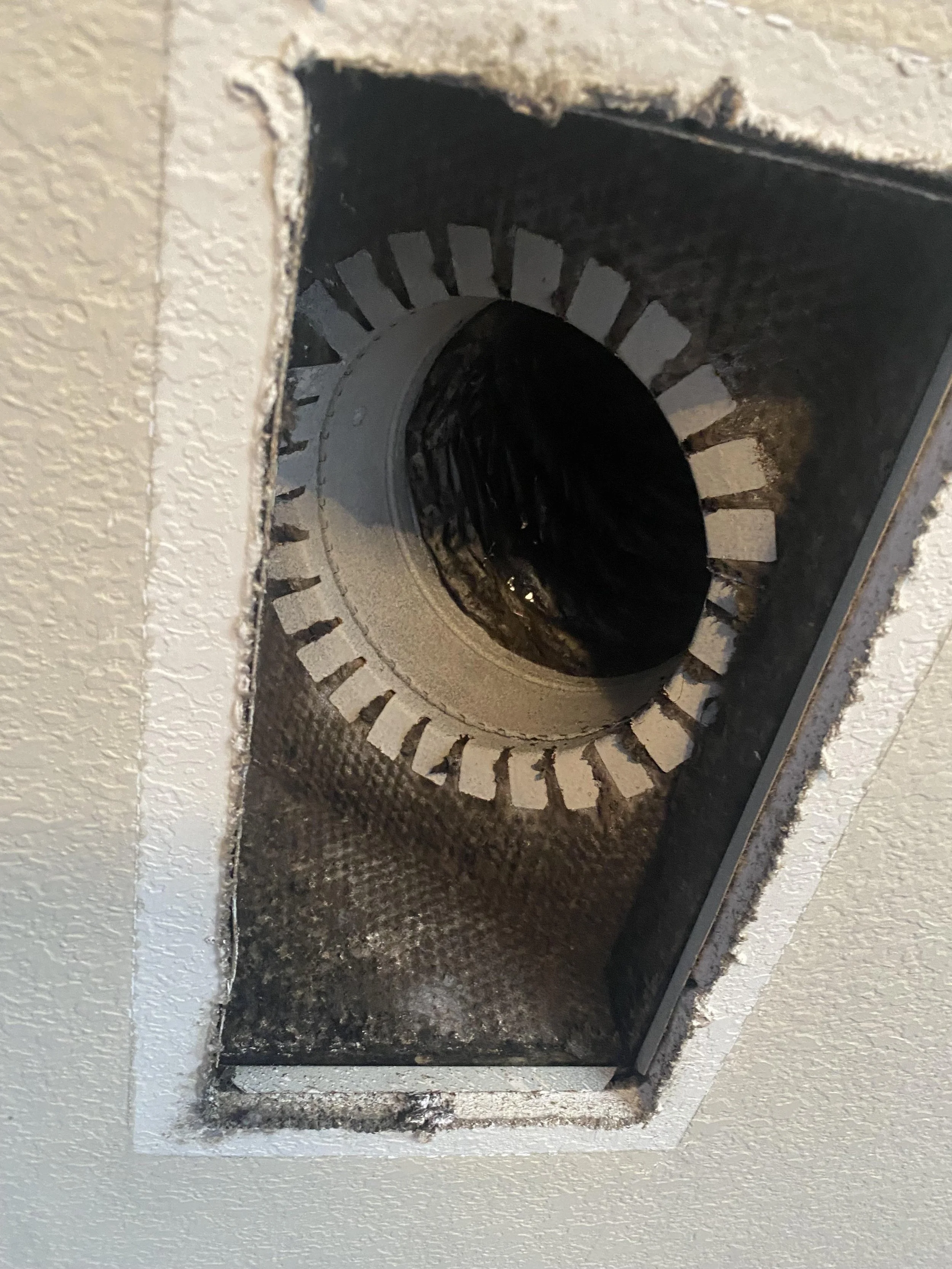
If your AC smells like mildew when it turns on, it is usually a sign of mold, bacteria, or excess moisture building up inside your HVAC system. In this guide, we break down the most common causes of musty AC odors, including clogged drain lines, dirty evaporator coils, and humidity issues, along with practical DIY fixes and professional solutions like duct cleaning and UV light installation. Learn how to eliminate mildew smells for good, improve your indoor air quality, and prevent the problem from coming back in Orange County homes.
Your AC Condensate Drain Is Clogged: Why It Happens and How to Prevent Water Damage
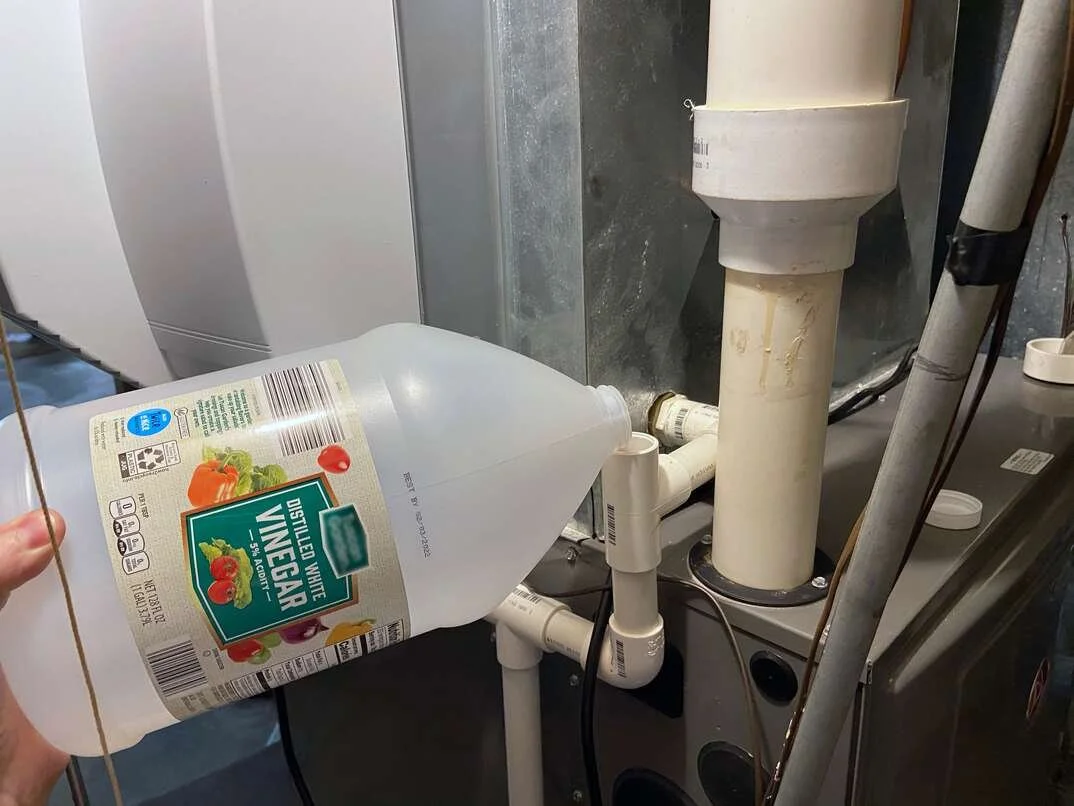
A clogged AC condensate drain is one of the most common and preventable causes of water leaks in Orange County homes, yet it often goes unnoticed until damage occurs. As your air conditioner removes moisture from the air, that water must drain properly through a small PVC line, when algae, mold, or debris block it, water backs up into your system, leading to ceiling stains, musty odors, and even costly mold remediation. This guide explains why AC drain lines clog, the warning signs to watch for, how to clear a blockage yourself, and the simple maintenance steps that can help you avoid expensive repairs and water damage.
AC Keeps Tripping the Breaker? Here's Why (And What It Costs to Fix)
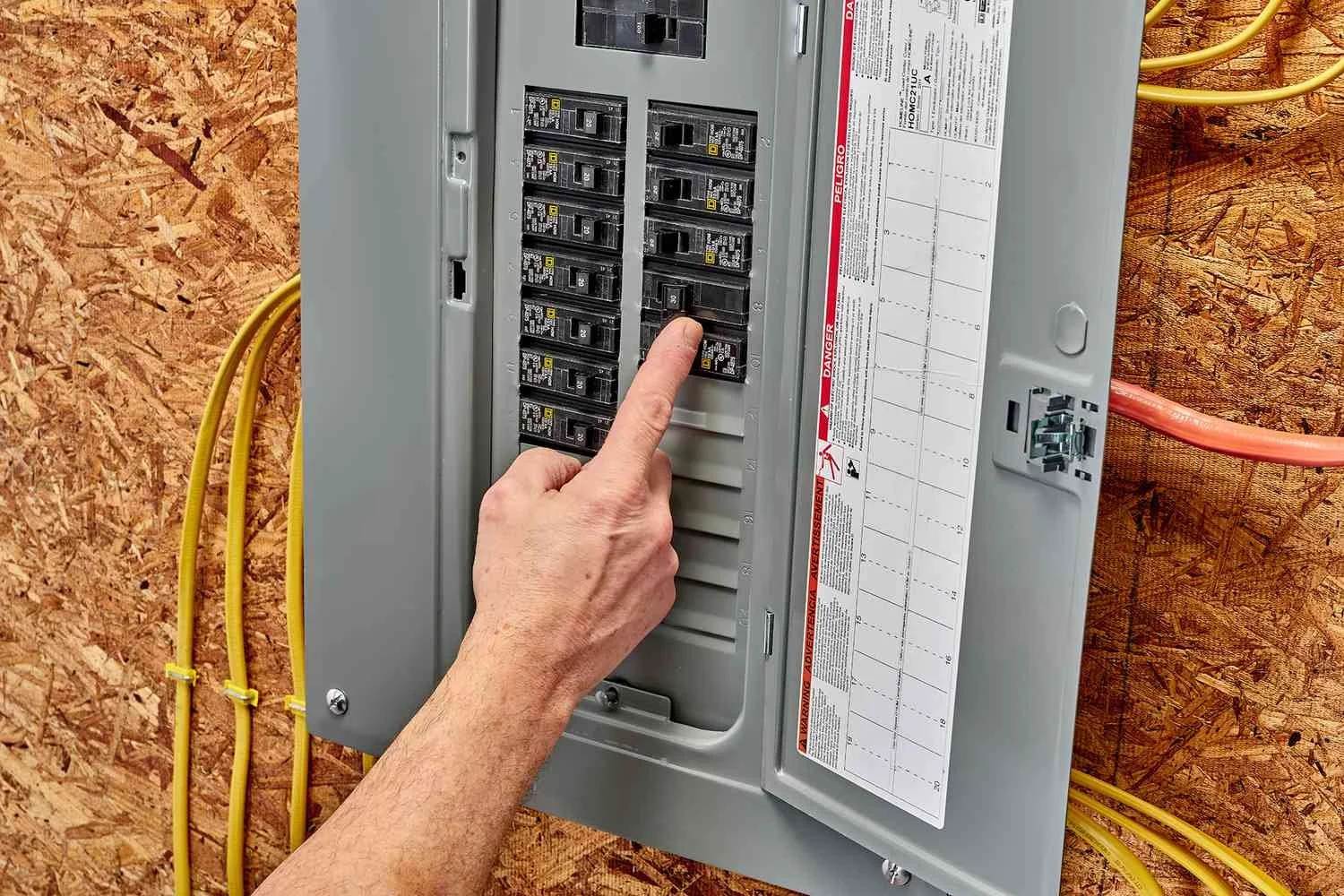
If your AC keeps tripping the breaker, it’s not just an inconvenience, it’s a warning sign that something in your system is pulling more electrical current than it should. This guide breaks down the 9 most common causes, from simple fixes like a dirty air filter to serious issues like a failing compressor, along with what each repair typically costs in Orange County. You’ll also learn safe troubleshooting steps you can take yourself and when it’s time to call a professional to prevent further damage, higher energy bills, or potential electrical hazards.
QuietCool Whole House Fan: Is It Worth It for Orange County Homes?
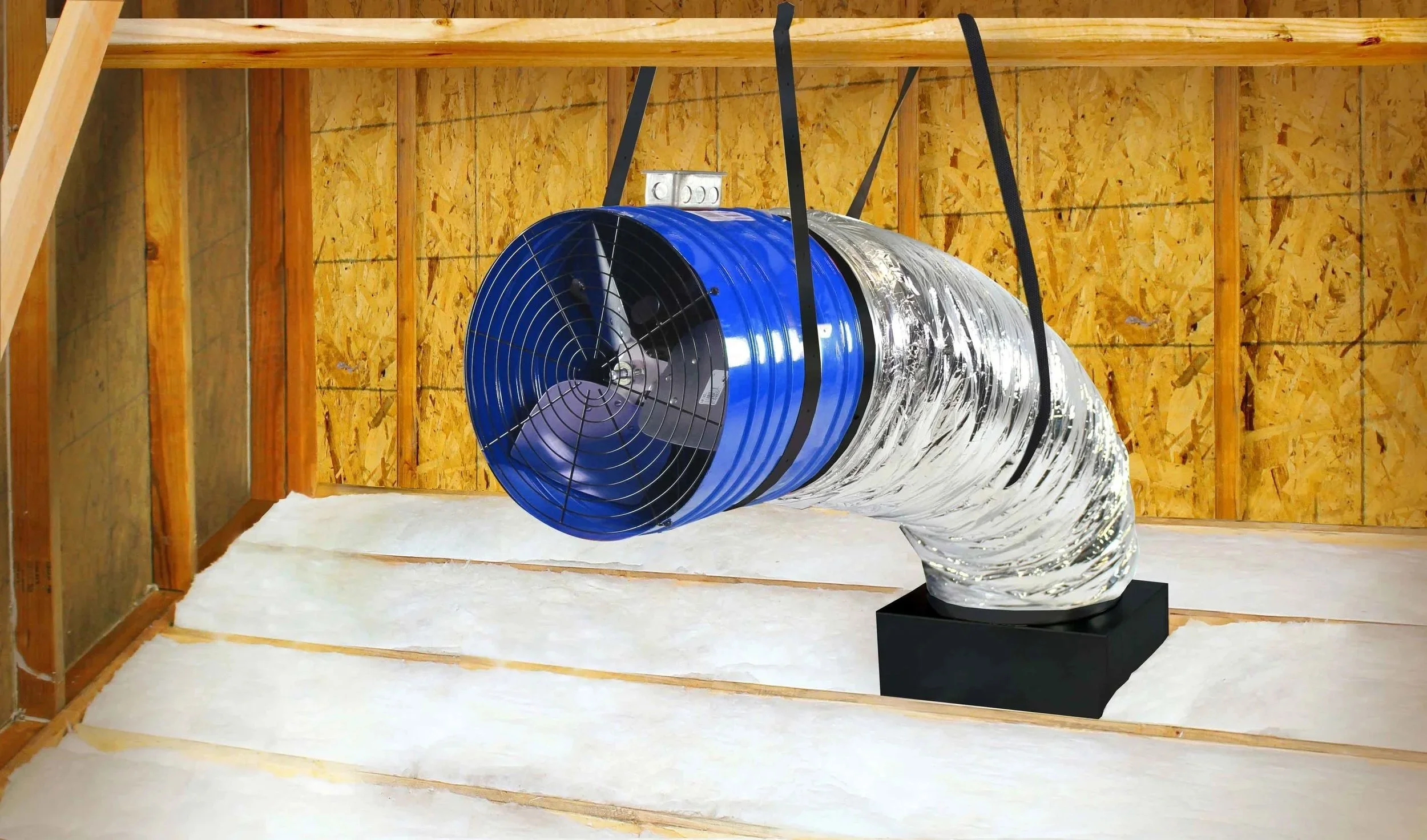
A QuietCool whole house fan can dramatically reduce cooling costs for Orange County homeowners, but it is not the right solution for every house. In this guide, we break down how QuietCool systems work, what they actually cost to install in Orange County, and how much energy they can save compared to running central AC at current Southern California Edison rates. You will also learn which homes benefit most from whole house fans, how Orange County’s climate makes them especially effective, and when it may make more sense to invest in other HVAC upgrades instead.

How Much Does It Cost to Run AC All Day in Orange County? (SCE Rate Breakdown)
Running your air conditioner all day in Orange County can cost anywhere from $13 to $26 per day during the summer, depending on outdoor temperatures, your SCE rate plan, and how efficient your AC system is. Because Southern California Edison uses time-of-use electricity pricing, the same cooling can cost dramatically more if your system runs during peak hours between 4 PM and 9 PM. In this guide, we break down the real math behind AC electricity usage, how different SEER ratings affect daily energy consumption, and the strategies Orange County homeowners can use to reduce cooling costs by hundreds of dollars each summer.
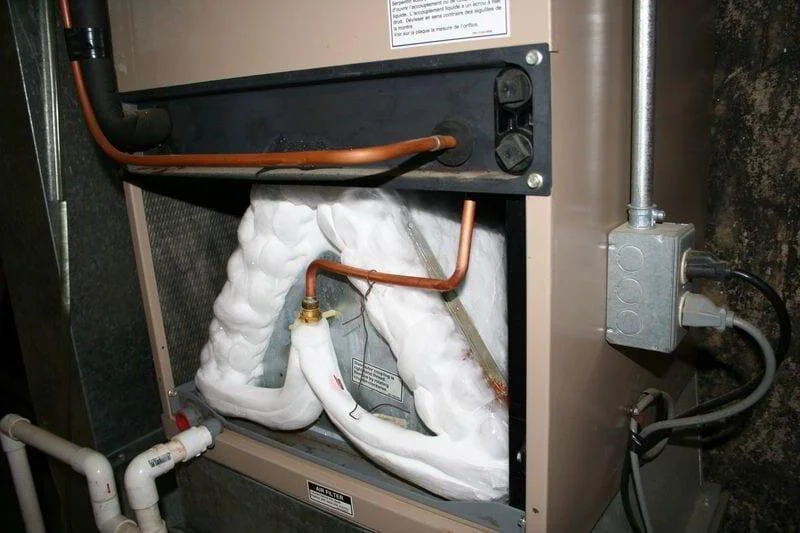
Frozen AC Coil in Orange County? Here's What Causes It and How to Fix It
A frozen evaporator coil is one of the most common reasons an air conditioner suddenly stops cooling your home. When ice forms on the coil inside your air handler, it blocks airflow and prevents the system from absorbing heat properly. In this guide, Orange County homeowners will learn the most common causes of a frozen evaporator coil, including clogged air filters, refrigerant leaks, dirty coils, and airflow problems. We also explain how to safely thaw a frozen AC coil, when a repair is needed, and what it typically costs to fix the issue before it damages your compressor.
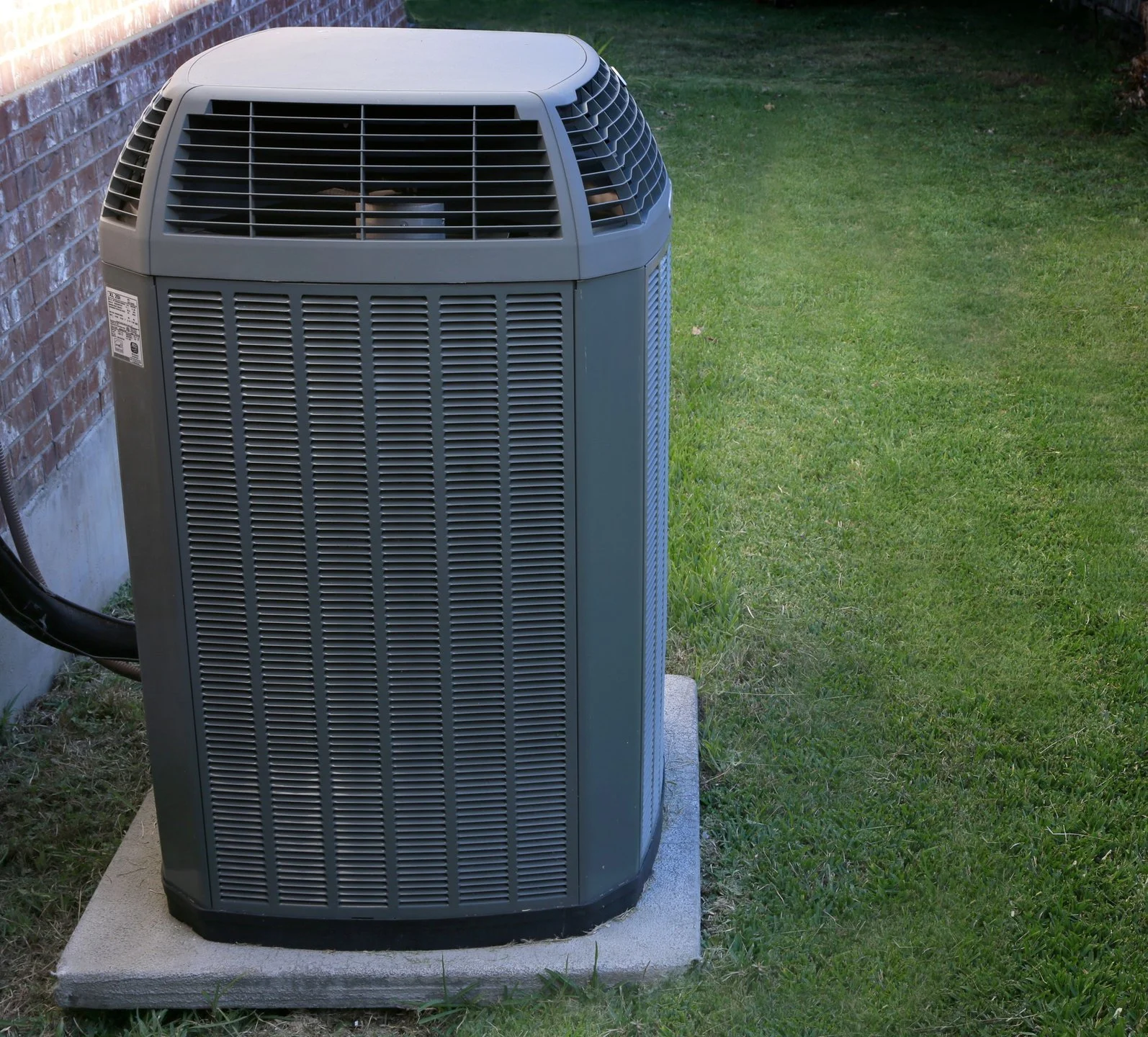
What Size AC Unit Does My Orange County Home Actually Need?
Choosing the right size AC unit for your Orange County home is not about picking the biggest system available. It is about matching the unit’s cooling capacity to your home’s actual needs. AC “size” refers to tonnage, or how many BTUs of cooling the system can produce per hour, and installing a unit that is too large or too small can lead to higher energy bills, uneven temperatures, humidity problems, and premature equipment failure. In this guide, we explain how AC sizing really works, why square-foot rules of thumb often fail in Orange County’s unique climate, and why a professional Manual J load calculation is the only reliable way to determine the correct system size for long-term comfort and efficiency.
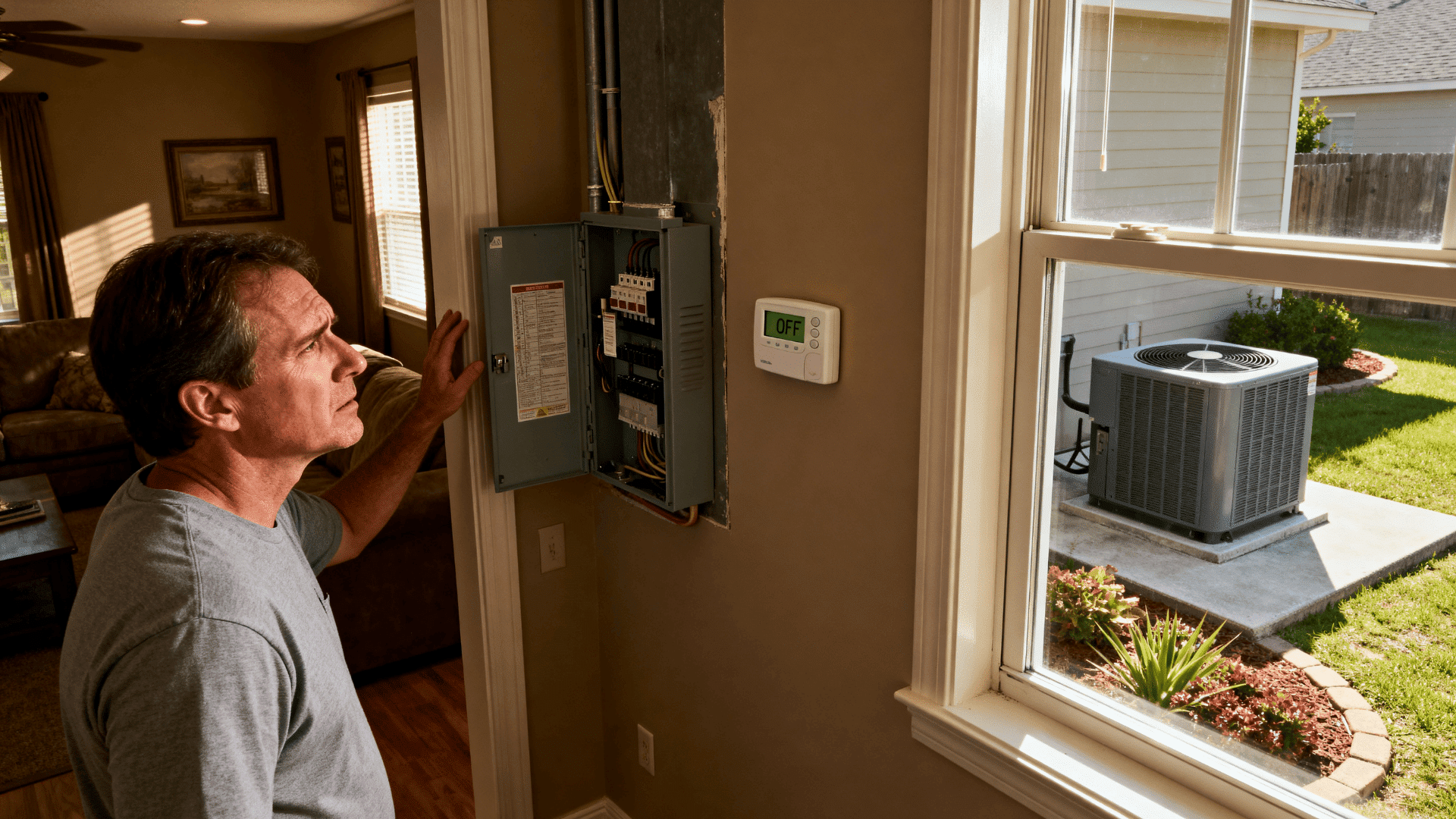
My AC Is Running But Not Cooling the House: What's Wrong?
If your AC is running but not cooling, the problem could range from a simple airflow issue to a more serious mechanical failure. In many Orange County homes, the most common causes include a clogged air filter, blocked vents, dirty condenser coils, low refrigerant, frozen evaporator coils, or failing electrical components like capacitors. While some issues can be solved with quick DIY checks, others require professional HVAC diagnostics to prevent bigger and more expensive repairs. This guide explains the 9 most common reasons an air conditioner runs without cooling, how to troubleshoot each one safely, what repairs typically cost in 2026, and when it’s time to call a licensed technician.

How to Read an HVAC Quote Without Getting Ripped Off
Most homeowners don’t realize that HVAC quotes often look different because they aren’t actually quoting the same work. One estimate might include permits, new line sets, and higher-efficiency equipment, while another leaves those items out to appear cheaper upfront. Learning how to read an HVAC quote line by line helps you understand what you’re really paying for, compare contractors fairly, and avoid the hidden costs that turn a “cheap” estimate into an expensive mistake.
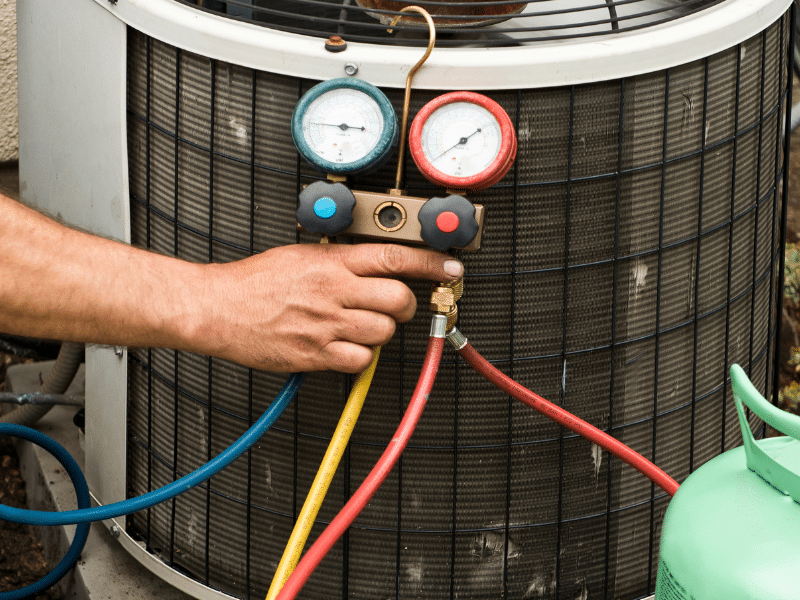
Should I Repair or Replace My AC? The Decision Framework That Saves You Thousands
When your air conditioner fails on a hot Orange County afternoon, the question isn’t just how to fix it — it’s whether repairing it is worth the cost or if replacing the system will save you more money in the long run. This guide walks you through the $5,000 rule and a practical 7-factor decision framework used by HVAC professionals to evaluate AC age, repair costs, energy efficiency, refrigerant type, and repair history. By understanding these factors, homeowners can make a clear, financially smart decision about whether to repair their current air conditioner or invest in a new system before small problems turn into expensive mistakes.
How Long Do AC Units Last in Orange County? When to Repair vs Replace Your System
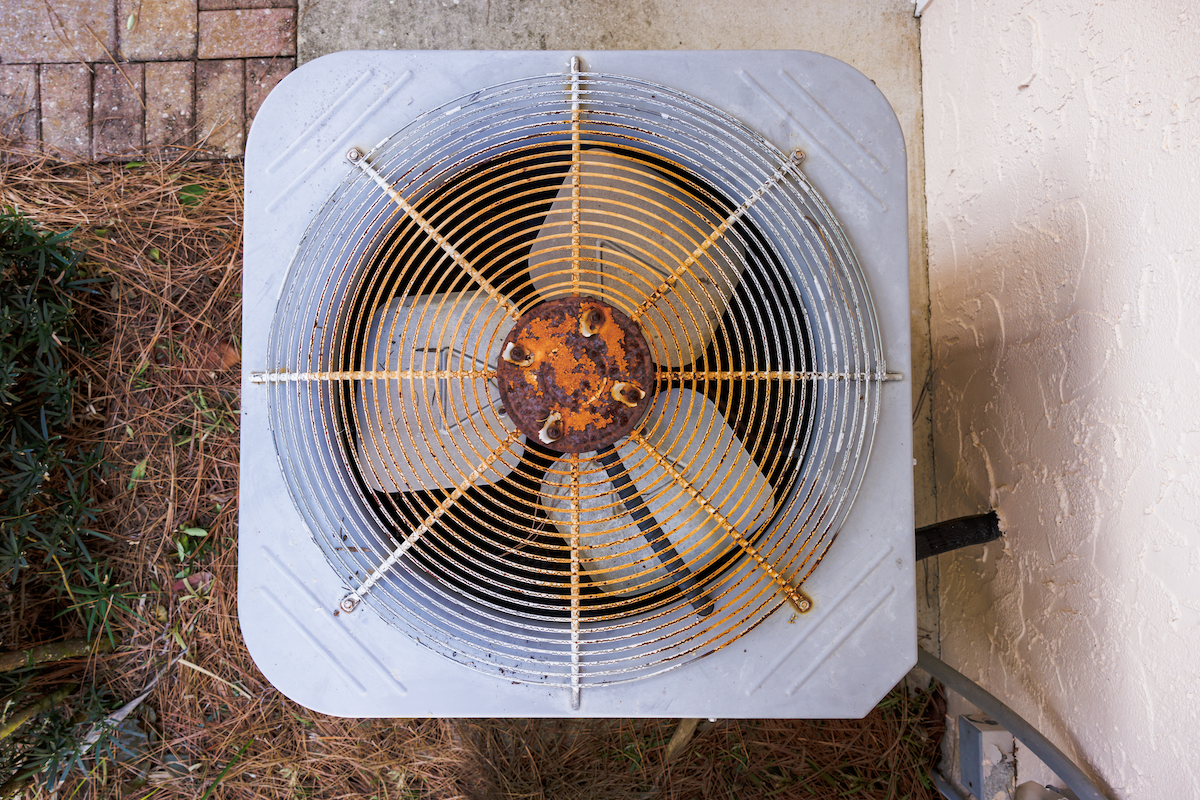
Your air conditioner is not going to last forever, and in Orange County, it is probably going to reach the end of its life sooner than the national average suggests. Inland systems face months of heavy use pushing into the upper 90s and triple digits. Coastal systems fight salt air corrosion that can cut a standard unit's lifespan nearly in half. And when that system starts showing signs of trouble, you face the question every Orange County homeowner eventually faces: is this repair worth it, or is it time to replace? Making the wrong call means either throwing money at a dying system or replacing equipment that had years of life left. This guide gives you the actual numbers, the $5,000 rule HVAC professionals use to evaluate the decision, the eight warning signs your system is approaching end of life, and the one risk factor most calculations ignore: what it actually costs to be stranded without AC in the middle of a July heat wave when every contractor in Orange County is already booked solid.

