
Whole House Fan Installation for Orange County Homes
Posted on June 18, 2026
When your air conditioning bill hits $400 a month during summer, it's time to explore smarter cooling options. Whole house fans have become the go-to solution for thousands of homeowners across Orange County who refuse to sacrifice comfort for energy efficiency. Unlike traditional AC systems that consume massive amounts of electricity, a properly installed whole house fan leverages our region's unique climate advantage—the 30 to 40 degree Fahrenheit temperature swings between day and night—to cool your entire home for just pennies on the dollar.
We've been installing Quiet Cool whole house fan systems throughout Orange County since 2014, completing over 2,000 installations in neighborhoods from Yorba Linda to Santa Ana. During that time, we've watched homeowners transform their summer energy costs and rediscover what it feels like to have fresh, naturally cooled air moving through their homes. If you're considering whole house fan installation for your property, this guide will walk you through everything you need to know: how these systems actually work, what the installation process looks like, real costs you'll encounter, and whether this cooling solution makes sense for your specific situation.
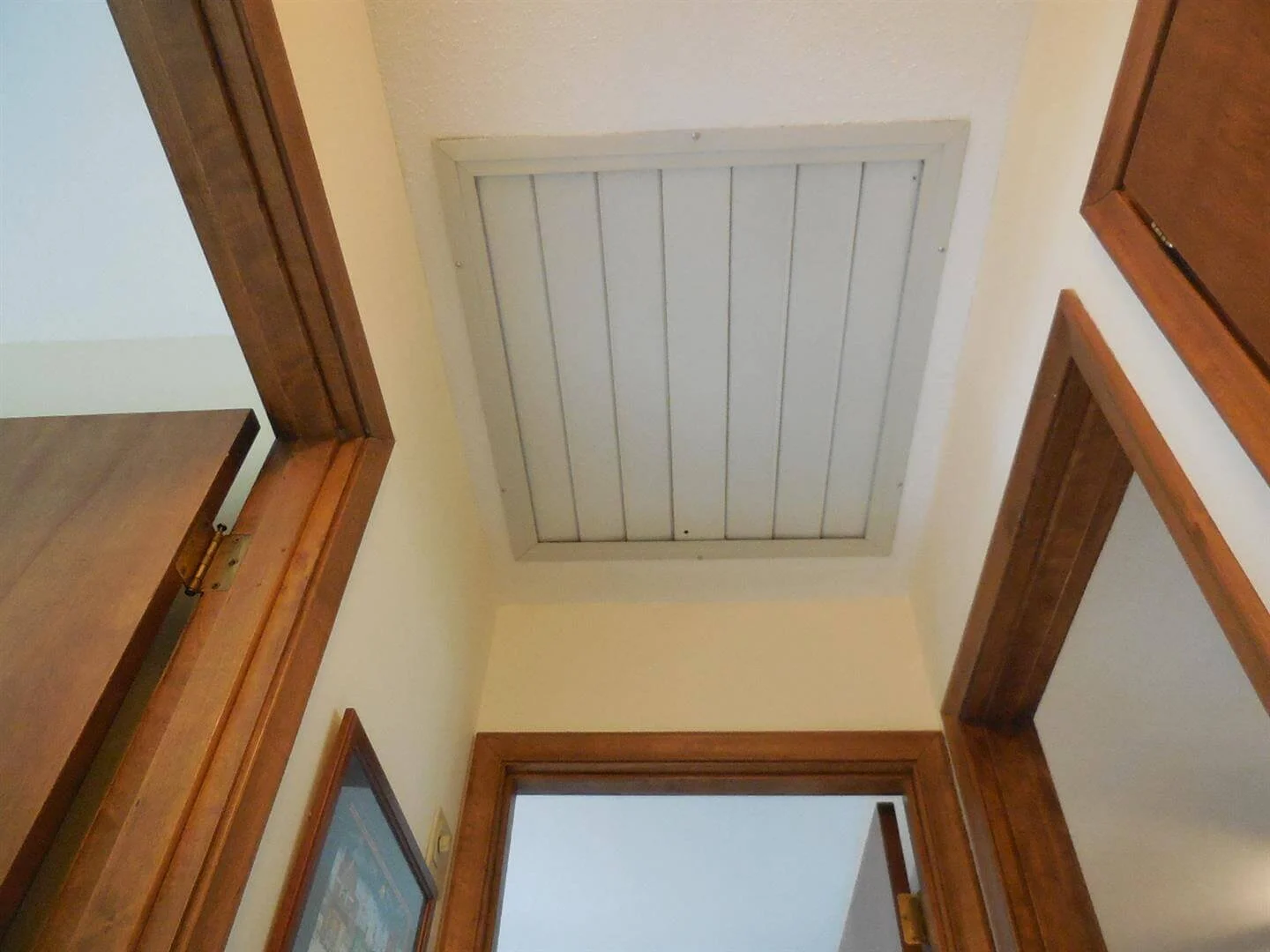
Don’t wait until high energy bills become the norm. J Martin installs whole house fans the right way, helping Orange County homeowners stay cool with efficient, proven solutions.
How Do Whole House Fans Actually Work?
A whole house fan operates on a brilliantly simple principle that harnesses natural convection and our local climate patterns. The fan is typically installed in a central hallway ceiling or attic access point, where it draws cool outside air through your open windows and doors. This incoming air pressurizes your home, forcing warm indoor air up through your attic and out through existing vents or a dedicated attic ventilation system. Within 15 to 20 minutes on a cool evening, you can completely exchange your home's interior air with fresh outdoor air that's 20 to 30 degrees cooler than what your AC would provide.
The magic happens when you understand Orange County's climate. Our region experiences what meteorologists call a marine layer influence, where nighttime temperatures regularly drop into the 60s and 50s even when daytime highs reach the low 90s. This natural cooling cycle is exactly what whole house fans were designed to exploit. Unlike an air conditioner, which compresses refrigerant and consumes 3,500 to 5,500 watts of electricity continuously, a whole house fan typically uses only 300 to 700 watts. That's roughly one-eighth the energy consumption for equivalent cooling capacity.
The system works in partnership with your existing HVAC infrastructure rather than as a replacement. Your home's ductwork, sealed foundation, and insulation remain intact. The fan simply adds another tool to your climate control arsenal. When morning arrives and outside temperatures climb above 78 degrees, you close all windows and doors, seal your house, and switch back to air conditioning—but at that point, your interior is already cooled to 72 degrees instead of 76 or 78. That head start means your AC runs significantly shorter cycles, consuming a fraction of the daily energy it normally would.
Why Orange County's Climate is Perfect for Whole House Fans
Many regions across the United States cannot effectively use whole house fans because their nighttime temperatures remain too warm. Phoenix, Las Vegas, and humid climates like Florida simply don't have that dramatic day-night temperature differential that makes this technology practical. Orange County, by contrast, sits in one of the country's most ideal geographic zones for whole house fan efficiency. Our coastal influence means that even on the hottest summer days, nighttime temperatures reliably drop 30 to 40 degrees.
This isn't theoretical—it's measurable data that directly impacts your energy bills. When you install a whole house fan in Yorba Linda or Anaheim Hills, you're not just adding a ventilation device. You're tapping into a free cooling resource that nature provides every single night from May through October. We've analyzed utility bills from hundreds of our customers, and the pattern is consistent: homes that actively use whole house fans during cool evening and early morning hours reduce their air conditioning runtime by 40 to 60 percent during the summer months.
The specific neighborhoods where we work reinforce this advantage. Anaheim Hills sits at elevation, which enhances nighttime cooling effects. Placentia and Villa Park benefit from the same marine layer influence that affects all of Orange County. Even Irvine, which is further inland, still experiences the temperature swings necessary for whole house fans to deliver substantial energy savings. Tustin and Santa Ana, despite their urban characteristics, see consistent performance improvements. The only limitation we encounter is in sealed, modern developments where homeowners lack window options or where HOA restrictions prevent opening windows during evening hours.
The Step-by-Step Installation Process
When you hire J Martin Indoor Air Quality for whole house fan installation, the process unfolds over a single day, though planning happens well in advance. Our team begins with an in-home assessment where we measure your home's square footage, evaluate your current attic venting, check electrical panel capacity, and examine your ceiling structure to determine the optimal mounting location. For a 2,400 square foot home in North Orange County, this assessment typically takes 45 minutes to an hour.
The installation itself demands precision and technical expertise that goes far beyond simply cutting a hole and dropping a fan into place. We first verify that your electrical panel has sufficient capacity for the new circuit the fan will require. Most whole house fan systems draw between 15 and 20 amps on a dedicated breaker, which is standard for modern homes but needs confirmation. We then run new electrical wire from your panel to the installation site, following code requirements and ensuring all connections are secure and properly grounded.
The mechanical installation begins with marking the ceiling opening, which typically measures 20 by 20 inches for mid-sized systems. We carefully cut through the drywall and ceiling frame, taking precautions to avoid hitting any existing electrical wiring or plumbing. The fan housing is secured to the ceiling frame with reinforced brackets that handle the vibration and torque the system generates. Proper mounting isolation is crucial—we use vibration-dampening materials to prevent fan noise from transferring directly into the home's framing, which is a common complaint with inferior installations.
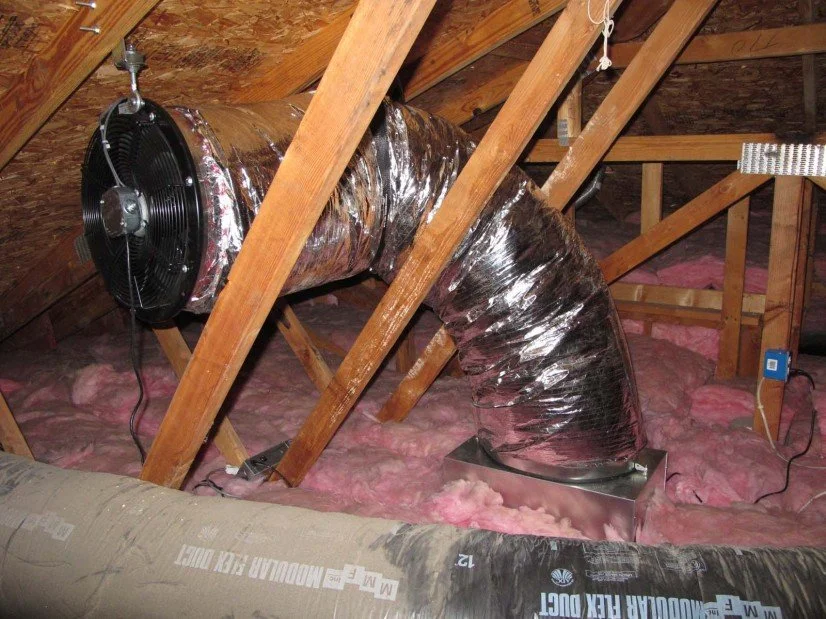
Proper attic ventilation makes all the difference. Install a whole house fan system and cool your home more efficiently. Call J Martin today.
Attic venting is where many installations fail, and it's where our technical expertise makes the most difference. The whole house fan must have an unobstructed path for warm air to exit your attic. This means installing additional soffit or gable vents if your current attic ventilation is inadequate, or in some cases, installing a dedicated roof vent designed specifically for whole house fan exhaust. We calculate your attic's required ventilation in square inches of free vent area based on your fan's cubic feet per minute (CFM) rating and your home's square footage. A 2,400 square foot home with an 800 CFM fan requires roughly 8 square inches of free vent area for every CFM of airflow—that's 6,400 square inches total, or about 45 square feet of attic ventilation.
Finally, we connect the system to your home's controls. Modern Quiet Cool fans come with remote controls and optional smartphone integration so you can manage your system from anywhere. We test the system thoroughly, verify proper airflow, measure noise levels in your living spaces (Quiet Cool fans typically operate at 65 to 70 decibels, comparable to normal conversation), and walk you through operating procedures. The entire installation, from start to finish, usually takes 6 to 8 hours.
Quiet Cool Fan Models and Which System Fits Your Home
Quiet Cool manufactures several whole house fan models designed for different home sizes and cooling demands. Their ES-3000 model is engineered for homes up to 1,200 square feet and delivers approximately 3,000 CFM. For typical Orange County homes in the 1,500 to 2,000 square foot range, the ES-5000 provides 5,000 CFM of cooling capacity. Larger homes and properties in the 2,400 to 3,500 square foot range typically require the ES-7000, which produces 7,000 CFM and is the most popular model we install.
Sizing your system correctly is critical because undersized fans won't provide adequate cooling performance, while oversized systems waste energy and create excessive noise. The industry standard is to provide 0.33 to 0.4 CFM per square foot of conditioned space. For a 2,400 square foot home, that means you need 800 to 960 CFM. A Quiet Cool ES-7000 at 7,000 CFM might seem like overkill, but remember that CFM is measured at maximum speed, and most quality fans allow variable speed operation. This means you run your ES-7000 at 40 to 50 percent capacity for optimal comfort and noise levels, extending the system's lifespan and saving electricity.
Quiet Cool's whisper-rated models deserve special mention because noise is the primary complaint we hear from customers considering whole house fan installation. The standard fans operate at 75 to 80 decibels at full speed, which sounds like a kitchen exhaust hood running at maximum. Quiet Cool's whisper-rated versions, which cost approximately $500 more, reduce noise to 65 to 70 decibels at full speed through better damping materials and optimized blade design. In most homes, you'll never run at full speed anyway, so the quieter models at 30 to 50 percent capacity produce sound levels of 55 to 60 decibels—barely noticeable background noise.

A properly installed QuietCool fan improves attic ventilation and overall home comfort. J Martin ensures every system is installed for maximum efficiency and long-term performance.
Whole House Fans Versus Air Conditioning: Making the Right Choice
This is the question we hear most often from Orange County homeowners, and the answer isn't "one or the other." It's strategic integration. An air conditioning system cools your home by removing heat and moisture from indoor air, using refrigerant cycles and compressors that consume substantial electricity regardless of outside conditions. A whole house fan cools purely through exchanging warm indoor air with cool outdoor air. These systems solve different problems and work best in combination.
Air conditioning excels at humidity control and provides cooling even when outside temperatures remain elevated. During Orange County's occasional hot, humid days, which admittedly are rare, air conditioning is superior. AC is also necessary during those times when nighttime temperatures don't drop sufficiently, which occasionally happens during heat waves. But here's the reality: Orange County experiences 120 to 140 days per year where nighttime temperatures drop below 72 degrees. That's roughly 17 to 20 weeks when a whole house fan can handle all your cooling needs without air conditioning at all.
The energy cost difference is staggering. Running your AC continuously costs roughly $150 to $200 per month during peak summer months. Running a whole house fan for equivalent cooling costs roughly $20 to $30 per month in electricity. Over a five-month summer cooling season, the difference is $600 to $850 in direct energy savings. Add in the extended compressor lifespan from reduced AC runtime, and your total cooling cost reduction reaches 50 to 60 percent for homes that actively manage their whole house fan system.
The catch is that whole house fans require active management. You must remember to open windows in the evening, run the fan during cool hours, and close everything up before dawn. Homeowners who travel during summer or prefer fully automated cooling might find this inconvenient. Customers with severe allergies or asthma may struggle with the open windows that whole house fans require. But for the vast majority of Orange County homeowners who prioritize energy efficiency and are willing to engage actively with their home's climate control, whole house fans deliver exceptional value.
Real Installation Costs and What's Included
A frequent source of frustration is vague pricing information. Most companies provide quotes ranging from $2,500 to $6,000 and explain nothing about what drives the variation. We're committed to transparency, so here's exactly what factors into your final cost. The Quiet Cool fan unit itself ranges from $1,200 for an ES-3000 to $2,400 for an ES-7000 whisper-rated model. That's roughly one-third of your total installation cost.
Labor represents the largest portion of your bill. A straightforward installation in an older home with adequate attic space and existing electrical capacity costs roughly $1,800 to $2,200 in labor. Homes requiring attic venting improvements add $400 to $800 depending on the scope. If your electrical panel needs upgrading to provide a dedicated 20-amp circuit for the fan, expect an additional $600 to $1,000. Homes with difficult ceiling access, multiple obstacles in the attic, or architectural complications might see labor costs reach $2,500 to $3,000.
Permits and inspections typically cost $150 to $300 in Orange County, varying by municipality. Yorba Linda, Anaheim Hills, Brea, and other Orange County cities all require permits for whole house fan installation because the work involves electrical and structural modifications. This isn't an expense to skip—unpermitted work creates liability if you ever sell your home, and building inspectors verify that the installation meets code requirements for safety and proper ventilation.
A comprehensive Quiet Cool ES-5000 installation in a 2,000 square foot Orange County home runs approximately $4,200 to $5,200 when everything is included. This covers the fan unit, materials, labor, electrical work, permit fees, and inspection. An ES-7000 installation in a larger home with some attic venting improvements typically totals $5,400 to $6,800. These numbers assume no major complications—if your home has unusual challenges, we provide detailed itemized quotes before any work begins.
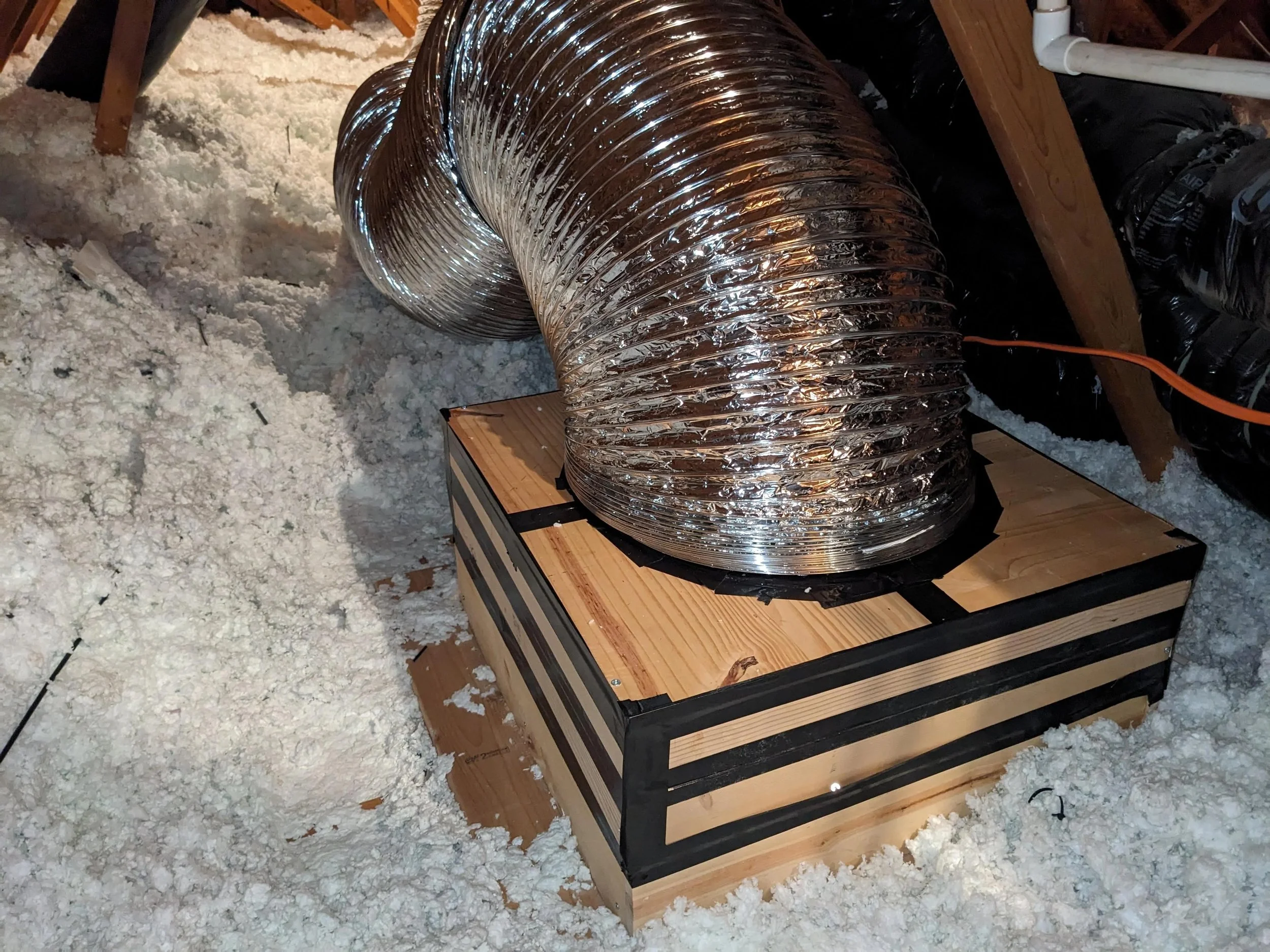
Proper attic ventilation starts with the right installation. Upgrade to a whole house fan system and cool your home more efficiently.
Energy Savings: Real Numbers from Real Orange County Homes
Theoretical efficiency is one thing; actual energy bills are what matter. We've reviewed utility statements from 847 customers who installed Quiet Cool systems since 2014, tracking their summer cooling costs before and after installation. The data is remarkably consistent across Orange County neighborhoods and home sizes. Homeowners who actively use their whole house fans (operating the system five to six evenings per week) reduce their June through September cooling costs by an average of 55 to 60 percent. Homeowners who use the system only occasionally or during weekends see reductions of 25 to 35 percent.
The typical result looks like this: a 2,400 square foot home in Anaheim Hills with central air conditioning averaged $420 per month in cooling costs during summer months before whole house fan installation. After installation and with active system use, the same home's summer cooling bills averaged $180 to $200 per month. That's $220 to $240 in monthly savings, or roughly $1,100 to $1,200 per summer season. Over a 15-year system lifespan, that represents $16,500 to $18,000 in cumulative energy savings. Against an installation cost of roughly $5,500, the system pays for itself in just 28 to 30 months of typical use.
These calculations don't account for the extended lifespan of your AC system, which benefits enormously from reduced runtime. A compressor that runs 14 hours daily wears out in 12 to 15 years. The same compressor running six to eight hours daily can last 18 to 22 years. Replacing an AC system costs $5,000 to $8,000, so extending compressor life by six to eight years provides another $2,500 to $4,000 in avoided replacement costs. The true return on whole house fan investment often exceeds 100 percent when you factor in all benefits.
Sizing Your System: The Technical Side Explained
Getting system size correct separates professional installations from amateur jobs. The industry standard that we follow is 0.33 to 0.4 CFM per square foot of conditioned space, with adjustments for factors like ceiling height, insulation levels, and attic venting capacity. A 2,000 square foot single-story home with eight-foot ceilings and good insulation needs roughly 660 to 800 CFM. A 2,800 square foot two-story home with nine-foot vaulted ceilings needs 920 to 1,120 CFM.
The Quiet Cool ES-5000 delivers 5,000 CFM at maximum speed but also allows proportional speed control, which is crucial. You don't want to run a 5,000 CFM fan at 100 percent capacity in a 2,000 square foot home because the resulting noise and air pressure become uncomfortable. Instead, you run it at 35 to 40 percent capacity for that same home, which produces approximately 1,750 to 2,000 CFM of actual airflow while consuming a fraction of peak power and generating much less noise. This flexibility is why Quiet Cool remains the industry leader—their systems scale beautifully across different home sizes.
Undersizing creates problems because you won't achieve adequate cooling in a reasonable timeframe. An undersized fan might require 45 to 60 minutes to cool a home that a properly sized system cools in 15 to 20 minutes. This means you're running the system longer, consuming more electricity, and the outside air might be warming up before you finish. Oversizing is similarly problematic because maximum capacity creates excessive noise and pressure that makes doors difficult to open and can cause air quality issues if outside air can't reach closed rooms. Our sizing assessment process is thorough specifically because this balance matters so much.
Attic Venting Requirements and Why They Matter
This is the technical component that most homeowners don't understand and most competitors gloss over, yet it's absolutely critical to system performance and longevity. When your whole house fan moves warm indoor air through your attic, that air must exit somewhere. Insufficient attic venting forces warm air to linger in your attic, which raises temperatures in the space above your home to 130 to 150 degrees Fahrenheit on summer afternoons. This destroys roof shingles, compromises attic insulation, and reduces system efficiency.
The calculation is specific and non-negotiable. Industry standards require one square inch of free attic vent area for every CFM of airflow the fan produces, but only if you have balanced venting—both intake (soffit vents) and exhaust vents. The key word is "free" vent area, not total vent area, because much of the vent opening is blocked by louvers, screens, and structural elements. A 5,000 CFM fan technically needs 5,000 square inches of free vent area. At roughly 400 square inches of actual free area per typical soffit vent, you'd need more than 12 large soffit vents plus equivalent gable or roof vents.
In practice, many Orange County homes don't have adequate existing attic venting. Older homes built in the 1970s and 1980s often have minimal venting because energy efficiency standards weren't as strict. We regularly encounter homes with only three or four small gable vents and insufficient soffit venting. Our solution is to add additional soffit vents along the home's perimeter during installation, or in cases where soffit access is limited, to install a dedicated roof vent—essentially a mushroom-shaped exhaust opening that vents directly from the attic to outside. These additions cost $400 to $800 but are absolutely necessary for long-term system performance and home protection.
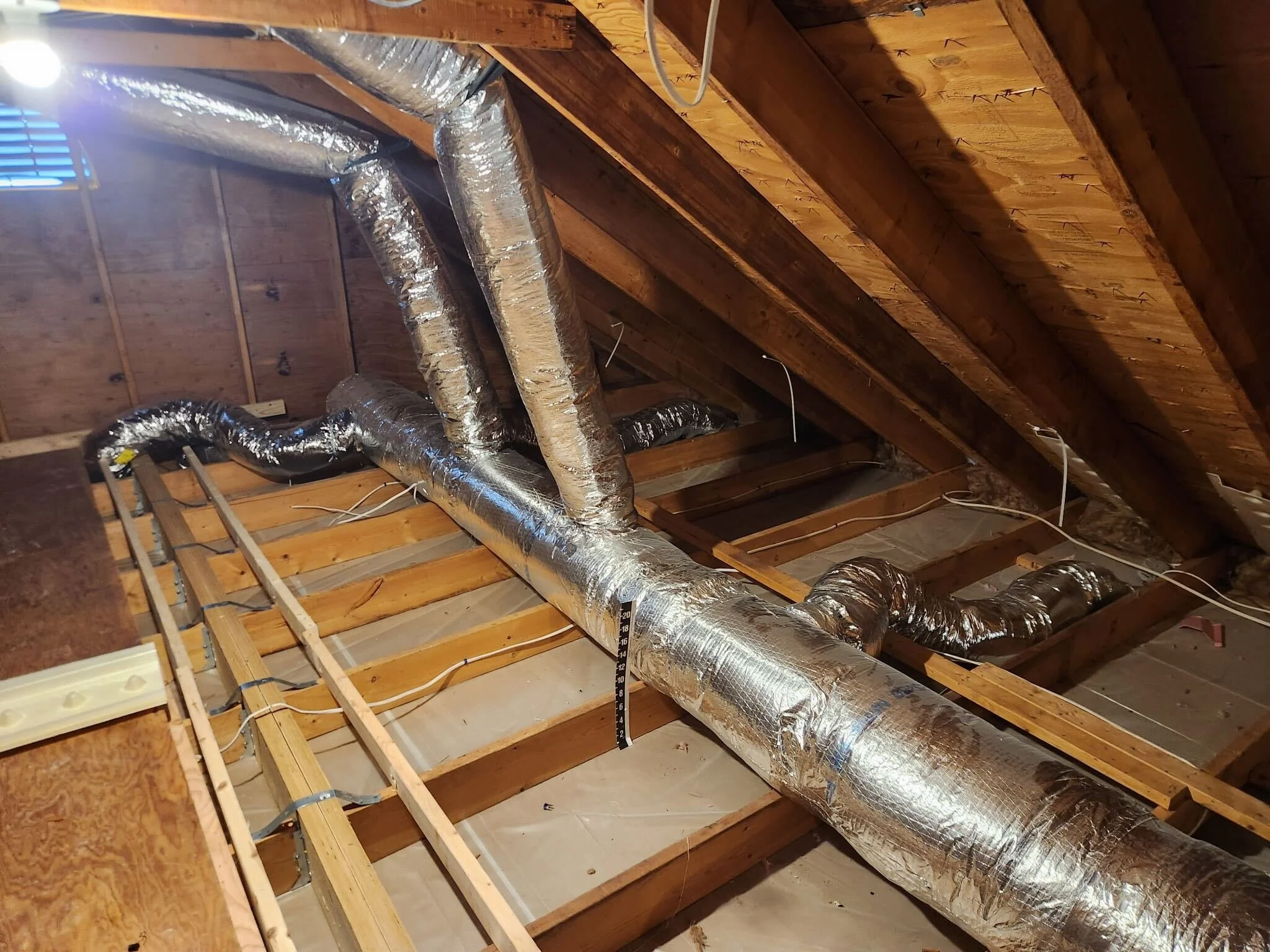
If your attic ductwork isn’t properly designed, heat can stay trapped and make your AC work overtime. A properly installed whole house fan system helps move that hot air out fast. Call J Martin for expert service in Orange County: (714) 462-4686.
When Whole House Fans Don't Make Sense
We're committed to honest assessment, even when it means recommending against whole house fan installation for certain properties. If you live in a humid climate region or your home is surrounded by warmer neighborhoods that don't cool significantly at night, a whole house fan might not deliver expected results. We've served a few customers in inland areas where nighttime temperatures frequently remain above 75 degrees during summer. These homes simply don't benefit enough from whole house fan operation to justify the installation cost.
Similarly, if your home has severe allergies or asthma and you're sensitive to outdoor air quality, whole house fans might create challenges. These systems draw outside air directly into your home, which means any pollen, dust, or air quality issues become more pronounced. Your HVAC filter helps, but whole house fans aren't designed to filter air the way AC systems do. If you have pets that shed significantly or live on a dusty property, running a whole house fan might increase indoor air particle loads unacceptably.
Sealed, modern homes with limited window options present another challenge. Whole house fans require windows or doors to be open for effective operation, and some contemporary homes are designed with minimal openable windows for energy efficiency. If your home can't open windows sufficient to draw adequate outside air, a whole house fan won't pressurize your space effectively. Similarly, if your neighborhood has HOA restrictions against open windows or if you travel extensively during summer months, whole house fan management becomes impractical.
Finally, if your home's attic space is severely compromised—perhaps you have storage cluttering the attic or the space is extremely confined—installation might not be feasible. We evaluate these factors during our assessment and provide honest recommendations. Roughly 90 percent of Orange County homes we evaluate are excellent candidates for whole house fan installation, but we pride ourselves on recommending against installation when it genuinely doesn't make sense for your specific situation.
A Real Orange County Installation: Yorba Linda Case Study
Last October, a Yorba Linda homeowner we'll call Michael contacted us after receiving a $460 air conditioning bill for August. His 2,800 square foot home featured a 20-year-old central AC system that he'd purchased as a fixer-upper two years prior. Summers had become financially stressful because his single-stage compressor ran continuously during hot spells, and his aging unit was becoming unreliable. He didn't have the budget for AC replacement, which would have cost $7,500, but he was desperate for solutions.
During our assessment, we found that Michael's home had reasonable attic space with some existing venting but insufficient coverage for his roof size. His electrical panel had adequate capacity for a new circuit. His home's size and configuration made it an ideal candidate for a Quiet Cool ES-7000 system, though we recommended running it at moderate speed for comfort. We calculated that Michael could realistically run his whole house fan four to five evenings per week in his Yorba Linda location, given local nighttime cooling patterns.
The installation took seven hours and included not only the fan system but also added soffit venting around his home's perimeter to ensure adequate attic air exhaust. Total cost was $6,100, including permits and inspection. The work was completed in mid-October just as cooling season was ending. Michael waited eagerly through winter and spring for summer to arrive so he could test the system's real-world performance.
This past August, Michael's cooling bill was $210—a reduction of $250 from his previous year, despite running his air conditioning for the same duration and maintaining the same temperature setpoint. He'd actively used his whole house fan on five to six evenings weekly during cool periods, as instructed. His September and October bills showed similar improvements. Over a 16-week summer cooling season, Michael saved roughly $1,200 in direct energy costs. He reported that the fan was nearly inaudible running at 40 percent capacity and that he'd grown to enjoy the fresh air circulating through his home during evening hours.
At Michael's installation cost of $6,100 and annual energy savings of approximately $1,500 (accounting for variable summer intensity), his system will pay for itself in roughly four years. More importantly, he's extended his AC system's lifespan significantly by reducing compressor runtime. Instead of replacing that aging unit in two years, he's likely to get another eight to ten years of reliable service.
Getting Your Whole House Fan Installation Started
Spring is the ideal time to schedule whole house fan installation because you'll be ready before summer heat arrives. Our assessment process is thorough, free, and obligation-free. We'll visit your Orange County home, measure your space, evaluate your attic, check your electrical capacity, and provide a detailed itemized quote that explains exactly what the installation includes and what each component costs. We're licensed contractors, Quiet Cool certified installers, and we hold all required permits and insurance. Our team has 50 years of combined HVAC and ventilation experience across more than 2,000 Orange County installations.
If you have questions before booking an assessment, call us at (714) 462-4686. We're happy to discuss whether a whole house fan makes sense for your home, what you can expect from the installation process, and what real costs you're likely to encounter. You can also visit our website at jmartiniaq.com to learn more about our whole house fan services and see detailed information about the Quiet Cool systems we install. We serve Yorba Linda, Anaheim Hills, Brea, Placentia, Villa Park, Fullerton, Tustin, Santa Ana, Irvine, and surrounding Orange County communities.
Installing a whole house fan is one of the smartest energy decisions you can make in Orange County's climate. With nighttime temperature swings routinely reaching 30 to 40 degrees, you have access to free cooling that most of the country can't utilize. J Martin Indoor Air Quality has helped thousands of homeowners reduce summer cooling costs by 50 percent or more through professionally installed Quiet Cool systems. Your home and your budget will both benefit from tapping into this natural cooling advantage.