
Why March Is the Best Time to Replace Your HVAC in Yorba Linda (Pricing + Availability)
Updated on May 15, 2026
We replaced a system in Bryant Ranch last March that had been on the homeowner's to-do list for two years. She'd gotten quotes twice before, once in July and once the following August. Both times, the earliest installation date was three weeks out, and the pricing felt rushed. Both companies came in, spent maybe 20 minutes, gave a number, and left. She told us she just kept putting it off because the whole experience felt like buying a used car.
When she called us in early March, we scheduled her evaluation for two days later. Our technician spent an hour and a half in the home, did a full Manual J load calculation, inspected the ductwork, checked the insulation, and walked her through three different equipment options with detailed pricing for each. We installed her new HVAC system the following week. Total time from first phone call to a fully operational heat pump: nine days. If she'd called in July, that same process would have taken three to four weeks minimum.
This isn't unusual. It's the predictable result of calling during the one window of the year when HVAC companies aren't buried in emergency calls, equipment is readily available, and your project gets the time and attention it actually deserves. That window is right now, and it closes faster than most Yorba Linda homeowners realize.

Most Yorba Linda homeowners start thinking about their HVAC system right before summer. March is when the best pricing and scheduling availability actually happen.
The Yorba Linda Weather Window You're Sitting In
March in Yorba Linda is about as close to perfect HVAC replacement weather as it gets. Average highs sit around 69 degrees. Lows hover near 50. You don't need your air conditioning. You barely need your heater. There might be a few cool mornings where the furnace kicks on briefly, and there might be the occasional warm afternoon that nudges into the mid-70s, but nobody in Yorba Linda is suffering through a March day without climate control.
This matters for two practical reasons. First, being without a working system for a day during installation is a non-event in March. The crew pulls out your old equipment in the morning, installs the new system throughout the day, and commissions it before they leave. During that 6 to 10 hour window, your house sits at a comfortable ambient temperature because the weather outside is already comfortable. Try that same installation day in August, when Yorba Linda routinely hits 95 to 100 degrees and your attic is pushing 140. The crew is working in brutal conditions, your house turns into an oven by noon, and the family has to find somewhere else to be for the day. In March, your kids don't even notice the system is being replaced.
Second, March gives you a full two to three months of mild weather to live with the new system before it faces its first real test. You can learn how the thermostat works, figure out your preferred settings, and identify anything that needs fine-tuning while the stakes are low. If a supply run needs adjustment or you want to tweak the zoning configuration, those calibrations happen during comfortable spring weather rather than during the first 100-degree heat wave when you need everything working perfectly.
By the time June arrives and the real cooling season begins, your new system is fully dialed in and you've been living with it long enough to understand how it performs. That kind of runway doesn't exist when you replace in July because something broke.
Why Summer Replacements Cost More (and Not Just in Dollars)
Most people assume HVAC pricing is fixed. A 4-ton heat pump costs what it costs, right? Not exactly. The total installed cost of an HVAC system includes equipment, labor, materials, permits, and the overhead of the company performing the work. Several of those components shift depending on when you buy.
The biggest factor is demand. The HVAC industry operates on a boom-and-bust cycle that's as predictable as the seasons themselves. From June through September, every HVAC company in Orange County is slammed with emergency calls. Systems that barely survived last summer finally give up. Compressors fail. Capacitors blow. Homeowners who've been limping along with a dying system suddenly can't tolerate 85 degrees in their living room and need a replacement immediately.
During this peak season, HVAC companies are booking installations two to four weeks out. Some of the larger operations in Orange County stretch to five or six weeks during heat waves. Every installation crew is fully booked, every truck is running, and the company is turning away work because there physically aren't enough hours in the day. In that environment, there's zero incentive to discount anything. The phone is ringing off the hook with people who will pay full price today for the earliest available date.
In March, the dynamic flips completely. Installation schedules are open. Technicians aren't racing from one emergency to the next. The company has capacity, and it would rather fill that capacity at a competitive price than sit idle. This is when you see the best equipment pricing, the most flexible scheduling, and the kind of attention to your project that simply isn't possible when a company is processing 40 emergency calls a day.
The pricing difference between a March installation and an August installation for the same system in the same home isn't trivial. Industry data consistently shows that off-season HVAC installations run 10 to 15 percent less than peak-season installations. On a $14,000 system, that's $1,400 to $2,100 in savings. On a $20,000 heat pump installation, that's $2,000 to $3,000. Not because the equipment is different, but because the economics of supply and demand work in your favor when nobody else is calling.
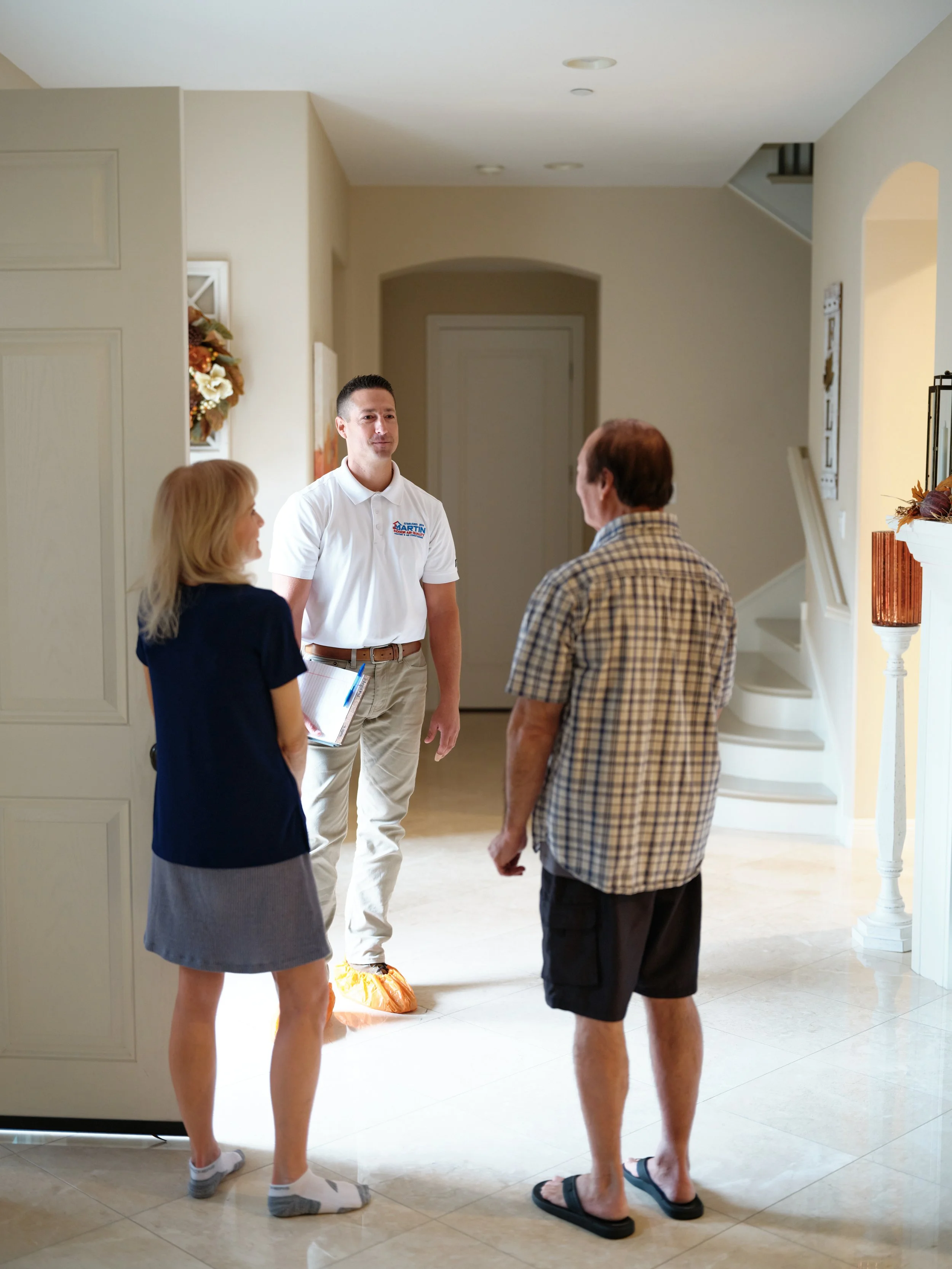
Thinking about replacing your HVAC before summer hits Yorba Linda? A professional in-home evaluation now can save you weeks of waiting when temperatures climb.
And that doesn't account for the less obvious costs of a summer replacement. Taking a day off work because your house is uninhabitable during installation. Eating out because the kitchen is 90 degrees. Staying somewhere else overnight because the crew needs to come back the next morning. A March installation has none of those costs. The crew works in comfortable conditions, finishes in one day (almost always), and you barely notice the disruption.
The Scheduling Advantage Is Bigger Than You Think
The national HVAC industry is facing a technician shortage that's been building for years and shows no signs of easing. Industry associations report over 42,500 job openings annually in HVAC, with roughly 25,000 technicians retiring each year and far fewer entering the trade to replace them. The average age of an HVAC technician in the United States is around 57, which means the workforce is about to lose another massive wave of experienced professionals in the next decade.
What this means for you as a Yorba Linda homeowner is that HVAC companies have fewer installation crews than they did five years ago, and those crews are stretched thinner during peak season. A company that could schedule an installation within a week in 2018 might now need three weeks during summer. The technician shortage doesn't affect quality at J Martin because we've built and retained our team, but it absolutely affects availability industry-wide. And during summer peak, even the best companies are managing a backlog.
In March, our installation calendar is open. We can typically schedule an installation within one to two weeks of the initial evaluation, and in many cases sooner. That means your project gets more time, not less. The evaluation is thorough because the technician isn't watching the clock to get to the next emergency. The installation crew can take their time with ductwork connections, refrigerant line sets, electrical work, and system commissioning. They're not rushing to get to the next job. They're focused on yours.
This is something most homeowners don't think about, but it matters enormously. A typical residential HVAC installation involves 6 to 10 hours of skilled labor. The difference between a crew that has a comfortable day to do the job right and a crew that's working in a 140-degree attic while three more jobs are waiting isn't just about speed. It's about the quality of every duct connection, every wire termination, every refrigerant charge, and every airflow measurement. Small details that affect how well your system performs for the next 15 years. Those details get more attention in March than they ever will in July.
What Yorba Linda HVAC Replacement Actually Costs Right Now
Transparency on pricing is something we take seriously. We published a full breakdown in our 2025-2026 HVAC Replacement Cost Guide for Orange County, and those numbers are current as of early 2026. Here's what you're looking at for a typical Yorba Linda home.
A standard efficiency AC and gas furnace package for a 2,000 to 2,500 square-foot home typically runs $11,500 to $15,500 installed. That includes the outdoor condenser, the indoor furnace or air handler, the evaporator coil, a new thermostat, all labor, materials, permits, and system commissioning. Equipment in this range is typically rated at 14 to 16 SEER2, which represents a significant efficiency upgrade over any system installed before 2015.
A heat pump system for the same home runs $13,000 to $22,000, depending on the efficiency level and whether additional electrical work is needed. Heat pumps replace both your air conditioner and your furnace with a single system that handles heating and cooling. In Yorba Linda's mild climate, where winter lows rarely drop below the mid-40s, heat pumps operate at peak efficiency year-round. They're the most popular choice among our customers right now, and for good reason: operating costs run 30 to 50 percent lower than a traditional AC-plus-gas-furnace setup.
If your home has the deteriorated grey ductwork common in 1970s and 80s tract homes, adding a complete duct replacement runs $4,000 to $12,000 depending on the home's layout and how much redesign is needed. Duct sealing alone, when the ducts are structurally sound but leaking at connections, runs $400 to $2,700. Attic insulation upgrades to bring a home from R-19 to R-30 or higher typically cost $1,500 to $3,500.
These prices represent what you'll pay for quality installation during the spring off-season. By July, the same scope of work from many companies will be 10 to 15 percent higher, and the wait time will be two to four times longer.
The Rebate and Incentive Landscape for 2026
The incentive picture for HVAC replacements shifted at the start of 2026, and it's worth understanding where things stand so you can make an informed decision rather than chasing programs that may no longer apply the way marketing materials from 2024 suggest.
The federal Energy Efficient Home Improvement Credit (Section 25C), which offered homeowners up to $2,000 in tax credits for qualifying heat pump installations, expired on December 31, 2025, for air-source heat pumps. Unless Congress passes new legislation extending these credits, installations completed in 2026 are not eligible for this particular federal tax credit. If you had a system installed before the end of 2025, you can still claim that credit on your 2025 tax return. Geothermal heat pump systems remain eligible for a 30 percent federal tax credit through 2032, but those are a different category of installation that applies to a smaller number of homes.
On the state level, California's HEEHRA program (the federally funded rebate program administered through TECH Clean California) offered substantial rebates of up to $8,000 for low-income households and $4,000 for moderate-income households on qualifying heat pump installations. As of January 7, 2026, the single-family HEEHRA rebate budget for Southern California is fully reserved. That means new applications are being waitlisted, and there's no guarantee that additional funding will become available.
That doesn't mean incentives have disappeared entirely. TECH Clean California's market-rate and equity incentives for heat pump HVAC systems, which launched in July 2025, may still have available budget depending on when you're reading this. Market-rate incentives offer up to $1,500 per unit, while equity incentives (for income-qualifying homeowners) offer up to $4,000. The California Energy Smart Homes program, which provides incentives for energy-efficient home alterations including heat pump installations, is continuing through 2027 with no expected changes to incentive levels.
Manufacturer rebates also cycle throughout the year, and spring is historically when many of the major brands launch their most competitive promotions. Carrier's Cool Cash program, Trane's seasonal rebate offers, and Lennox's national consumer promotions typically offer $150 to $1,800 in factory rebates on qualifying systems, with spring and early summer being the most common promotional windows. These promotions change every few months, so the specific offers available in March may differ from what's running in June or September.
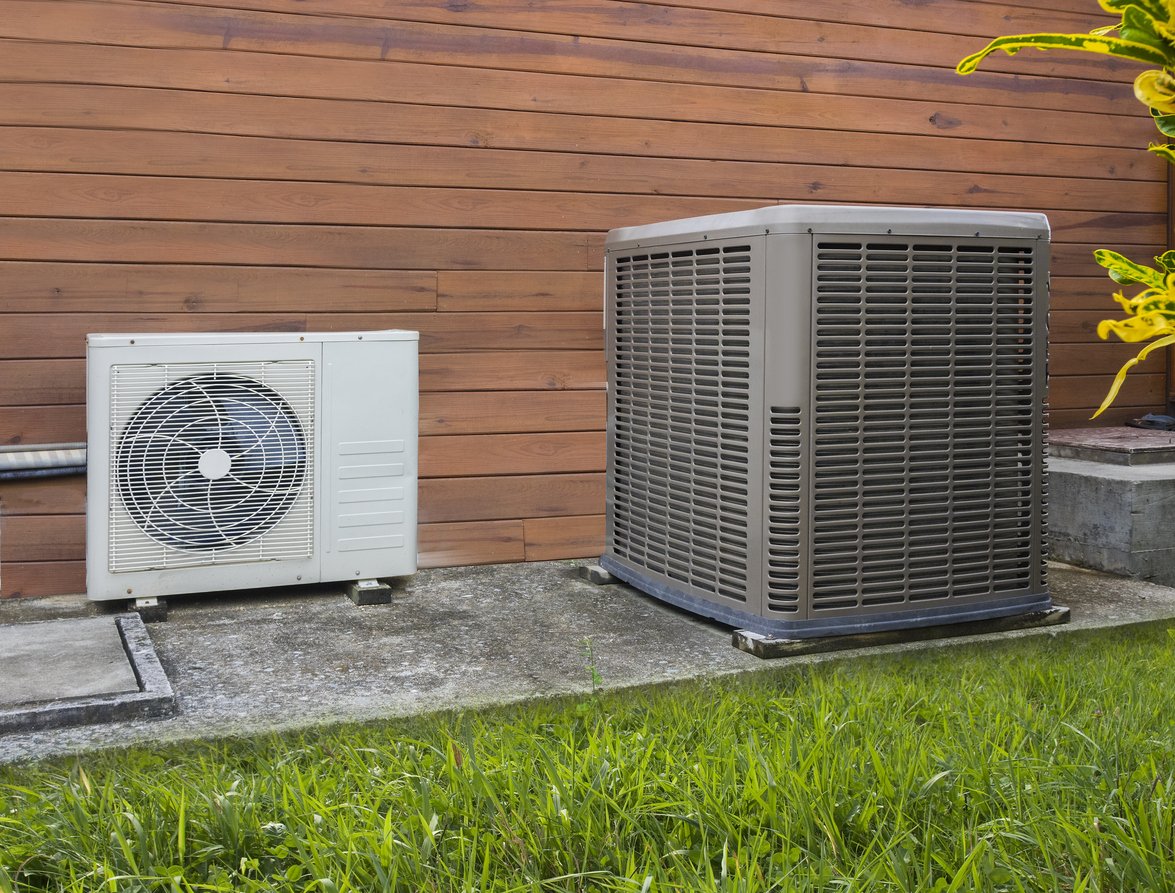
Many Yorba Linda homeowners don't think about their outdoor AC unit until the first heat wave hits. Replacing it in spring avoids emergency breakdowns in July.
The honest bottom line: the incentive landscape is less generous in 2026 than it was in 2024 and 2025, particularly on the federal side. But the equipment itself is more efficient than ever, energy costs in Southern California continue to climb (SCE rates have increased significantly over the past three years), and the operating cost savings from upgrading a 10 to 20-year-old system to modern equipment are substantial enough to justify the investment even without tax credits. A Yorba Linda homeowner replacing a 10 SEER system with an 18 SEER2 heat pump will typically save $1,200 to $2,400 per year in energy costs. Over 15 years, that's $18,000 to $36,000 in savings against an installed cost of $15,000 to $20,000. The math works.
The Emergency Replacement Tax You Don't Want to Pay
There's a hidden cost to waiting that doesn't show up in any pricing guide, and it's the one that hits Yorba Linda homeowners hardest. We call it the emergency replacement tax: the premium you pay in every dimension when your system fails on a 100-degree day and you need it fixed immediately.
When a system dies in July, the homeowner is making decisions under duress. The house is 88 degrees and climbing. The kids are miserable. The pets are panting. Sleep isn't happening. In that state, people don't shop carefully. They don't compare three bids. They don't ask about Manual J calculations or ductwork evaluations. They call the first company that can come out, accept whatever's quoted, and pay whatever it takes to get cool air flowing again. We've seen homeowners pay $2,000 to $4,000 more than they needed to because the urgency eliminated their ability to make a measured decision.
The equipment selection also suffers during emergency replacements. When a system needs to be installed this week, the contractor is limited to whatever equipment is in stock locally. That might not be the best system for your home. It might not be the most efficient option. It might not even be the right size, because there wasn't time to do a proper load calculation. It's whatever's on the shelf that fits the space, and it goes in fast because the clock is ticking.
In March, none of that pressure exists. You have time to get multiple evaluations. You have time to compare equipment options, ask questions, research efficiency ratings, and understand exactly what you're buying and why. You have time to decide whether this is the year to add ductwork improvements or zoning alongside the equipment. You make a clear-headed decision with full information instead of a panicked decision with incomplete information.
The homeowners who call us in March almost always end up with better-matched, more efficient systems installed with more attention to detail, at lower prices, than the homeowners who call us in August with a dead compressor and a house full of hot air. Not because we treat anyone differently, but because the circumstances allow for a fundamentally better process.
Why Your Ductwork Should Be Part of This Conversation
If you're going to replace your HVAC system, March is also the ideal time to address the ductwork, and in many Yorba Linda homes, this is the upgrade that makes the biggest difference in actual comfort.
We've written extensively about the grey ductwork disaster in 1970s and 80s tract homes and the impact of ductwork on homes in Anaheim Hills and the inland valleys. The short version: if your home was built before 1990 and the ductwork has never been replaced, there's a very good chance it's leaking 30 to 50 percent of your conditioned air into the attic. Putting a brand new high-efficiency system on deteriorated ductwork is like upgrading your car's engine but leaving the tires flat. You've paid for performance you'll never actually receive.
Combining ductwork replacement with equipment replacement during a March installation is more cost-effective than doing them separately. The crew is already in the attic. The system is already being disconnected and reconnected. Adding duct replacement to the scope of work during the same visit saves on labor costs compared to scheduling it as a separate project, and it means the new system is properly matched to the new ductwork from day one.
The same logic applies to attic insulation. If the crew is already up there replacing ducts, adding blown-in insulation to bring your attic from R-19 to R-30 or higher is a relatively modest addition to the project that pays dividends for decades. Better insulation means the new equipment runs less, which reduces energy costs and extends the system's lifespan. We've seen homeowners save enough on their energy bills from a combined duct-insulation-equipment project to recover the insulation cost within two to three years.
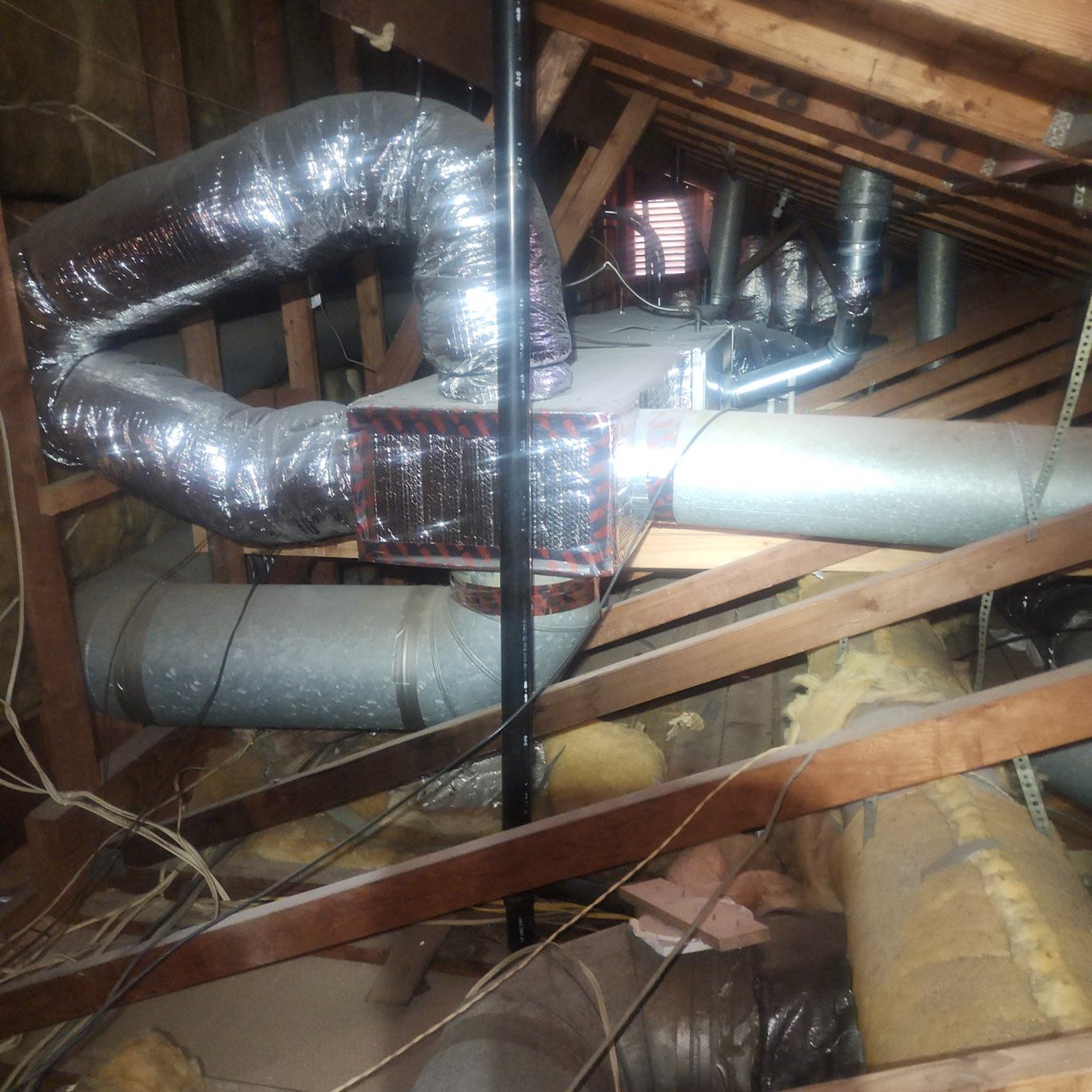
Many Yorba Linda HVAC problems start in the attic. Replacing an aging system before summer helps avoid emergency breakdowns during the hottest months.
The Two-Story Question: Why March Is the Time to Fix It
If you live in a two-story Yorba Linda tract home and your upstairs has always been miserable in summer, March is the moment to solve that problem for good. Not just with a new system, but with the zoning, ductwork improvements, or supplemental cooling that the upstairs-downstairs temperature problem actually requires.
The reason March matters for two-story homes specifically is that the right solution often involves more than just equipment. It might involve adding a zoning system with motorized dampers and a second thermostat ($2,000 to $4,000 installed during a system replacement). It might involve running additional or larger supply ducts to upstairs bedrooms. It might mean adding a ductless mini-split in the bonus room or master bedroom to handle the highest-demand space independently.
All of these solutions require design time, evaluation time, and installation time that simply isn't available during a peak-season emergency replacement. In March, we can evaluate the home thoroughly, model different solutions, explain the trade-offs, and install a comprehensive system that actually solves the problem rather than just replacing one inadequate system with a newer inadequate system. By the time summer arrives, every room in the house is comfortable for the first time, instead of discovering in August that the new system still can't handle the upstairs.
Signs Your System Won't Make It Through Another Summer
You might be wondering whether your current system really needs replacement, or whether it can survive another year. Here are the indicators that tell us a system is on borrowed time.
Age is the most straightforward factor. If your system is 12 to 15 years old, it's entering the end of its expected lifespan. If it's 15 years or older, every year is a bonus year, and the question isn't whether it will fail but when. Furnaces from this era operate at 60 to 80 percent efficiency compared to 80 to 98 percent for modern equipment, and air conditioners rated at 10 to 13 SEER compared to 14 to 20+ SEER2 for current models. Even if the old system runs for another year, it's doing so at dramatically higher operating costs.
Refrigerant type matters. If your system uses R-22, you're operating on an obsolete refrigerant with sharply declining availability and rapidly rising costs. A single refrigerant leak and recharge can cost $900 to $2,500 for R-22 in 2026, and that money goes toward keeping an old system alive rather than investing in a new one. We covered the complete refrigerant timeline in our R-410A Phase-Out guide.
Repair frequency tells a story. If you've had two or more repairs in the past 18 months, the system is announcing its intention to fail. Capacitor replacements, contactor replacements, fan motor replacements, and refrigerant recharges are the slow prelude to a compressor failure, which is the expensive one. Spending $800 to $1,500 on repairs for a system that's going to need replacement within a year or two is money you could apply toward new equipment instead. If you're trying to figure out exactly where that line falls for your system, our repair-or-replace decision framework walks through the seven factors that determine whether a repair is worth it or whether you're throwing money at a system that's done.
Performance decline is often the clearest signal. If your system ran fine three summers ago but struggled last summer, the trend line is pointing in one direction. If the AC is making noises it didn't use to make, that's mechanical deterioration in progress. If your energy bills have been climbing year over year despite no change in your habits, the system's efficiency is degrading. If you've been dealing with uneven temperatures between floors or short cycling that's gotten worse, the underlying problems are progressing.
These are all signs that point to the same conclusion: replacement is coming. The only question is whether it happens on your terms in March, with time to plan and choose wisely, or on the system's terms in August, with your family sweating and your options limited.
What the Evaluation Process Looks Like
When you call J Martin for an HVAC replacement evaluation, here's what actually happens, so you know what to expect and can compare it to whatever other companies offer.
We schedule a visit and send a technician to your home for a thorough evaluation. This is not a 20-minute sales call. It's a 60 to 90-minute assessment that includes a Manual J load calculation for your specific home, an inspection of your existing ductwork and insulation, static pressure testing to measure airflow through the current system, a review of your current equipment's condition and efficiency, and a conversation about your comfort goals, budget, and priorities.
From that evaluation, we develop equipment recommendations sized specifically for your home. Not sized by rule of thumb. Not matched to whatever was there before. Sized based on your home's actual cooling and heating loads, which account for insulation levels, window count and orientation, sun exposure, ductwork condition, and Yorba Linda's specific climate data. If you're on a hillside in the eastern part of the city near Carbon Canyon, your load calculation will be different than a home on the western side near Placentia, because the solar exposure and wind patterns differ.
We present multiple options at different price points and efficiency levels, explain the trade-offs, and answer every question. We also identify any ductwork, insulation, or zoning work that would significantly improve the system's performance and present those options with clear pricing. You get everything in writing, take as much time as you need, and make a decision without any pressure.
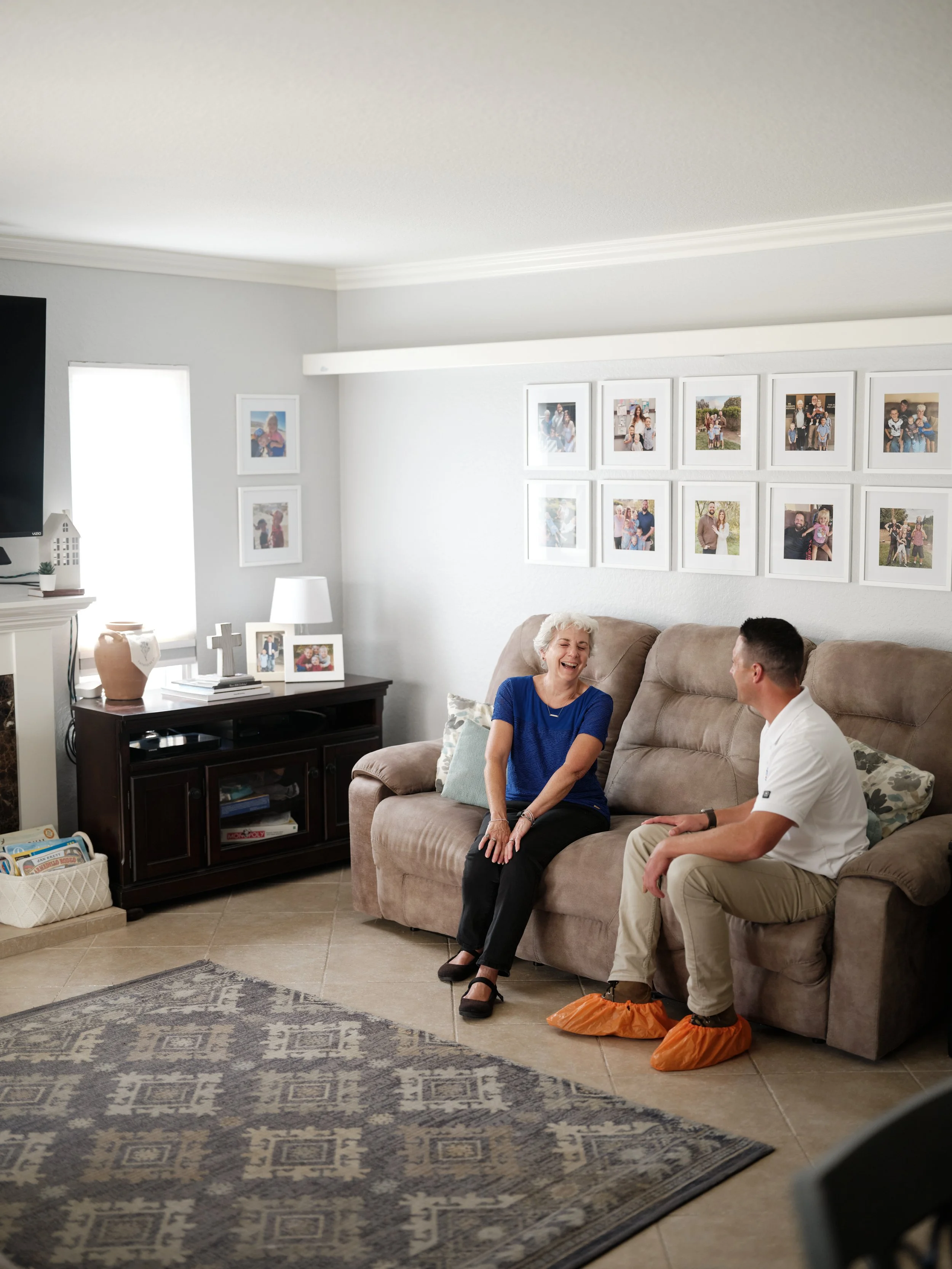
We hear this a lot from Yorba Linda homeowners: 'Our system still works, but we know it's getting old.' Spring is the best time to evaluate replacement before it becomes an emergency.
If you choose to move forward, we schedule the installation at a time that works for you. In March, that's typically within one to two weeks. The installation itself takes one day for a standard equipment replacement and one to two days if ductwork replacement is included.
The Window Is Open Right Now
Here's the thing about the March HVAC replacement window: everybody knows about it, and nobody acts on it. Homeowners tell themselves they'll deal with it in March, then March arrives and they think, "The system's still running, I'll wait a little longer." Then April passes. Then May. Then the first heat wave in June hits and the system struggles. By July it's dead, and they're calling in a panic, paying more, waiting longer, and getting less attention than they would have three months earlier.
The homeowners who actually pull the trigger in March are the ones who save the most money, get the best installation experience, and walk into summer knowing their home is ready. They're not anxious when the first 95-degree day arrives. They're not crossing their fingers every time the system kicks on. They're comfortable, confident, and ahead of the curve.
Every spring, we have a handful of weeks where our schedule is open enough to give your project the time it deserves. That window starts closing in April as the weather warms and the early-season emergency calls begin trickling in. By mid-May, we're transitioning into summer mode. By June, we're triaging.
If your Yorba Linda home has a system that's aging, inefficient, running on R-22, struggling with the upstairs-downstairs problem, sitting on deteriorated ductwork, or showing any of the warning signs we've described, this is the month to make the call.
J Martin Indoor Air Quality has been installing HVAC systems in Yorba Linda and Orange County since 2014. We're family-owned, nobody here works on commission, and we've built our 4.97-star reputation by telling people the truth about what their home needs. Give us a call at 714-462-4686. We'll schedule an evaluation, tell you exactly what we find, and give you clear options with honest pricing. No pressure, no surprises, and right now, no three-week wait.
J Martin Indoor Air Quality | (714) 462-4686 | Services