

THE LATEST ON THE BLOG
Welcome to the J Martin Blog
Your go-to guide for a healthier, comfier home, one expert tip at a time!
HVAC Tax Credits in 2026: What Orange County Homeowners Can Actually Claim
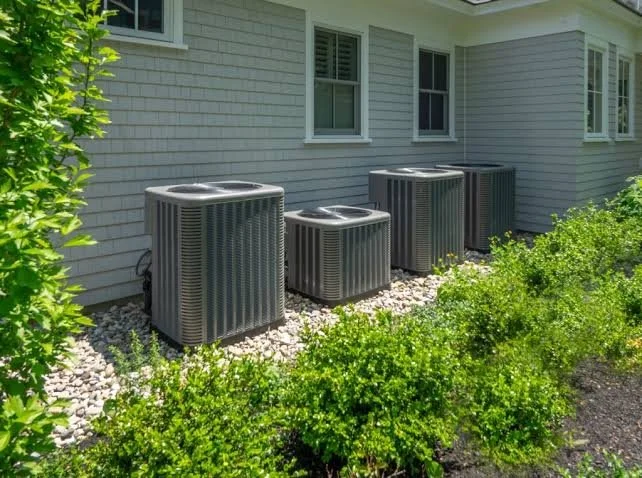
Federal HVAC tax credits officially ended on December 31, 2025, closing the door on Section 25C and Section 25D for any equipment installed in 2026. Homeowners who beat the deadline can still claim up to $3,200 on their 2025 return, but for 2026 installs, the savings now come from a different stack: California utility rebates through SCE, SoCalGas, and Anaheim Public Utilities, along with 0% GoGreen financing for qualifying households. This guide breaks down exactly what disappeared, what is still available, and how Orange County homeowners can realistically stack the remaining rebates on a heat pump, furnace, or AC replacement in 2026.
How to Prepare Your Heater for Winter in Orange County (2026 Guide)
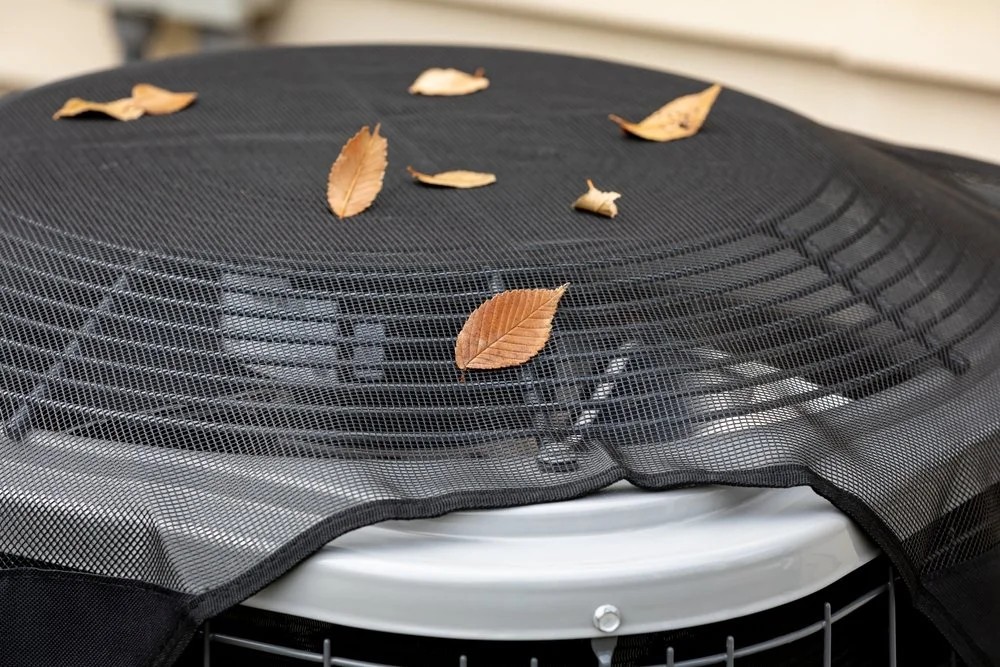
Preparing your heater for winter in Orange County comes down to six tasks best completed in October, before the first cold snap arrives: replace the air filter, run a 30-minute pre-season test cycle, clear an 18-inch safety zone around the furnace, schedule a professional tune-up, test every carbon monoxide detector, and reset the thermostat from cooling to heating mode. Orange County furnaces sit idle for seven months out of the year, which means dust, dried-out bearings, and minor wear go unnoticed until the first cold night forces the system to perform on demand. A $129 tune-up in October catches those problems on a scheduled weekday visit. Waiting until the first November cold snap often means an after-hours emergency call that costs three to five times more for the same repair.
New HVAC System in Brea: What to Expect in 2026
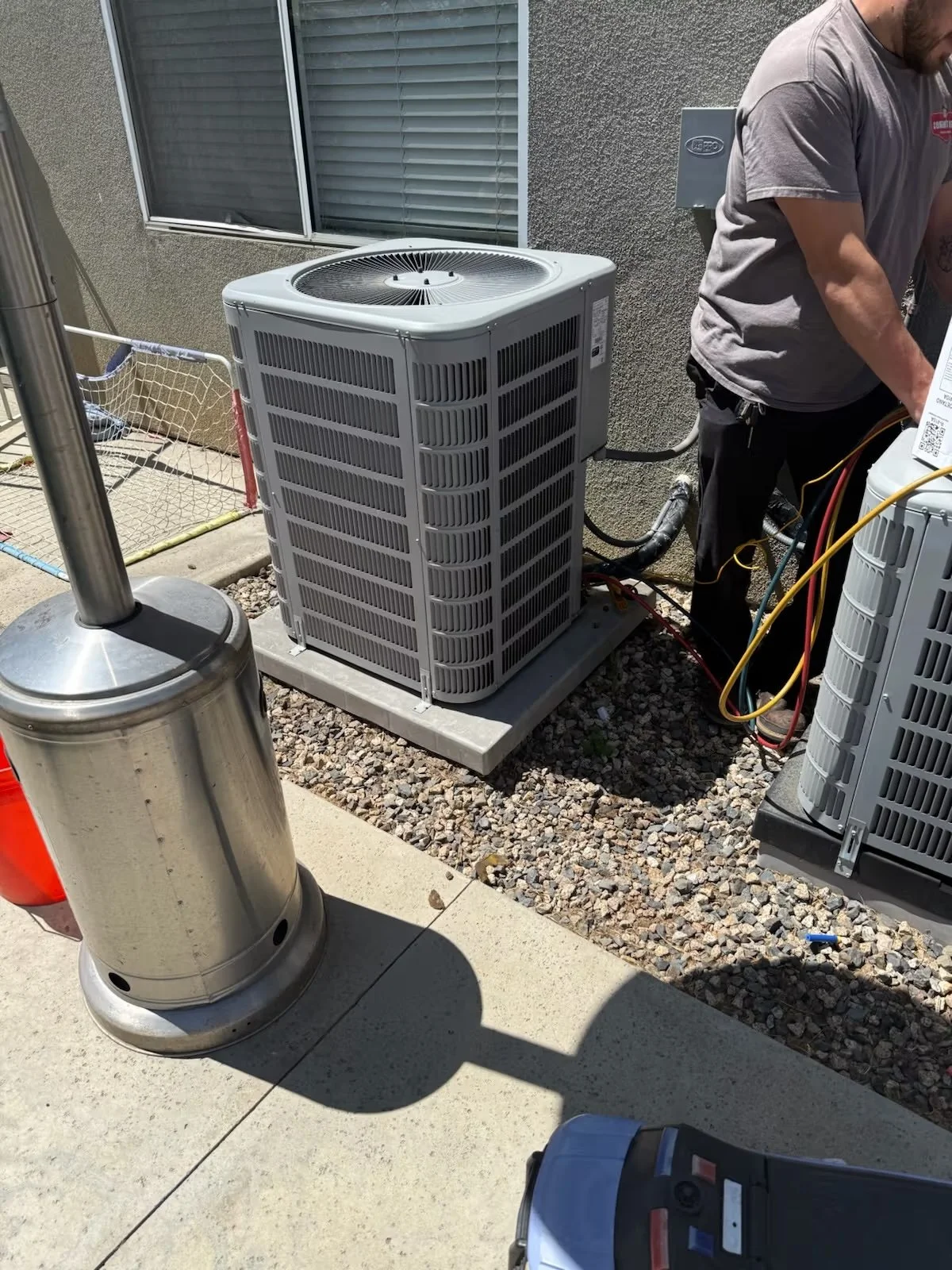
New HVAC systems in Brea now run $9,500 to $22,000, with most 1,800 to 2,500 square foot homes landing between $13,500 and $16,500 once equipment, labor, permits, and the 2025 R-454B refrigerant transition are factored in. This guide breaks down 2026 pricing by home size and equipment tier, explains why Brea costs more than coastal Orange County, compares traditional AC-and-furnace setups against heat pumps and dual-fuel hybrids, and walks through what a typical install week looks like from permit to inspection.
Heat Pump Installation in Anaheim Hills: The Complete 2026 Guide
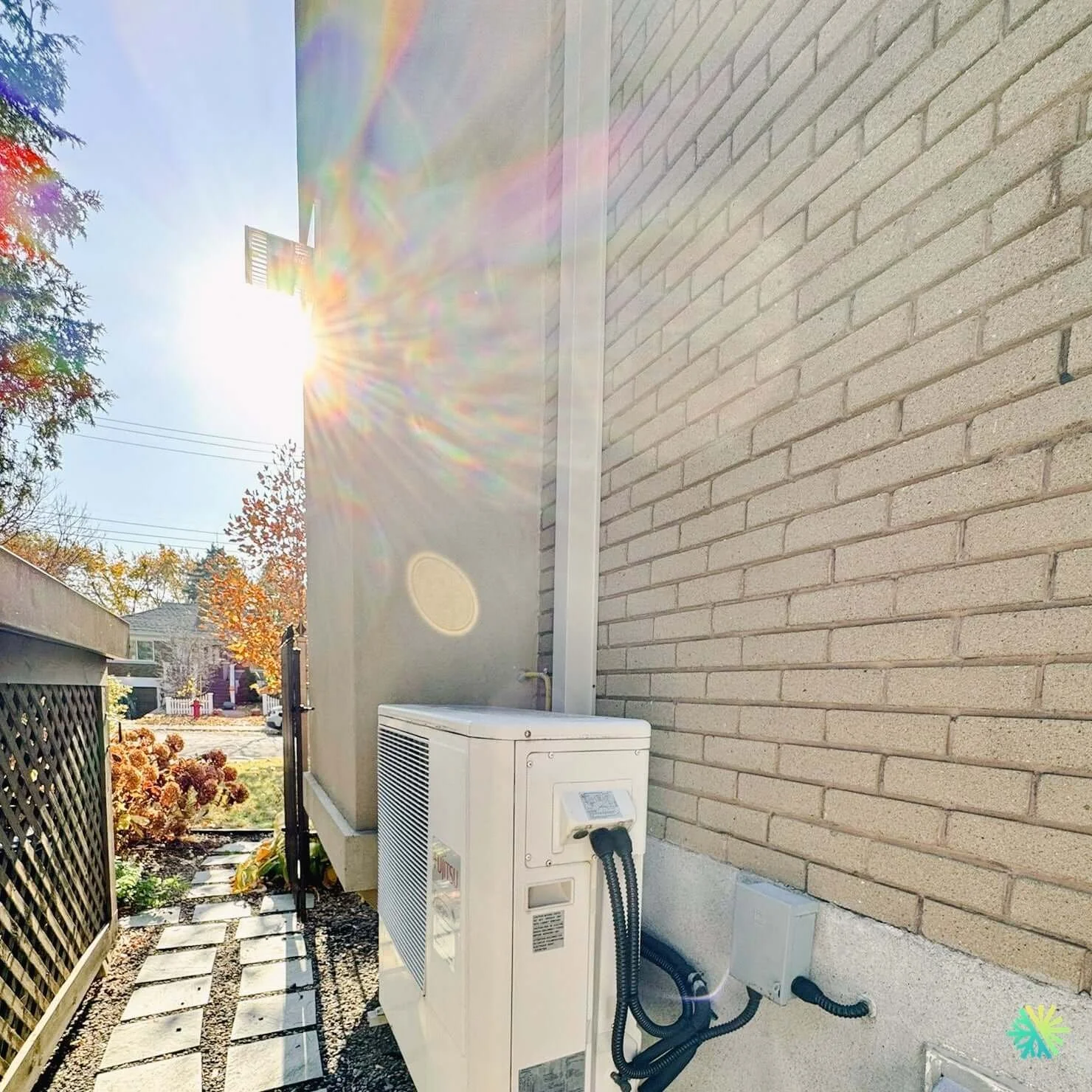
Heat pump installation in Anaheim Hills runs $14,000 to $28,000 fully installed in 2026, but the range depends heavily on the foothills themselves. Elevation, inland heat, and south- and west-facing sun exposure mean a home that would need 3 tons near the coast often needs 4 or 5 tons here, and 1970s and 1980s ductwork on original tract homes adds its own cost variables. This guide breaks down real 2026 pricing by system size, what changed with the R-454B refrigerant switch, which brands hold up best in foothill conditions, and what the install process actually looks like from first call to commissioning.
Best HVAC Company in Fullerton: How to Choose in 2026
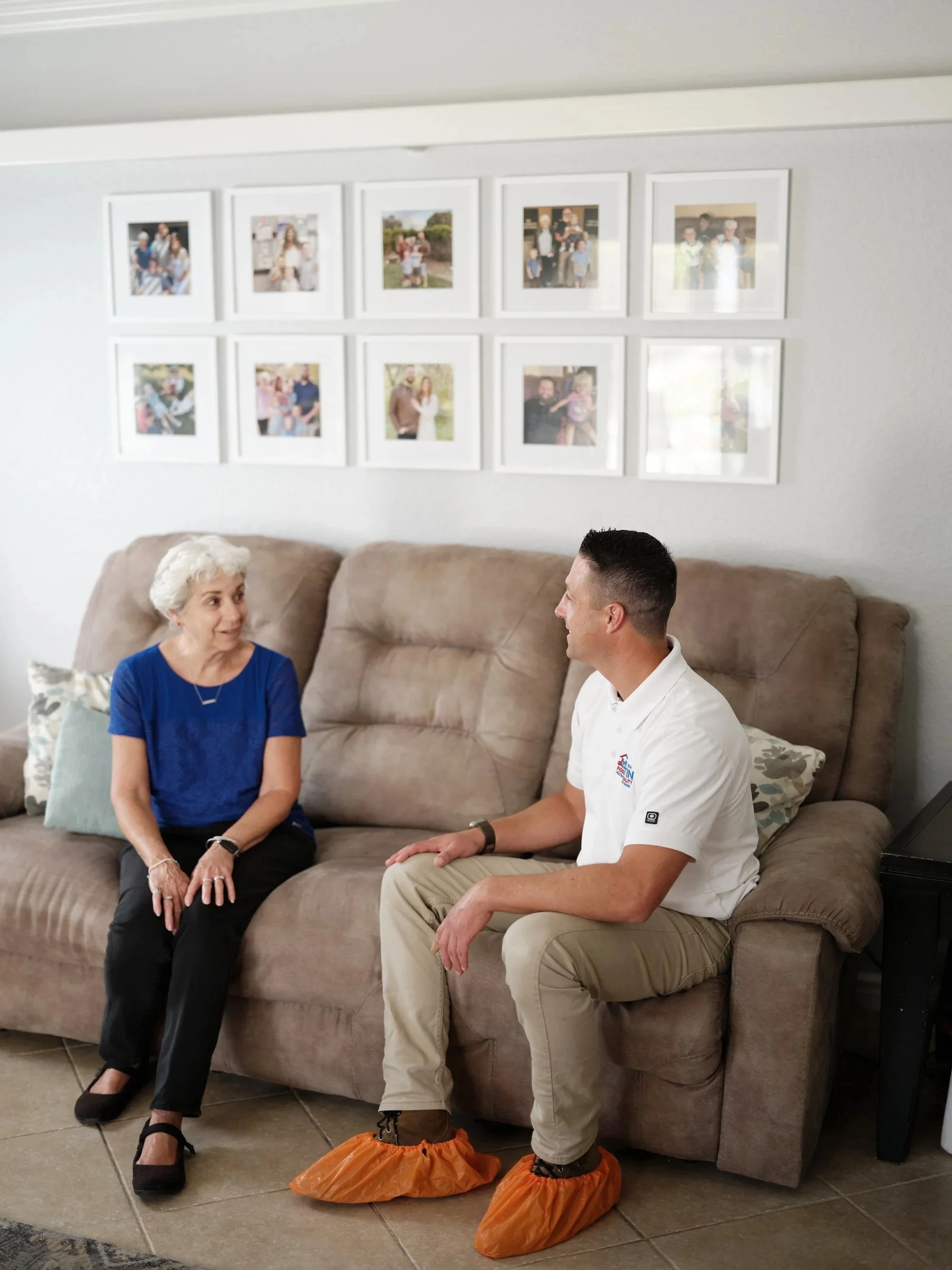
Fullerton's housing stock tells a story most homeowners never think about until their HVAC system fails on a 98-degree afternoon. Nearly half the city's homes were built between 1950 and 1969, which means thousands of properties are running modern equipment through ductwork designed for a different era entirely. This guide breaks down the six things every Fullerton homeowner should verify before hiring an HVAC company, from checking a contractor's C-20 license on cslb.ca.gov to understanding the difference between a manufacturer's parts warranty and a labor warranty. Whether you're comparing quotes for a full system replacement or just trying to figure out why your upstairs bedroom never cools down, knowing what separates a trustworthy contractor from a red flag can save you thousands of dollars and a whole lot of frustration.
Wildfire Smoke and Your HVAC System: Orange County Protection Guide (2026)
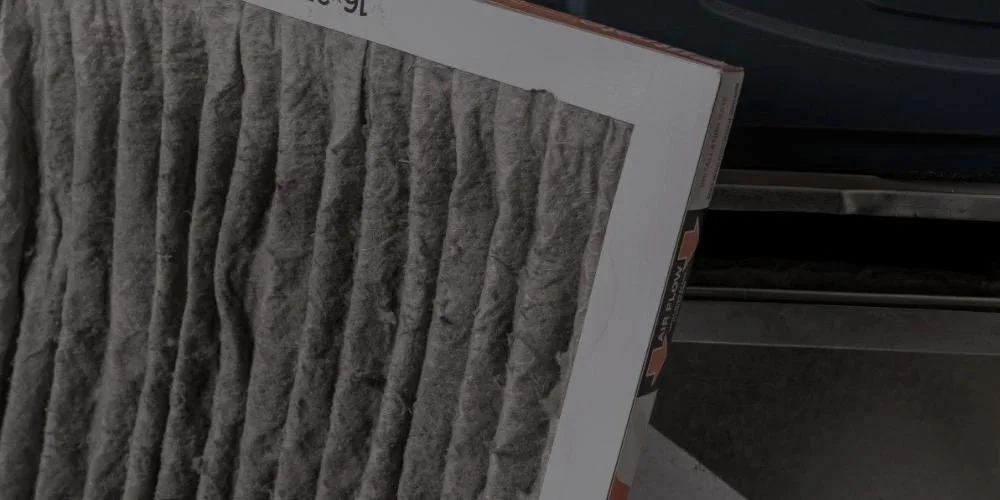
During wildfire season, your HVAC system can either protect your home or actively pull smoke inside through leaky ductwork and standard filters. This guide breaks down the five most effective steps Orange County homeowners can take, from upgrading to a MERV 13 filter to sealing ductwork and adding HEPA purification, along with real costs and what each option actually accomplishes against PM2.5 particles.
UV Light Air Purifier for HVAC: Are They Worth It in Orange County?
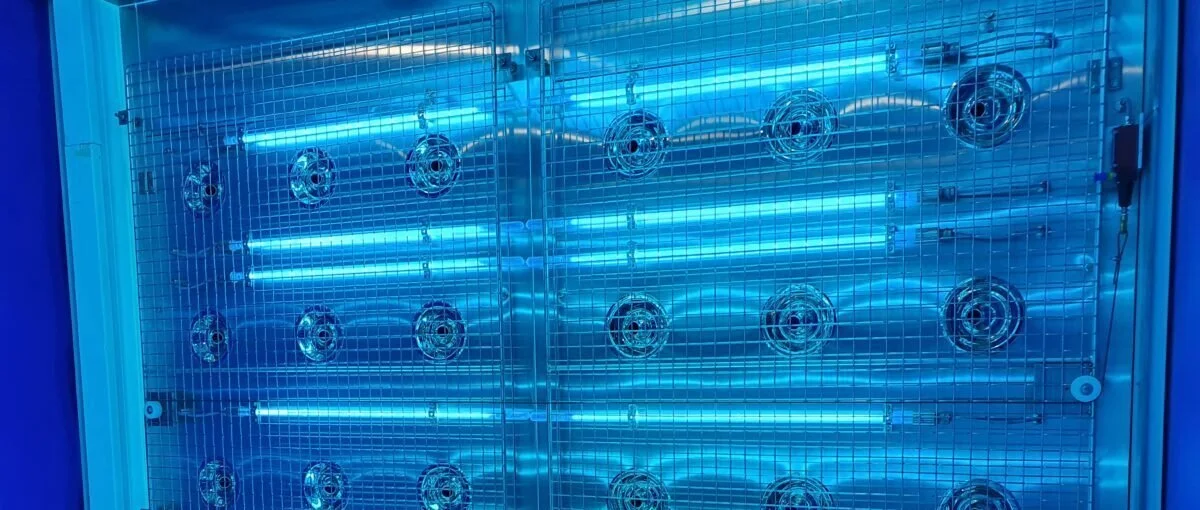
UV-C light installed inside your HVAC system costs between $450 and $1,500 in Orange County, and for homeowners dealing with recurring coil mold, musty odors, or allergy symptoms that filter upgrades haven't solved, it's often worth the investment. But UV-C isn't a fix-all. It kills mold, bacteria, and viruses on contact, but it won't remove dust, pollen, or pet dander, and it can't make up for dirty ducts or an inadequate filter. This guide breaks down the three types of HVAC UV systems available, what each one actually does, real costs for 2026, and the specific situations (from coastal humidity to homes with pets) where UV-C earns its price tag, plus when your money is better spent elsewhere first.
HEPA Filters vs MERV Filters: What Orange County Homeowners Should Know in 2026
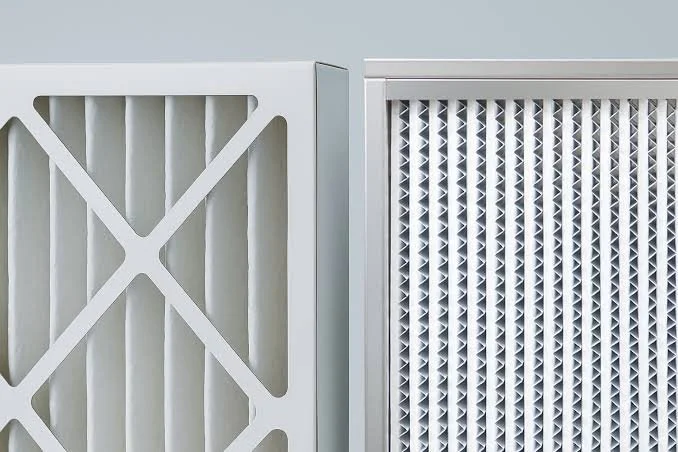
For most Orange County homes, a MERV 13 filter installed in your existing HVAC system offers better overall protection than a standalone HEPA unit, and it costs a fraction as much. True HEPA captures 99.97% of particles at 0.3 microns, but it's too dense for a standard residential air handler, and forcing one into your furnace risks blower motor damage, frozen coils, and costly repairs. This guide breaks down what each filtration level actually captures, when MERV 13 is enough, and when a HEPA bypass system or portable purifier is worth the investment.
Air Purifier vs HVAC Filter: Which Is Better for Orange County Allergies in 2026?
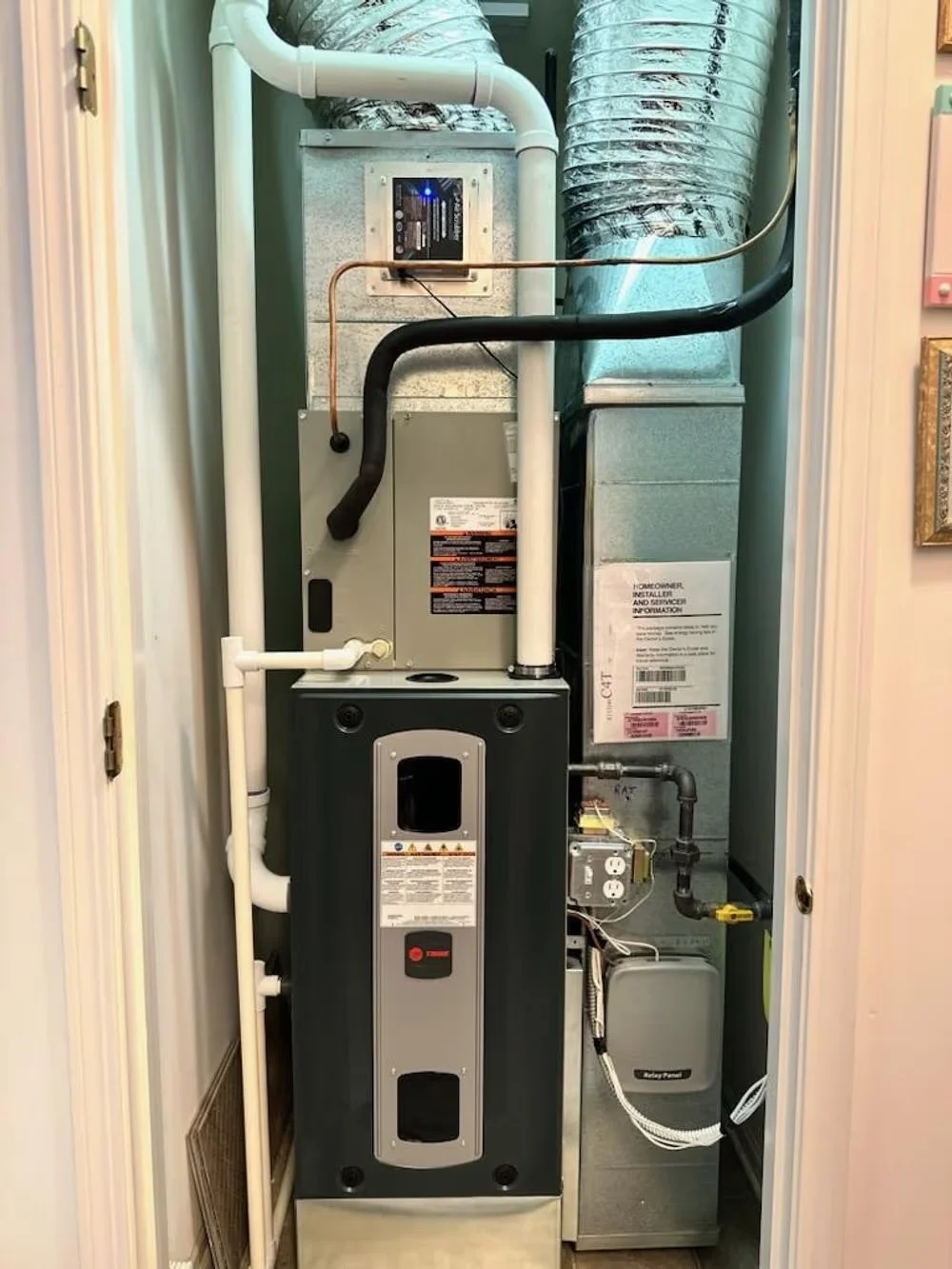
For most Orange County households, the most cost-effective allergy relief strategy starts with the HVAC filter, not a standalone air purifier. Upgrading to a MERV 13 filter in a 4-inch media cabinet captures 75% to 90% of pollen, dust mite debris, pet dander, and mold spores across every room in your home for $200 to $400 installed and $80 to $150 per year in replacements. Adding a portable HEPA unit in the master bedroom brings that coverage to 99.97% in the room where you spend eight hours breathing deeply. In a region where oak pollen, Bermuda grass, Santa Ana wind dust, and coastal mold keep allergen levels elevated year-round, that two-layer approach delivers the broadest protection for the lowest total cost.
How Many BTUs Do I Need for My Mini Split? Orange County Sizing Guide (2026)
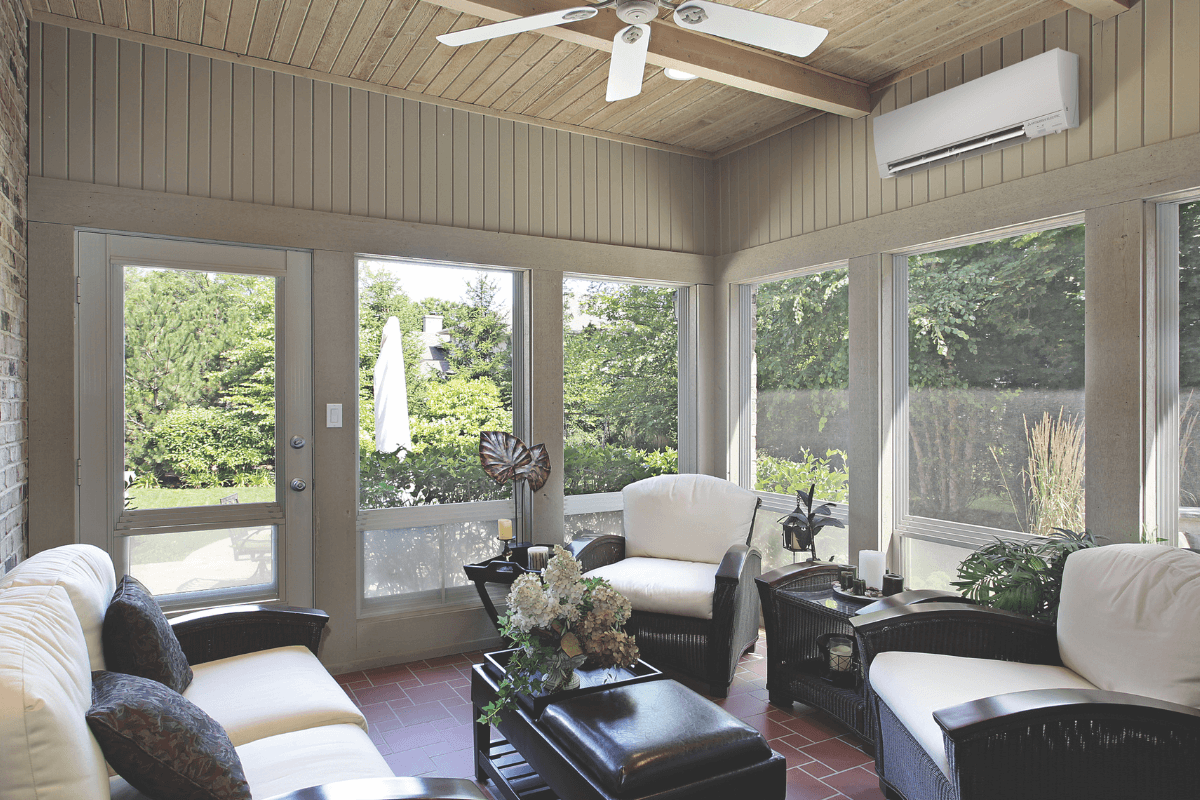
Most single-zone mini splits in Orange County need between 9,000 and 24,000 BTUs, but the right number depends on more than square footage alone. Window orientation, insulation quality, ceiling height, and the difference between a coastal breeze and an inland heat wave can all push the BTU requirement up or down by 20 percent or more. This guide breaks down the sizing formula, walks through a room-by-room BTU chart, and explains why a professional Manual J load calculation almost always beats an online calculator for getting it right the first time.
Mini Split for Garage Conversion in Orange County: The Complete 2026 Guide
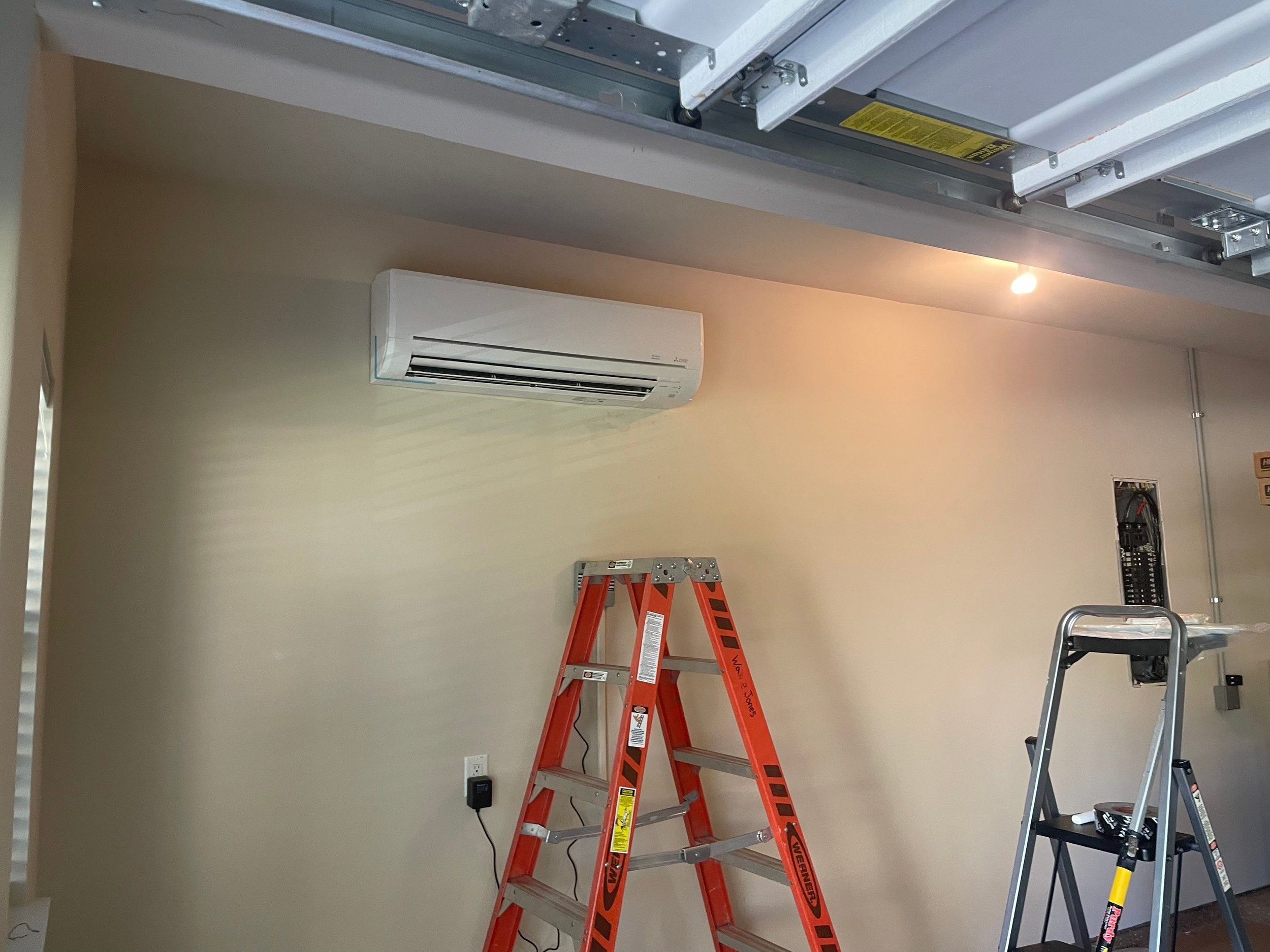
Converting a garage into livable space is one of the most practical investments an Orange County homeowner can make in 2026, and the single biggest question most people face is how to heat and cool a room that was never designed to be comfortable. A ductless mini split is the answer. It sidesteps the ductwork problem entirely, provides both heating and cooling in one system, uses 50 to 60 percent less electricity than a window AC, and can be installed in a single day. This guide covers everything you need to know before starting a garage conversion in Orange County: how to size the system correctly, why insulation has to come first, what the installation costs, which brands perform best, and how to navigate permits and Title 24 compliance so your conversion is done right from the start.
Best Mini Split Brands for Orange County's Climate in 2026
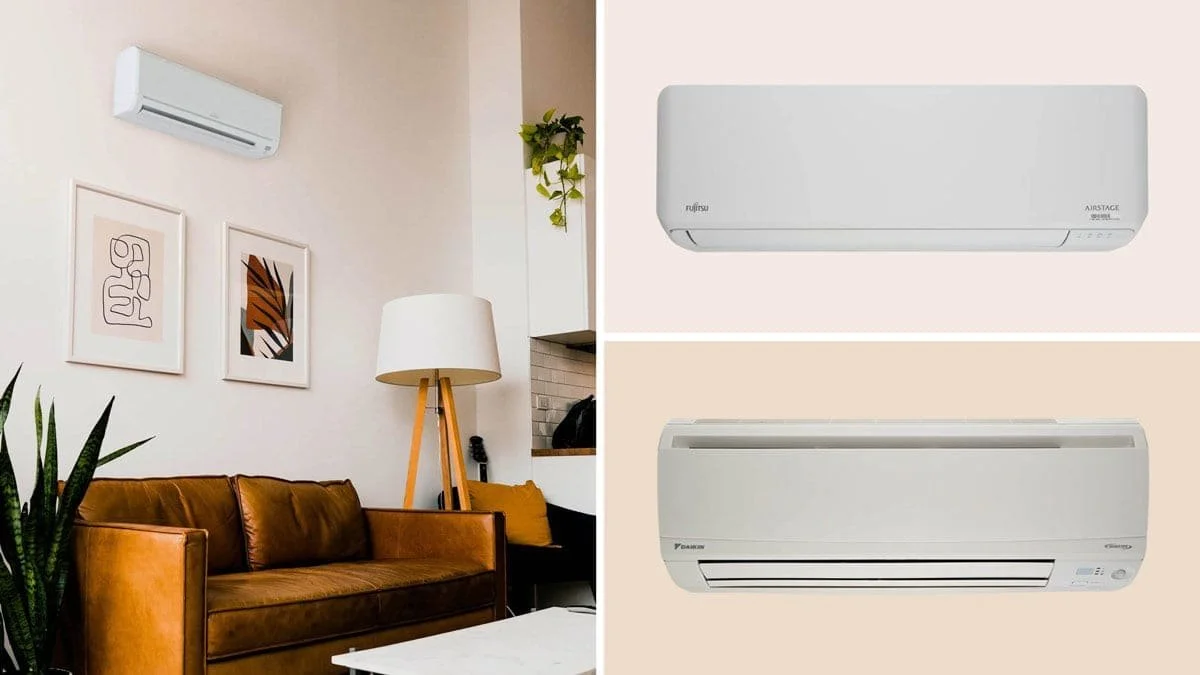
Daikin, Mitsubishi, and Fujitsu are the three best mini split brands for Orange County homes in 2026, and choosing between them comes down to your space, your budget, and what you are trying to solve. Daikin offers the best overall value with SEER2 ratings up to 22.5, R-32 refrigerant that meets California's 2026 requirements, and a 12-year warranty through a certified installer. Mitsubishi leads in premium performance with ratings up to 33.1 SEER2, the widest range of indoor unit styles, and near-silent operation as low as 19 decibels. Fujitsu sits in the middle, delivering efficiency up to 33.1 SEER2 at a price point slightly below Mitsubishi, making it the brand we reach for first in bedrooms, nurseries, and home offices where quiet operation matters most. This guide breaks down each brand's strengths, weaknesses, warranty structure, and best applications for Orange County's specific climate conditions so you can make a confident decision before signing a contract.
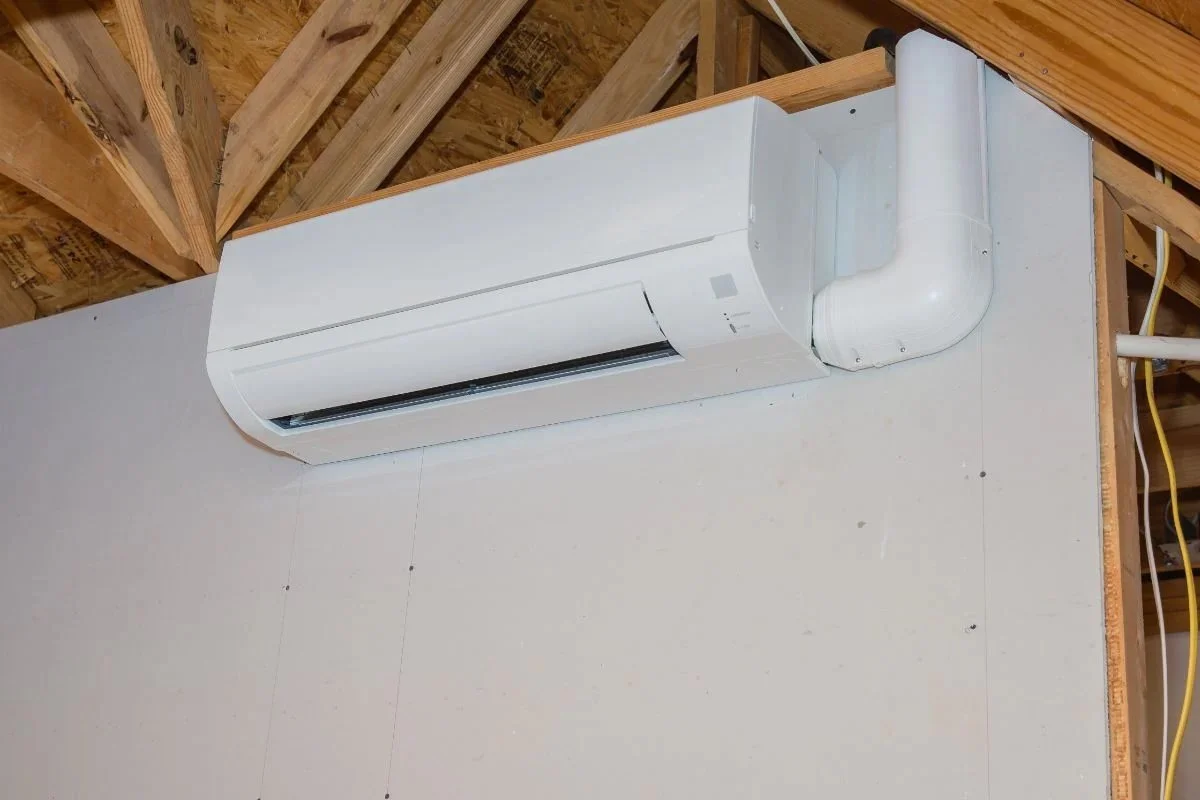
Mini Split Installation Cost in Orange County: 2026 Real Pricing
A single-zone ductless mini split installation in Orange County costs $3,000 to $5,500 in 2026, with most homeowners landing around $4,000 for a fully installed 12,000 BTU wall-mounted system. That price includes the equipment, refrigerant lines, a dedicated 240-volt electrical circuit, city permits, and professional installation. Multi-zone systems serving two to four rooms run $5,000 to $13,000 depending on the number of indoor units, the brand, and how complex the line set routing turns out to be. This guide breaks down exactly what drives the price up or down, how Daikin, Mitsubishi, and Fujitsu compare on cost and efficiency, where mini splits make the most sense in Orange County homes, and how to make sure the quote you receive reflects the actual cost of your specific installation.
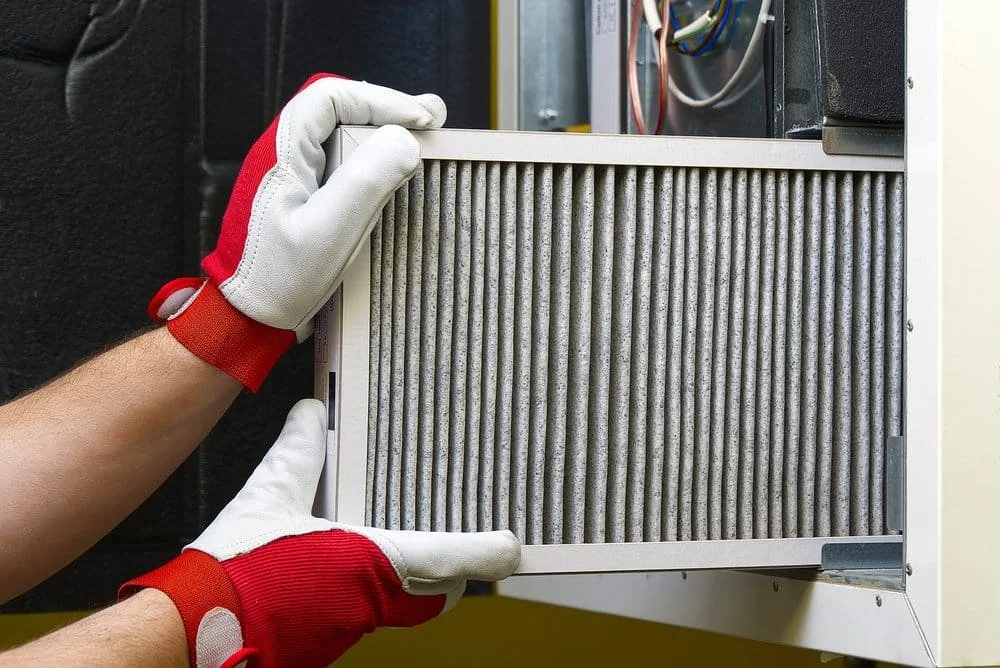
Fall HVAC Maintenance Checklist for Orange County Homes (2026)
Fall is the most critical maintenance window of the year for Orange County HVAC systems, and most homeowners don't realize it until something breaks. The moment temperatures drop and you switch from cooling to heating mode, Santa Ana winds arrive with fine dust, wildfire ash, and particulates that overwhelm a standard filter in days. This guide covers everything Orange County homeowners need to do before October, from the DIY tasks you can handle yourself to the professional safety checks that catch cracked heat exchangers and failing ignitors before they become mid-winter emergencies.
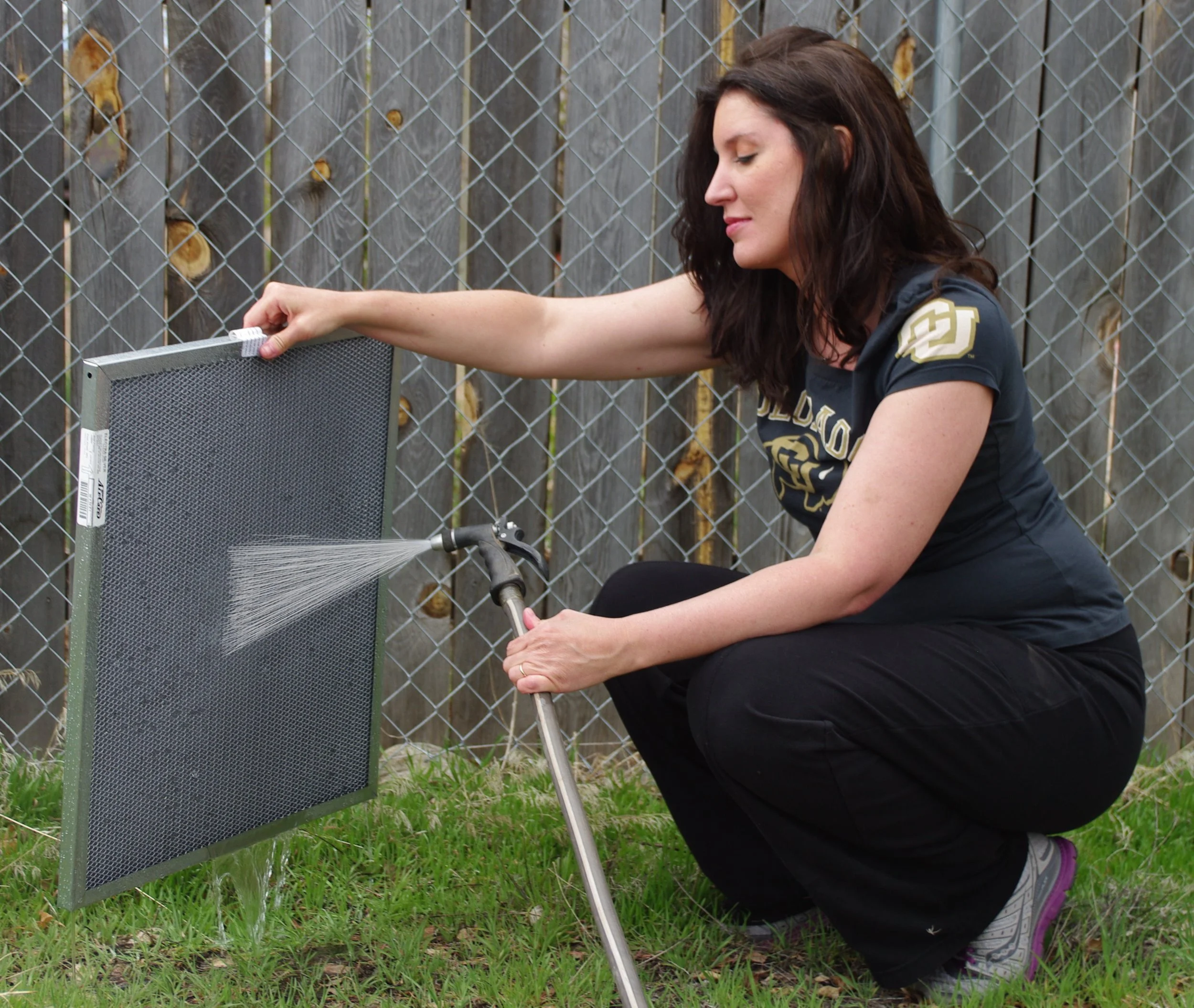
When to Replace Your AC Filter vs Clean It (2026 Guide)
Most AC filters are designed to be replaced, not cleaned, and knowing the difference can save Orange County homeowners from costly HVAC repairs. Standard disposable pleated filters with cardboard frames should be swapped out every 30 to 90 days depending on pets, allergies, and how hard your system runs. Washing or vacuuming them damages the fiber structure, removes the electrostatic charge, and can introduce mold risk if the filter goes back in damp. The only filter you can rinse and reuse is a washable electrostatic type with a rigid metal frame, and those carry lower MERV ratings that may not be enough for Orange County's year-round pollen, dust, and Santa Ana wind conditions. A fresh disposable filter costs $5 to $20. The frozen coil or compressor damage that follows a neglected one can run $500 to $3,200.
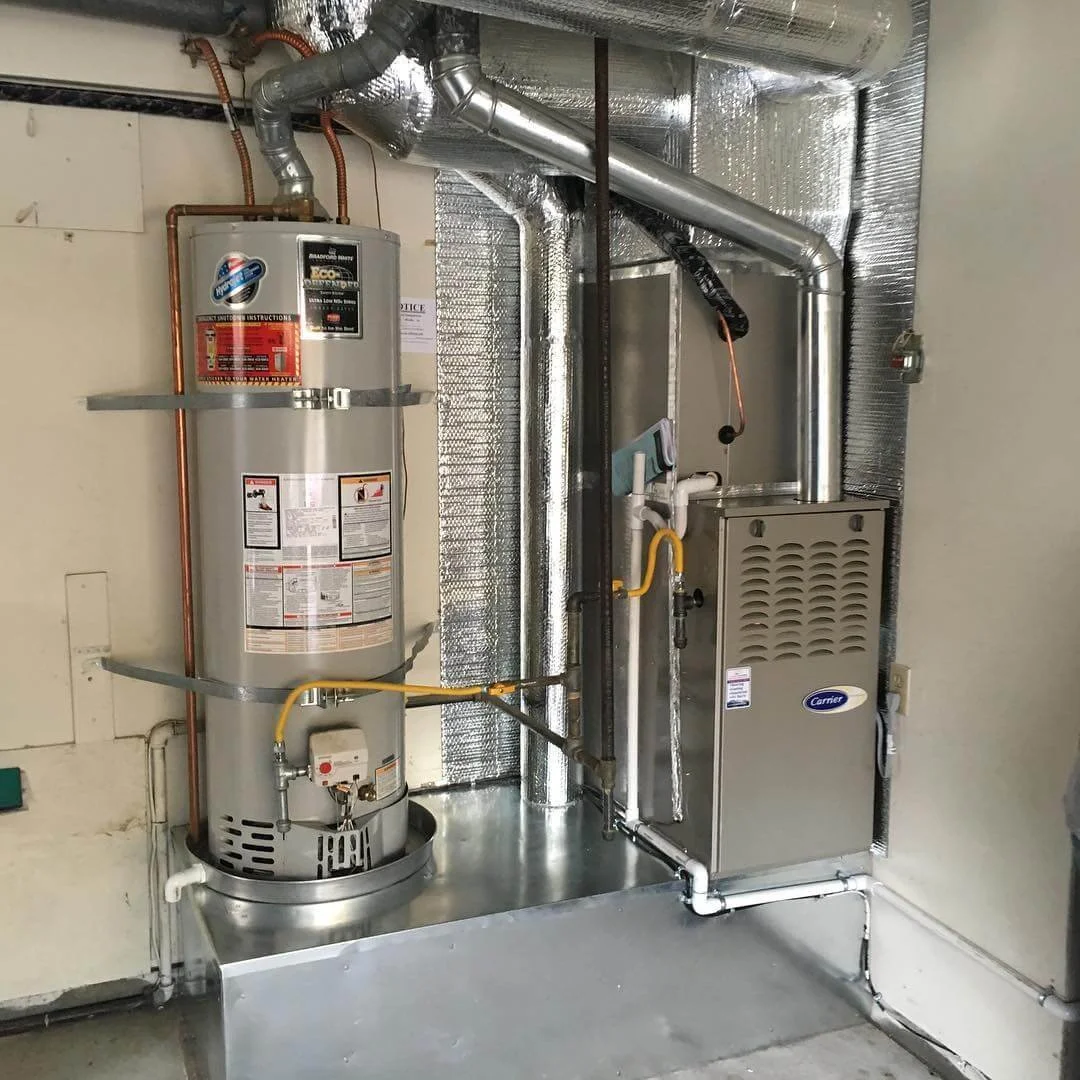
Furnace Maintenance Cost in Orange County: What You'll Pay in 2026
Furnace maintenance in Orange County costs $80 to $200 in 2026, and it is one of the few home expenses where the math is completely straightforward. A standard tune-up runs about $150 and covers burner cleaning, heat exchanger inspection, carbon monoxide testing, and a full system cycle test. Skip it for a few years and that $150 visit has a way of turning into a $500 repair, a $900 blower motor replacement, or worse, a $3,500 to $7,500 system replacement years ahead of schedule. J Martin IAQ has served more than 5,000 Orange County homes since 2014, and the pattern is consistent: the homeowners who stay on a regular maintenance schedule spend less, stress less, and keep their systems running longer. Call (714) 462-4686 to schedule your fall furnace tune-up before the heating season rush begins.
How Often Should You Service Your AC in Orange County? (2026 Guide)
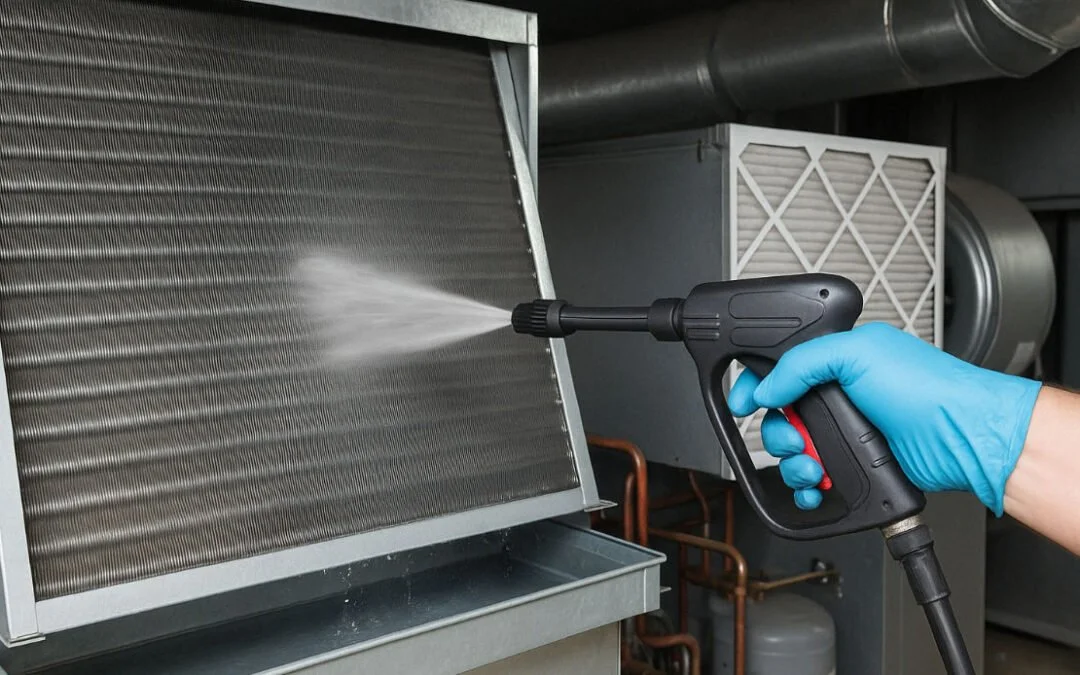
Orange County's climate puts more demand on your AC than most people realize. Inland cities like Yorba Linda, Anaheim Hills, and Placentia regularly see summer temperatures above 95 degrees, with heat waves pushing past 105, and that sustained load wears down components faster than a system running in a milder climate. The good news is that most breakdowns are preventable. A professional tune-up once a year (twice a year for older systems, pet owners, or inland homes) catches the small issues before they turn into expensive emergency repairs. At J Martin IAQ, a standard tune-up runs $129 to $199 and typically pays for itself in energy savings alone within a single cooling season.
AC Maintenance Checklist for Orange County Homeowners (2026)
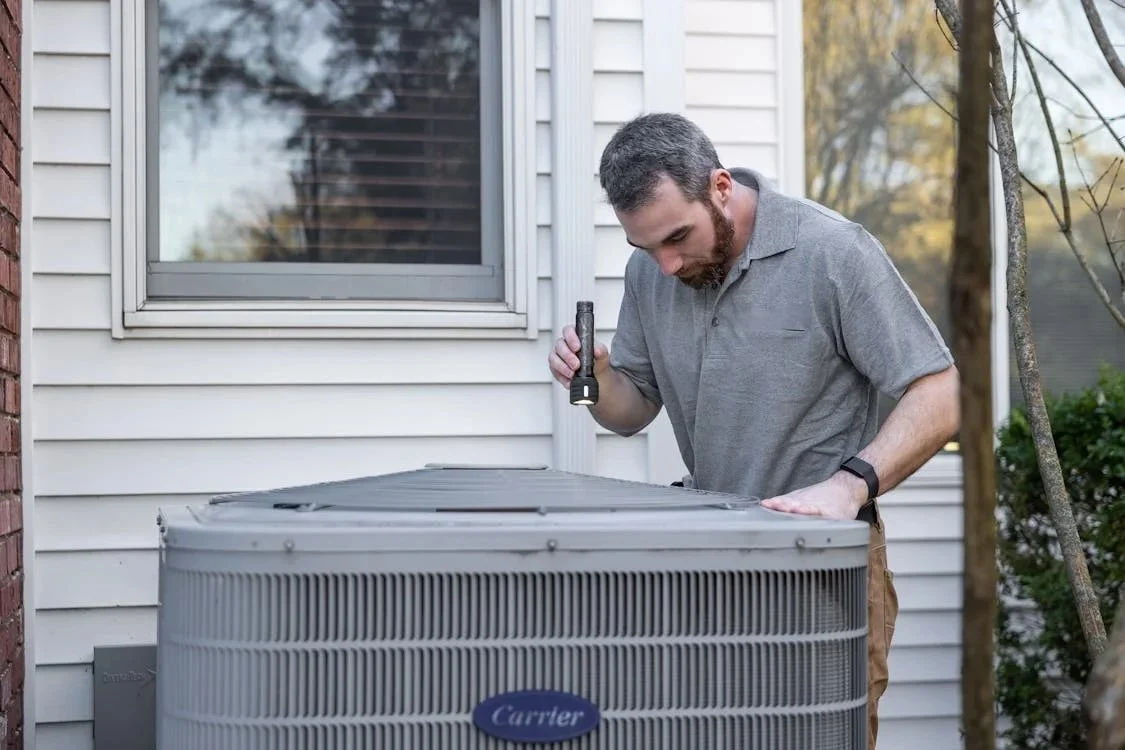
A complete AC maintenance checklist for Orange County homeowners covers two layers: the DIY tasks you can handle yourself every 30 to 90 days, and the professional service your system needs at least once a year. Replacing your air filter, flushing your condensate drain line, and clearing debris from your outdoor condenser are free or nearly free steps that take less than 30 minutes a month and directly affect how efficiently your system runs. The professional layer, which includes refrigerant verification, electrical connection testing, capacitor readings, and coil cleaning, takes 60 to 90 minutes and costs $129 to $199 in Orange County in 2026. Together, those two layers keep your system running at peak efficiency, reduce your SCE cooling costs by 15% to 25%, and extend your equipment's lifespan by years. Skipping maintenance does not save money. It shifts the cost to your electric bill, your repair invoices, and eventually your replacement budget.
SEER2 vs SEER Rating: What Orange County Homeowners Need to Know in 2026
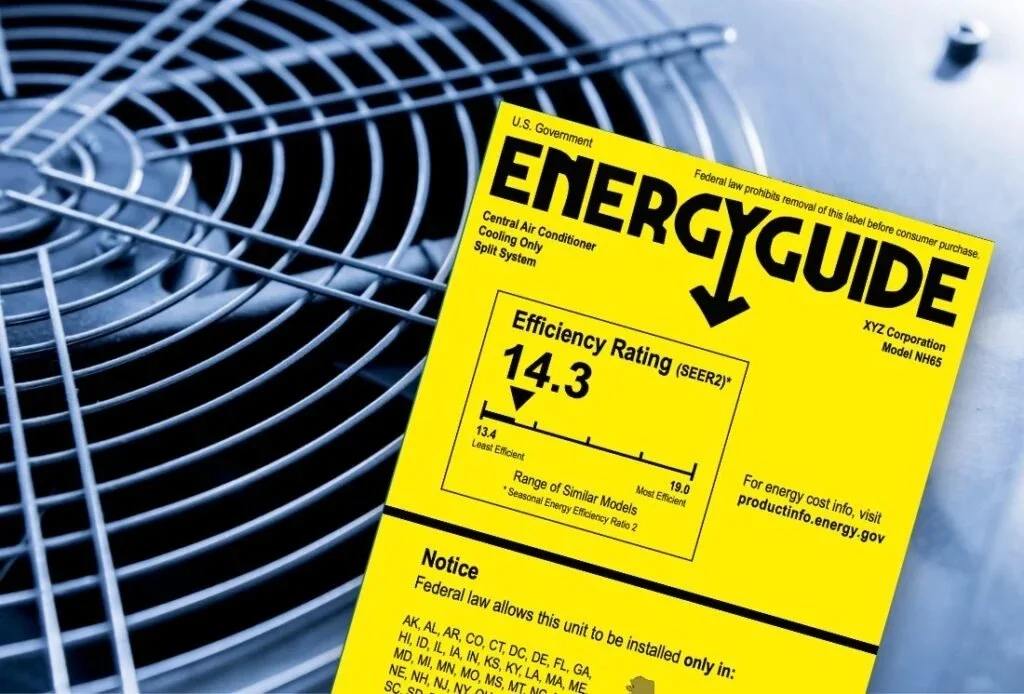
Most Orange County homeowners seeing SEER2 numbers for the first time assume something went wrong. The numbers look lower than what their old system was rated, and the natural conclusion is that new equipment is somehow less efficient. It is not. On January 1, 2023, the Department of Energy changed the testing method, not the equipment, producing a more honest number that reflects how AC systems actually perform in real homes with real ductwork. This guide explains what changed, what California requires in 2026, and how to use SEER2 ratings to make a smarter equipment decision for your Orange County home.
Best HVAC System for 2-Story Homes in Orange County
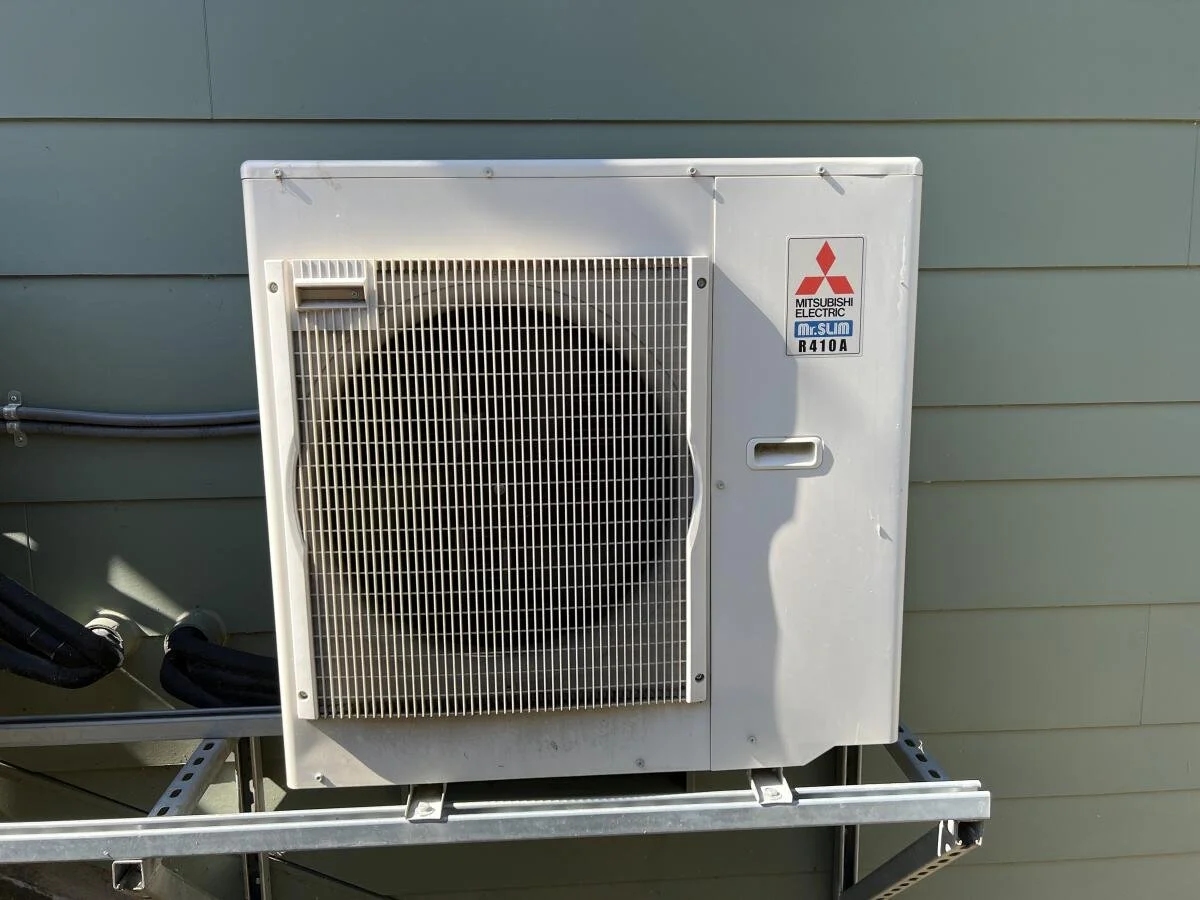
The single most common comfort complaint J Martin hears from two-story homeowners across Orange County is not a broken system. It is a system that works exactly as it was designed to, just not for a two-story home. One thermostat controlling two floors with different sun exposure, different insulation, and different heat loads cannot deliver consistent comfort on both levels. The upstairs runs hot. The downstairs runs cold. Everyone fights over the thermostat. This guide walks Orange County homeowners through the five HVAC options that actually solve the two-story temperature problem, what each costs in 2026, and how to know which one your home needs before you spend a dollar on new equipment.

