
Mini Split Installation Cost in Orange County: 2026 Real Pricing
Posted on August 13, 2026
A single-zone mini split installation in Orange County costs between $4,000 and $9,000 in 2026, with the average homeowner paying around $4,000 for a fully installed 12,000 BTU wall-mounted system. Multi-zone systems serving two to four rooms run $9,000 to $40,000 depending on the number of indoor units, the brand, and the complexity of the installation.
Those figures include the equipment, refrigerant lines, a dedicated 240-volt electrical circuit, permits, and professional installation. The range is wide because a straightforward single-zone install in a first-floor bedroom takes half a day, while a four-zone system threading lines through a two-story Anaheim Hills home can take two full days and require significant electrical panel work.
Our team installs Daikin, Mitsubishi, and Fujitsu mini splits across Orange County, and we are factory-trained and certified on all three brands. When Angel installed a single-zone Daikin unit in a converted garage office in Placentia last March, the total came to $3,800 including permits and a new 30-amp circuit. When Jesus ran a three-zone Mitsubishi system through a 1978 Fullerton home with no existing ductwork, the project came to $8,400 over two days. Both are real jobs that reflect the range most Orange County homeowners fall into.
This guide breaks down exactly what you will pay for ductless mini split installation in Orange County in 2026, what drives the price up or down, which brands offer the best value, and how to make sure you are getting an honest quote.
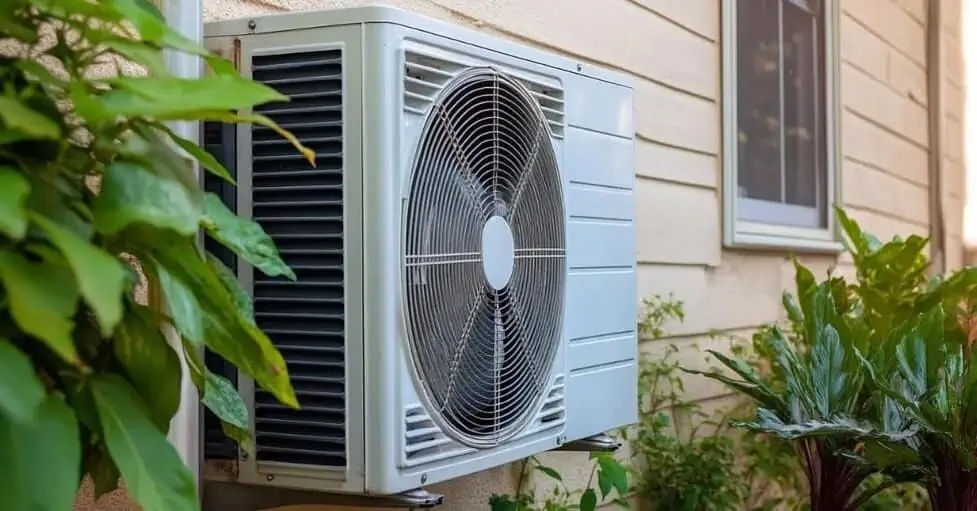
A properly installed mini split condenser needs two to three feet of clearance on all sides, a level concrete pad or secure wall bracket, and a dedicated 240-volt circuit. J Martin handles every detail, from the electrical assessment to the city permit, so there are no surprises on installation day.
Quick Answer
A single-zone mini split in Orange County costs $4,000 to $9,000 installed in 2026. A two-zone system runs $5,000 to $8,000. A three-zone system costs $7,000 to $10,000. A four-zone system runs $9,000 to $40,000. Prices include equipment, labor, electrical work, and permits. The federal Section 25C tax credit covers up to $2,000 for qualifying heat pump mini splits installed through December 2026.
What a Single-Zone Mini Split Costs in Orange County
A single-zone system is one outdoor condenser connected to one indoor unit. It is the most common mini split installation we do, and it is the right solution when you need to condition one specific space: a garage conversion, a bonus room, a primary bedroom that the central system cannot reach, or an ADU.
The total installed cost for a single-zone mini split in Orange County breaks down into four components. The equipment itself, meaning the outdoor condenser and the indoor wall-mounted unit, typically runs $1,200 to $2,800 depending on the brand and BTU capacity. Labor for a licensed HVAC contractor runs $800 to $1,500 for a single-zone installation, which usually takes four to six hours. Electrical work for the required dedicated 240-volt circuit adds $300 to $800 if your panel has space, or $1,000 to $1,500 if a sub-panel or panel upgrade is needed. Permits in most Orange County cities run $150 to $400 and cover both the mechanical and electrical inspections.
The average single-zone mini split installation in Orange County costs $4,000 in 2026, including a 12,000 BTU wall-mounted unit, a dedicated 240-volt circuit, refrigerant lines, and city permits.
The 9,000 BTU units suited for rooms up to 300 square feet sit at the lower end of the range, around $4,000 to $4,800 fully installed. The 12,000 BTU units that handle 300 to 500 square feet land in the middle at $4,500 to $5,500. The 18,000 BTU units designed for larger spaces up to 800 square feet push toward $6,500 to $7,500 installed.
One detail that catches homeowners off guard is the electrical work. Most online mini split cost estimates assume the electrical circuit already exists. In practice, roughly 80 percent of the single-zone installations we do in Orange County require running a new dedicated circuit from the panel to the outdoor unit location. If your electrical panel is in the garage and the condenser is going on the opposite side of the house, the wiring run alone can add $600 or more. We always include the electrical assessment in our initial quote so there are no surprises on installation day.
Multi-Zone Mini Split Installation Costs in Orange County
A multi-zone system connects one outdoor condenser to two, three, four, or even five indoor units, each serving a separate room or zone. The outdoor unit is larger and more expensive than a single-zone condenser, but you avoid the cost of multiple outdoor units. The savings compound when you need to condition several rooms.
Here is what multi-zone mini split installations cost in Orange County as of 2026, based on the projects we complete across the region.
2026 Mini Split Installation Cost in Orange County by Number of Zones
| System Configuration | Typical Installed Cost | Average Cost | Typical Installation Time |
|---|---|---|---|
| Single-zone (1 indoor unit) | $4,000 to $5,500 | $5,000 | 4 to 6 hours |
| Dual-zone (2 indoor units) | $5,000 to $8,000 | $6,200 | 1 to 1.5 days |
| Three-zone (3 indoor units) | $7,000 to $10,000 | $8,200 | 1.5 to 2 days |
| Four-zone (4 indoor units) | $9,000 to $13,000 | $10,800 | 2 to 2.5 days |
| Five-zone (5 indoor units) | $11,000 to $16,000 | $13,200 | 2.5 to 3 days |
Each additional zone adds roughly $2,000 to $3,000 to the total project cost. That increment covers the additional indoor unit, the copper refrigerant line set running from the outdoor condenser to the indoor unit location, the condensate drain, the control wiring, and the labor to mount, connect, vacuum, and commission the unit.
The jump from one zone to two is the most expensive increment because the dual-zone outdoor condenser is significantly more expensive than a single-zone unit. After that, the per-zone cost of adding a third or fourth indoor unit to the same outdoor condenser is lower since you are only adding indoor units and line sets, not upgrading the condenser.
When Jack and Irvin installed a four-zone Fujitsu system in a 2,800 square foot Lake Forest home last fall, the homeowner had been spending $380 per month on cooling with the original 1992 central system. The four-zone mini split replaced the entire setup, and the homeowner's summer electric bills dropped to $220 per month. The project cost $11,200, and with the $2,000 federal tax credit, the effective cost was $9,200. At $160 per month in energy savings, the system pays for itself in under five years.
What Drives Mini Split Installation Cost Up or Down
The spread between the low and high end of each cost range is not random. Specific variables in your home and your project push the price in predictable directions. Understanding these factors helps you evaluate whether a quote is reasonable before you sign anything.
Refrigerant Line Set Length
Standard mini split installations include 15 to 25 feet of copper refrigerant line between the outdoor and indoor units. Most single-zone installs fall within that range. But if the outdoor condenser needs to sit 40 feet from the indoor unit, or if lines must route through an attic and down an interior wall, the additional copper tubing, insulation, and labor add $50 to $150 per additional 10 feet. In two-story Orange County homes where the condenser sits at ground level and the indoor unit is in an upstairs bedroom, 35 to 50 feet of line set is common, and that adds $150 to $400 to the project.
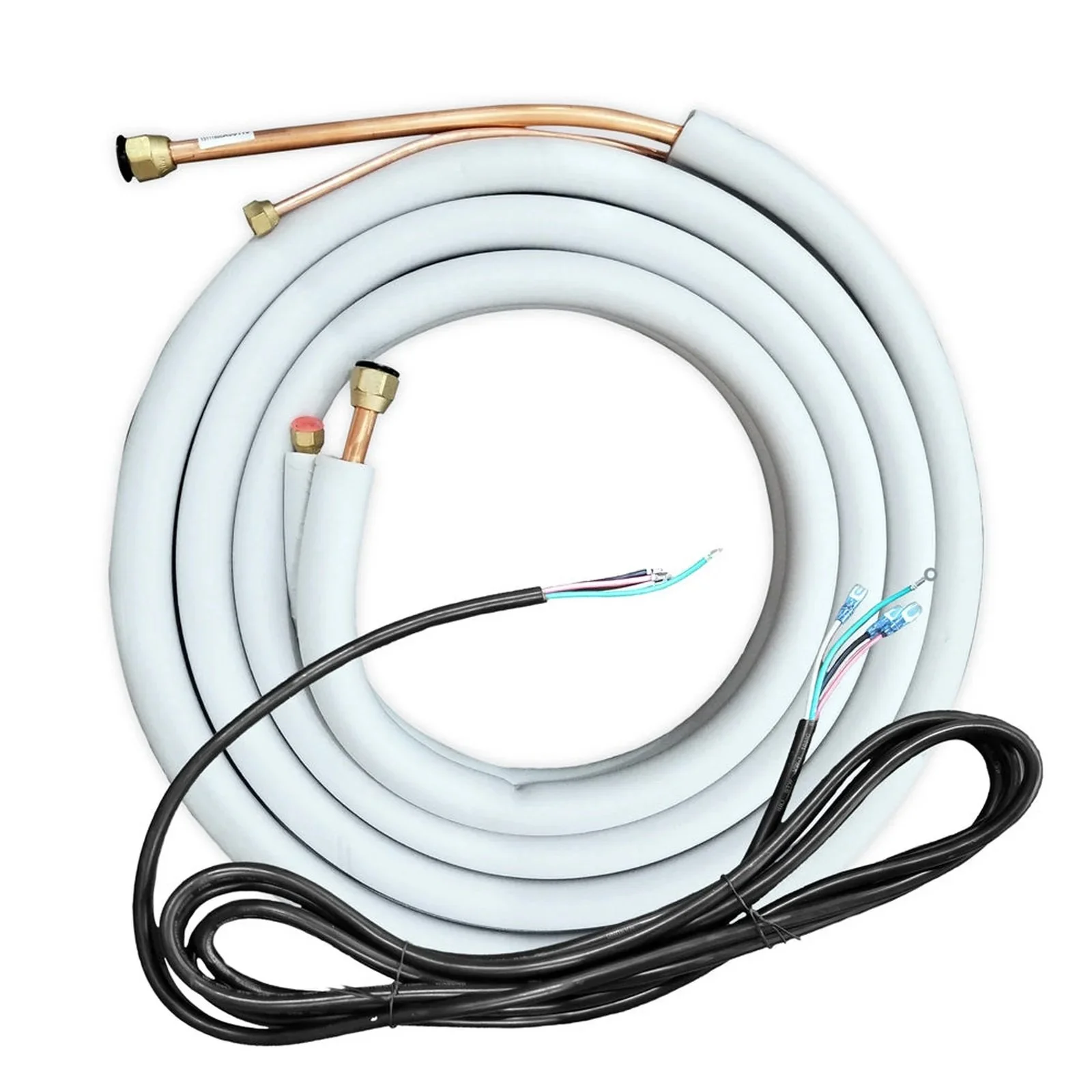
The length of your refrigerant line set is one of the biggest variables in your mini split installation quote. Every additional 10 feet beyond the standard 25 adds $50 to $150 to the project cost. Get an accurate in-home assessment before you budget. Call J Martin at (714) 462-4686.
Electrical Panel Capacity
Every mini split requires a dedicated 240-volt, 20 to 30 amp circuit. If your home's electrical panel has open slots, adding this circuit costs $300 to $800. If your panel is already full, which is common in 1960s and 1970s Orange County tract homes that were built with 100-amp panels, you may need a sub-panel ($500 to $1,000) or a full panel upgrade ($1,500 to $3,000). We check panel capacity during every in-home estimate so this cost is included upfront, not discovered on installation day.
Indoor Unit Type
Wall-mounted units are the most common and least expensive to install because they mount on an exterior or near-exterior wall with a short line set through a 3-inch hole. Ceiling cassette units, which sit flush with the ceiling, cost $300 to $800 more per unit because they require more involved mounting, additional condensate plumbing, and sometimes drywall modifications. Floor-mounted units and concealed ducted units also carry premium installation costs of $200 to $600 above wall-mounted pricing.
Home Age and Construction
Older Orange County homes, particularly stucco-and-block construction from the 1960s and 1970s in neighborhoods like Fullerton and Placentia, can add complexity. Drilling through concrete block walls requires specialized equipment. Routing line sets through older framing that was not designed for HVAC penetrations takes more time. Accessing attic spaces in low-pitch roofs common in tract homes from that era is slower than working in modern homes with taller roof pitches. These factors can add $300 to $800 to the labor portion of the project.
Permits and Inspection Fees
Permit costs vary by city across Orange County. Anaheim, Irvine, and Mission Viejo typically charge $200 to $350 for a combined mechanical and electrical permit. Smaller cities like Villa Park or Coto de Caza may charge less. The permit itself covers the plan review, the mechanical inspection of the refrigerant line connections and pressure testing, and the electrical inspection of the dedicated circuit. Skipping permits saves $200 to $400 upfront but creates problems at resale when the unpermitted work shows up in a home inspection.
Mini Split Cost by Brand: Daikin, Mitsubishi, and Fujitsu
J Martin is factory-trained on three of the top mini split brands in the industry: Daikin, Mitsubishi, and Fujitsu. We also install LG and Carrier ductless systems. Each brand occupies a slightly different position in terms of pricing, SEER2 (the updated federal efficiency standard for cooling and heating equipment, replacing the original SEER metric in 2023) rating, and warranty coverage. Here is how they compare for a single-zone installation in Orange County as of 2026.
2026 Single-Zone Mini Split Cost Comparison by Brand (12,000 BTU, Orange County Installed)
| System Configuration | Typical Installed Cost | Average Cost | Typical Installation Time |
|---|---|---|---|
| Single-zone (1 indoor unit) | $3,000 to $5,500 | $4,000 | 4 to 6 hours |
| Dual-zone (2 indoor units) | $5,000 to $8,000 | $6,200 | 1 to 1.5 days |
| Three-zone (3 indoor units) | $7,000 to $10,000 | $8,200 | 1.5 to 2 days |
| Four-zone (4 indoor units) | $9,000 to $13,000 | $10,800 | 2 to 2.5 days |
| Five-zone (5 indoor units) | $11,000 to $16,000 | $13,200 | 2.5 to 3 days |
J Martin is factory-trained and certified on Daikin, Mitsubishi, and Fujitsu mini splits, the three brands that account for roughly 70 percent of the professional ductless installations in Southern California.
Daikin is our most commonly installed mini split brand because it offers the best balance of reliability, efficiency, and cost. Daikin is the world's largest HVAC manufacturer, which translates to competitive parts pricing and strong warranty support. Their transition to R-32 refrigerant, which has a lower global warming potential than the older R-410A, puts Daikin ahead of the January 2026 California requirement that residential heat pump systems use refrigerants with a global warming potential (GWP) of 700 or lower.
Mitsubishi commands a premium but delivers the highest SEER2 ratings on the market. Their Hyper-Heating INVERTER technology maintains full heating capacity down to -13 degrees Fahrenheit, which is not a factor in Orange County winters but speaks to the engineering quality of the compressor. For homeowners who prioritize maximum efficiency and are willing to pay 15 to 20 percent more upfront, Mitsubishi is the choice we recommend.
Fujitsu offers a strong middle ground. Their Airstage line achieves excellent efficiency ratings at a price point slightly below Mitsubishi. For homeowners who want premium performance without the premium price tag, Fujitsu is often the brand we suggest first.
Where Mini Splits Make the Most Sense in Orange County Homes
Not every home needs a mini split, and not every room justifies one. Mini splits solve specific problems that central HVAC systems cannot, and understanding which situations call for a ductless solution helps you spend your money where it matters most.
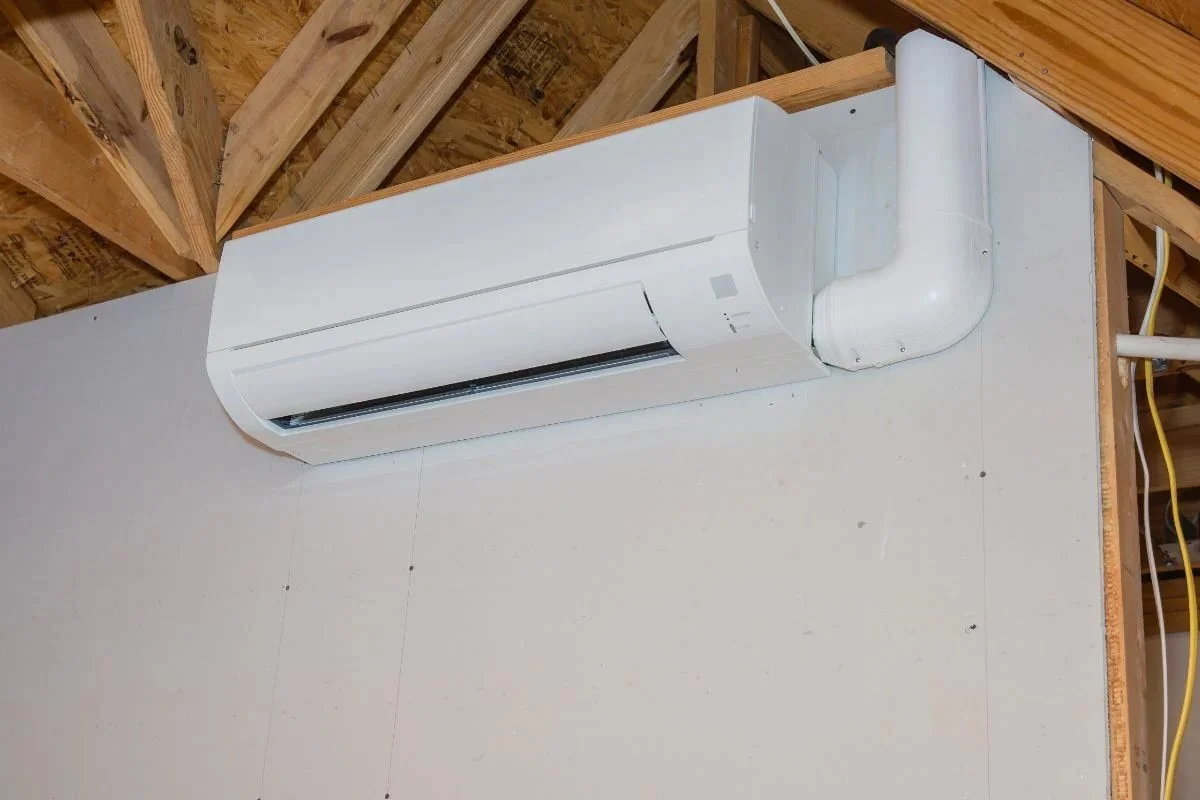
This is one of the most common installs we do across Orange County: a single-zone mini split going into a garage conversion or bonus room that the central system cannot reach. The indoor unit mounts high, the line set routes through the wall to the outdoor condenser, and the whole installation is done in four to six hours.
Garage Conversions and Home Offices
Orange County's ADU and garage conversion boom has made single-zone mini splits one of our most requested installations. A converted garage is typically 350 to 450 square feet, making a 12,000 BTU single-zone unit the right fit. The installation is straightforward because the condenser sits right outside, the line set is short, and the electrical panel is usually in the garage already. Total installed cost for a garage conversion mini split in Orange County runs $3,000 to $4,200, and the system provides both heating and cooling year-round.
ADUs and Accessory Dwelling Units
California law requires ADUs to have independent heating, and a ductless mini split satisfies that requirement without running expensive ductwork. A typical 600 to 800 square foot ADU needs an 18,000 to 24,000 BTU system, or a two-zone system if the layout has a separate bedroom. Installed costs for ADU mini splits in Orange County run $3,500 to $7,500 depending on the size and configuration. Since ADUs cannot share the main home's HVAC system, the mini split is often the most cost-effective path to code compliance.
Older Homes Without Ductwork
Many homes built in Orange County before 1970 were designed with wall furnaces, floor furnaces, or radiant heating and no central ductwork. Adding ducts to a finished home means tearing into walls, ceilings, and attic spaces, with costs running $8,000 to $15,000 before you even buy the HVAC equipment. A multi-zone mini split system conditions the same spaces for $7,000 to $13,000 total, installed and ready to use, with no demolition and no ductwork. We see this scenario frequently in older neighborhoods in Santa Ana, Tustin, and Orange.
Hot Upstairs Rooms and Bonus Rooms
The two-story home temperature imbalance is one of the most common complaints we hear from Orange County homeowners. The upstairs runs 5 to 10 degrees hotter than the downstairs because heat rises, the attic radiates heat downward, and the central system's ductwork loses 20 to 30 percent of its cooling capacity before it reaches the second floor. Adding a single-zone mini split to the upstairs primary bedroom or a bonus room over the garage eliminates the problem for $4,000 to $5,500, far less than replacing the entire central system or adding a second zone to the existing ductwork. If you have been dealing with an uncomfortably hot upstairs, our guide on the best HVAC system for two-story homes in Orange County explores all the options.
If your AC is struggling to keep up during the hottest months, call us at (714) 462-4686 for a free in-home assessment. We will tell you whether a mini split is the right solution or whether a different approach makes more sense for your home.
Rebates, Tax Credits, and Incentives for Mini Splits in 2026
The federal government and the state of California both offer financial incentives for energy-efficient heat pump installations, and most mini split systems qualify because they function as heat pumps, providing both heating and cooling.
The federal Section 25C energy efficiency tax credit covers up to $2,000 for qualifying heat pump installations, including ductless mini splits, through December 31, 2026. To qualify, the system must meet the ENERGY STAR Most Efficient criteria or the Consortium for Energy Efficiency (CEE) highest tier. All of the Daikin, Mitsubishi, and Fujitsu systems we install meet these requirements. This is a tax credit, not a deduction, meaning it reduces your federal tax bill dollar for dollar.
The federal Section 25C tax credit covers up to $2,000 for qualifying mini split heat pump installations through December 2026, reducing the effective cost of a $4,000 single-zone installation to $2,000.
California's IRA-funded HEEHRA rebate program offered up to $8,000 for income-qualified homeowners installing heat pump systems. However, as of February 2026, the HEEHRA Phase I single-family program is fully reserved statewide, with a waitlist in place. If budget becomes available again, income-qualified homeowners earning less than 80 percent of area median income would receive the full rebate, while those earning up to 150 percent of area median income would receive 50 percent of costs. We recommend checking the California Energy Commission website for updates, as additional funding cycles may open.
Beyond government incentives, Daikin, Mitsubishi, and Fujitsu all run seasonal manufacturer rebates, typically in spring and fall, offering $200 to $500 back on qualifying systems through their dealer networks. We pass those rebates through to homeowners directly. Southern California Edison also periodically offers efficiency rebates for qualifying heat pump installations. Between the federal tax credit and any available manufacturer rebates, most Orange County homeowners can reduce the net cost of a mini split installation by $2,200 to $2,500 in 2026.
How Mini Split Costs Compare to Central AC and Window Units
The upfront cost of a mini split is higher than a window unit and comparable to extending central AC, but the long-term economics tell a different story. A window unit costs $150 to $600 to purchase and requires no professional installation, but it uses roughly 40 percent more energy than a mini split of equivalent capacity and lasts only 8 to 12 years. A mini split lasts 15 to 20 years with proper maintenance, runs far more quietly, and does not block a window.
Compared to central AC, the math depends on whether your home already has ductwork. If it does, extending the existing central system to an additional room costs $3,000 to $6,000 for the ductwork modifications plus the capacity upgrade. If your home has no ducts, installing a complete central system runs $10,000 to $20,000 including ductwork, compared to $7,000 to $13,000 for a multi-zone mini split that covers the same rooms without any duct installation. The mini split also avoids the 20 to 30 percent energy loss that occurs in ductwork, which means a mini split with a 20 SEER2 rating delivers more actual cooling to the room than a central system rated at 20 SEER2.
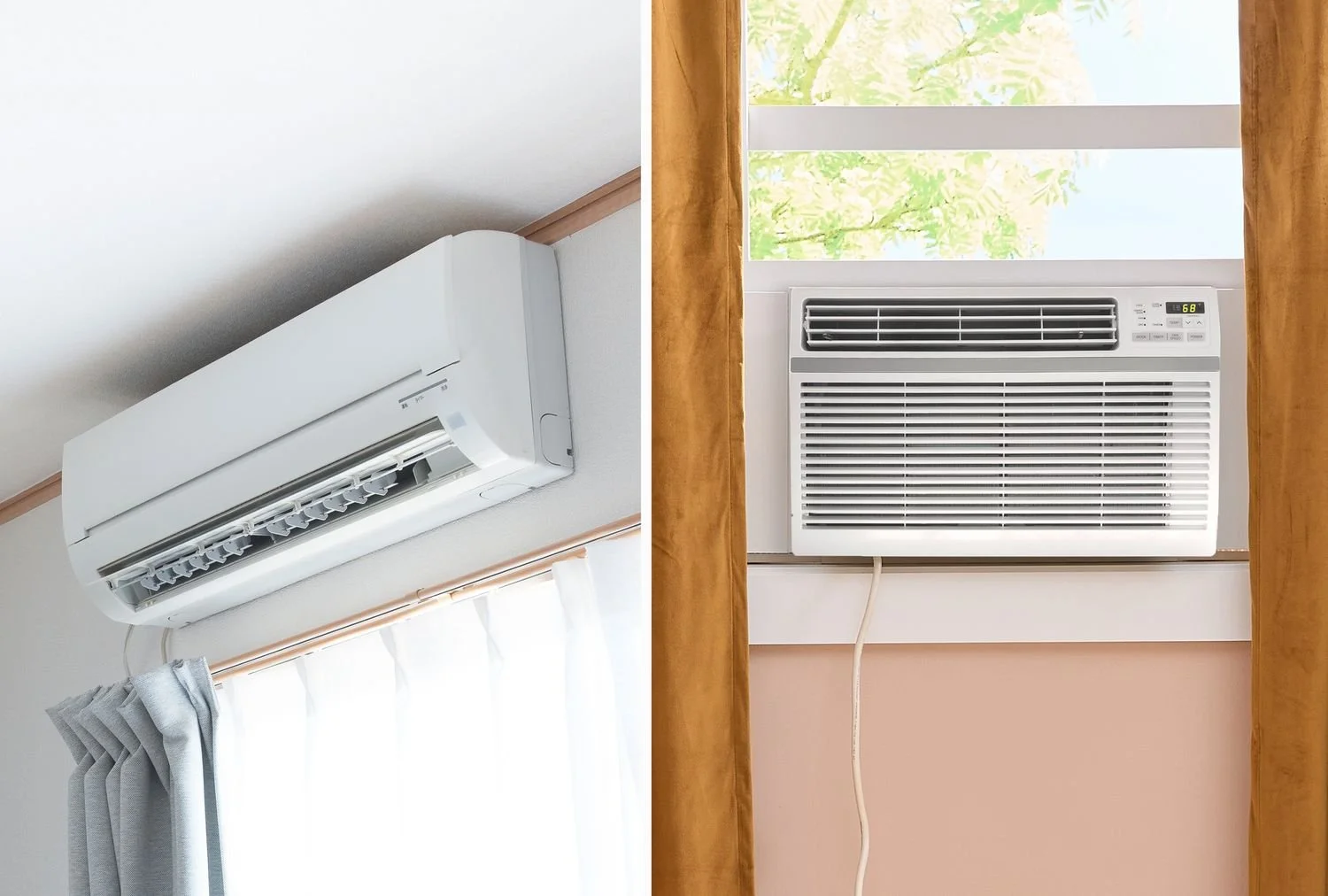
Window units cost $150 to $600 upfront but use 40 percent more energy than a mini split of equivalent capacity and last only 8 to 12 years. With the federal tax credit expiring December 31, 2026, now is the time to make the switch. Call J Martin at (714) 462-4686.
For Orange County homeowners paying SCE's current average residential rate of approximately 34.5 cents per kilowatt-hour, the efficiency advantage of a mini split translates to real monthly savings. A mini split cooling a 500-square-foot space costs roughly $25 to $40 per month to operate during summer, compared to $50 to $70 per month for a window unit in the same space. Over a 15-year lifespan, that $300 to $360 annual savings more than offsets the higher upfront cost. For a deeper comparison of these two system types, see our central AC vs. ductless mini split cost breakdown.
How to Get an Accurate Mini Split Quote in Orange County
The single most important step in getting an accurate mini split quote is an in-home assessment. Any contractor who quotes a mini split installation over the phone or based solely on square footage is guessing. The actual cost depends on factors that can only be evaluated on site: the distance from the electrical panel to the condenser location, the length of the refrigerant line run, the wall construction at the mounting point, the attic or crawl space access for line routing, and whether the electrical panel has capacity for a new circuit.
When we do an in-home mini split assessment, we walk through every variable that affects the price. We check your panel, measure the line set route, evaluate the best condenser placement for noise and aesthetics, and discuss which brand and capacity makes sense for your specific space. The assessment is free, takes about 30 to 45 minutes, and results in a written quote that includes every cost: equipment, labor, electrical, permits, and startup. No surprises after you sign. For context on what a fair HVAC quote looks like and what to watch for, our article on ductless mini splits in Orange County covers the full picture.
Be cautious of quotes that seem unusually low. A $1,800 mini split installation quote almost always means one of three things: the electrical work is not included, the permits are being skipped, or the equipment is a no-name brand with no manufacturer warranty support. A licensed Orange County HVAC contractor installing a name-brand system with permits and proper electrical work will not come in under $2,800 for a single-zone installation in 2026.
What the Installation Process Looks Like
Understanding what happens on installation day helps set expectations. A single-zone mini split installation follows a predictable sequence that takes four to six hours when handled by an experienced crew.
The process starts with mounting the indoor unit bracket on the interior wall, typically 7 to 8 feet above the floor. The technician drills a 3-inch hole through the exterior wall for the refrigerant lines, condensate drain, and control wiring. The outdoor condenser is placed on a concrete pad or wall-mounted bracket, usually within 15 to 25 feet of the indoor unit. The refrigerant lines are connected, the system is vacuum-tested to ensure no moisture or air is in the lines, and refrigerant is released. The electrician wires the dedicated 240-volt circuit from the panel to the outdoor disconnect switch and the condenser. The technician commissions the system, checks heating and cooling modes, verifies airflow, and walks you through the remote control and settings.
For multi-zone installations, the timeline extends because each additional indoor unit requires its own line set, mounting, and connection. A four-zone system typically requires two full days, with the first day focused on running all the line sets and mounting the indoor units, and the second day dedicated to connections, vacuum testing, and commissioning. Our team of full-time technicians, including Jesus, Jack, Angel, and Irvin, handles every step in-house. We do not subcontract any portion of the installation, which means one crew is accountable for the entire project from start to finish.
Frequently Asked Questions
How much does a single-zone mini split cost to install in Orange County?
A single-zone mini split installation in Orange County costs $4,000 to $5,500 in 2026, with the average project coming in around $5,000. That price includes a wall-mounted indoor unit, the outdoor condenser, refrigerant lines, a dedicated 240-volt electrical circuit, city permits, and professional installation by a licensed HVAC contractor.
Is a mini split cheaper than adding ductwork to an older home?
In most cases, yes. Adding ductwork to a finished Orange County home costs $8,000 to $15,000 before purchasing the HVAC equipment, because it requires opening walls, ceilings, and attic spaces. A multi-zone mini split system that conditions the same rooms costs $9,000 to $40,000 fully installed with no demolition required. The mini split is also more energy-efficient because it eliminates the 20 to 30 percent cooling loss that occurs in ductwork.
Do I need a permit for a mini split installation in Orange County?
Yes. Most Orange County cities require both a mechanical permit for the refrigerant line connections and pressure testing, and an electrical permit for the dedicated 240-volt circuit. Permit fees range from $150 to $400 depending on the city. A licensed HVAC contractor handles the permit application and coordinates the inspections as part of the installation.
What is the federal tax credit for mini split installation in 2026?
The federal Section 25C energy efficiency tax credit covers up to $2,000 for qualifying heat pump mini split installations through December 31, 2026. The system must meet ENERGY STAR Most Efficient criteria or the CEE highest efficiency tier. This is a dollar-for-dollar tax credit, not a deduction, so it directly reduces your federal tax liability by up to $2,000.
How long does a mini split last?
A professionally installed mini split from a major manufacturer like Daikin, Mitsubishi, or Fujitsu lasts 15 to 20 years with proper maintenance. Annual maintenance includes cleaning the filters monthly, having the refrigerant levels and electrical connections checked annually, and keeping the outdoor condenser clear of debris. Most manufacturers offer 10 to 12 year compressor warranties on residential units.
Can a mini split heat and cool my home?
Yes. Every mini split system is a heat pump, meaning it provides both cooling in summer and heating in winter by reversing the refrigerant cycle. In Orange County's mild climate, a mini split handles winter heating comfortably without a backup heat source. Even on the coldest Orange County nights, which rarely drop below 35 to 40 degrees Fahrenheit, a modern mini split maintains full heating capacity.
Which mini split brand is best for Orange County?
Daikin, Mitsubishi, and Fujitsu are the three leading professional-grade mini split brands for Orange County installations. Daikin offers the best balance of reliability, efficiency, and cost with its R-32 refrigerant platform and 12-year compressor warranty. Mitsubishi delivers the highest efficiency ratings on the market at up to 40.1 SEER2 but commands a 15 to 20 percent price premium. Fujitsu provides strong performance at a slightly lower price point than Mitsubishi.
Get an Honest Mini Split Quote from J Martin
If you are researching mini split installation cost in Orange County, whether for a single-zone garage conversion or a multi-zone system for a home without ductwork, the next step is a free in-home assessment from our ductless mini split team. We will evaluate your space, recommend the right brand and configuration, and provide a written quote that covers every cost with no hidden fees.
J Martin Indoor Air Quality has served more than 5,000 Orange County families since 2014. We are factory-trained on Daikin, Mitsubishi, and Fujitsu ductless systems, licensed and insured under CA Contractor License CL#998956, and carry a 4.97-star rating across thousands of reviews. When you call, Kathryn or Alexis answers at our Anaheim office. When a technician arrives, it is Jesus, Jack, Angel, or another member of our full-time crew, not a subcontractor.
Call us at (714) 462-4686 for a free mini split consultation, or schedule your free in-home estimate online. We serve all 26 cities across Orange County with same-day availability on most days.