
Heat Pump vs Gas Furnace Cost in Orange County: The Full 2026 Comparison
Posted on July 14, 2026
A heat pump system costs $5,000 to $40,000 fully installed in Orange County in 2026, while a gas furnace paired with a central AC unit runs $10,000 to $22,000 for the combination. Over a 15-year lifespan, the heat pump typically saves most Orange County homeowners $4,500 to $12,000 in total energy costs compared to running a gas furnace and separate air conditioner, and the gap widens further if you factor in eliminating your monthly SoCalGas fixed service charge.
Those numbers carry a lot of context, though, and the right choice depends on your home's age, its existing ductwork, your current utility rates, and whether you plan to stay in the home long enough to recoup the upfront difference. A homeowner in a 1985 Yorba Linda ranch house with existing gas lines and a working furnace faces a very different calculation than someone in a 2015 Irvine home who is replacing a failing AC system anyway.
We install both systems every week across Orange County. Our heat pump installation team is factory-trained on Daikin, Mitsubishi, and Fujitsu units, and we install Daikin, Carrier, Lennox, Trane, and other leading gas furnace brands. When Jesus runs a load calculation on a home in Anaheim Hills, the recommendation comes from the numbers, not from a preference for one technology over the other. That distinction matters because this decision involves real money, and the honest answer is not always the same for every household.
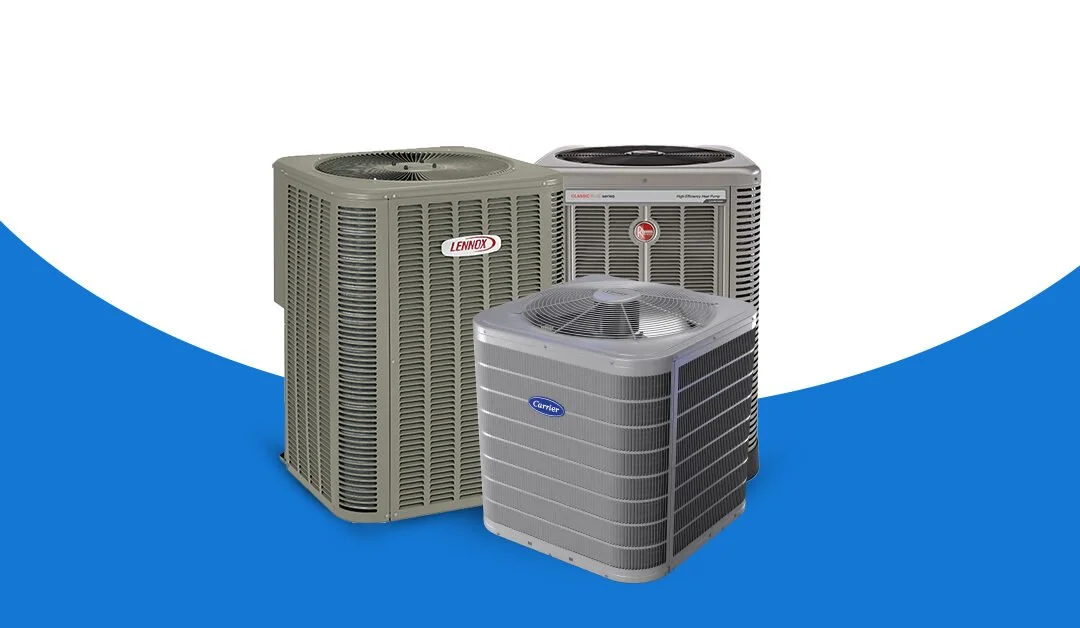
Lennox. Rheem. Carrier. If your HVAC system is 12 or more years old, now is the time to compare your options before it fails mid-summer. J Martin installs all major heat pump brands across Orange County with upfront pricing and no pressure. Call (714) 462-4686.
Quick Answer
A heat pump costs $5,000 to $40,000 installed in Orange County, while a gas furnace plus central AC costs $10,000 to $22,000. Heat pumps save most OC homeowners $300 to $800 per year on combined heating and cooling bills, with a 15-year total savings of $4,500 to $12,000. Orange County's mild winters make heat pumps especially efficient here, but homeowners with newer gas furnaces in good condition may not see enough savings to justify an early switch.
Upfront Cost Breakdown: Heat Pump vs Gas Furnace in 2026
The first number most homeowners want is the installed price. Here is what each system costs in Orange County as of spring 2026, based on the jobs our team has completed and current manufacturer pricing from Daikin, Carrier, and Lennox.
A gas furnace alone (furnace unit, installation labor, permits, and standard venting) costs $5,000 to $12,000 in Orange County. The range depends primarily on efficiency rating. A standard 80% AFUE (Annual Fuel Utilization Efficiency) furnace runs $4,500 to $6,500 installed. A mid-range 95% AFUE single-stage unit runs $5,500 to $9,000. A high-efficiency 96%+ AFUE variable-speed furnace runs $8,000 to $12,000. Most Orange County homeowners land in the mid-range tier because California's Title 24 energy code effectively pushes new installations toward 90%+ AFUE units in most applications.
However, a gas furnace only heats. You still need a separate central air conditioner for cooling, which adds $4,000 to $8,000 installed for a quality unit. That puts the total cost of a gas furnace plus central AC at $7,500 to $16,000 for a complete heating and cooling system. When Angel replaced a furnace and AC combo in a 2,200-square-foot Lake Forest home last January, the total installed cost for a Daikin 96% AFUE furnace and a matching 16.5 SEER2 condenser came to $13,800.
A heat pump, by contrast, handles both heating and cooling in a single outdoor unit paired with an indoor air handler. Installed costs for a whole-home ducted heat pump system in Orange County run $8,000 to $18,000. A standard-efficiency system (14.3 SEER2, the 2026 federal minimum) runs $8,000 to $11,000. A mid-range system like the Daikin FIT DZ6VS at 17.5 SEER2 and 10 HSPF2 (Heating Seasonal Performance Factor 2, the updated federal metric for heating efficiency) runs $10,000 to $14,000. A premium variable-speed system with 20+ SEER2 runs $14,000 to $18,000 or more.
The critical comparison is not furnace-to-heat-pump but rather the total system cost: furnace plus AC versus heat pump alone. When you compare total system to total system, the price difference narrows significantly. In many cases, a mid-range heat pump costs within $1,000 to $3,000 of a comparable furnace-plus-AC combination. For a city-specific breakdown of full system pricing, see our HVAC installation cost guide for Yorba Linda.
2026 Installed Cost Comparison: Heat Pump System vs Gas Furnace + Central AC in Orange County
| System Type | Efficiency Tier | Installed Cost Range | What It Covers |
|---|---|---|---|
| Gas Furnace + Central AC | Standard (80% AFUE + 14.3 SEER2) | $7,500 to $11,000 | Heating and cooling, two separate units |
| Gas Furnace + Central AC | Mid-Range (95% AFUE + 16 SEER2) | $10,000 to $14,000 | Heating and cooling, two separate units |
| Gas Furnace + Central AC | Premium (96%+ AFUE + 18+ SEER2) | $13,000 to $16,000 | Heating and cooling, two separate units |
| Heat Pump System | Standard (14.3 SEER2 / 7.5 HSPF2) | $8,000 to $11,000 | Heating and cooling in one unit |
| Heat Pump System | Mid-Range (17.5 SEER2 / 10 HSPF2) | $10,000 to $14,000 | Heating and cooling in one unit |
| Heat Pump System | Premium (20+ SEER2 / 10+ HSPF2) | $14,000 to $18,000 | Heating and cooling in one unit |
When you compare total system to total system, a mid-range heat pump in Orange County costs within $1,000 to $3,000 of a comparable gas furnace and central AC combination in 2026.
Annual Operating Costs: Who Saves More in Orange County?
Upfront cost is only half the equation. The operating cost difference over 10 to 15 years is where heat pumps pull ahead for most Orange County homeowners, and the reason comes down to how the two systems convert fuel into comfort.
A gas furnace burns natural gas. Even a high-efficiency 96% AFUE unit converts 96 cents of every dollar of gas into heat, and the rest goes up the flue. SoCalGas residential rates in Orange County average approximately $2.08 per therm as of early 2026, with tiered pricing that pushes heavy users higher. A typical 2,000-square-foot Orange County home running a gas furnace spends $500 to $900 per year on heating during the October-through-March season, depending on the home's insulation, thermostat habits, and the furnace's AFUE rating.
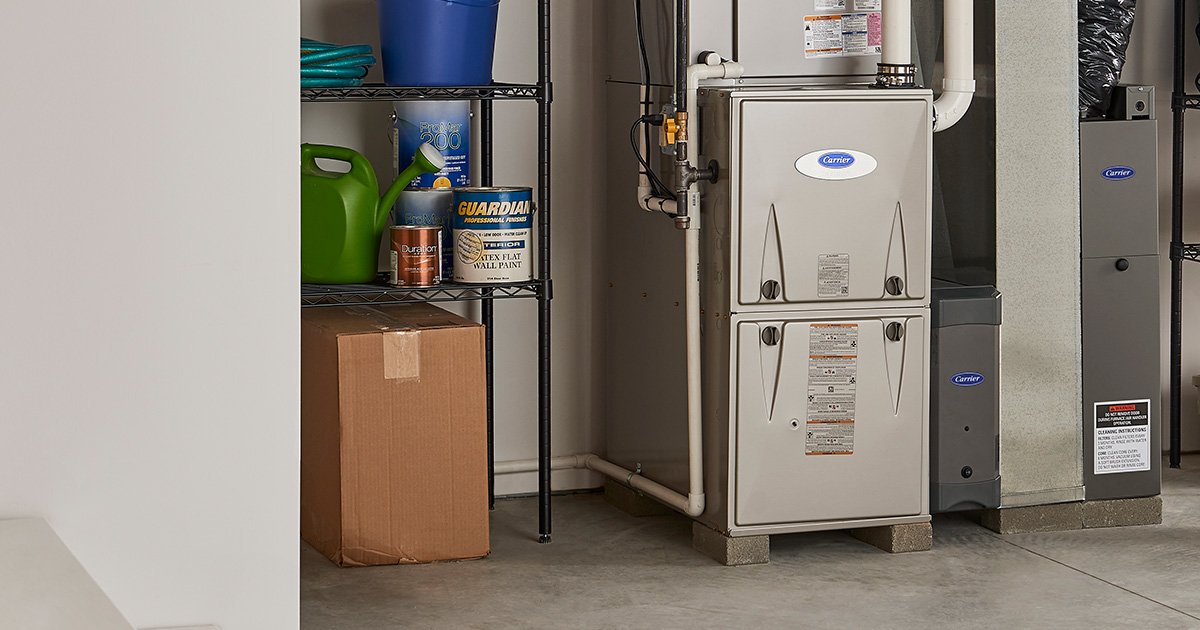
A properly installed high-efficiency gas furnace with correct venting, sealed connections, and a matching air handler is built to run cleanly and efficiently for 15 to 20 years. J Martin installs every furnace to manufacturer specification and pulls the permit so your warranty is valid from day one.
A heat pump does not burn anything. It moves heat from outside air into your home using a refrigerant cycle powered by electricity. In Orange County's mild winters, where temperatures rarely drop below 40 degrees Fahrenheit, a heat pump operates at a COP (coefficient of performance) of 3.0 to 4.0. That means for every dollar of electricity consumed, the heat pump delivers $3 to $4 worth of heating. Even at SCE's (Southern California Edison) 2026 average residential rate of 34.5 cents per kWh, that efficiency advantage translates to annual heating costs of $250 to $550 for the same 2,000-square-foot home.
The savings get larger when you factor in cooling. A heat pump provides both heating and cooling, and modern heat pumps at 17+ SEER2 are typically more efficient than the central AC unit paired with a gas furnace. Across a full year of heating and cooling, most Orange County homeowners running a heat pump spend $300 to $800 less annually than those running a gas furnace and separate AC.
There is a further savings layer many homeowners overlook. If you switch entirely to a heat pump and disconnect gas service, you eliminate SoCalGas's fixed monthly service charge of approximately $20 to $40 per month. That saves an additional $240 to $480 per year. For a household that also has a gas water heater and gas stove, going fully electric requires replacing those appliances too. But for homeowners who are already mostly electric, eliminating gas entirely is a meaningful financial move.
Estimated 2026 Annual Operating Costs in Orange County: Heat Pump vs Gas Furnace + AC (2,000 sq ft Home)
| Cost Category | Gas Furnace + Central AC | Heat Pump System |
|---|---|---|
| Annual heating cost | $500 to $900 | $250 to $550 |
| Annual cooling cost | $600 to $1,100 | $500 to $900 |
| SoCalGas fixed service charge | $240 to $480/year | $0 (if gas disconnected) |
| Estimated total annual energy cost | $1,340 to $2,480 | $750 to $1,450 |
| Estimated annual savings vs gas | Baseline | $300 to $800+ |
In Orange County's mild climate, a heat pump operates at a COP of 3.0 to 4.0, meaning it delivers $3 to $4 of heating for every $1 of electricity consumed, making it two to three times more efficient than even a 96% AFUE gas furnace.
The 15-Year Total Cost of Ownership
The real comparison is not year one. It is the total you spend over the life of the equipment, including the purchase price, annual operating costs, maintenance, and any required repairs or replacements along the way.
A gas furnace typically lasts 15 to 20 years. The separate central AC unit paired with it lasts 12 to 15 years in Orange County's climate, where the cooling system runs six to eight months of the year. That means most homeowners running a furnace-plus-AC setup will replace the AC unit at least once during the furnace's lifetime, adding another $4,000 to $8,000 at the 12-to-15-year mark.
A heat pump runs year-round (heating in winter, cooling in summer), which means it works harder than a furnace that only runs half the year. Heat pump lifespan in Orange County averages 12 to 18 years with proper maintenance. However, you are maintaining and eventually replacing one piece of equipment, not two.
Annual maintenance costs are similar for both systems. A gas furnace plus AC benefits from two annual tune-ups at $80 to $150 each, totaling $160 to $300 per year. A heat pump also needs two annual visits (before heating season and before cooling season) at $100 to $200 each, totaling $200 to $400 per year. The maintenance cost difference is negligible.
Over 15 years, a mid-range gas furnace plus AC totals roughly $37,500 to $62,700 when you add up the upfront cost ($10,000 to $14,000), operating costs ($1,340 to $2,480 per year), one mid-life AC replacement ($5,000 to $7,000), and maintenance ($2,400 to $4,500). A mid-range heat pump totals roughly $24,250 to $41,750 over the same period ($10,000 to $14,000 upfront, $750 to $1,450 per year in operating costs, $3,000 to $6,000 in maintenance). The $4,500 to $12,000 savings comes primarily from lower energy bills and avoiding that mid-life AC replacement.
Over 15 years, a heat pump system in Orange County saves most homeowners $4,500 to $12,000 compared to a gas furnace and central AC combination, primarily through lower energy bills and avoiding a mid-life AC replacement.
Rebates and Tax Credits in 2026: What Has Changed
The incentive landscape for heat pumps shifted significantly entering 2026. Homeowners researching this decision need current numbers, not information from 2024 or 2025.
The federal Section 25C Energy Efficient Home Improvement Credit, which offered up to $2,000 in tax credits for qualifying heat pump installations, expired on December 31, 2025. Heat pumps installed in 2026 are not eligible. The one exception is geothermal heat pumps, which still qualify for a 30% federal tax credit through 2032, but geothermal systems cost $15,000 to $35,000 and are not practical for most existing Orange County homes.
California's HEEHRA (Home Electrification and Energy-Efficient Rebate Act) program offered up to $8,000 in rebates for income-qualified homeowners. However, as of February 2026, all single-family HEEHRA slots in California are fully reserved and no new applications are being accepted.
SoCalGas still offers rebates of up to $2,000 on high-efficiency gas furnaces (97%+ AFUE) through December 31, 2026, meaning gas furnaces currently have a more accessible incentive in Orange County. Local utility incentives through SCE and the Orange County Power Authority may offer $500 to $1,500 for qualifying heat pump installations, though programs change frequently. Kathryn or Alexis at our office can walk you through what is currently available when you schedule your estimate.
For a deeper dive into every available incentive, including utility-specific programs and income-qualified options, see our full breakdown of California HVAC rebates and tax credits in 2026.
The bottom line for 2026: heat pumps save money over their lifetime through lower operating costs, but the upfront incentive advantage they held in 2024 and 2025 has largely disappeared. Factor in operating cost savings rather than counting on rebates to close the price gap.
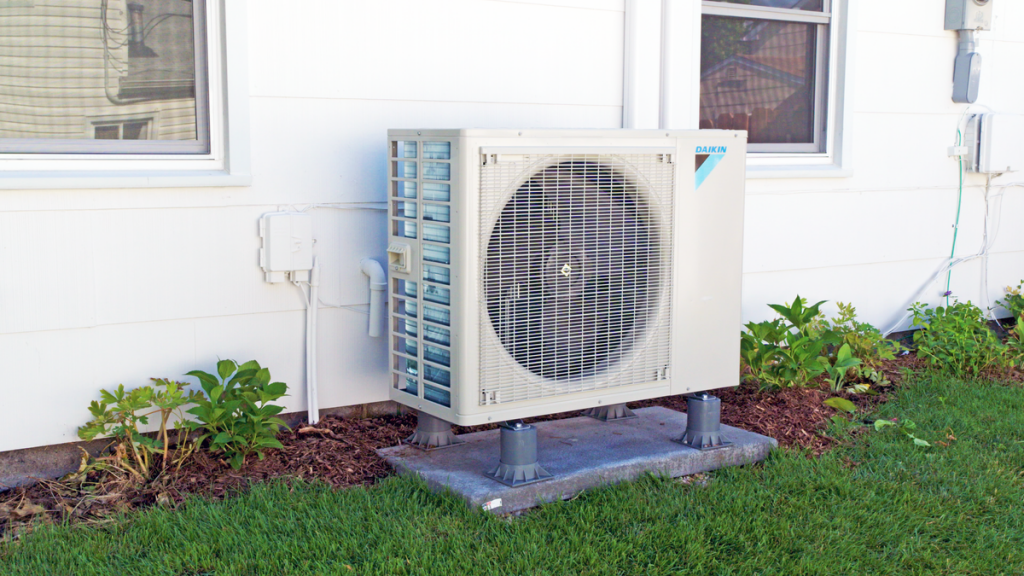
The Daikin FIT is one of J Martin's most-installed heat pumps in Orange County and appointments are filling fast. At 17.5 SEER2 and 10 HSPF2, it handles heating and cooling in one unit and starts saving on your energy bill from day one. Call (714) 462-4686.
Why Orange County's Climate Favors Heat Pumps
Heat pump efficiency depends heavily on outdoor temperature. In regions with harsh winters where temperatures regularly drop below 20 degrees Fahrenheit, a heat pump's heating efficiency drops significantly, and a gas furnace may be the smarter financial choice. Orange County is not one of those regions.
Winter temperatures in Orange County rarely drop below 40 degrees Fahrenheit, even in the cooler inland areas like Anaheim Hills, Yorba Linda, and Brea. The average January low in Anaheim is 46 degrees. In coastal cities like Newport Beach and Laguna Niguel, winter lows sit closer to 50 degrees. At these temperatures, a modern heat pump operates near its peak efficiency, delivering a COP of 3.0 to 4.0. That is three to four times more efficient than electric resistance heating and roughly two to three times more cost-effective than burning natural gas, even at SoCalGas's relatively moderate rates.
The summer side of the equation favors heat pumps too. Orange County summers regularly push into the 90s and low 100s in inland cities, and a high-SEER2 heat pump in cooling mode outperforms many mid-range central AC units. The Daikin FIT DZ6VS, which we install frequently across Anaheim Hills and Yorba Linda, delivers 17.5 SEER2 in cooling mode, well above the 14.3 SEER2 federal minimum. That efficiency difference translates directly to lower summer electric bills.
When Kevin installed a Daikin FIT heat pump in a 1978 ranch-style home in Placentia last October, the homeowner had been running a 14-year-old 80% AFUE gas furnace and a 13 SEER AC. The first winter gas bill after the switch was $0 because the gas line was disconnected entirely. The electric bill increased by roughly $45 per month during January and February, but the eliminated gas bill had been running $120 to $160 per month during the same period. The net savings were immediate.
When a Gas Furnace Still Makes More Sense
We install heat pumps because they make financial and performance sense for most Orange County homeowners. But "most" is not "all," and we are not going to recommend a heat pump when a gas furnace is the better fit. Here are the scenarios where we steer homeowners toward keeping or replacing their gas furnace.
If your existing gas furnace is under 10 years old and running at 90%+ AFUE with no major repair issues, replacing it with a heat pump is hard to justify financially. The furnace has 10 or more years of useful life remaining, and the upfront cost of a heat pump system will not pay back through operating savings before the furnace would have needed replacement anyway. In this case, we typically recommend keeping the gas furnace, replacing only the AC unit if needed, and revisiting the heat pump question when the furnace reaches end of life. If a $200 repair gets your system through another five years, that is what we will recommend.
If your home has ductwork problems (undersized returns, major leaks, or runs through an unconditioned attic with poor insulation), any new system will underperform. A heat pump's efficiency advantage shrinks when the delivery system wastes 20% to 30% of conditioned air. Ductwork repairs can add $2,000 to $6,000 to the project, changing the payback math. We see this often in 1960s and 1970s tract homes across Fullerton and Santa Ana, where original ductwork was never upgraded for modern heat pump airflow requirements.
If you are selling the home within three to five years, the operating savings from a heat pump will not accumulate enough to offset any upfront premium. A new gas furnace at $5,500 to $9,000 installed is the more economical short-term choice.
If your electrical panel cannot support a heat pump without an upgrade, factor in $2,000 to $4,000 for a panel upgrade. Many homes built before 1990 in Orange County have 100-amp or 150-amp panels that need upgrading to 200 amps for a heat pump plus other modern electrical loads.
When a Heat Pump Is the Clear Winner
Conversely, several scenarios make the heat pump the obvious choice, and these apply to a growing number of Orange County homeowners.
If you are replacing both your furnace and your AC at the same time (or if one has failed and the other is nearing end of life), the cost comparison flips strongly in favor of the heat pump. You are buying one system instead of two, the upfront price is comparable, and you start saving on operating costs from day one. Our guide to heat pumps vs traditional HVAC in Orange County covers the full technology comparison beyond just cost.
If your home was built after 2000, it likely has 200-amp electrical service and ductwork designed for both heating and cooling, which means the heat pump can be a straightforward swap with no major infrastructure upgrades. We see this constantly in newer communities across Ladera Ranch, Rancho Santa Margarita, and Coto de Caza.
If you want to eliminate your gas bill entirely and go all-electric, the heat pump is the only path. Paired with a heat pump water heater and an induction cooktop, you can disconnect gas service and save that fixed monthly charge on top of heating savings. California's long-term policy direction favors electrification, and while no statewide gas furnace ban exists as of 2026, the incentive structure is shifting toward electric systems.
If anyone in the household has respiratory sensitivities, a heat pump eliminates combustion byproducts inside the home. A gas furnace involves burning natural gas and venting exhaust. A heat pump involves no combustion whatsoever. For a company named J Martin Indoor Air Quality, this is a factor we take seriously.
Efficiency Ratings Explained: SEER2, HSPF2, and AFUE
Understanding efficiency ratings helps you compare systems on equal footing. Three ratings matter for this decision, and all three changed or were updated in recent years.
AFUE (Annual Fuel Utilization Efficiency) measures how efficiently a gas furnace converts fuel to heat. An 80% AFUE furnace delivers 80 cents of heat for every dollar of gas burned. A 96% AFUE furnace delivers 96 cents. California's energy code effectively requires 90%+ AFUE for most new installations, and the highest-efficiency models on the market reach 98.5% AFUE.
SEER2 (Seasonal Energy Efficiency Ratio 2) measures cooling efficiency for both heat pumps and central air conditioners. The 2026 federal minimum for California is 14.3 SEER2, which replaced the older SEER scale in 2023 using more rigorous testing conditions. SEER2 numbers run approximately 5% lower than the old SEER equivalent, so a 17.5 SEER2 Daikin FIT would have been listed as roughly 18.5 SEER under the previous standard.
HSPF2 (Heating Seasonal Performance Factor 2) measures heating efficiency specifically for heat pumps. The federal minimum is 7.5 HSPF2, and ENERGY STAR recommends 8.1 or higher. The Daikin FIT DZ6VS delivers 10 HSPF2, well above the minimum. The key insight is that AFUE is capped at 100% because it measures combustion efficiency, while HSPF2 can effectively exceed 100% because a heat pump moves heat rather than generating it. A heat pump with a COP of 3.5 delivers 350% of its electrical input as heat, which is why heat pumps cost less to operate even though electricity is more expensive per unit than natural gas.
What the Installation Looks Like for Each System
The installation process differs between the two systems, and understanding what is involved helps set expectations for timeline, disruption, and potential additional costs.
A gas furnace replacement in an existing home with gas lines already in place is typically a one-day job. The old furnace comes out, the new unit goes into the same location (usually the attic, garage, or a closet), and the gas line, flue, and electrical are connected and tested. Adding an AC condenser replacement at the same time adds a few hours, so a complete furnace-plus-AC swap typically finishes in one full day.

A heat pump installed without a proper refrigerant charge verification runs at reduced efficiency from day one and may void the manufacturer warranty. J Martin verifies refrigerant charge on every installation across Orange County. Call (714) 462-4686 before summer.
A heat pump installation replacing an existing furnace-plus-AC setup takes one to two days. The outdoor heat pump replaces the old AC condenser, and the indoor air handler replaces the furnace. If the electrical panel needs an upgrade or ductwork modifications are required (common in pre-1990 homes where original ductwork was designed for heating-only systems), the project can extend by a day.
When Carlos and Santiago handled a full heat pump conversion in a 1982 Brea two-story last November, the project took two days. Day one covered equipment removal and installation of the new Daikin FIT heat pump and air handler. Day two covered ductwork sealing, system testing, thermostat programming, and a walkthrough with the homeowner. The homeowner had existing 200-amp service, so no panel upgrade was required.
How to Decide: A Framework for Orange County Homeowners
After installing hundreds of both systems across Orange County since 2014, we have found that the decision usually comes down to four questions. Your answers to these four questions will point you toward the right system more reliably than any online calculator.
Are You Replacing Just the Furnace, or the Whole System?
If only the furnace has failed and your AC is under eight years old and running well, replacing the furnace alone with another gas furnace is usually the most cost-effective move. If the AC is also aging or has failed, replacing both with a single heat pump system almost always makes more financial sense over the long term. Jack frequently encounters this scenario on service calls in Mission Viejo and Laguna Hills, where homes from the late 1990s are reaching the age when both the furnace and AC are approaching end of life simultaneously.
How Long Do You Plan to Stay in the Home?
The heat pump's financial advantage grows with time because the savings are in annual operating costs. If you plan to stay five years or less, the operating savings may not offset the upfront premium. If you plan to stay 10 or more years, the heat pump is almost always the better investment. The breakeven point for most Orange County homeowners, after the 25C tax credit expiration, is approximately four to six years when comparing equivalent-tier systems.
What Condition Is Your Electrical Panel and Ductwork In?
If your panel is already 200 amps and your ductwork is in good shape, the heat pump installation is straightforward and the cost comparison stays favorable. If you need a panel upgrade ($2,000 to $4,000) or major ductwork repairs ($2,000 to $6,000), those additional costs extend the breakeven period. We assess both during every in-home estimate at no charge.
Is Eliminating Gas Service a Priority?
If going all-electric appeals to you for environmental reasons, indoor air quality, or simply to eliminate a monthly utility bill, the heat pump is the only option. If you are comfortable keeping gas service (especially if you have a gas water heater, pool heater, or gas stove you plan to keep), the financial pressure to switch to a heat pump is less urgent, and you can make the decision based on operating costs and equipment lifespan alone.
What We Recommend for Most Orange County Homeowners in 2026
For homeowners replacing a complete HVAC system (furnace and AC together), we recommend a heat pump in the majority of cases. The upfront cost is comparable, the annual savings are real, Orange County's climate is ideal for heat pump efficiency, and you consolidate two pieces of equipment into one. The Daikin FIT at 17.5 SEER2 and 10 HSPF2 is our most-installed heat pump model because it hits the sweet spot of efficiency, reliability, and price.
For homeowners with a functioning gas furnace under 10 years old, we recommend keeping it and replacing only the AC if needed. Revisit the heat pump question when the furnace reaches end of life.
For homeowners whose situation is ambiguous, the answer comes from a proper load calculation. When Tony or Irvin walks through your home, inspects your ductwork and electrical panel, and calculates your heating and cooling loads, the recommendation follows from the data. Our heating service team and our heat pump specialists work together to give you a recommendation specific to your home.
If your HVAC system is aging and you are weighing this decision, call us at (714) 462-4686 for a free in-home estimate. We will run the numbers for both options and give you the honest comparison, even if the honest answer is "keep what you have for now."
Frequently Asked Questions
Is a heat pump cheaper to run than a gas furnace in Orange County?
In most cases, yes. A heat pump in Orange County typically costs $250 to $550 per year to operate for heating, compared to $500 to $900 per year for a gas furnace in a similar-sized home. The savings come from the heat pump's ability to deliver 3 to 4 units of heat for every unit of electricity consumed, which outperforms even a 96% AFUE gas furnace at current SCE and SoCalGas rates. When you add the cooling cost savings from a high-SEER2 heat pump, total annual savings range from $300 to $800.
How much does it cost to install a heat pump in Orange County in 2026?
A whole-home ducted heat pump system costs $8,000 to $18,000 installed in Orange County as of 2026. A mid-range system like the Daikin FIT at 17.5 SEER2 typically falls in the $10,000 to $14,000 range. The exact price depends on the system's efficiency tier, your home's size, and whether additional work like electrical panel upgrades or ductwork modifications is needed.
Are there still federal tax credits for heat pumps in 2026?
The federal Section 25C tax credit for air-source heat pumps expired on December 31, 2025. Heat pumps installed in 2026 are not eligible for this credit. Geothermal heat pumps still qualify for a 30% federal tax credit through 2032. State and local utility rebates may still be available through SCE and the Orange County Power Authority, typically ranging from $500 to $1,500, though program availability changes frequently.
How long does a heat pump last compared to a gas furnace?
A heat pump in Orange County typically lasts 12 to 18 years with proper maintenance. A gas furnace typically lasts 15 to 20 years. However, a gas furnace requires a separate AC unit for cooling, which lasts 12 to 15 years. Over a 15-year period, most homeowners with a gas furnace will need to replace the AC unit at least once, while the heat pump handles both functions as a single system.
Can a heat pump handle Orange County summers?
Modern heat pumps are highly effective for cooling in Orange County's climate. A heat pump in cooling mode functions identically to a central air conditioner, using the same refrigerant cycle to remove heat from your home. High-efficiency models at 17+ SEER2 often outperform mid-range central AC units. Inland Orange County cities like Anaheim Hills and Yorba Linda, where summer temperatures regularly reach the mid-90s to low 100s, are well within the operating range of current heat pump technology.
Do I need to upgrade my electrical panel for a heat pump?
Many homes built after 1990 already have 200-amp electrical panels that can support a heat pump without upgrades. Older homes, particularly those built in the 1960s through 1980s with 100-amp or 150-amp panels, may require an upgrade to 200-amp service. A panel upgrade in Orange County typically costs $2,000 to $4,000 and adds approximately a half-day to the installation timeline. Our technicians assess your panel capacity during the free in-home estimate.
What is SEER2 and why does it matter for this decision?
SEER2 (Seasonal Energy Efficiency Ratio 2) is the updated federal standard for measuring cooling efficiency, introduced in 2023 to replace the older SEER metric. SEER2 uses more rigorous real-world testing conditions, so the numbers are approximately 5% lower than the equivalent old SEER rating. The 2026 federal minimum for California is 14.3 SEER2. Higher SEER2 ratings mean lower electricity costs for cooling. When comparing a heat pump to a central AC unit, look at SEER2 to understand which will cost less to cool your home.
Should I wait for better heat pump rebates before switching?
The federal 25C tax credit has expired and there is no announced replacement as of April 2026. California's HEEHRA rebate program is fully reserved with no new slots available. Waiting for better incentives is speculative, and in the meantime, you continue paying higher operating costs with an older system. If your current system needs replacement now, make the decision based on current installed costs and operating savings rather than anticipated future rebates that may or may not materialize.
Ready to Compare Your Options? Talk to Our Team
The heat pump vs gas furnace cost comparison is ultimately personal. It depends on your home, your utility usage, your electrical infrastructure, and how long you plan to stay. The numbers in this guide give you the framework, but the answer specific to your home comes from an in-home assessment.
J Martin Indoor Air Quality has served Orange County families since 2014, installing and servicing both heat pumps and gas furnaces across all 26 cities in our service area. Licensed, bonded, and insured under CA Contractor License CL#998956, with a 4.97-star rating across thousands of reviews and more than 5,000 families served, we bring the experience to give you a recommendation that is honest, specific, and backed by real data from your home.
Call us at (714) 462-4686 for a free in-home estimate, or request a consultation online. When you call, Kathryn or Alexis answers at our Anaheim office. When a technician arrives, it is one of our full-time crew members, not a subcontractor. We will run the load calculation, inspect your ductwork and electrical panel, and give you the honest numbers for both a heat pump system and a gas furnace replacement, so you can make the decision that is right for your home and your budget.