THE LATEST ON THE BLOG
Welcome to the J Martin Blog
Your go-to guide for a healthier, comfier home, one expert tip at a time!

How to Keep Energy Bills Down While Actually Staying Comfortable This Winter
Turn down your thermostat and wear a sweater. That's the usual advice for cutting heating costs. But what if you could save 10-30% on energy bills without being cold in your own home? The real savings come from understanding how your heating system works and eliminating waste you didn't know existed. From free strategies like thermostat setbacks and ceiling fan reversal to professional upgrades like duct sealing and attic insulation, learn the data-backed methods that help Orange County homeowners stay comfortable while significantly lowering winter energy costs.
Carbon Monoxide Safety: What Every Orange County Homeowner Should Know This Winter
You can't see, smell, or taste carbon monoxide. By the time you notice symptoms, you're already in danger. Discover how your gas furnace produces CO, what physical warning signs indicate problems, and how annual maintenance prevents deadly leaks in your Orange County home this winter.
How Dry Winter Air Affects Your Home (And Your Health) in Orange County
Most people don't realize Orange County winters create dangerously dry indoor air. When Santa Ana winds hit, humidity can drop below 10%, drier than the Mojave Desert. This comprehensive guide explains how low humidity damages your respiratory health, your home's structure, and why portable humidifiers don't solve the problem. Discover what Orange County homeowners need to know about protecting their families and homes.
New Year, New Filter: Why January is the Perfect Time for HVAC Maintenance
Every January we make resolutions we won't keep. But HVAC maintenance is different. It's a one-time action that delivers benefits all year. Your system just worked overtime through the holidays. HVAC companies have availability before the spring rush. And unlike your gym membership, this resolution pays for itself through lower bills and avoided emergencies.
The Truth About Closing Vents in Unused Rooms to Save Money
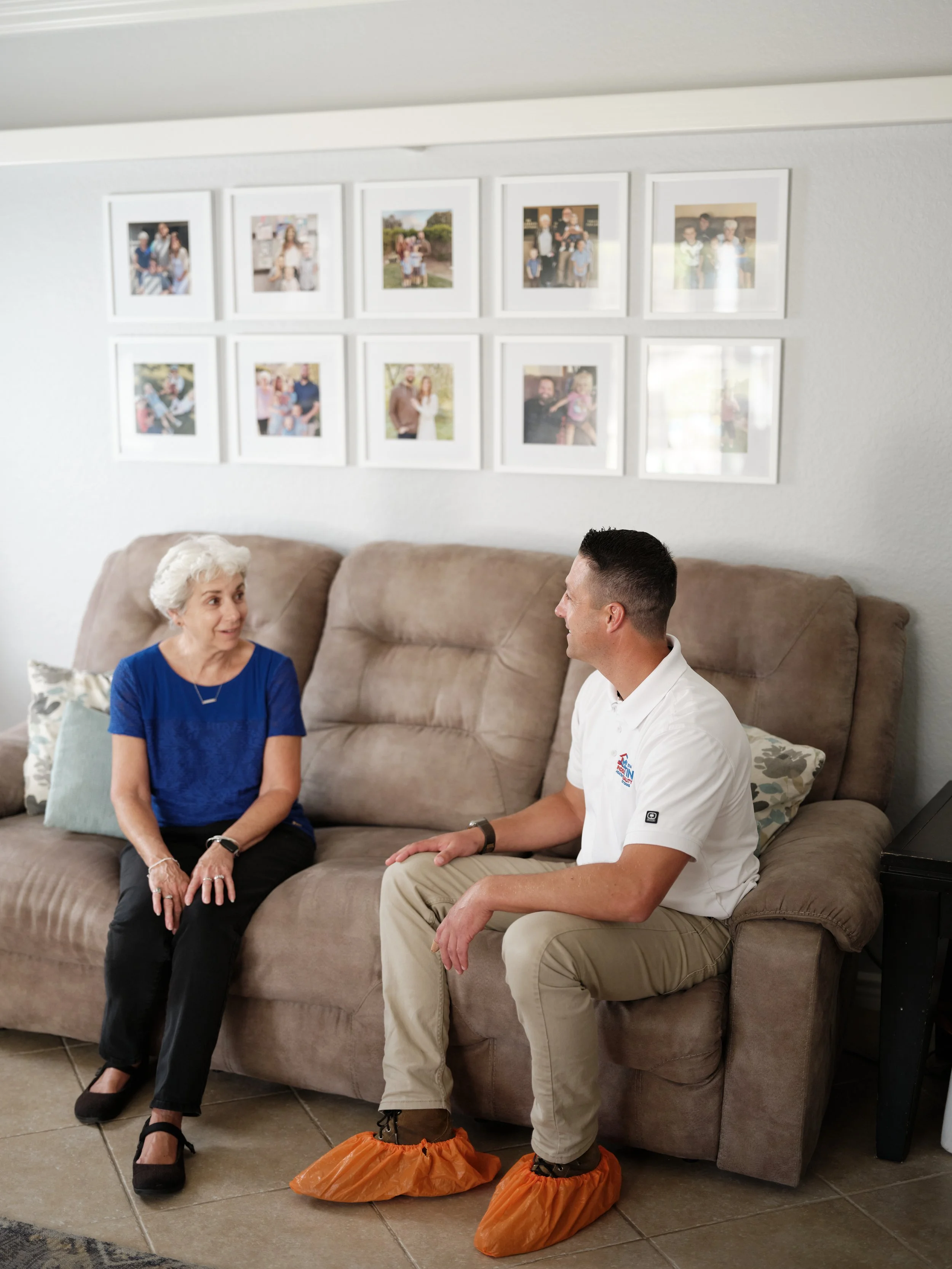
Closing vents in unused rooms seems like an easy way to save money on heating costs, but it actually does the opposite. Your HVAC system was designed as a balanced system with specific airflow throughout your entire home. When you close vents, you create excess pressure in your ductwork that forces your blower motor to work harder, worsens existing duct leaks by up to 60%, and can even crack your heat exchanger, which can be a $4,000 to $8,000 repair. Studies show closing vents saves only about 5% on heating costs while creating expensive problems, whereas simply lowering your thermostat by 3 degrees saves 9% with zero risk to your system. If you want real savings this winter, focus on strategies that actually work: adjust your thermostat, seal your ductwork, upgrade insulation, and maintain your equipment.

Merry Christmas from the J Martin Family
This time of year reminds us why we do what we do. It's not really about furnaces and air conditioners. It's about making sure families stay warm on cold nights, parents don't have to choose between emergency repairs and Christmas presents, and your home stays comfortable when the people you love gather around your table. We've been in countless Orange County homes this December, and every single time we're reminded that we're not just servicing equipment, we're protecting what matters most. From our family to yours, thank you for trusting J Martin Indoor Air Quality with your home comfort. May your holidays be warm, safe, and free of HVAC emergencies.
Pre-Holiday HVAC Checklist: Don't Let a Breakdown Ruin Your Gatherings
Your HVAC system is about to work harder than it has all year. Between packed houses full of guests, ovens running for hours, and Orange County's unpredictable December temperature swings, the holidays put serious stress on heating systems. If there's a weak point waiting to fail, hosting 15 people for Christmas dinner will find it. This pre-holiday HVAC checklist covers everything from simple DIY tasks like changing filters and testing thermostats to professional maintenance that catches problems before they become expensive emergency calls. Spend 30 minutes now checking your system, or spend Christmas morning on the phone with repair services while your guests shiver in the living room.
Why Your Heater Smells Weird When You First Turn It On (And When to Worry)
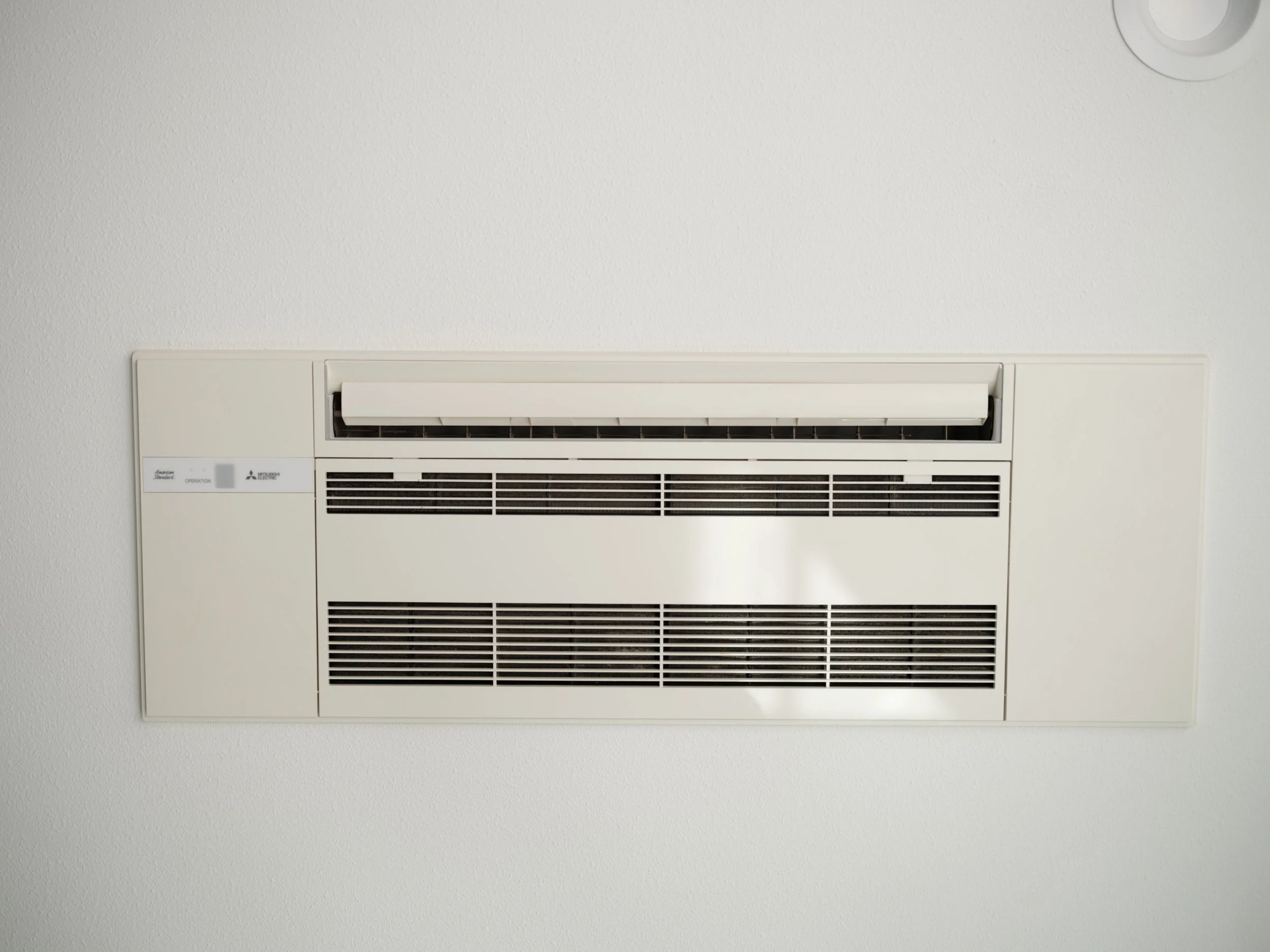
It happens every year in Orange County. You fire up the heater for the first time in months, and suddenly your house smells like burning dust, old gym socks, or something vaguely chemical. Before you panic and call for emergency service, let's talk about what's actually happening and when those smells cross the line from normal to "you need to shut this thing off right now." Most first-time heating smells are completely harmless. It's just dust burning off components that have sat idle for six to eight months. But some odors, like rotten eggs, burning plastic, or sharp metallic smells, signal serious problems that require immediate action. Learn which heater smells are normal, which ones are dangerous, and how to prevent that annual panic when you turn on your heat.
How Attic Insulation Affects Your HVAC Efficiency
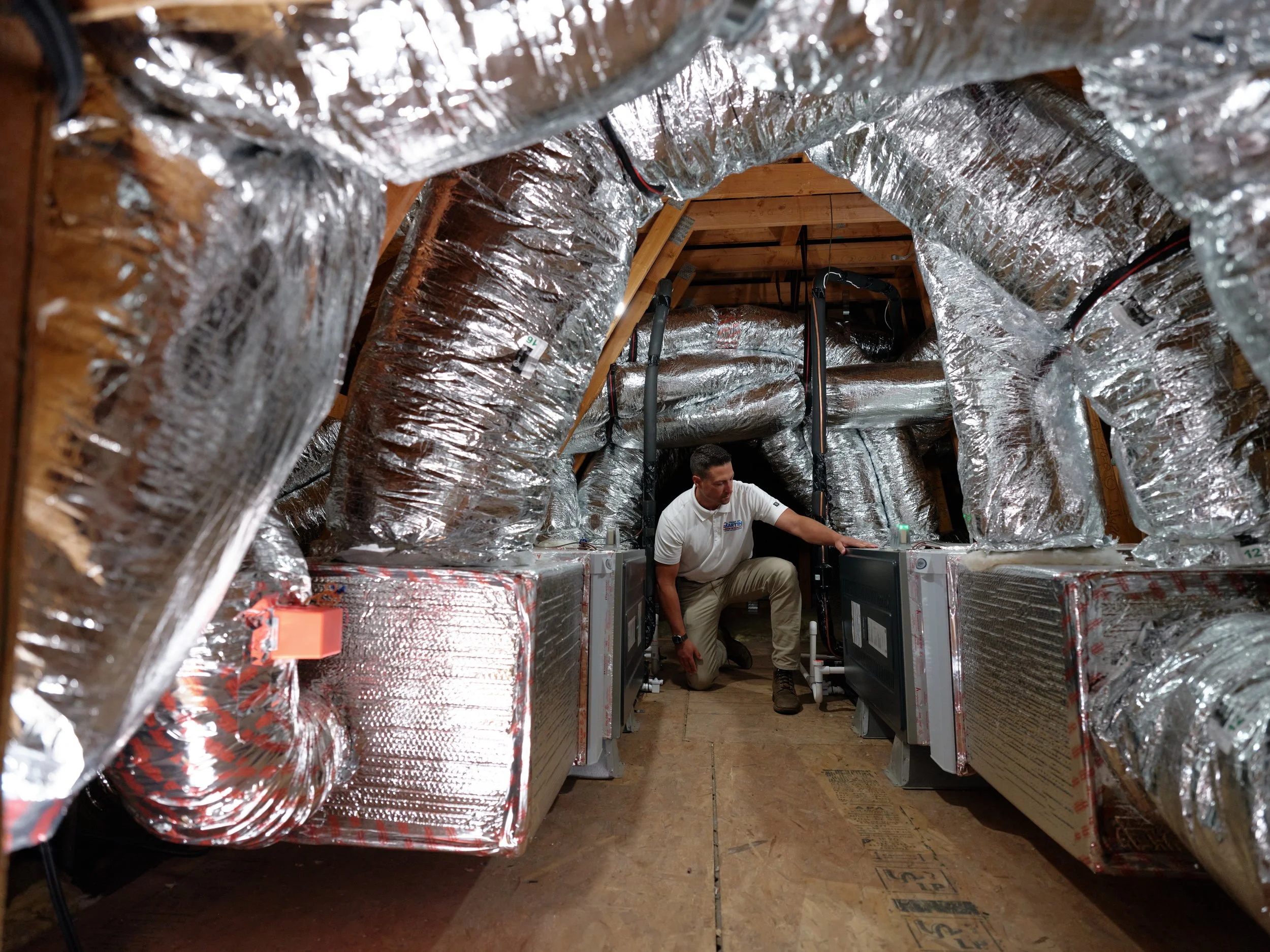
If your energy bills keep climbing and your HVAC system runs constantly, the problem might be hiding right above your ceiling. Attic insulation Orange County homeowners often overlook plays a massive role in how hard your heating and cooling system has to work. When insulation fails or wasn't installed correctly in the first place, your HVAC system compensates by running longer cycles, which drives up costs and shortens its lifespan. In Orange County's unique climate, where summer temperatures regularly hit the 90s and winter evenings can drop into the 40s, proper attic insulation becomes even more critical for maintaining comfort and controlling energy costs year-round.
How to Maximize HVAC Efficiency Without Spending Money
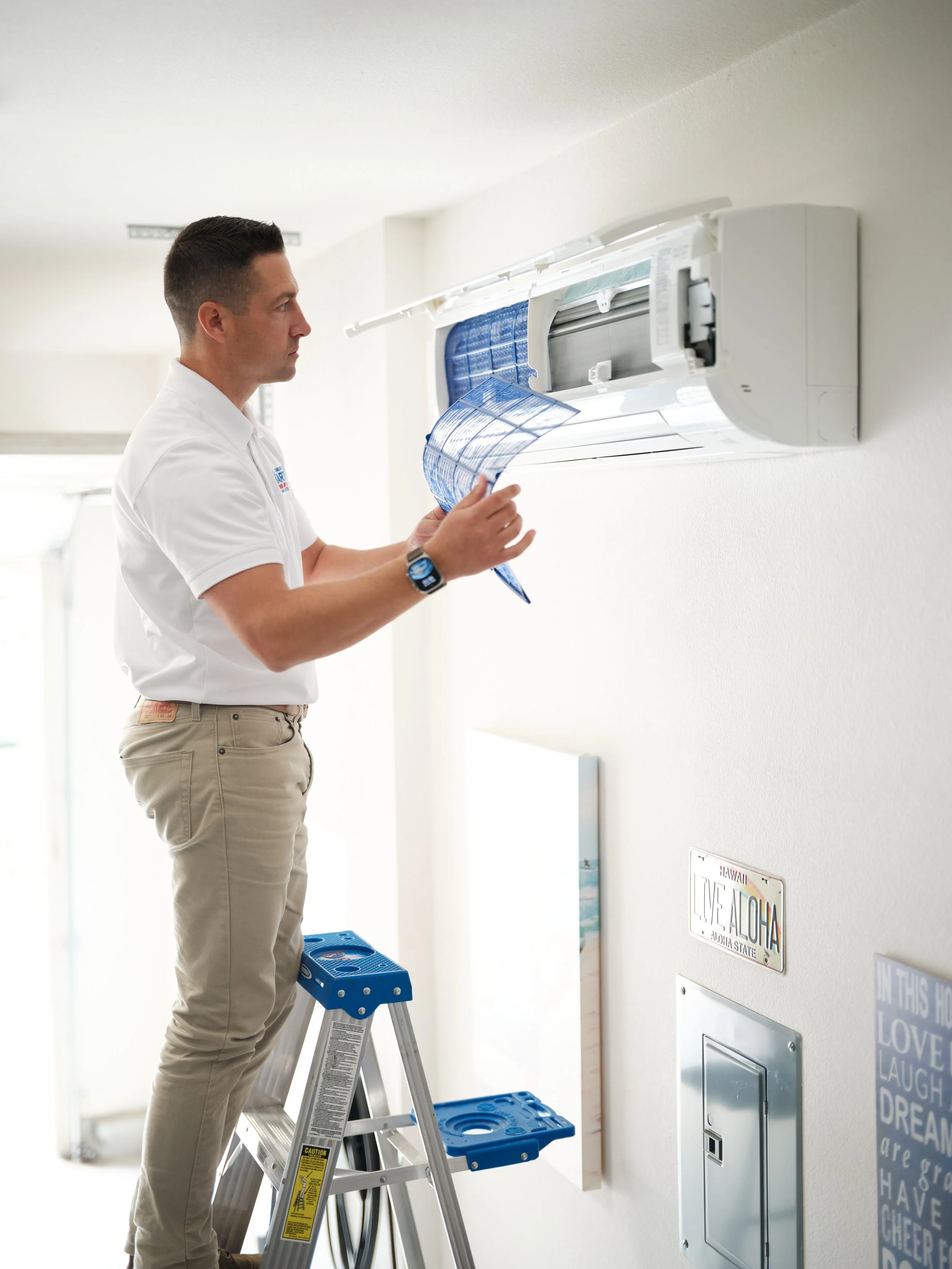
Want to lower your energy bills and improve your home's comfort without spending a dime? It's absolutely possible. The best HVAC efficiency tips don't require expensive equipment or professional installation. They just require a little knowledge and consistency. Simple changes like optimizing your thermostat settings, maximizing natural airflow, using shade strategically, and adjusting your daily habits can significantly reduce energy consumption. These free energy saving tips work particularly well in Orange County's climate, where hot summers and mild winters create specific opportunities to cut energy waste without sacrificing comfort.
How We Screen and Train Our HVAC Technicians
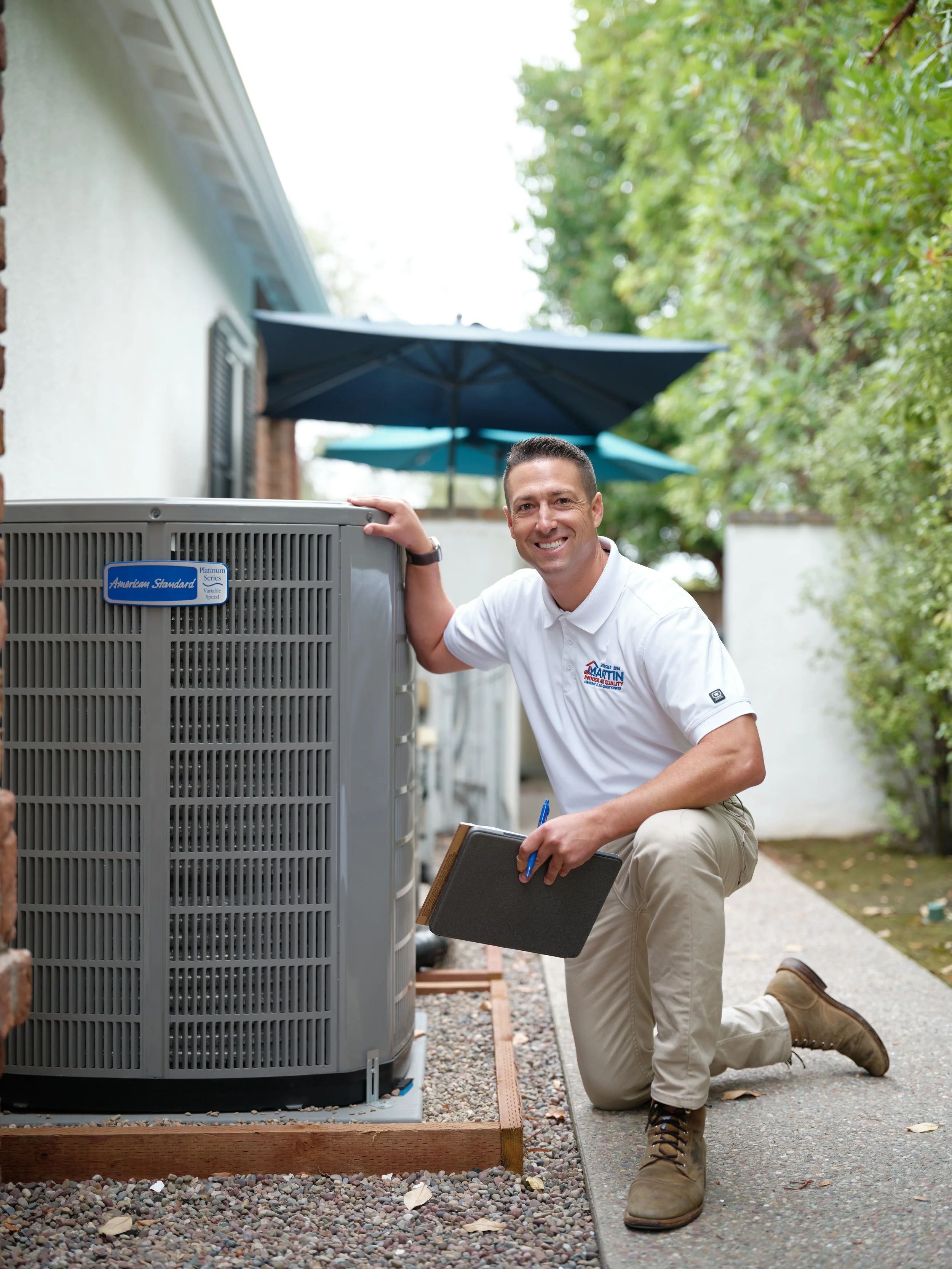
When you're looking for help with your heating or cooling system, one question matters more than anything else: can you trust the person coming into your home? At J Martin Indoor Air Quality, we understand that inviting someone into your space is a big decision. That's why all our technicians are highly trained, certified, and background-checked. Our commitment to quality starts with the people we hire. We don't just look for technical skills, we look for people who share the values that guide everything we do: treat others with respect, always do what's right, and never quit what you've started.

The Science of Indoor Comfort: Temperature, Humidity, and Air Quality
You know that feeling when you walk into a home and everything just feels right? The air is fresh, the temperature is perfect, and you can breathe easy. That's not magic or luck. It's indoor comfort science at work. Indoor comfort is about more than just setting your thermostat to 72 degrees and calling it a day. True comfort comes from the precise balance of three key factors: temperature, humidity levels, and air quality. When all three work together properly, your Orange County home feels amazing.
5 HVAC Maintenance Tasks You Can Do Yourself
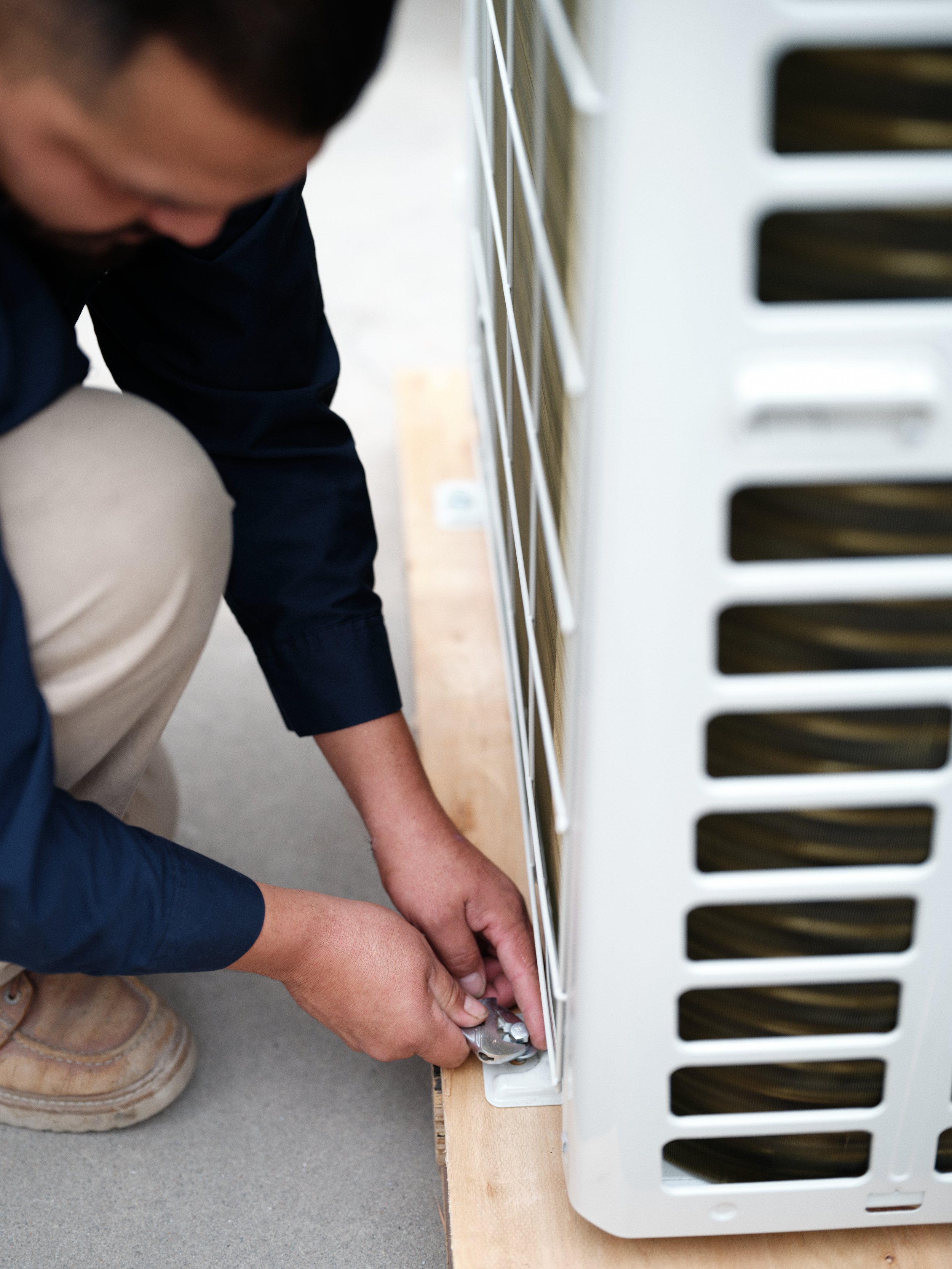
Your HVAC system works hard to keep your Orange County home comfortable through blazing summers and cool winters. When temperatures hit the high 90s in Yorba Linda or you're dealing with another round of Santa Ana winds, the last thing you want is a system breakdown. The good news? You don't need to be an HVAC technician to keep your system running smoothly. DIY HVAC maintenance can save you hundreds of dollars in repair costs, extend your system's lifespan by years, and help you catch small problems before they turn into major headaches.
The Complete Guide to Managing Humidity in Your Orange County Home
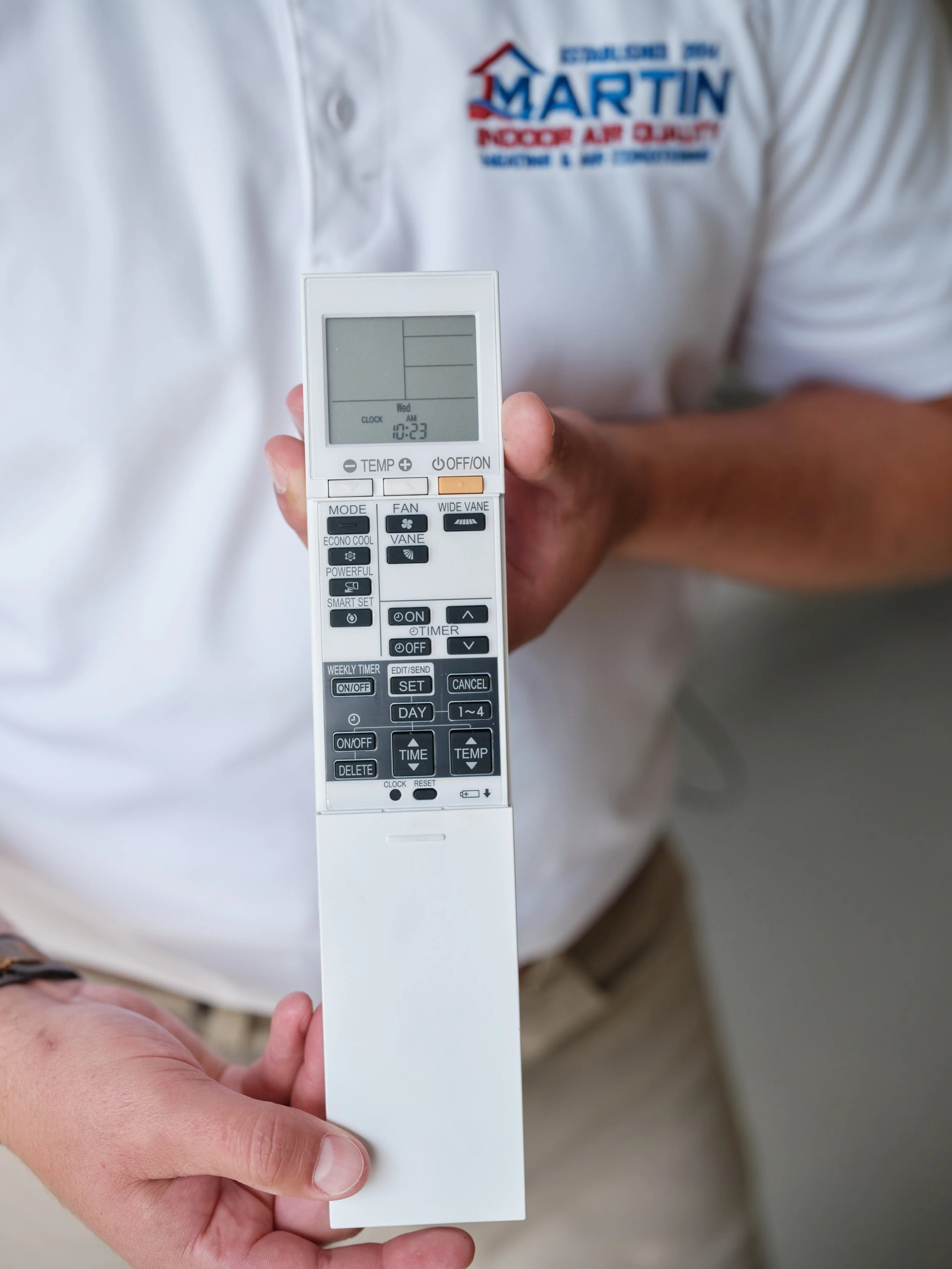
Have you ever walked into your Orange County home and felt like the air was just off? Maybe it's that dry, scratchy feeling in your throat during fall, or the clammy, sticky sensation on summer evenings. You're not imagining things. Your home's humidity levels are probably trying to tell you something, and learning to listen can make a world of difference in your comfort and health. Home humidity control isn't just about comfort. It's about protecting your family's health, preserving your home's structure, and yes, even saving money on energy bills. Whether you live near the coast in Huntington Beach or inland in Yorba Linda, understanding humidity management will help you create a healthier, more comfortable home environment.

Furnace Not Working: Common Causes and Quick Fixes
When your furnace stops working on a chilly Orange County night, you don't always need an expensive repair call. About half of all "furnace not working" service calls are actually simple fixes that take just minutes to solve—no technician required. The key is knowing which problems you can handle yourself, like replacing thermostat batteries or checking your air filter, and which ones involve safety concerns that need professional attention right away. This guide walks you through the most common furnace problems in order of what to check first, helping you troubleshoot effectively and understand when it's time to call for expert help. From thermostat issues to pilot light problems, you'll learn how to diagnose your heating system and get your home comfortable again quickly.
The Complete Guide to Air Duct Cleaning
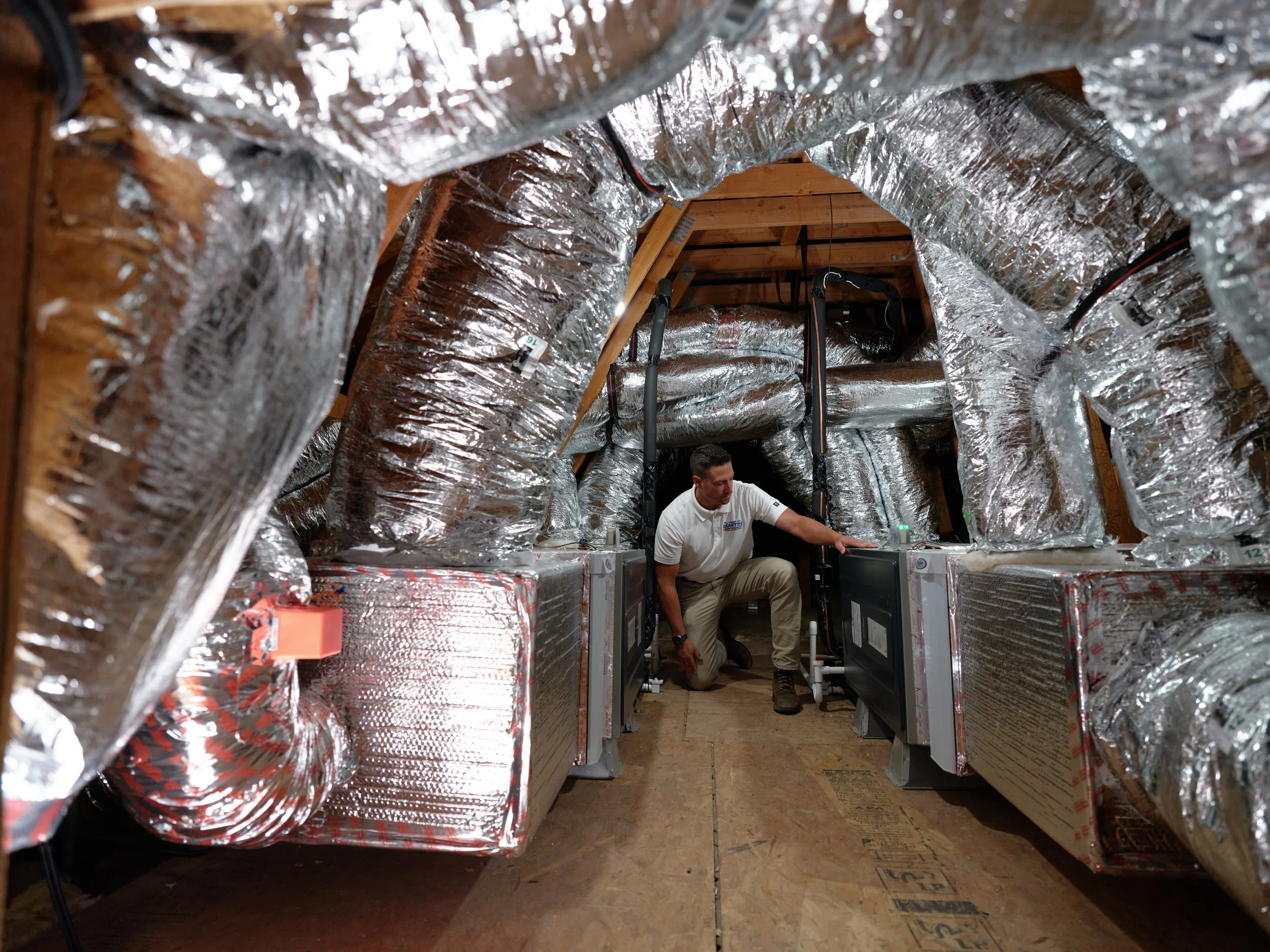
When was the last time you thought about what's hiding inside your air ducts? If you're like most Orange County homeowners, the answer is probably "never." But those hidden passages that carry air throughout your home can harbor years of dust, allergens, and debris that affect your family's health and your HVAC system's efficiency. Air duct cleaning isn't just about removing visible dust. It's about creating a healthier home environment and ensuring your heating and cooling system works as efficiently as possible. From recognizing the warning signs to understanding when to call professionals, this complete guide covers everything you need to know about maintaining clean air ducts in your home.
The True Cost of Skipping HVAC Maintenance
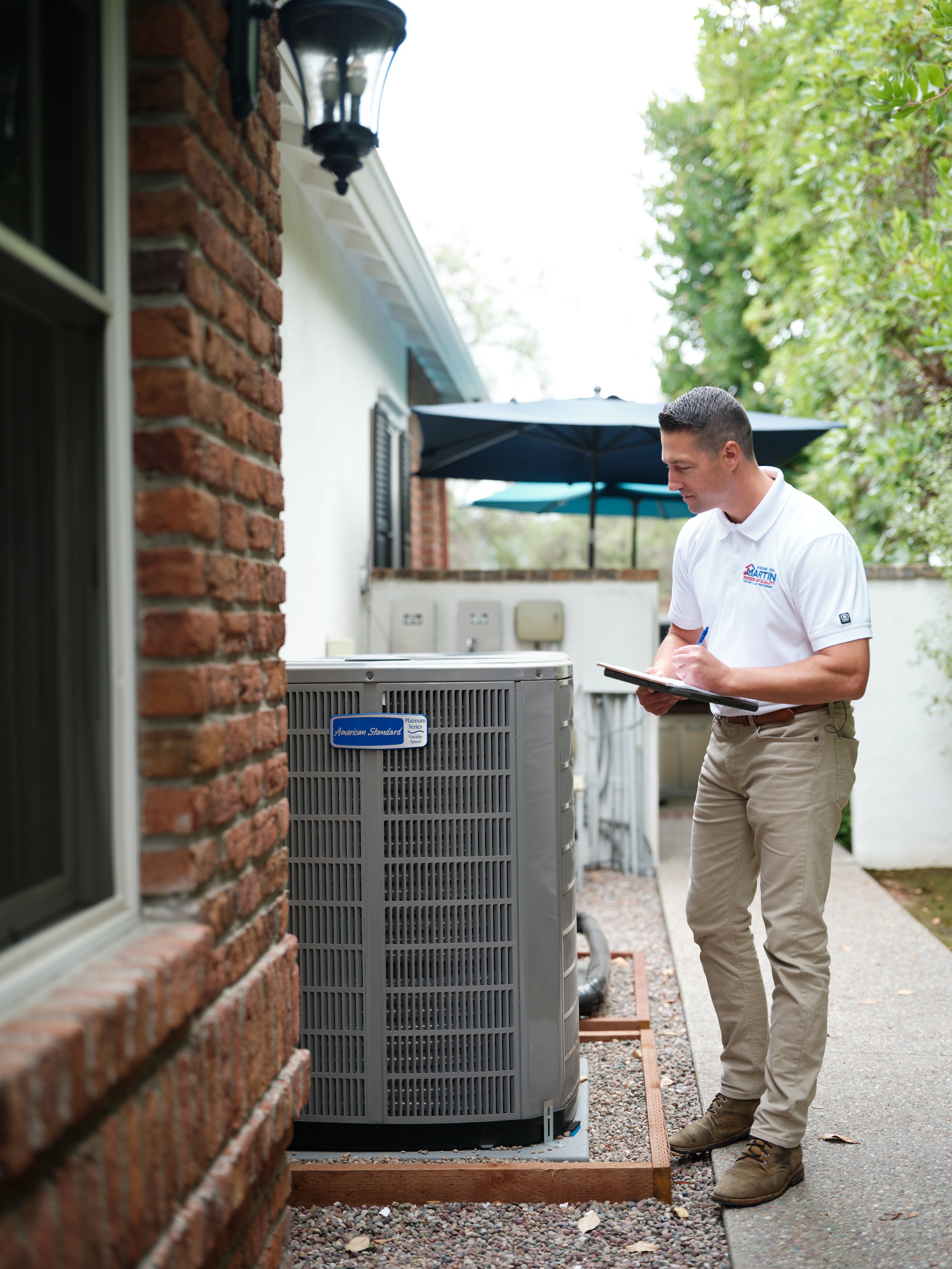
When was the last time you thought about your HVAC system? If it's keeping your home cool, most of us don't give it a second thought. We're busy with work, family, and a million other things that feel more urgent than scheduling maintenance for equipment that seems to be working just fine. But here's what most Orange County homeowners don't realize until it's too late: that "just fine" system is costing you more money every single day you put off maintenance. The real HVAC maintenance cost isn't what you pay for annual service—it's what you lose by not getting it. When you skip that yearly tune-up, you're essentially choosing to pay more for everything: higher utility bills every single month, repairs that cost three to five times more than preventive care, and replacing your entire system up to a decade early. For the average Orange County home, we're talking about thousands of dollars over just a few years.
Signs Your Home Has Poor Indoor Air Quality
You wake up with a headache again. Your allergies seem worse indoors than outside. Your family has been coughing for weeks, and no one can figure out why. Poor indoor air quality affects millions of Orange County homeowners, often without them realizing it. The air inside your home can be 2 to 5 times more polluted than outdoor air, especially concerning in areas like Yorba Linda where we spend so much time indoors escaping the heat. The warning signs are there if you know what to look for: persistent health symptoms that improve when you leave the house, dust that reappears days after cleaning, lingering odors you can't eliminate, and uneven temperatures throughout your home. Once you recognize these signs of poor air quality symptoms, you can take action to protect your family's health. Whether it's something you can fix yourself or time to call in professionals for indoor air quality testing, understanding these warning signs is the first step toward breathing easier at home.