
Carbon Monoxide Safety: What Every Orange County Homeowner Should Know This Winter
Updated on May 18, 2026
Carbon monoxide is called the silent killer for a reason. You can't see it, smell it, or taste it. By the time you notice symptoms, you might already be in serious danger. And winter is when CO poisoning spikes, because that's when furnaces that sat idle all summer suddenly run constantly, pushing any existing problems to the breaking point.
According to the CDC, more than 400 Americans die from unintentional carbon monoxide poisoning each year, and over 100,000 visit emergency rooms. Most of these incidents happen during winter months when heating systems run the hardest. If you have a gas furnace, fireplace, or attached garage in your Orange County home, you need to understand how CO forms, what warning signs to watch for, and how to protect your family — and when a furnace repair in Orange County is the right call versus a full system replacement.
What Is Carbon Monoxide and Why Is It So Dangerous?
Carbon monoxide (CO) is a colorless, odorless gas produced when any fuel burns incompletely. Your furnace, water heater, gas stove, and fireplace all produce CO as a normal byproduct of combustion. Under normal conditions, these appliances vent CO safely outside your home through flues and chimneys.
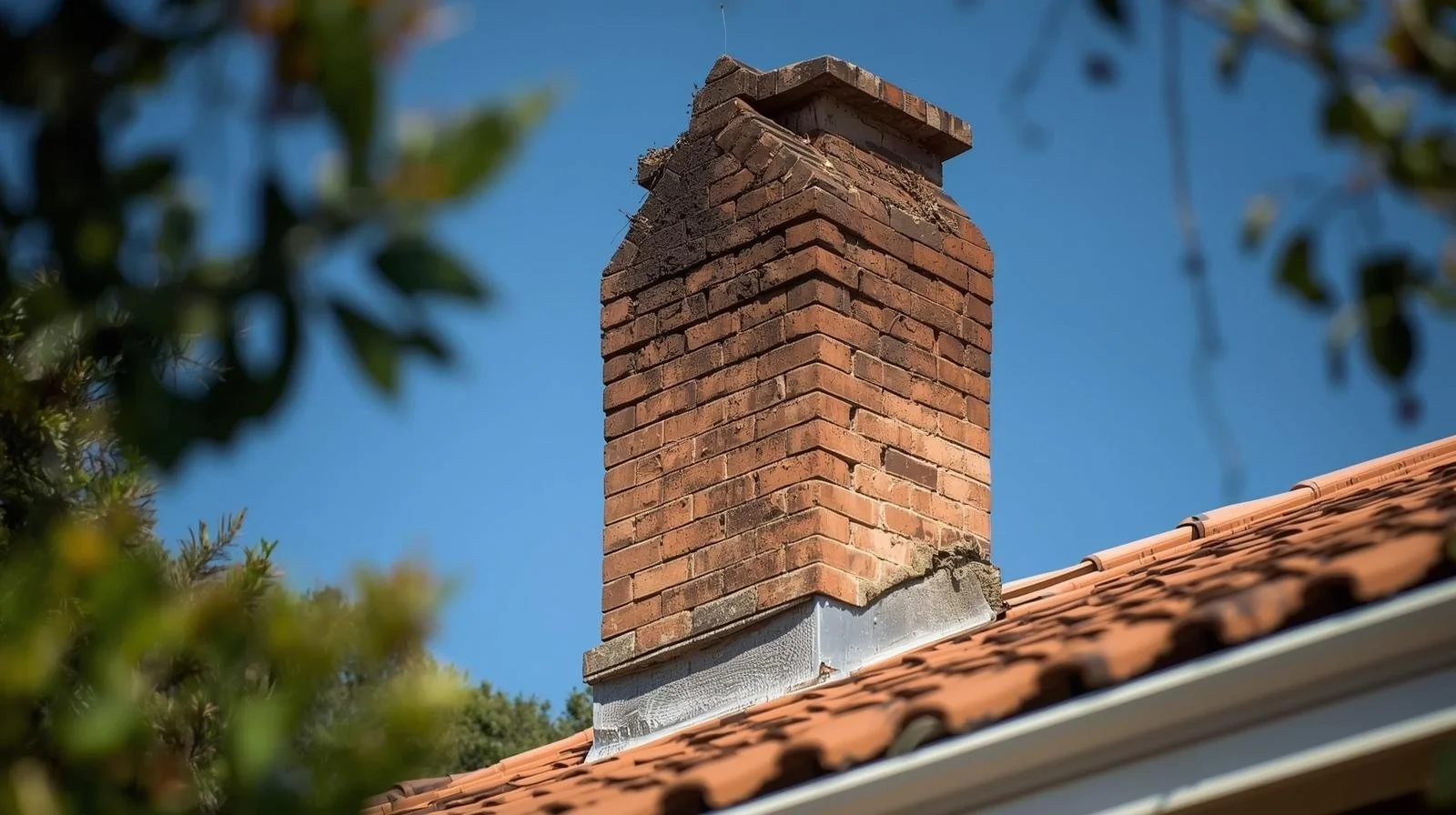
See visible damage to your chimney or flue? Don't run your furnace until it's inspected. J Martin offers same-day safety inspections in Orange County. Call (714) 406-0894.
The danger comes when something prevents proper venting. A cracked heat exchanger. A blocked chimney. Poor installation. Insufficient ventilation. When CO can't escape, it builds up inside your home. And when you breathe it in, it replaces oxygen in your blood.
According to Johns Hopkins Medicine, CO prevents your body from using oxygen correctly. At low levels, it causes headaches and dizziness. At moderate levels, you experience confusion, nausea, and chest pain. At high concentrations, it can cause loss of consciousness and death within minutes. The truly frightening part: people who are sleeping can die from CO poisoning without ever waking up.
How Furnaces Produce Carbon Monoxide (And When It Becomes a Problem)
Your gas furnace burns natural gas to create heat. This combustion process produces CO as a byproduct, along with other gases. In a properly functioning furnace, here's what happens:
1. Gas burns in the combustion chamber
2. Hot combustion gases move into the heat exchanger
3. Air from your home passes over the outside of the heat exchanger, absorbing warmth
4. The combustion gases (including CO) vent safely outside through your flue
The heat exchanger is the critical safety barrier. It keeps combustion gases completely separate from the air that circulates through your home. But heat exchangers don't last forever.
What Causes CO Leaks in Homes
Cracked heat exchangers: Over years of heating and cooling cycles, metal fatigue causes cracks to develop. Even tiny cracks allow CO to leak into your home's air supply. This is the most common and most dangerous furnace-related CO hazard.
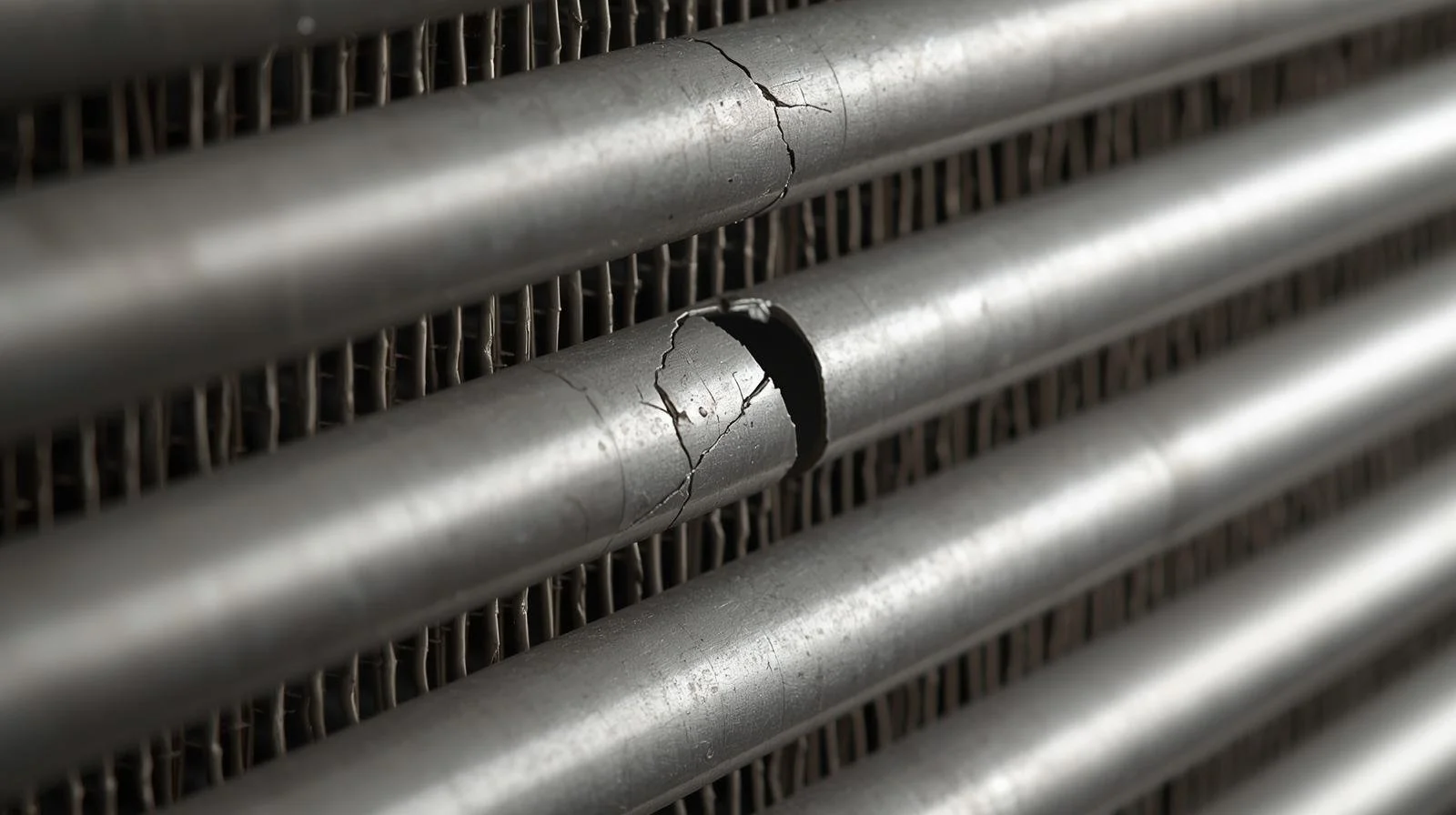
Heat exchangers don't crack overnight. Years of heating and cooling cycles cause metal fatigue that eventually leads to failure. Most homeowners never see this coming. That's exactly why annual inspections matter.
Blocked or damaged flues: Birds build nests in chimneys. Debris accumulates. Flue pipes corrode. When exhaust can't vent properly, CO backs up into your home. In Orange County, we occasionally see wasp nests blocking vents during warmer months that become deadly when the heat kicks on.
Improper installation: Exhaust pipes with incorrect slope, multiple unnecessary bends, or reduced diameter can cause combustion gases to enter living spaces. This is why professional installation matters.
Insufficient combustion air: Furnaces need fresh air for complete combustion. When furnaces are installed in small, sealed spaces without proper ventilation, they can't get enough oxygen. This causes incomplete combustion and excessive CO production.
Poor maintenance: Dirty burners don't burn fuel completely. Clogged filters restrict airflow, causing overheating and potential heat exchanger damage. Neglected systems are CO hazards waiting to happen.
Recognizing the Symptoms of Carbon Monoxide Poisoning
CO poisoning symptoms are often mistaken for the flu, which is partly why it's so dangerous. According to Cleveland Clinic, the most common early symptoms include:
• Headache (often the first symptom)
• Dizziness and weakness
• Nausea and vomiting
• Shortness of breath
• Chest pain
• Confusion and disorientation
Here's the critical pattern to watch for: symptoms that improve when you leave your home and return when you come back. If your whole family gets "the flu" at the same time, but everyone feels better at work or school, that's not the flu. That's carbon monoxide.
At higher concentrations, CO poisoning progresses to seizures, loss of consciousness, and death. The elderly, young children, and people with heart or respiratory conditions are particularly vulnerable. Pets often show symptoms before humans do, because they're smaller and breathe faster.
Physical Warning Signs Beyond Symptoms
Your furnace and home may show physical signs of CO problems before anyone gets sick:
Yellow or orange pilot light: A healthy pilot light burns bright blue. Yellow or orange flames indicate incomplete combustion and likely CO production.
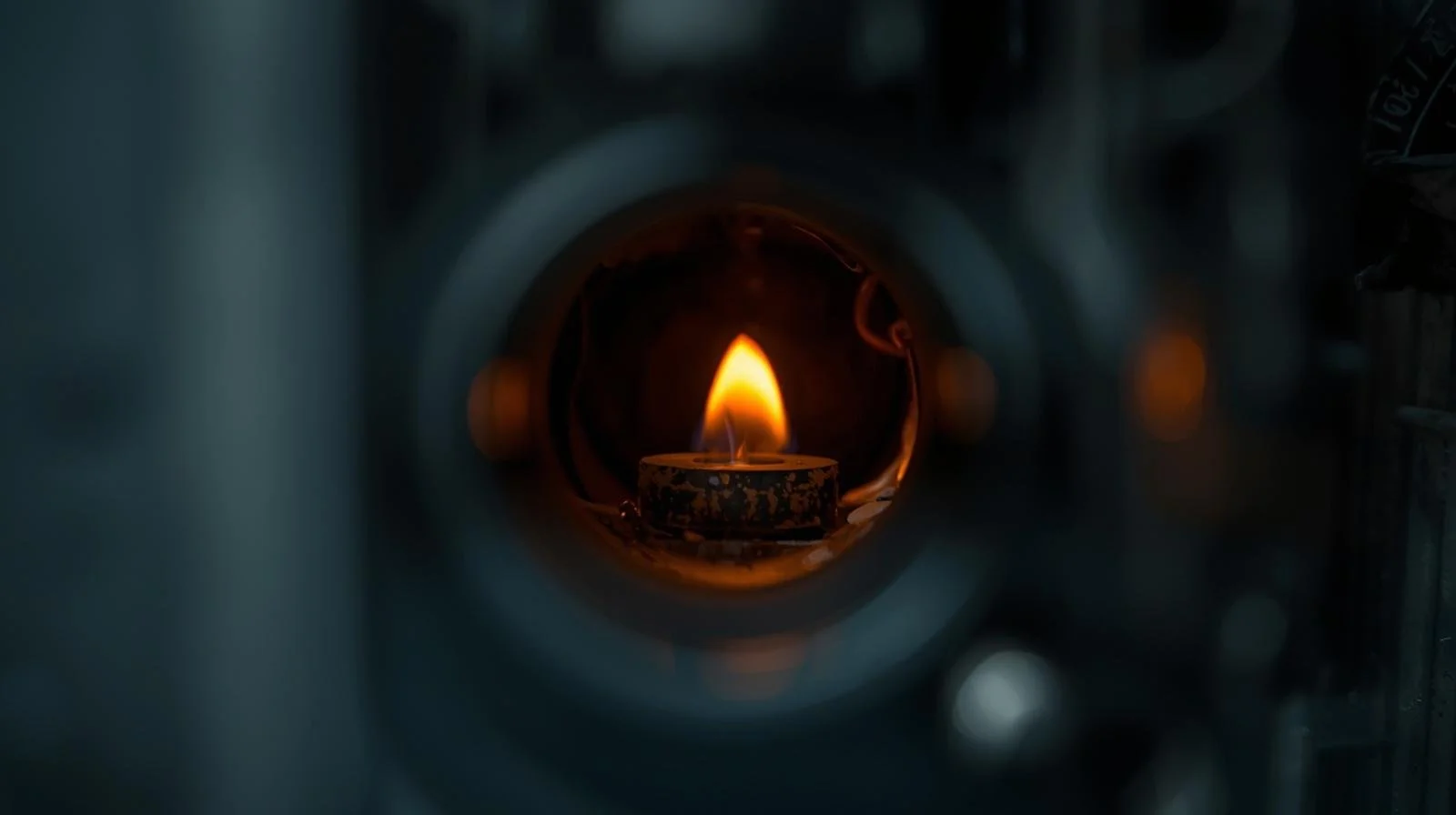
Your pilot light should burn bright blue, not yellow or orange. If you see this color, your furnace isn't burning cleanly and may be producing carbon monoxide. Call J Martin for immediate inspection: (714) 406-0894.
Soot or scorch marks: Black or brown staining around your furnace, fireplace, or appliances indicates poor combustion and inadequate venting.
Excessive condensation: While condensation on windows doesn't directly indicate CO, it can signal ventilation problems that might also affect combustion appliances.
Pilot light keeps going out: Frequent pilot light outages can indicate ventilation issues or problems with the burner assembly.
Strange furnace behavior: If your furnace cycles on and off frequently, makes unusual noises, or seems to struggle, these can be early warnings of serious problems.
California Law Requires Carbon Monoxide Detectors
Since 2011, California law has required CO detectors in all homes with gas appliances or attached garages. This isn't optional. It's the law. And it's there because CO detectors save lives.
Under California's Carbon Monoxide Poisoning Prevention Act (Health & Safety Code § 13261), detectors must be:
• Approved by the State Fire Marshal
• Installed outside each sleeping area
• Installed on every level of your home, including basements
• Battery-powered or plug-in with battery backup
• Capable of producing a distinct audible alarm
Combination smoke and CO detectors are acceptable as long as they produce different alarm sounds for each hazard. The typical lifespan of a CO detector is seven years. After that, the sensors degrade and become unreliable. Check the manufacture date on your detectors and replace them if they're past their expiration.
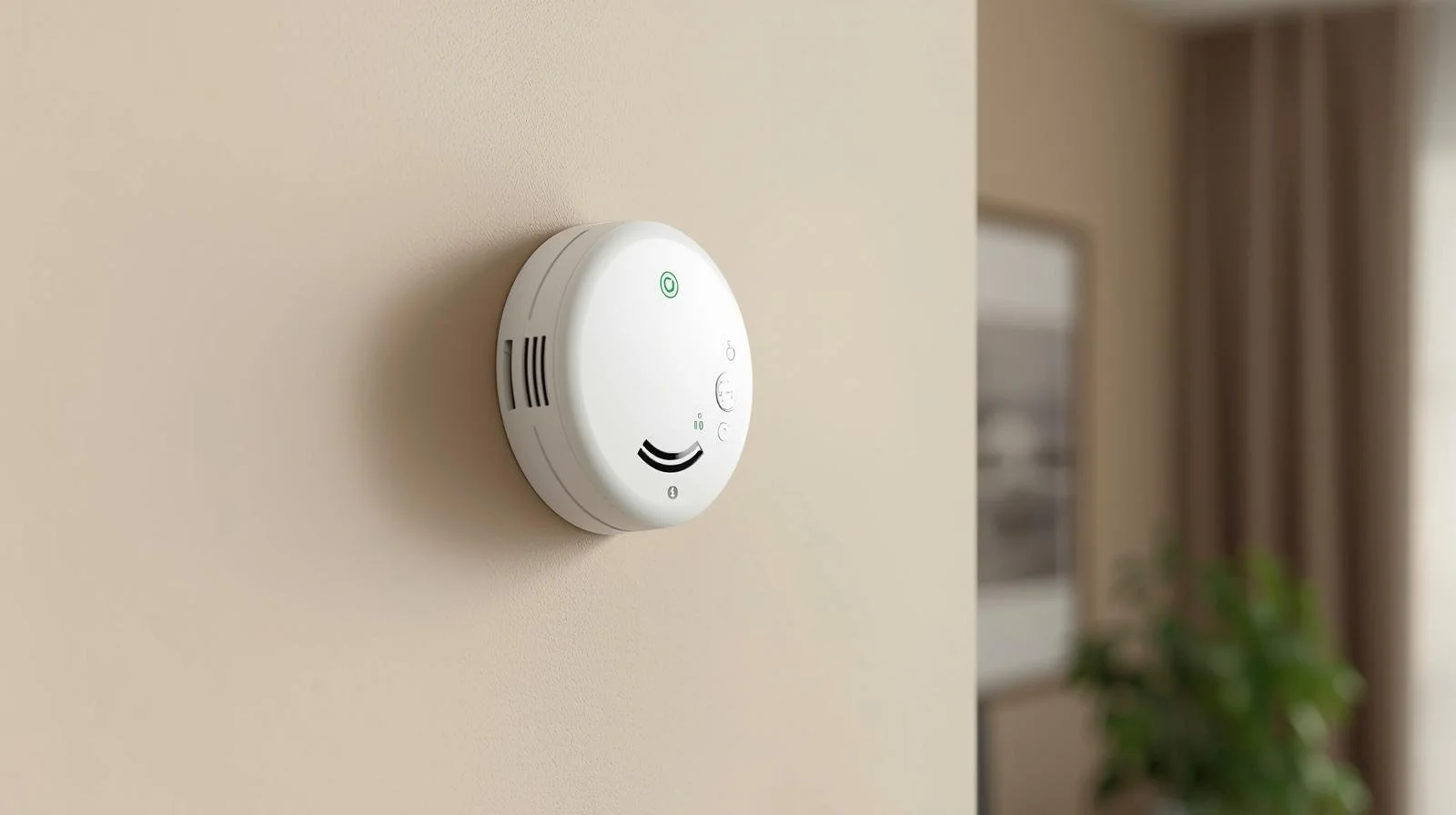
Most homeowners don't know CO detectors expire after 7 years. Check the manufacture date on yours right now. If it's older than 2018, the sensors have degraded and it won't protect your family when it matters most.
What to Do If Your CO Detector Goes Off
If your carbon monoxide detector alarms, treat it as a life-threatening emergency. Don't assume it's malfunctioning. Don't try to find the source. Get out.
1. Evacuate immediately: Get everyone, including pets, out of the house. Don't stop to grab belongings.
2. Call 911 from outside: Once you're safely outside with fresh air, call emergency services. They'll send the fire department with CO detection equipment.
3. Don't go back inside: Wait for emergency responders to clear your home. Even if the alarm stops, CO may still be present.
4. Seek medical attention: If anyone shows symptoms of CO poisoning, they need immediate medical evaluation. CO poisoning can cause lasting damage even after exposure ends.
5. Have your system inspected: Before using your heating system again, have a qualified HVAC technician identify and fix the source of the CO leak.
How to Prevent Carbon Monoxide Problems
Schedule Annual Furnace Maintenance
This is the single most important step you can take to prevent CO poisoning. Professional maintenance catches problems before they become hazards. A thorough inspection includes:
• Visual inspection of the heat exchanger for cracks or corrosion
• Testing the ignition system and safety controls
• Checking the flue and venting system for blockages
• Cleaning burners and adjusting flame quality
• Measuring airflow and combustion efficiency
Schedule maintenance in fall, before you start using your heater regularly. Don't wait until you smell something wrong or notice symptoms. For more information, read our article on the true cost of skipping HVAC maintenance to understand why this matters. Our maintenance services include comprehensive safety checks specifically designed to identify CO hazards.
Change Your Air Filter Regularly
Clogged filters restrict airflow, which can cause your heat exchanger to overheat and crack. Replace filters every 1 to 3 months depending on use, pets, and air quality. This simple task prevents expensive damage and potential CO leaks.
Have Your Chimney Inspected and Cleaned
If you have a fireplace or use your chimney for furnace venting, have it inspected and cleaned annually. Creosote buildup, bird nests, and structural damage can all block proper venting. The National Fire Protection Association recommends annual chimney inspections for all solid-fuel burning appliances.
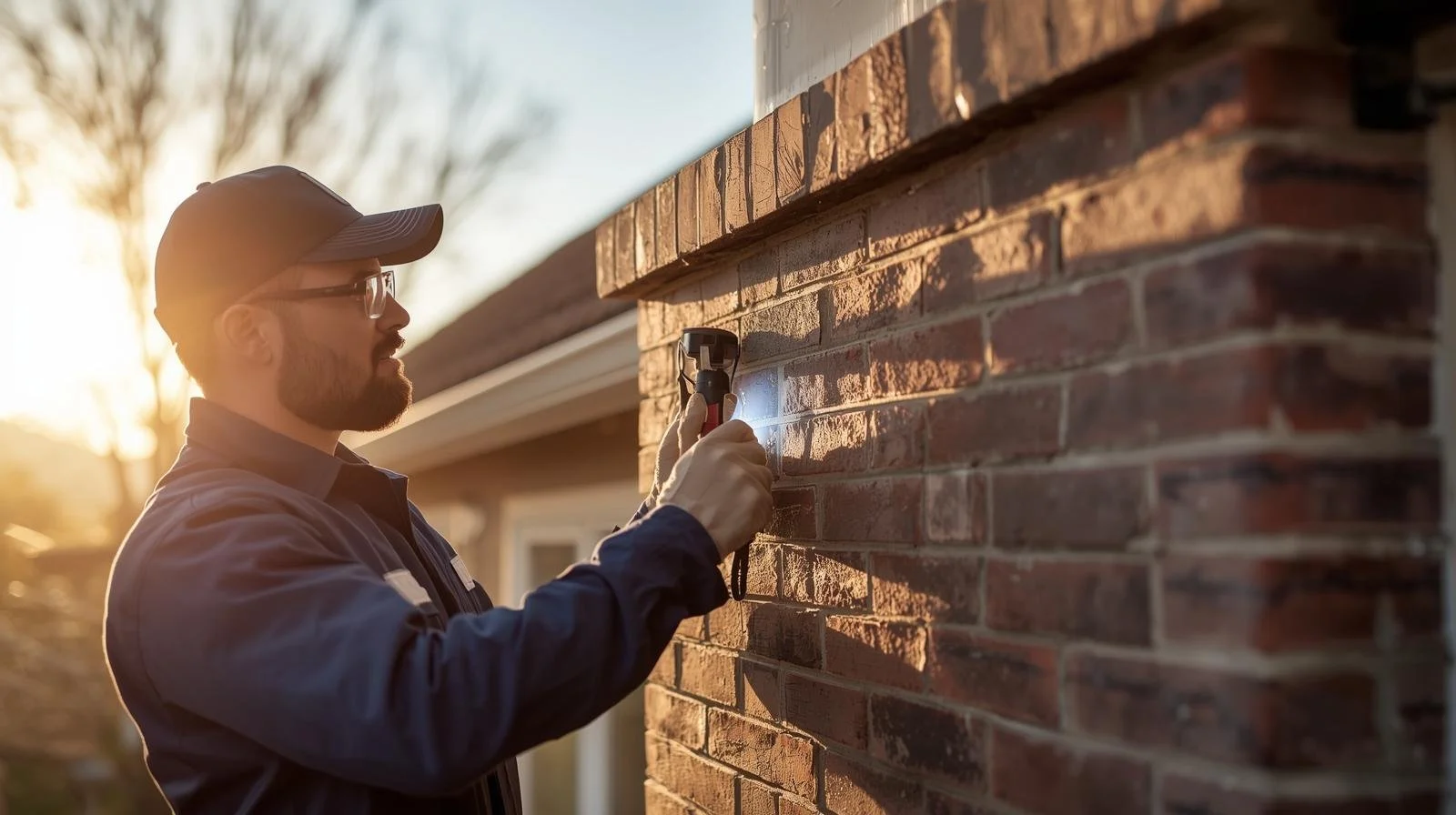
You can't see inside your chimney from the ground. That's the problem. Blockages develop over months or years, and most homeowners never know until something goes wrong. Annual inspections catch these problems before they become CO emergencies.
Never Use Gas Appliances for Heating
Your gas stove or oven is not a heater. Running these appliances for warmth creates dangerous CO levels in your home. Similarly, never run generators, grills, or other gas-powered equipment inside your house or garage, even with doors open.
Watch for Warning Signs
Pay attention to your furnace's behavior. Strange smells (beyond normal dust-burning), unusual noises, or visible soot are all reasons to call for service immediately. Our post on furnace not working: common causes and quick fixes covers what normal furnace operation looks like and when to be concerned.
Your Family's Safety Is Not Negotiable
Carbon monoxide poisoning is completely preventable. It requires three things: properly maintained equipment, working CO detectors, and knowing what to do if something goes wrong. That's it. But you have to actually do these things. You can't skip maintenance because your furnace seems fine. You can't ignore detector warnings because they're inconvenient.
Winter in Orange County means your heating system will run more than any other time of year. If there's a problem, winter will expose it. The time to address potential CO hazards is now, before the first cold night when you really need your heater.
At J Martin Indoor Air Quality, safety isn't something we talk about to make a sale. It's the foundation of everything we do. Every maintenance visit includes comprehensive safety checks. Every repair follows protocols designed to protect your family. We're not just fixing equipment. We're making sure Orange County families can heat their homes without fear.
If you haven't had your heating system inspected this year, or if you have any concerns about CO safety in your home, don't wait. Visit our services page to learn about our heating services and safety inspections, or contact us to schedule an appointment. This is one area where being proactive literally saves lives.
J Martin Indoor Air Quality | (714) 462-4686 | Services
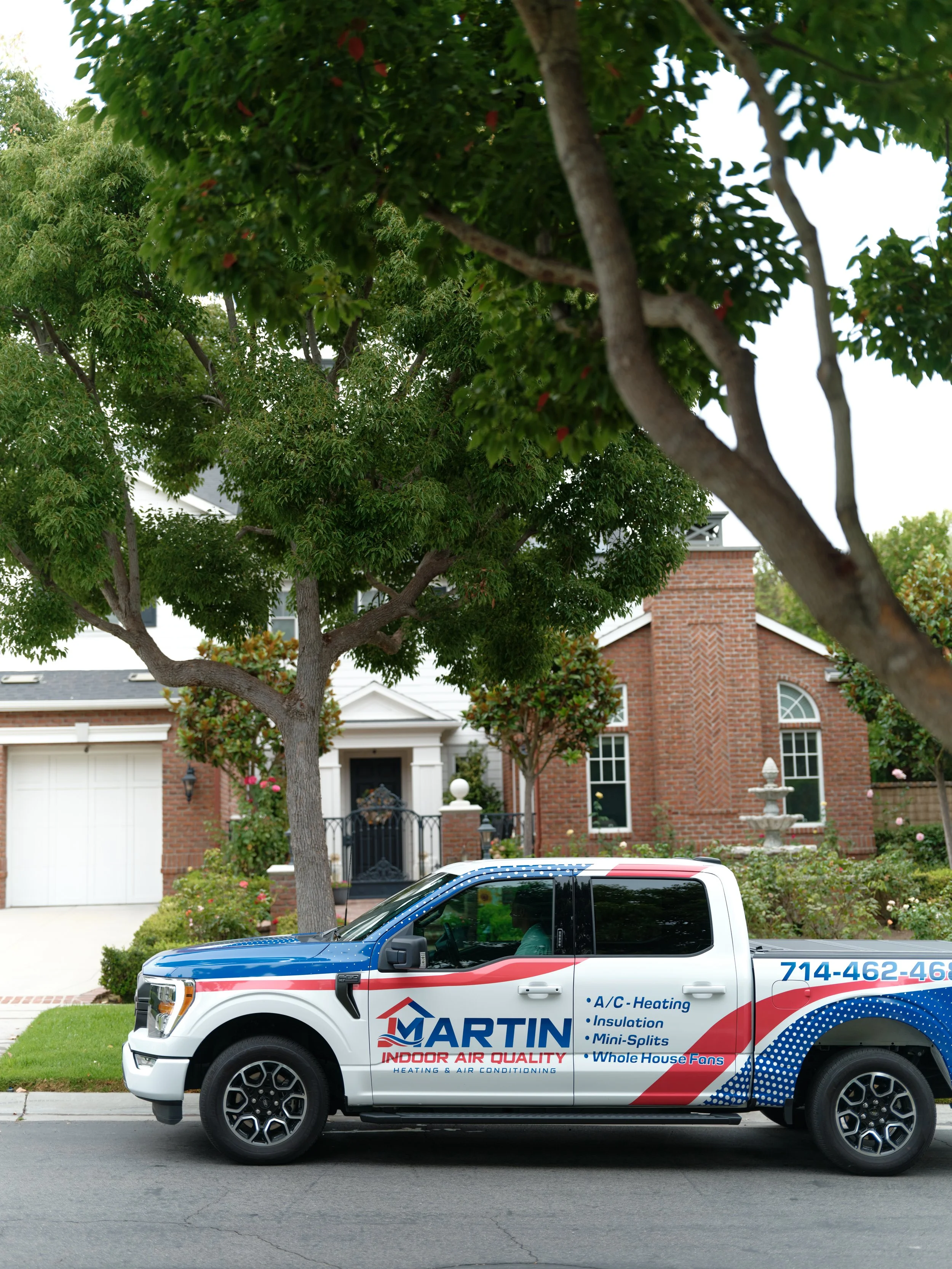
Professional heating service and CO safety inspections throughout Orange County. Call J Martin: (714) 406-0894.