
The Complete Guide to Managing Humidity in Your Orange County Home
Updated on December 30, 2025
Have you ever walked into your Orange County home and felt like the air was just off? Maybe it's that dry, scratchy feeling in your throat during fall, or the clammy, sticky sensation on summer evenings. You're not imagining things. Your home's humidity levels are probably trying to tell you something, and learning to listen can make a world of difference in your comfort and health.
Home humidity control isn't just about comfort. It's about protecting your family's health, preserving your home's structure, and yes, even saving money on energy bills. Whether you live near the coast in Huntington Beach or inland in Yorba Linda, understanding humidity management will help you create a healthier, more comfortable home environment. The ideal indoor humidity level sits between 30% and 50%, but achieving that balance in Orange County requires understanding your specific climate zone and the right equipment for your needs.

Orange County's climate creates two completely different humidity challenges often just miles apart. Coastal areas battle excess moisture from marine layers, while inland communities deal with bone-dry air during Santa Ana winds. J Martin helps Orange County homeowners understand their specific humidity needs and install the right whole-home solutions, whether you need humidification, dehumidification, or both seasonally.
Let's walk through everything you need to know about managing humidity, from understanding the basics to knowing exactly when to add moisture and when to remove it.
Understanding Humidity and Why It Matters
Humidity is simply the amount of water vapor in the air, and your body is incredibly sensitive to it. When humidity levels are right, you barely notice. When they're off, everything feels uncomfortable. Learn the science behind indoor air comfort in this blog post.
Low humidity (below 30%) causes dry skin, irritated sinuses, increased static electricity, and respiratory discomfort. You'll notice cracked wood furniture, peeling wallpaper, and even gaps in your hardwood floors. High humidity (above 50%) creates the perfect breeding ground for mold, dust mites, and bacteria. It makes your home feel muggy, triggers allergies, and can even damage your home's structure over time.
Here's something many Orange County homeowners don't realize: your HVAC system plays a huge role in humidity control. When your air conditioner runs, it naturally removes some moisture from the air. But that doesn't mean it's doing enough, especially if your system is oversized or if you're dealing with our unique coastal conditions.
Orange County's Unique Humidity Challenges
Living in Orange County means dealing with two very different climate zones, often just miles apart. If you're near the coast in areas like Seal Beach or Newport Beach, you're dealing with marine layer moisture that rolls in most mornings. The air feels damp and heavy, especially during June Gloom and the summer months.
Head inland to Yorba Linda, Anaheim, or Fullerton, and it's a completely different story. These areas get hot and dry, particularly in summer and fall. The Santa Ana winds can push humidity levels down to uncomfortable lows, making the air feel almost desert-like.
The temperature swings matter too. Coastal areas stay relatively stable year-round, but inland communities can see 40-degree differences between day and night during certain seasons. These swings affect how your home holds and releases moisture throughout the day.
What makes this particularly tricky is that many Orange County homes don't have proper humidity control systems in place. Your air conditioner helps during summer, but it wasn't designed to be your primary humidity management tool.
The Difference Between Humidifiers and Dehumidifiers
Think of humidifiers and dehumidifiers as opposite tools for opposite problems. A humidifier adds moisture to dry air, while a dehumidifier removes excess moisture from humid air. Choosing the right one (or sometimes both) depends entirely on your specific situation.
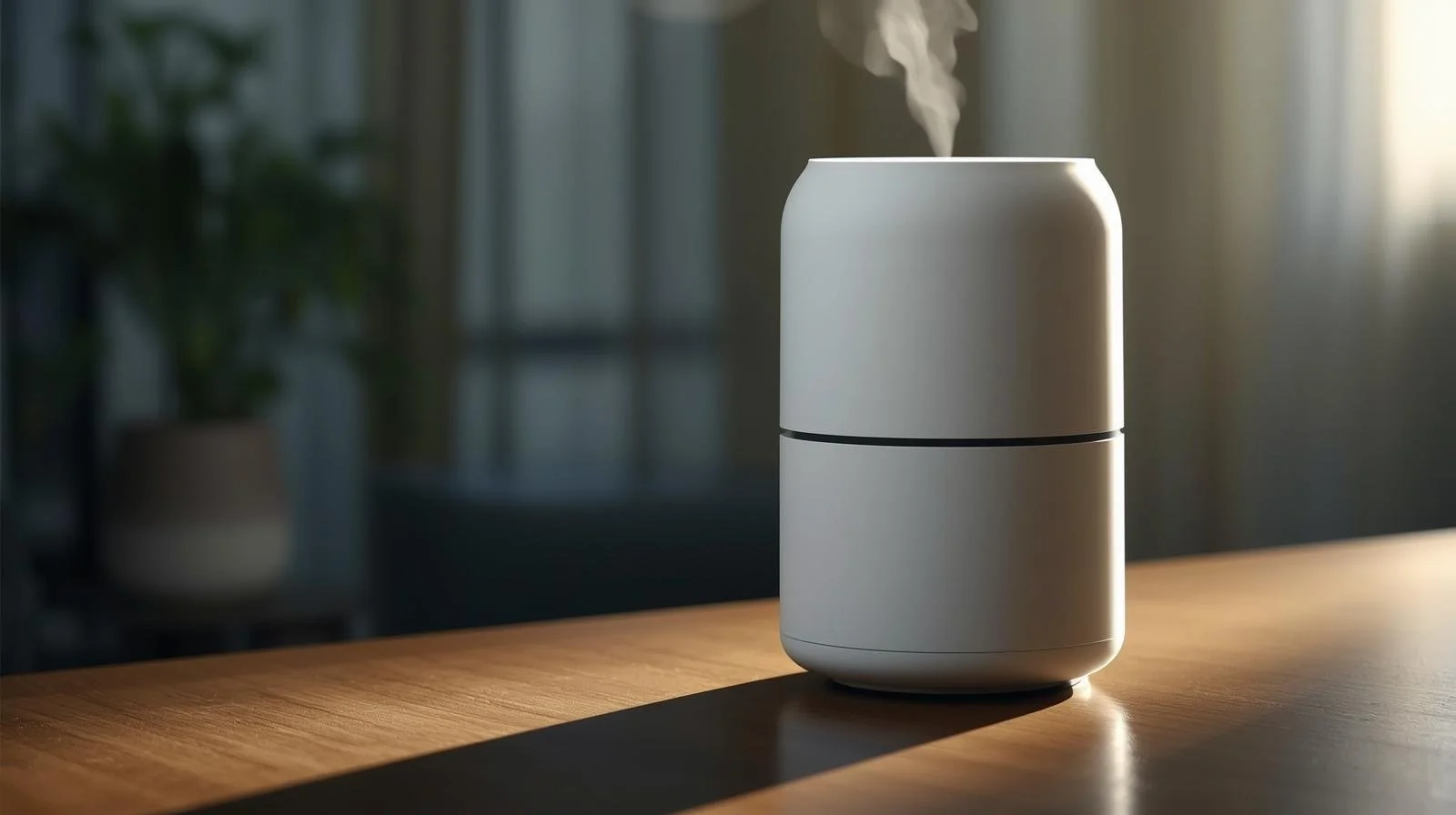
Portable humidifiers work well for single rooms, but if you're running multiple units throughout your home, you're working too hard. J Martin installs whole-home humidification systems that integrate with your HVAC to maintain ideal 30-50% humidity levels automatically in every room. No refilling tanks, no constant maintenance, just consistent comfort throughout your Orange County home.
Humidifiers work by releasing water vapor into your home's air. They come in several types: evaporative models use a fan to blow air through a wet wick, ultrasonic models create a cool mist using high-frequency vibrations, and steam vaporizers boil water to create warm steam. For whole-home solutions, bypass and fan-powered humidifiers integrate directly with your HVAC system.
Dehumidifiers pull moisture out of the air through condensation. The most common type uses refrigeration to cool air below its dew point, causing water to condense and collect in a reservoir. Whole-home dehumidifiers connect to your ductwork and work alongside your heating and cooling system to maintain consistent humidity levels throughout your entire home.
The key difference isn't just what they do, but when you need them. Most Orange County homes near the coast benefit more from dehumidification, while inland homes often need seasonal humidification during our drier months.
When to Use a Humidifier in Orange County
If you wake up with a dry throat, notice increased static electricity, or see cracks forming in wood furniture, your home probably needs more moisture. Humidification becomes particularly important during fall and winter when heating systems run more frequently and when those dry Santa Ana winds blow through inland areas.
Here are the clear signs you need a humidifier: persistent dry skin and chapped lips that lotion can't fix, frequent nosebleeds or sinus irritation, static shocks when you touch metal surfaces, visible gaps in hardwood flooring, and houseplants that struggle despite regular watering.
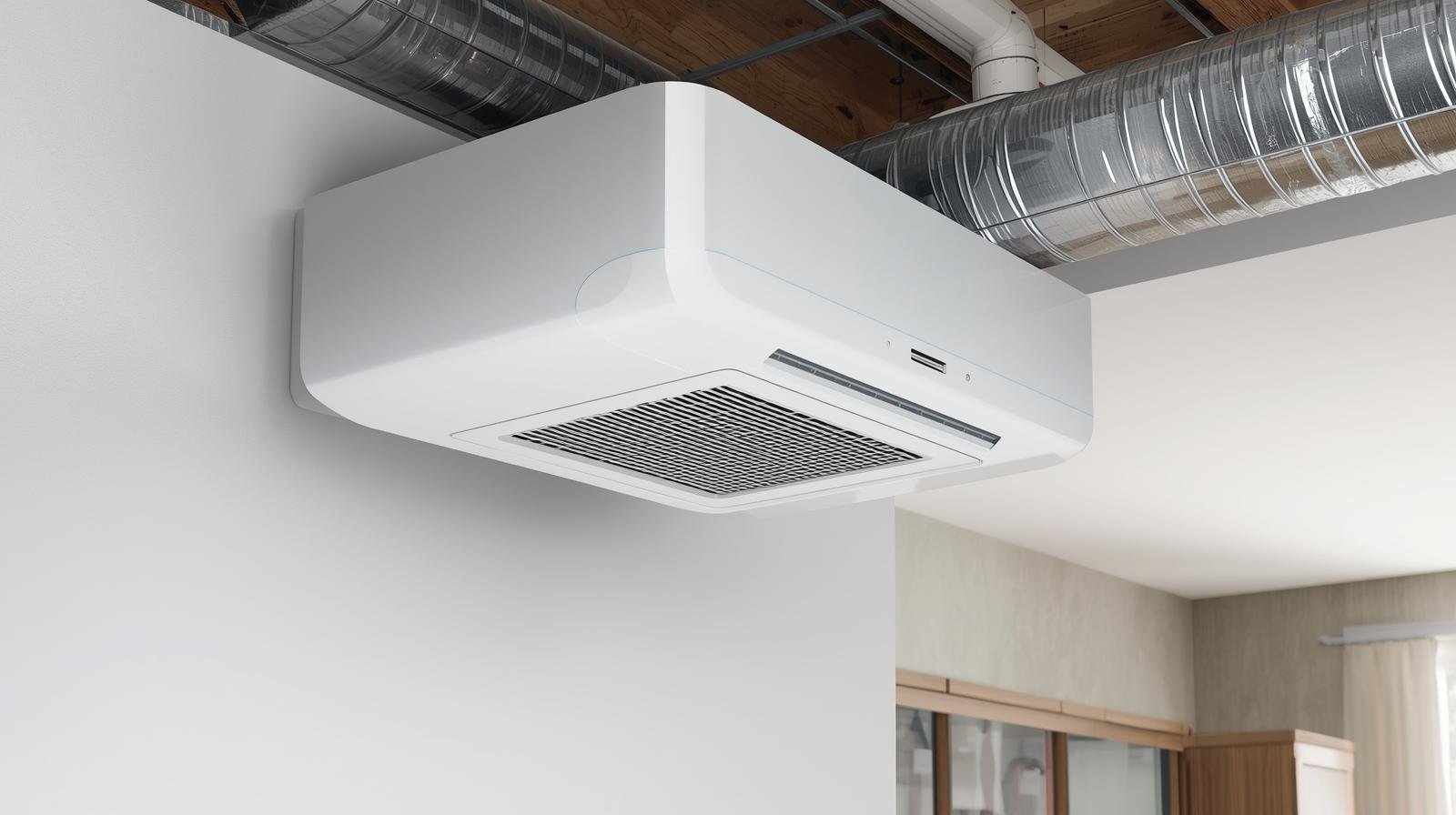
This is what professional humidity control looks like, integrated seamlessly with your existing HVAC infrastructure. J Martin's whole-home humidifiers and dehumidifiers connect to your ductwork and include humidistats that monitor and adjust levels automatically. One system, consistent comfort in every room, better energy efficiency than portable units. That's the advantage of professional installation done right.
For most inland Orange County homes in Yorba Linda, Anaheim, and Fullerton, running a humidifier from October through March makes sense. Coastal residents rarely need whole-home humidification, though a small portable unit in a bedroom can help during particularly dry spells.
The health benefits are real. Proper humidity levels keep your respiratory system's natural defenses working properly. Your nose and throat have tiny hairs called cilia that trap bacteria and viruses, but they only work well when membranes stay moist. Dry air also allows airborne viruses to survive longer, which is why cold and flu season often peaks during winter's low-humidity months.
When to Use a Dehumidifier in Orange County
Excess moisture creates problems that range from uncomfortable to genuinely damaging. If you notice condensation on windows, musty odors, visible mold growth, or allergies that seem worse at home, you're dealing with too much humidity.
Dehumidification becomes essential during summer months, especially for coastal Orange County homes. That marine layer isn't just fog outside; it's moisture that seeps into your home and stays there. Homes without adequate ventilation or air conditioning often trap this moisture, creating perfect conditions for mold and mildew.
Watch for these warning signs: foggy windows in the morning, damp spots on walls or ceilings, musty smells in closets or bathrooms, peeling paint or wallpaper, wood floors that feel soft or warped, and allergy symptoms that improve when you leave home.
Certain rooms need extra attention. Bathrooms, laundry rooms, and kitchens generate lots of moisture through daily activities. Basements and crawl spaces (less common in Orange County, but present in some older homes) can trap ground moisture. Even bedrooms can benefit from dehumidification if you run a humidifier too aggressively or if you keep windows open during humid mornings.
One often overlooked factor is your home's HVAC system efficiency. When humidity levels stay high, your air conditioner has to work harder to make you feel comfortable. You might set the thermostat lower trying to feel cool, but what you really need is drier air. A dehumidifier working alongside your AC can actually reduce your cooling costs.
Whole-Home Solutions vs. Portable Units
Portable humidifiers and dehumidifiers have their place. They're affordable, easy to set up, and work well for addressing single-room issues. A small humidifier in your bedroom can help with sleep quality during dry months. A portable dehumidifier in a damp bathroom solves localized problems without major installation.
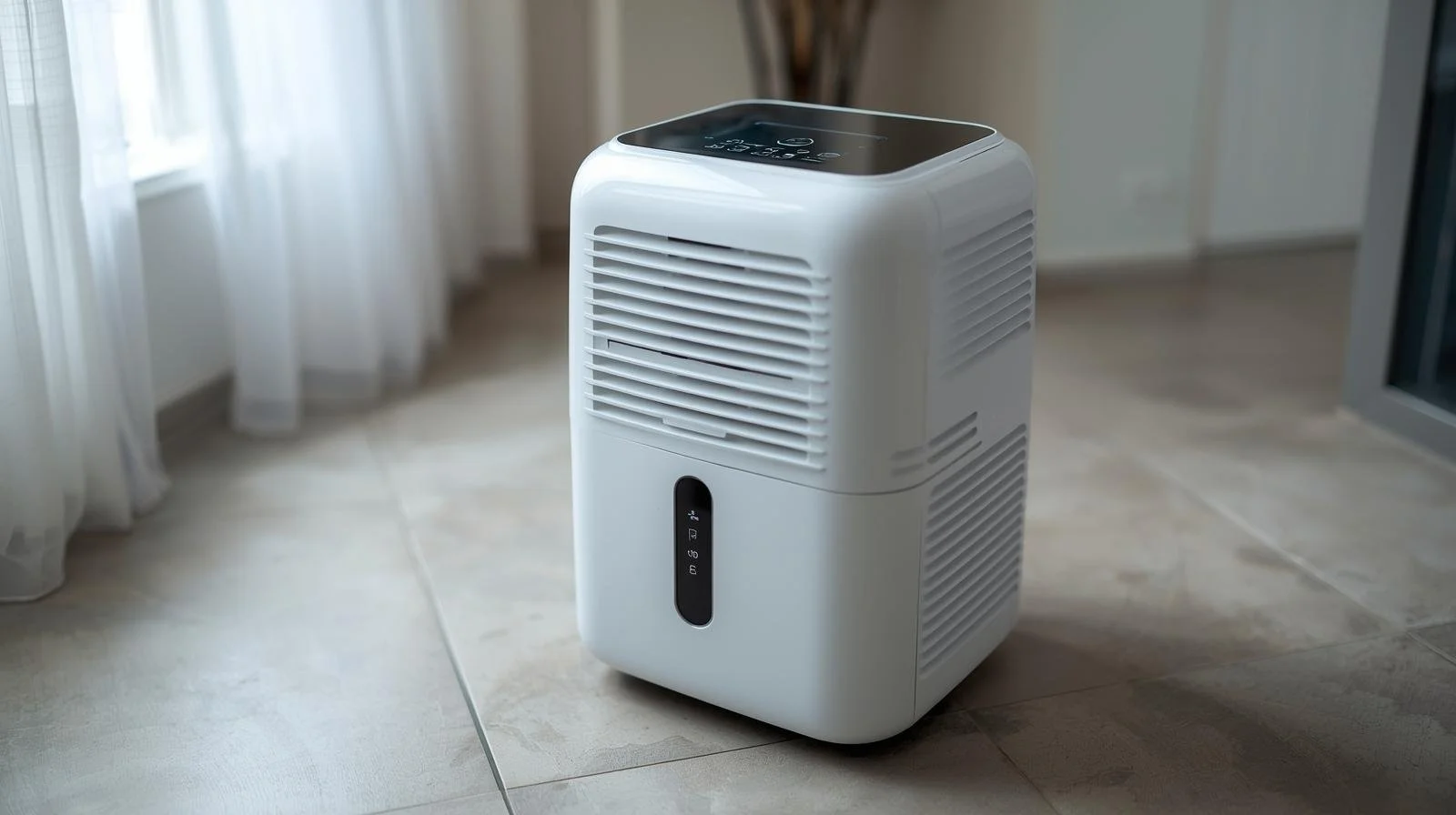
Portable dehumidifiers work for addressing single-room issues like damp bathrooms or closets. But if you're battling humidity throughout your coastal Orange County home, constantly emptying water tanks gets old fast. J Martin installs whole-home dehumidifiers that connect to your ductwork and drainage, maintaining ideal 30-50% humidity automatically without the hassle of portable units.
But portable units have limitations. They only affect the room they're in, require constant refilling or emptying, use more energy than whole-home systems, and need regular cleaning to prevent mold growth inside the unit itself. If you're running three or four portable units around your house, you're working too hard and spending too much money.
Whole-home humidity control systems integrate directly with your HVAC system and your home's ductwork. A professional installation connects the equipment to your existing infrastructure, allowing it to condition air throughout your entire home automatically. Modern systems include humidistats (like thermostats but for moisture) that monitor levels and adjust output as needed.
The advantages are significant. Consistent humidity levels in every room, lower maintenance requirements, better energy efficiency, less noise than portable units, and set-it-and-forget-it convenience are among the most common. You're not hauling equipment between rooms or remembering to empty water tanks.
For Orange County homeowners dealing with persistent humidity issues, whole-home solutions often pay for themselves within a few years through reduced energy costs and avoided damage to your home's structure and furnishings.
Humidity Management Tips
You don't always need equipment to manage humidity. Simple habits and home improvements can make a noticeable difference, especially if your humidity issues are relatively minor.
For reducing humidity naturally: use exhaust fans in bathrooms and kitchens every single time you shower or cook, open windows on dry days to ventilate (but close them during humid mornings near the coast), fix any leaks immediately since even small drips add moisture over time, avoid drying clothes indoors, and consider adding ventilation fans in areas that tend to trap moisture.
For adding humidity naturally: place bowls of water near heating vents during dry months, air-dry dishes instead of using the dishwasher's heat cycle, keep houseplants since they release moisture through transpiration, take slightly longer showers (the steam adds humidity to nearby rooms), and skip the bathroom fan occasionally if you need more moisture in your home.
Your thermostat settings matter too. Running your HVAC fan on "auto" rather than "on" helps during humid months because the system only runs when needed, giving the evaporator coil time to drip collected moisture into the drain pan. During dry months, running the fan continuously can help distribute humidified air more evenly.
Proper home maintenance supports humidity control. Clean or replace your HVAC filters regularly since dirty filters restrict airflow and reduce your system's ability to remove moisture. Seal air leaks around windows and doors to prevent humid outside air from infiltrating during summer or dry air from escaping during winter. Good insulation helps maintain consistent temperatures, which in turn helps maintain consistent humidity levels. For more humidity tips, check out our blog article 5 DIY HVAC Maintenance Tasks You Can Do Yourself.
Professional Installation and Maintenance
There comes a point when do-it-yourself solutions aren't enough, and that's when working with experienced HVAC professionals makes sense. At J Martin Indoor Air Quality, we've helped thousands of Orange County homeowners find the right humidity solutions for their specific situations.
Professional installation offers real advantages. We assess your entire home to understand your unique needs, considering factors like your home's size, construction type, your HVAC system's capacity, and whether you're in a coastal or inland location. We then recommend solutions that actually fit your situation, not just whatever product we happen to sell.
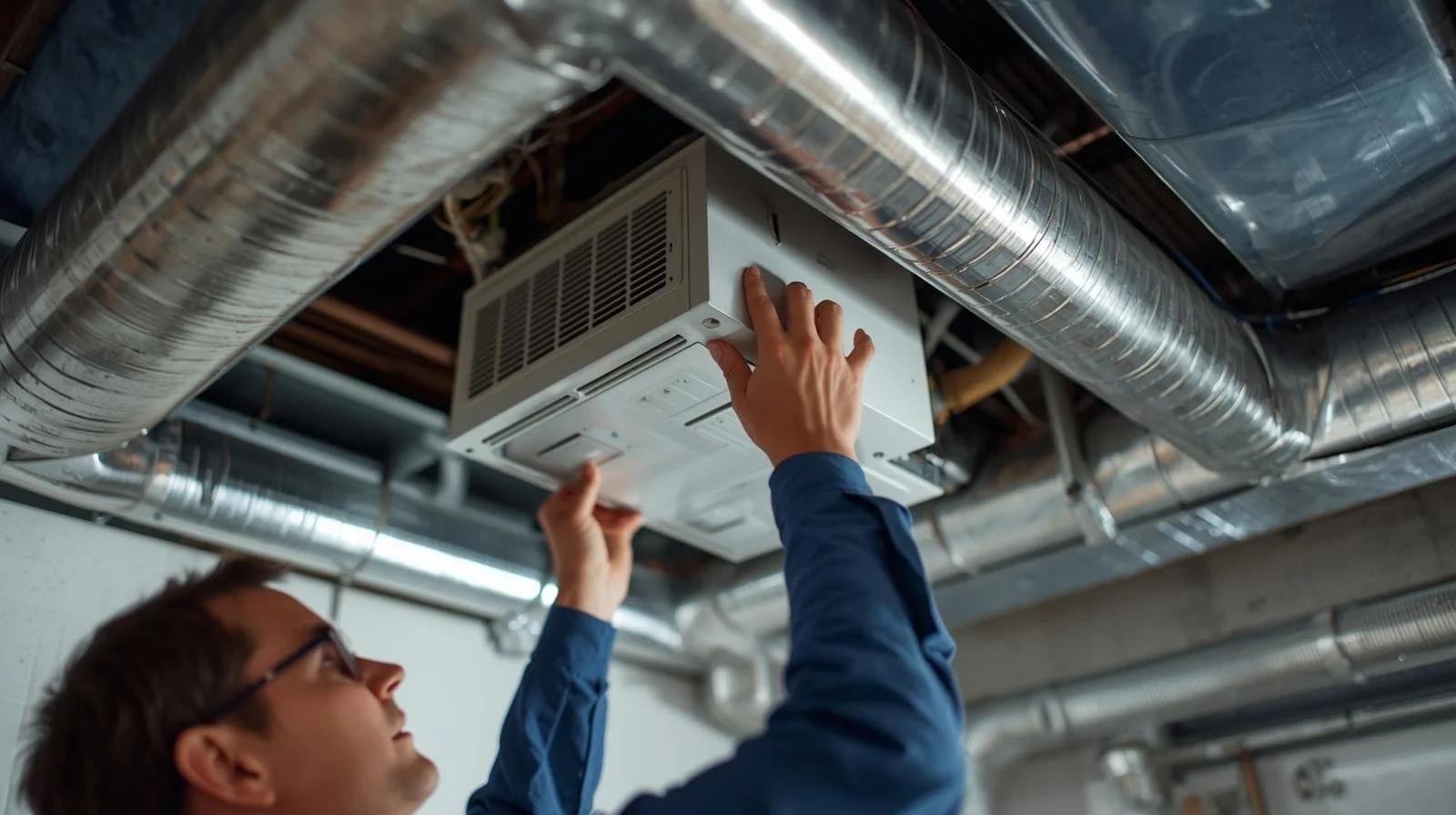
You've tried portable units and DIY solutions, but you're still uncomfortable. That's when professional installation makes sense. We assess your entire home, the size, construction type, HVAC capacity, coastal or inland location and then recommend solutions that actually fit your situation. Equipment needs proper sizing (too small won't work, too large cycles inefficiently), correct placement, and professional integration with your ductwork. This is specialized work that requires expertise.
Proper installation matters tremendously. A whole-home humidifier or dehumidifier needs to integrate seamlessly with your existing HVAC system and ductwork. The equipment needs proper sizing (too small won't solve your problem, too large will cycle inefficiently), correct placement for optimal performance, professional electrical connections, and proper drainage setup for dehumidifiers.
Our installation process starts with listening to your concerns. Maybe you're dealing with persistent mold in bathrooms. Maybe your kids' allergies seem worse at home. Maybe you're just tired of waking up with a scratchy throat every morning. We take time to understand what you're experiencing before we start talking about equipment.
We walk through your home to check existing ventilation, assess your current HVAC system's condition, identify problem areas, and measure current humidity levels in different rooms. Then we explain your options clearly, without pressure or technical jargon. You'll understand exactly what we're recommending and why.
Regular maintenance keeps your humidity control systems working efficiently. Annual inspections should include cleaning humidifier pads or dehumidifier coils, checking water supply lines and drainage systems, testing humidistats for accuracy, and verifying that everything integrates properly with your heating and cooling system. Our maintenance plans cover these checks along with your regular HVAC service, making it easy to stay on top of everything at once.
When to Call for Professional Help
Some humidity problems need professional expertise. If you've tried portable units and home improvements but still struggle with comfort, it's time to call in professionals. If you're seeing structural damage like warped floors, persistent mold growth, or peeling paint, waiting will only make repairs more expensive.
Existing HVAC system problems often tie directly to humidity issues. If your air conditioner runs constantly but doesn't keep you comfortable, if certain rooms always feel different from others, or if your energy bills seem unreasonably high, humidity control problems might be part of the bigger picture.
As a family-owned business, we approach every job the way Jared's dad taught him: treat others with respect, always do what's right, and never quit what you've started. That means we show up on time, explain everything clearly, provide honest recommendations, and stand behind our work with a 100% satisfaction guarantee.

Honest assessment. Clear explanations. No pressure. That's the J Martin approach to humidity solutions in Orange County: (714) 462-4686.
We've worked on thousands of Orange County homes over the past decade, from coastal properties in Seal Beach to inland homes in Yorba Linda and Fullerton. Every home is different, and we take time to understand yours before recommending solutions. We never push products you don't need, and we always prioritize the most affordable solutions first.
Finding Your Home's Perfect Balance
Managing home humidity control doesn't have to be complicated once you understand the basics. Pay attention to how your home feels throughout the year. Notice patterns related to seasons, weather, and your daily activities. A simple humidity monitor (available for under $20 at most hardware stores) can help you track levels and make informed decisions.
For most Orange County homeowners, the right approach combines smart daily habits with the right equipment. Coastal residents often benefit from whole-home dehumidification paired with good ventilation practices. Inland homeowners might need seasonal humidification during dry months and natural ventilation strategies during moderate weather.
The goal isn't perfection. It's creating a home where you feel comfortable, where your family stays healthy, and where your investment stays protected. Whether that means a simple portable unit for one problem room or a comprehensive whole-home system depends entirely on your situation.
If you're struggling with humidity issues or just want to understand your options better, we're here to help. No pressure, no sales tactics, just honest guidance from people who care about your comfort as much as you do. Give us a call, and let's figure out the right solution for your home together.
Your Orange County home should feel like the comfortable sanctuary it's meant to be, and proper humidity control is a big part of making that happen.