
How Dry Winter Air Affects Your Home (And Your Health) in Orange County
Updated on April 10, 2026
You wake up with a scratchy throat. Your skin feels tight and itchy. Your kid got another nosebleed this morning. Static shocks zap you every time you touch a door handle. These aren't random annoyances. They're all signs that your home's indoor humidity has dropped too low, and in Orange County's unique winter climate, dry air becomes a serious problem that most people don't recognize until it's already affecting their health.
Why Orange County Winters Create Unexpectedly Dry Air
Most people think of Southern California as humid. Coastal fog, ocean breezes, all that moisture from the Pacific. But winter in Orange County creates conditions that suck humidity right out of your indoor air.
The biggest culprit? Santa Ana winds. These hot, dry winds blow down from the mountains between October and February, and they're notorious for dropping humidity levels below 10 percent. That's drier than most deserts. When Santa Anas hit, relative humidity in Orange County can plummet from comfortable levels around 50 percent down to single digits.
Even without Santa Anas, winter brings lower humidity naturally. Cold air holds less moisture than warm air. When you run your heater, you're warming that already-dry air without adding any moisture back. The EPA recommends keeping indoor humidity between 30 and 50 percent, but during Orange County winters, homes often drop to 15 percent or lower without anyone noticing until health problems start appearing.

Santa Ana winds hitting your Orange County neighborhood? These dry conditions can drop your indoor humidity to desert levels. J Martin tests your home's air quality and installs whole-home humidifiers. Call (714) 462-4686.
What Dry Air Does to Your Body
Your Respiratory System Takes the Biggest Hit
Your nose, throat, and lungs are lined with mucous membranes that need moisture to function properly. These membranes trap viruses, bacteria, and allergens before they reach your lungs. When humidity drops below 30 percent, those protective membranes dry out and crack. You lose your first line of defense against illness.
Research published by Cleveland Clinic shows that maintaining humidity levels between 40 and 60 percent significantly reduces the transmission of airborne viruses. Dry air doesn't just make you uncomfortable; it actually makes you more vulnerable to catching colds and flu. Studies have found that raising indoor humidity to 43 percent can reduce airborne virus particles by 86 percent.
For people with asthma or COPD, dry air is particularly dangerous. Low humidity can trigger asthma attacks and bronchial spasms. The fluid that keeps your airways lubricated evaporates quickly in dry conditions, leaving airways irritated and reactive.
Dry Skin, Cracked Lips, and Nosebleeds
Your skin is over 60 percent water. When the air around you is too dry, it pulls moisture directly from your skin's surface. You end up with tight, itchy, flaking skin. Cracks appear around knuckles and joints. Lips chap no matter how much lip balm you use. Existing skin conditions like eczema and psoriasis flare up.
Nosebleeds are another common symptom. The delicate blood vessels inside your nose need moisture. When your nasal passages dry out, those vessels become brittle and crack easily. According to research from WebMD, nosebleeds spike during winter months specifically because heated indoor air drops humidity to uncomfortable levels.

That constant sore throat and congestion isn't always a cold. When Orange County humidity drops below 30%, your respiratory system can't protect itself properly. J Martin helps homeowners identify and fix dry air problems.
Sleep Problems and Headaches
Dry air disrupts sleep in multiple ways. Your throat dries out, causing you to wake up coughing. Your sinuses become irritated and inflamed. You wake up feeling congested even though you're not sick. Research published in the journal Environmental Health found that workers exposed to very dry indoor air reported significantly poorer sleep quality and showed stress responses in their heart rate patterns.
Those morning headaches? Often caused by a combination of dehydration (dry air pulls moisture from your body) and inflamed sinuses. You're essentially starting every day already behind on hydration.
What Dry Air Does to Your Home
Wood Damage Throughout Your House
Wood is hygroscopic, meaning it absorbs and releases moisture based on the surrounding air. When humidity drops too low, wood loses moisture and shrinks. Hardwood floors develop gaps between planks. Doors and windows stick or develop gaps. Crown molding separates from walls. Wood furniture joints loosen.
In Orange County, where many homes have beautiful hardwood floors and custom woodwork, this damage isn't just cosmetic. It's expensive. Once wood contracts and expands repeatedly through winter after winter, the damage becomes permanent. Floors need refinishing. Trim needs replacing.
Paint and Wallpaper Problems
Dry air causes paint to become brittle and crack. Wallpaper adhesive dries out, causing edges to peel and seams to separate. You might notice these issues first in rooms where you run the heater most often, like bedrooms and living areas.
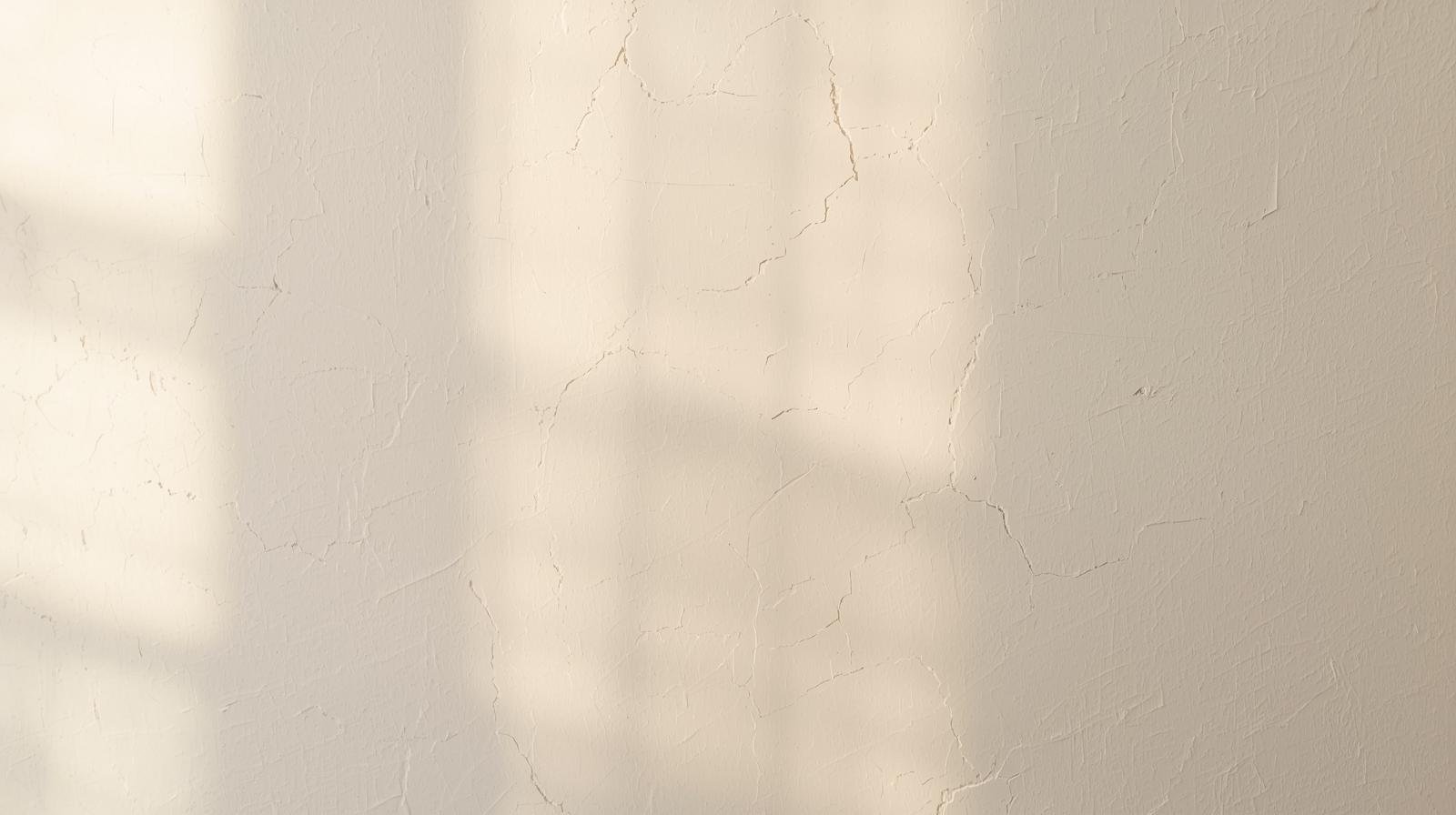
Noticing cracks in your paint or wallpaper peeling? Low humidity from dry winter air is damaging your home. J Martin assesses indoor air quality and installs humidifiers to protect your investment. Call (714) 462-4686.
Static Electricity Everywhere
When humidity is properly balanced, static electricity dissipates naturally through moisture in the air. In very dry conditions, static charges build up on everything. You shock yourself on door handles. Your hair stands on end. Clothes cling together coming out of the dryer.
Beyond annoyance, static discharge can damage sensitive electronics. TVs, computers, and other devices can be affected by repeated static shocks.
Your HVAC System Works Harder (And Costs You More)
Here's something most people don't realize: dry air feels colder than humid air at the same temperature. When your indoor air is too dry, you feel cold even when the thermostat shows 72 degrees. Your natural response? Turn up the heat.
According to HVAC research, maintaining proper humidity allows you to feel comfortable at lower temperatures. If you could keep humidity at optimal levels, you might be able to lower your thermostat by 2 to 3 degrees and feel just as warm. That translates to significant energy savings throughout winter.
Quick Fixes That Don't Really Work
When people start noticing dry air problems, they usually try DIY solutions first. Some help temporarily. Most don't address the actual problem.
Bowls of water near vents: This adds minimal moisture to a small area. You'd need dozens of bowls throughout your house to make a measurable difference. And they become breeding grounds for bacteria if you don't clean and refill them constantly.
Houseplants: Plants do release moisture through transpiration, but not nearly enough to humidify an entire room, let alone a whole house. You'd need a greenhouse's worth of plants to make a real impact.
Portable humidifiers: These work for single rooms but require constant refilling, daily cleaning (or they grow mold), and only help the immediate area. If you have a 2,000 square foot house, one portable humidifier in your bedroom doesn't solve the problem for the rest of your home.
Boiling water on the stove: This adds humidity temporarily but isn't practical or safe to do continuously. You'd need to boil water for hours every day.
What Actually Works: Whole-Home Humidifiers
A whole-home humidifier integrates directly with your HVAC system. It adds moisture to the air as your heating system distributes it throughout your entire house. No refilling water tanks. No cleaning portable units every day. No guessing whether humidity levels are right.
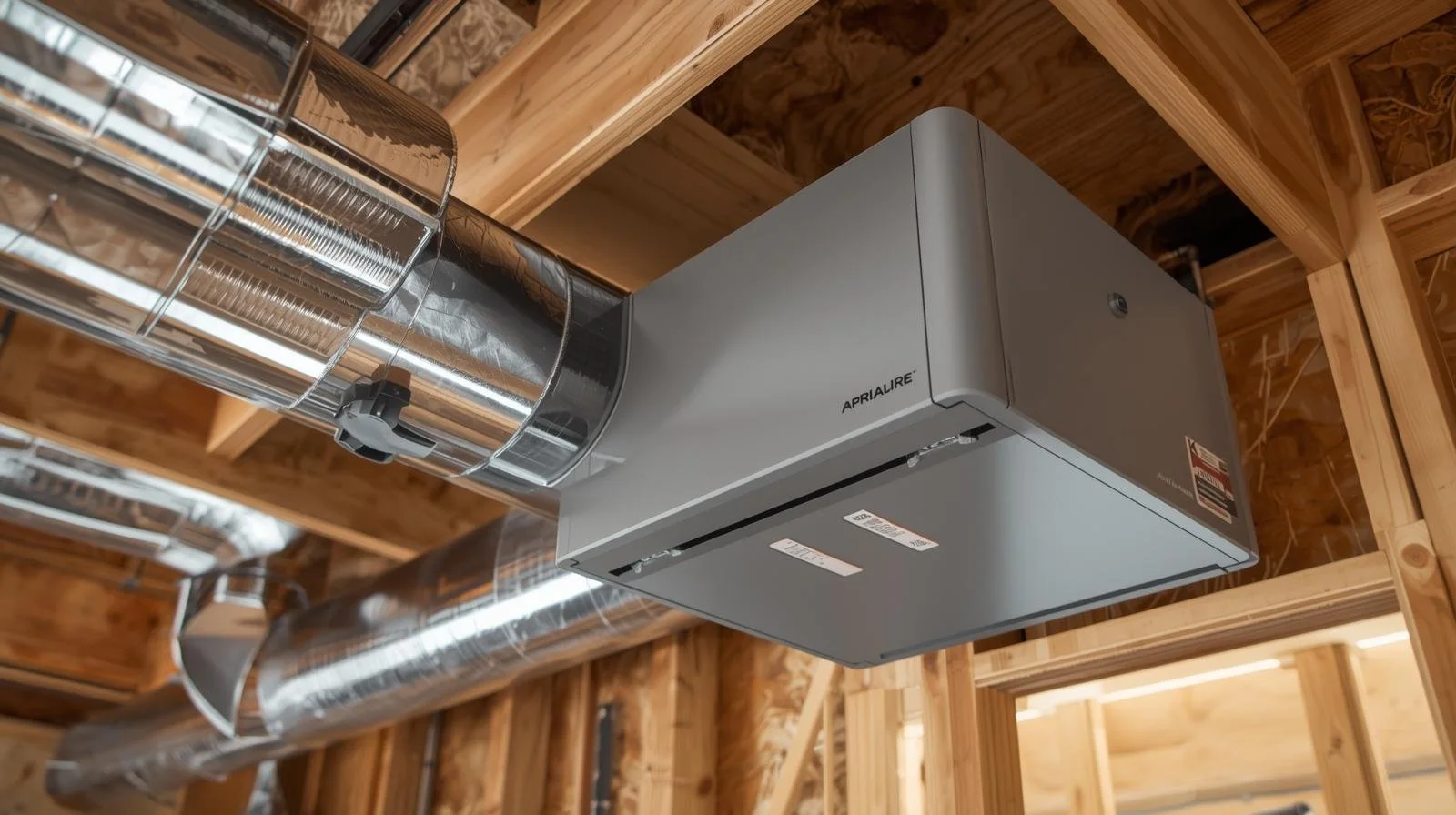
Whole-home humidifiers integrated with your HVAC system provide automatic humidity control for your entire Orange County home. J Martin provides professional installation: (714) 462-4686.
How Whole-Home Humidifiers Work
Modern whole-home humidifiers connect to your home's water supply and install directly into your ductwork. They use one of three methods:
Bypass humidifiers work with your furnace's airflow. Air passes through a water panel, picks up moisture, and gets distributed through your home. These are the most common and cost-effective option.
Fan-powered humidifiers use their own fan to push air across the water panel, which increases moisture output. These can add up to a gallon more humidity per day compared to bypass models.
Steam humidifiers boil water and inject steam directly into your ductwork. They're the fastest and most efficient but cost more to install and operate.
All three types can include automatic controls that monitor your home's humidity and adjust output accordingly. You set your desired humidity level (usually 40 to 45 percent in winter), and the system maintains it automatically.
The Real Benefits Beyond Comfort
Properly humidified air protects your respiratory health during cold and flu season. It prevents expensive wood damage throughout your home. It eliminates static electricity. It makes your heating system more efficient, which lowers energy bills.
For homes in Yorba Linda, Anaheim Hills, and throughout Orange County, where winter can bring weeks of Santa Ana conditions with humidity in the single digits, a whole-home humidifier isn't a luxury. It's protection for both your family and your home.
Other Steps to Manage Indoor Humidity
Even with a whole-home humidifier, you can take additional steps to maintain healthy humidity levels:
Lower your thermostat. Every degree you drop your heating reduces how much the air dries out. If you maintain proper humidity, you can keep your thermostat at 68 degrees and feel comfortable. For more tips on this, check out our post on maximizing HVAC efficiency without spending money.
Use exhaust fans wisely. Bathroom and kitchen exhaust fans pull humidity out of your home. Use them when needed, but don't leave them running longer than necessary.
Maintain your HVAC system. Regular maintenance ensures your system runs efficiently. Our maintenance services include checking humidity levels and making recommendations for improvement. Read more about the true cost of skipping HVAC maintenance to understand why regular service matters.
Monitor humidity levels. A simple hygrometer (humidity gauge) costs $10 to $20 and tells you exactly what's happening in your home. Aim for 40 to 50 percent in winter. Below 30 percent, you're too dry. Above 60 percent, you risk mold growth.
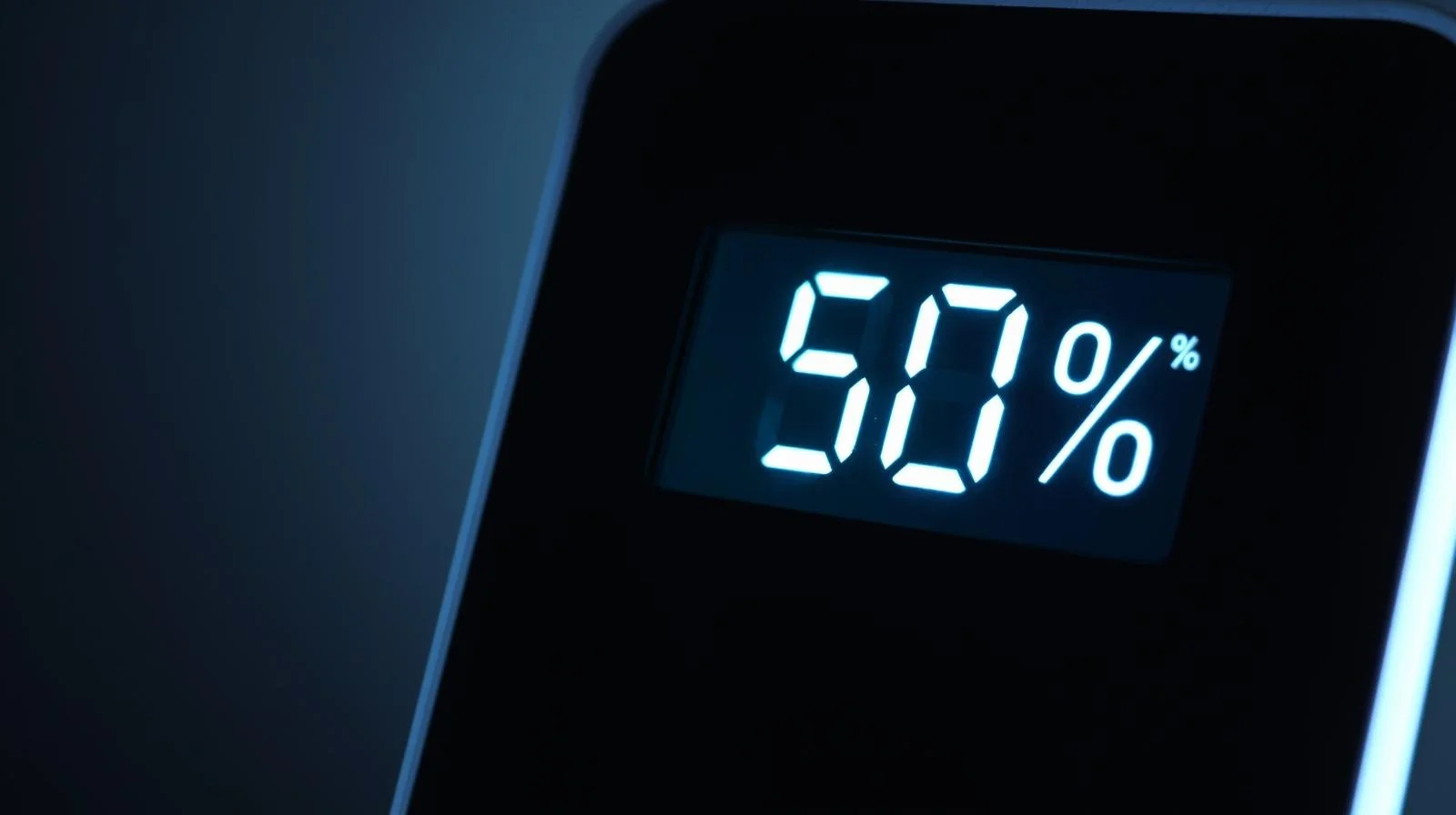
A simple hygrometer costs $10-20 and shows exactly what's happening in your home. During Orange County winters, you should see 40-50% humidity. Below 30%? Your air is too dry and causing health problems and home damage.
Don't Ignore the Warning Signs
Dry air problems don't fix themselves. They get worse as winter progresses, especially during those extended Santa Ana periods when outdoor humidity drops to desert levels. Your family's health suffers. Your home sustains damage. Your heating costs increase.
If you're waking up with a sore throat every morning, if your kids are getting frequent nosebleeds, if your hardwood floors are developing gaps, these are your home telling you the air is too dry. For more information about how indoor air quality affects your health, read our article on signs your home has poor indoor air quality.
J Martin Indoor Air Quality helps Orange County homeowners understand their indoor air quality and find solutions that actually work. We can assess your home's current humidity levels, explain your options, and install whole-home humidification systems that integrate seamlessly with your existing HVAC. Visit our services page to learn more about our indoor air quality solutions, or contact us to schedule an assessment. Don't let another winter pass with air so dry it's damaging your health and home.