
How Attic Insulation Affects Your HVAC Efficiency
Updated May 24, 2026
If your energy bills keep climbing and your HVAC system runs constantly, the problem might be hiding right above your ceiling. Attic insulation Orange County homeowners often overlook plays a massive role in how hard your heating and cooling system has to work. When insulation fails or wasn't installed correctly in the first place, your HVAC system compensates by running longer cycles, which drives up costs and shortens its lifespan.
The relationship between attic insulation and HVAC efficiency is straightforward: better insulation means less energy wasted and more comfortable indoor temperatures year-round. In Orange County's unique climate, where summer temperatures regularly hit the 90s and winter evenings can drop into the 40s, proper attic insulation becomes even more critical. This guide walks you through everything you need to know about how your attic insulation impacts your system's performance and what you can do to improve HVAC efficiency in your home.
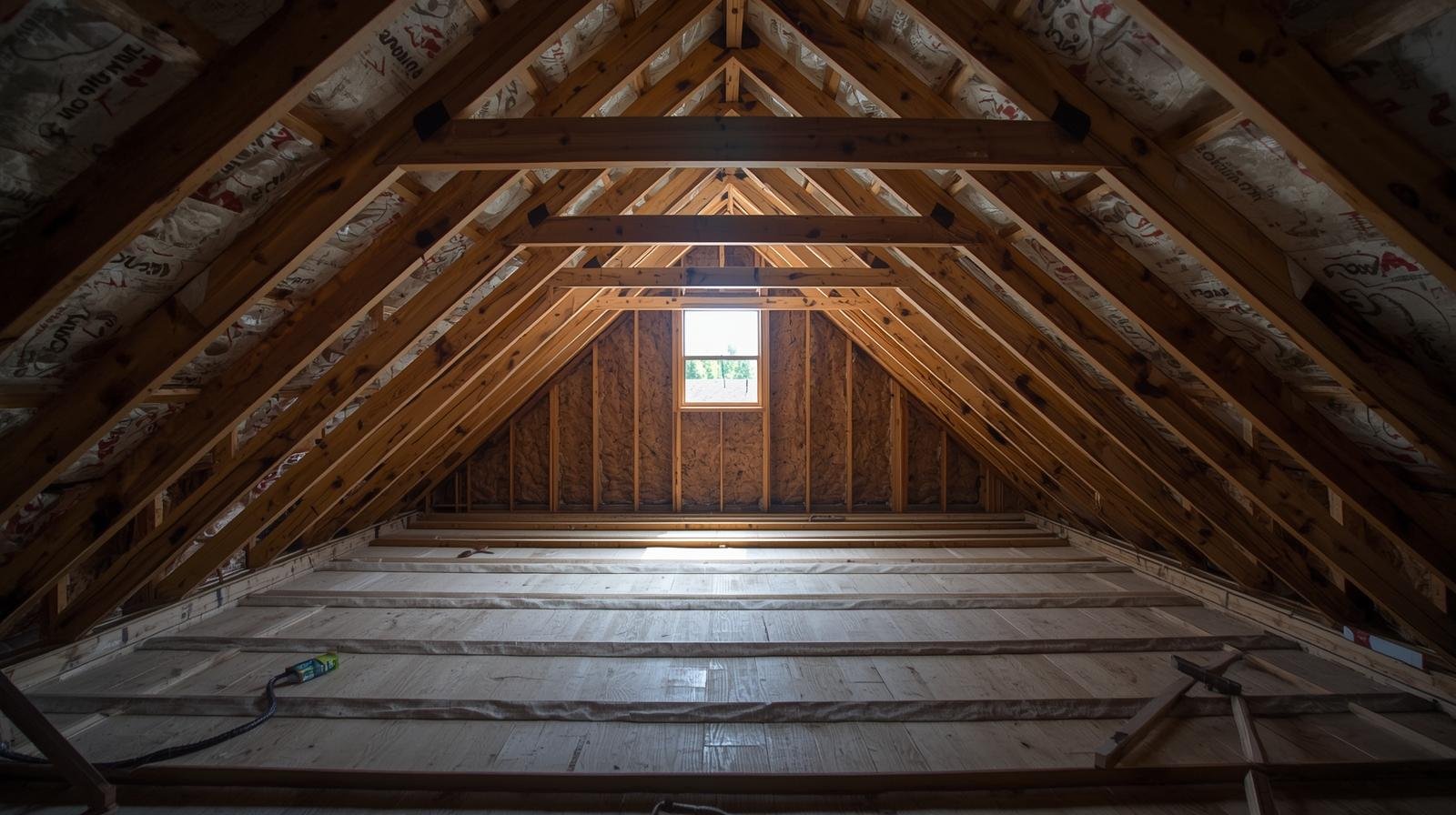
Proper attic insulation is the foundation of HVAC efficiency. J Martin helps Orange County homeowners understand exactly what R-value they need and why. No overselling, just honest recommendations based on your home's unique requirements.
Why Your Attic Is the Biggest Energy Leak in Your Home
Heat naturally moves from warm areas to cooler ones, and your attic sits right at the front line of this battle. During summer months, your roof absorbs intense solar radiation and transfers that heat into your attic space. Without adequate insulation, that heat pours directly into your living spaces below, forcing your air conditioning to work overtime.
The reverse happens in winter. Warm air from your heating system rises naturally and escapes through an under-insulated attic. Studies show that up to 25-30% of heating and cooling energy loss occurs through the attic in homes with poor insulation. That's like leaving a window open year-round and paying to heat or cool the outdoors.
In Orange County, where cooling costs dominate most of the year, a hot attic can raise your indoor temperature by several degrees. Your AC system then cycles more frequently, consuming more electricity and wearing out components faster. The compressor, which is the most expensive part of your cooling system, takes the biggest hit from this extra workload.
Understanding R-Values for Orange County Homes
R-value measures insulation's resistance to heat flow. Higher R-values mean better insulating power. For Orange County homes, the Department of Energy recommends attic insulation between R-30 and R-49, depending on your specific location and home design.
Most older Orange County homes were built with R-19 or less in the attic. That was considered adequate decades ago, but energy standards have improved dramatically. Modern building codes require R-38 minimum for new construction in our climate zone. If your home was built before 1990, there's a strong chance your attic insulation falls short of current recommendations.
The practical difference between R-19 and R-38 translates to roughly 30-40% better thermal performance. For a typical 2,000 square foot home in Yorba Linda, upgrading from R-19 to R-38 can reduce cooling costs by $300-500 annually. The insulation pays for itself through lower energy bills, usually within 5-7 years.
Climate zones matter too. Homes closer to the coast in areas like Huntington Beach experience more moderate temperatures than inland communities like Anaheim Hills or Yorba Linda. Inland homes face hotter summers and should aim for the higher end of the R-value range (R-38 to R-49) to maximize efficiency.
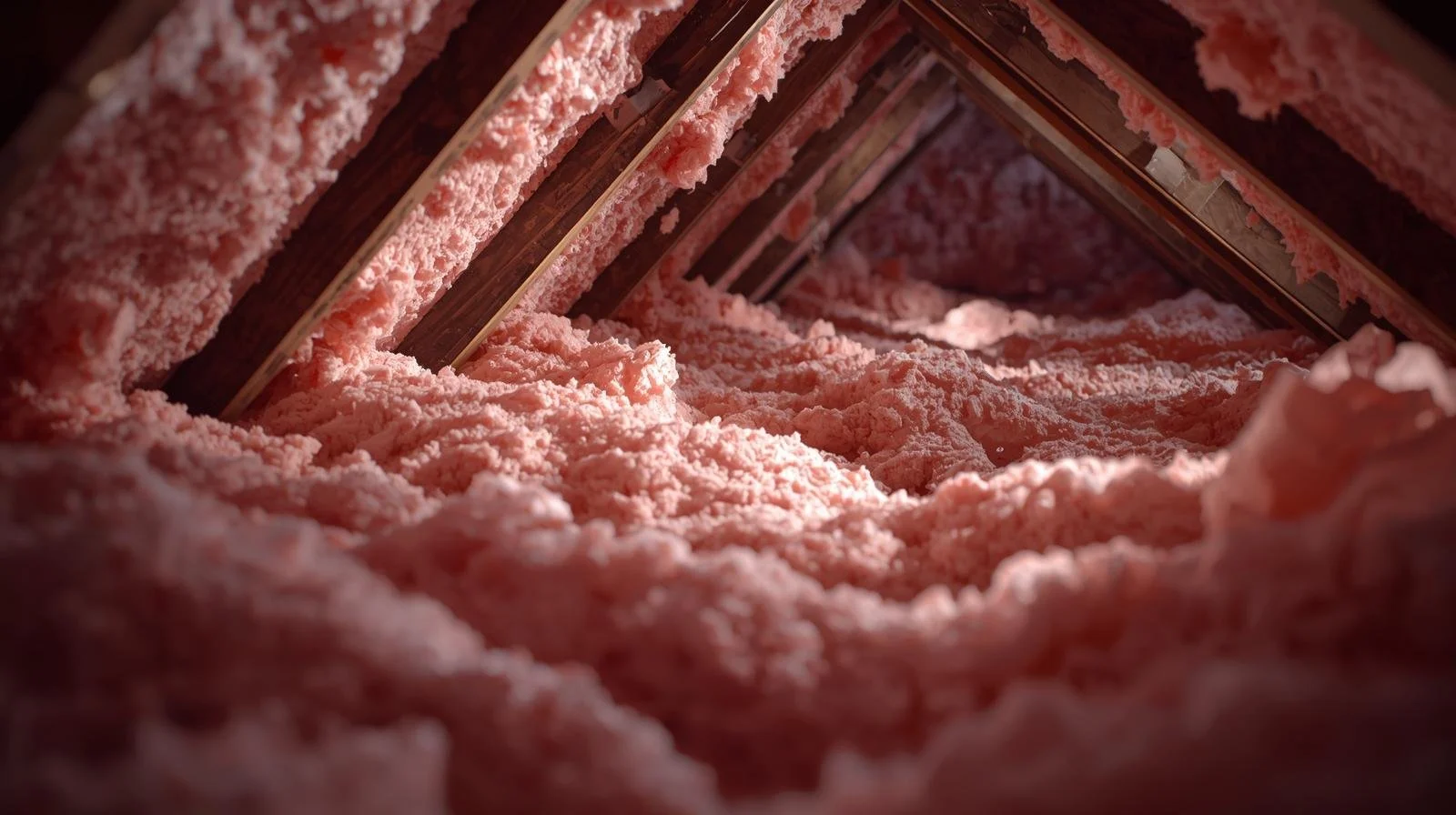
Inadequate attic insulation costs Orange County homeowners $300-500 annually. Get a professional assessment from J Martin: (714) 462-4686.
How Poor Insulation Forces Your HVAC to Work Harder
Your HVAC system is sized based on your home's square footage and the expected heating and cooling load. When attic insulation fails, it throws off these calculations entirely. The system ends up working against conditions it wasn't designed to handle.
Inadequate insulation creates longer run times. Instead of cycling on for 15-20 minutes to reach your thermostat setting, the system might run 30-40 minutes or longer. Those extended cycles increase wear on the blower motor, compressor, and other mechanical components. Parts that should last 15-20 years might fail in 10-12 years instead.
Temperature imbalances become noticeable throughout your home. Rooms directly under the attic get too hot in summer or too cold in winter, while other areas maintain reasonable comfort. You end up adjusting the thermostat to compensate for those problem rooms, which forces the entire system to overcool or overheat the rest of your house.
Humidity control suffers as well. Your air conditioning removes moisture from indoor air as part of its cooling process. When the system runs in shorter, more frequent cycles due to heat gain from the attic, it doesn't run long enough to properly dehumidify. Higher indoor humidity makes your home feel warmer than the actual temperature, leading you to set the thermostat even lower.
The Orange County Climate Factor
Orange County's Mediterranean climate creates specific challenges for attic insulation. We experience hot, dry summers with temperatures reaching 85-100°F, followed by mild winters where temperatures rarely drop below 40°F. This pattern means your insulation needs to handle extreme heat more than extreme cold.
Santa Ana winds compound the problem. These hot, dry winds occur mainly in fall and winter, pushing temperatures 10-20 degrees above normal. During Santa Ana conditions, attics in inland communities can reach 140-160°F. Without proper insulation, that heat radiates into living spaces and overwhelms cooling systems.

Santa Ana winds can push attic temperatures to 160°F overwhelming even the best HVAC systems. J Martin's attic insulation upgrades protect Orange County homes during extreme heat. Call (714) 462-4686.
Coastal areas face different issues. Higher humidity levels near the ocean can lead to moisture problems in attics if ventilation isn't adequate. Insulation needs to work in tandem with proper attic ventilation to prevent condensation and mold growth.
Air quality considerations matter in our region too. Orange County occasionally experiences poor air quality days, particularly during wildfire season. Proper attic insulation creates a better thermal envelope, which reduces the need to open windows for cooling. This helps your indoor air quality system work more effectively by minimizing outdoor pollutants entering your home.
Signs Your Attic Insulation Is Failing
Several warning signs indicate your attic insulation isn't doing its job. High energy bills top the list. If your summer cooling costs have increased significantly over the past few years without a corresponding rate increase from your utility company, insulation failure might be the culprit.
Uneven room temperatures point to insulation problems. When bedrooms or living spaces directly under the attic feel noticeably warmer or cooler than the rest of your home, heat is likely transferring through inadequate insulation. You might also notice your HVAC system runs constantly without reaching the temperature you've set on the thermostat.
Ice dams don't happen often in Orange County, but if you've ever seen icicles forming on your roof edge during our rare cold snaps, that's a classic sign of heat escaping through your attic. In our climate, the more common equivalent is feeling hot spots on your ceiling during summer afternoons.
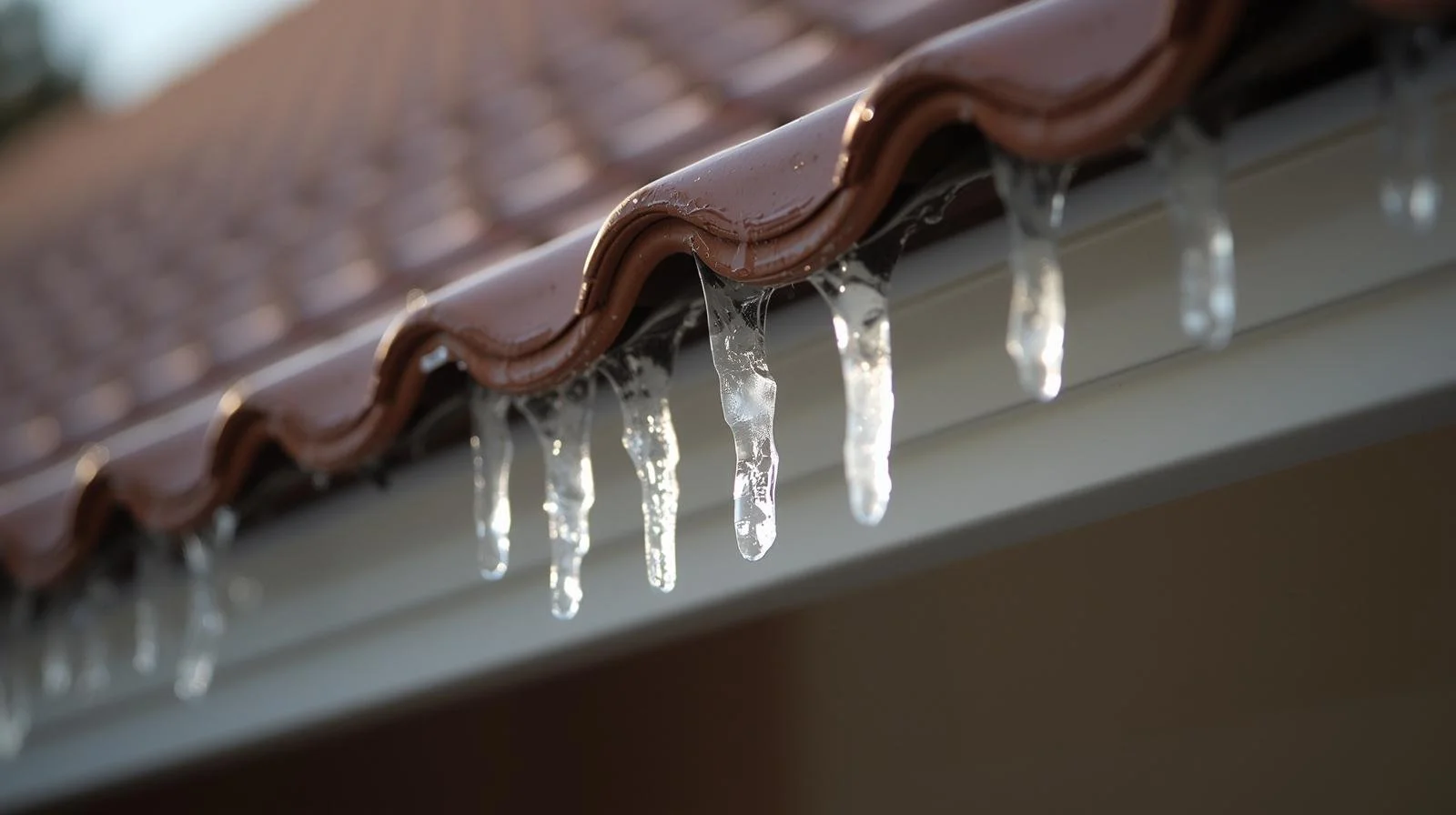
Icicles mean heat is escaping through poor insulation. Get an attic assessment from J Martin in Orange County: (714) 462-4686.
Physical inspection reveals obvious issues. If you can see your ceiling joists when looking at your attic insulation, you don't have enough. Insulation should cover the joists completely and extend beyond them. Dark, dirty, or compressed insulation has lost its effectiveness. Water stains, mold growth, or pest damage also compromise insulation performance and require immediate attention.
Different Insulation Types and Their Impact on HVAC Performance
Fiberglass batts remain the most common insulation type in Orange County attics. They're relatively affordable and provide decent thermal performance when installed correctly. The key phrase is "when installed correctly." Gaps, compression, or improper fit around obstacles reduces effectiveness dramatically. Even small gaps can reduce overall performance by 30-40%.
Blown-in cellulose offers better coverage around obstacles and fills irregular spaces more effectively than batts. It settles over time though, so initial installation should account for 10-15% settling. Cellulose also provides slightly better air sealing, which improves HVAC efficiency by reducing air leakage between conditioned and unconditioned spaces.
Spray foam insulation delivers the best performance for HVAC efficiency. It creates an air seal while insulating, which addresses both heat transfer and air leakage simultaneously. Closed-cell spray foam also adds structural strength to your roof deck. The higher upfront cost gets offset by superior energy savings and improved comfort.
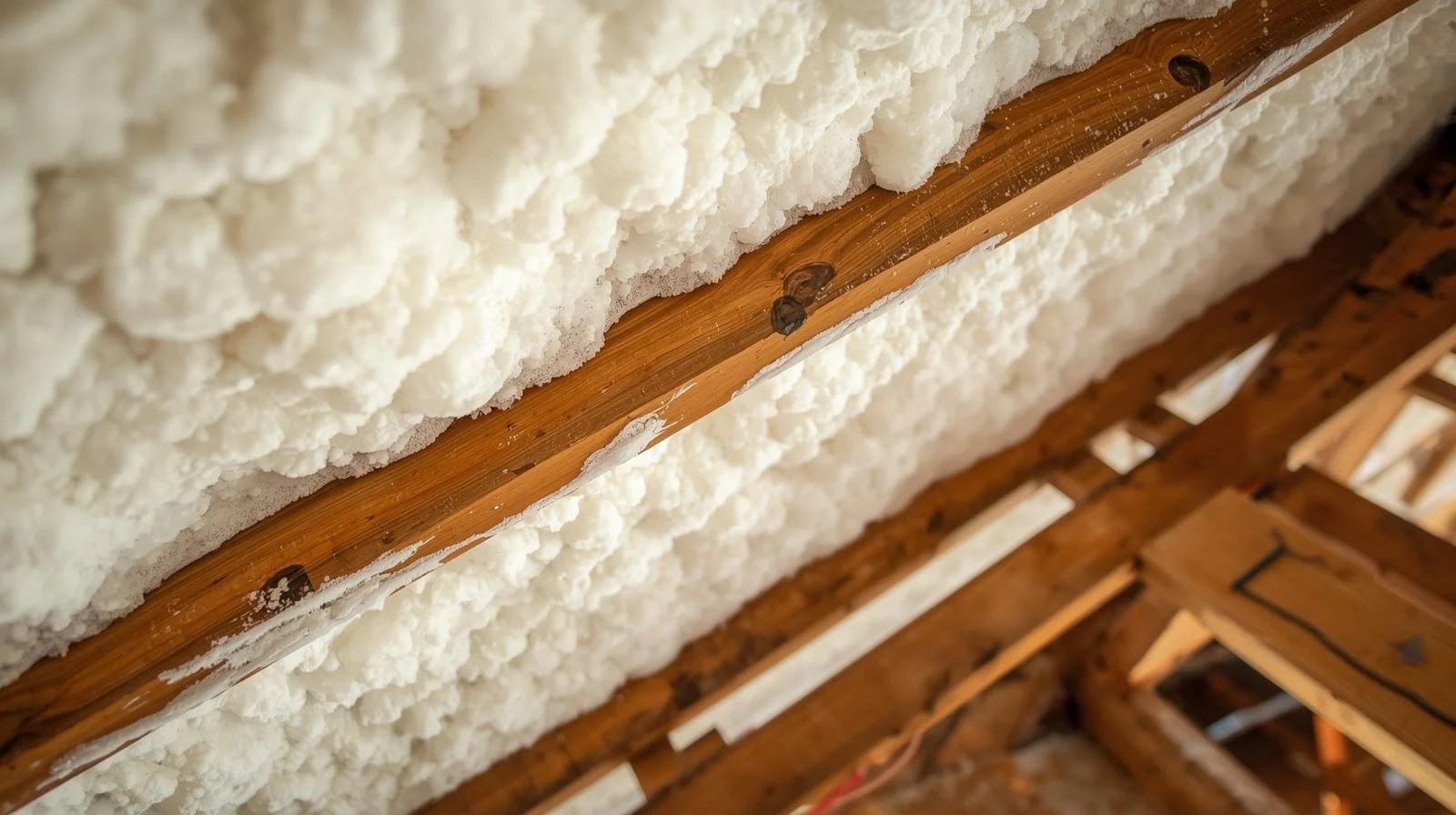
Spray foam is the premium choice for attic insulation, creating an air barrier while achieving maximum R-value. J Martin helps Orange County homeowners understand when spray foam makes sense for their home and budget, with honest cost-benefit analysis that puts your needs first.
Radiant barriers work differently than traditional insulation. These reflective materials block radiant heat from your roof before it reaches the insulation layer below. In Orange County's sunny climate, radiant barriers can reduce attic temperatures by 20-30°F on hot days. They work best when combined with adequate traditional insulation, not as a replacement.
Doing It Yourself vs. Professional Attic Insulation Work
Some insulation projects make sense for homeowners to tackle themselves, while others require professional expertise. Adding a layer of unfaced fiberglass batts over existing insulation that's in good condition is a straightforward DIY project. You need basic safety equipment (respirator, goggles, gloves, long sleeves) and careful attention to avoid compressing existing insulation or creating gaps. The same DIY-versus-pro line exists on the HVAC side too. We covered the routine tasks homeowners can handle confidently in our guide to 5 HVAC maintenance tasks you can do yourself, which pairs well with insulation work to keep your whole system running efficiently.
Blown-in insulation requires specialized equipment but many home improvement stores offer rental machines. The physical work isn't complicated, but achieving uniform coverage and the correct depth takes practice. Uneven coverage creates cold spots that reduce overall performance.
Several situations demand professional installation. If your existing insulation shows water damage, mold growth, or pest infestation, removal and replacement requires proper containment and disposal procedures. Professionals have the training and equipment to handle these hazardous materials safely.
Spray foam application always requires professional installation. The chemicals involved need precise mixing and application. Poor spray foam installation can create off-gassing problems or inadequate coverage. Professional installers carry insurance and warranties that protect you if problems develop.
Homes with unusual attic configurations, multiple roof levels, or difficult access points benefit from professional assessment. Experienced insulation contractors can identify ventilation issues, air leakage points, and other problems that affect HVAC efficiency beyond just insulation R-value.
Working around existing systems requires expertise too. Your attic contains HVAC ductwork, electrical wiring, plumbing vents, and possibly heating system components. Improper insulation installation can block vents, cover junction boxes, or restrict airflow to crucial equipment.
The Connection Between Insulation and HVAC Maintenance
Proper attic insulation reduces the maintenance burden on your HVAC system. When your equipment doesn't work as hard to maintain comfortable temperatures, components last longer and require fewer repairs. Air filters stay cleaner longer because the system cycles less frequently. Compressors and blower motors experience less wear.
Regular HVAC maintenance becomes more effective when paired with adequate insulation. During maintenance visits, technicians can assess whether your system is cycling normally or working harder than it should. Abnormal cycling patterns often indicate building envelope problems like inadequate insulation. Spring is the highest-value time of year for this assessment, since technicians can diagnose system performance on a mild 75-degree day before summer pushes everything to its limits. Our complete Orange County spring HVAC maintenance guide walks through what a professional tune-up actually includes and why timing matters.
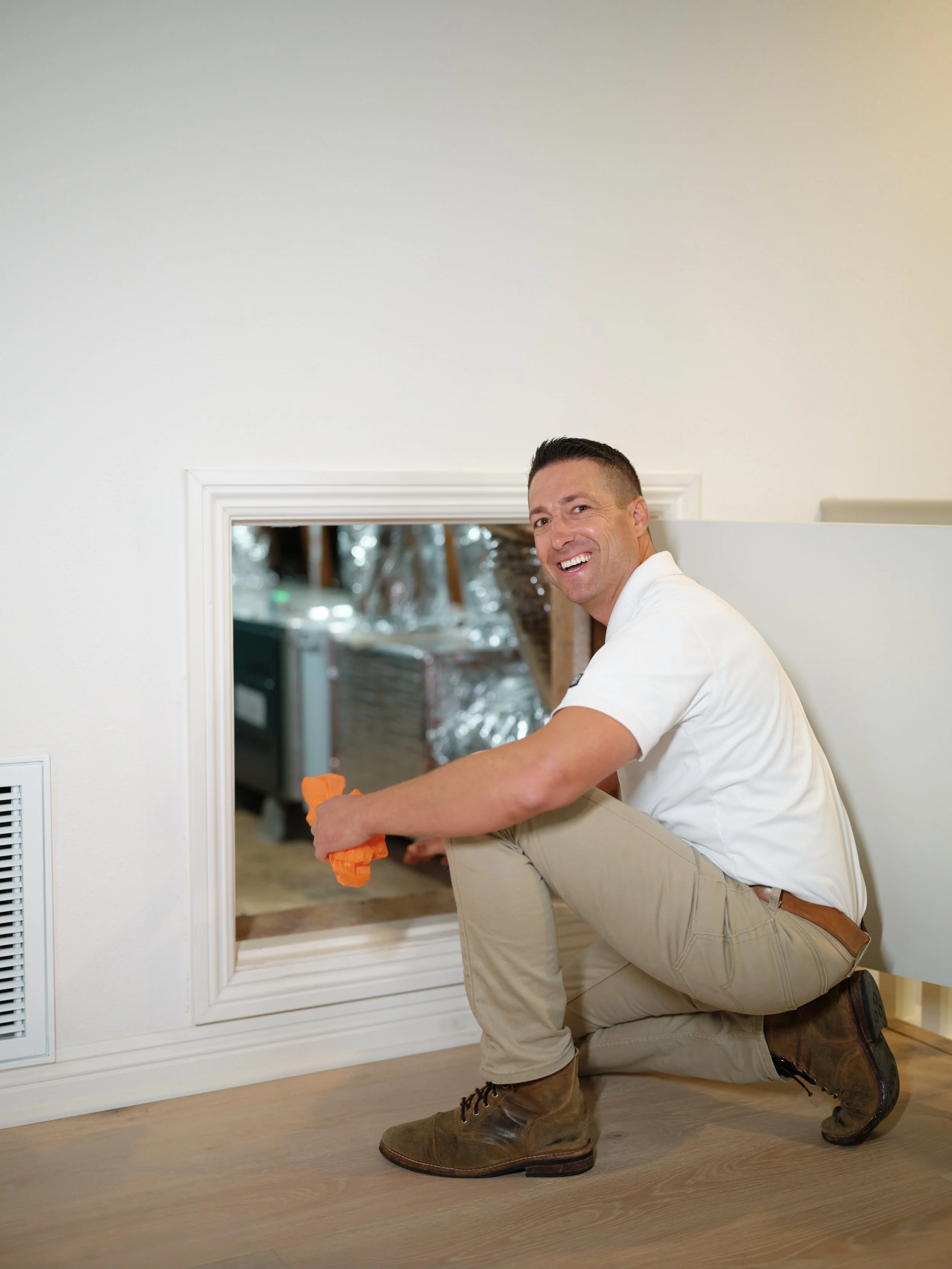
Not sure if your attic insulation is adequate? J Martin's professional assessments identify exactly where you're losing energy and money. Schedule your attic inspection in Orange County: (714) 462-4686.
Ductwork insulation matters as much as attic floor insulation. If your HVAC ducts run through the attic, they need their own insulation to prevent energy loss. Uninsulated ducts in a 140°F attic can lose 20-30% of cooled air before it reaches your living spaces. Duct insulation should provide at least R-6 in our climate zone.
Sealing air leaks works hand-in-hand with insulation improvements. Before adding insulation, professionals seal gaps around attic penetrations, plumbing vents, electrical wiring, and recessed lights. These air leaks can account for 10-20% of heating and cooling costs even when insulation R-values meet code requirements.
Why Homeowners in Orange County Choose J Martin Indoor Air Quality
Improving your attic insulation represents a significant investment in your home's comfort and efficiency. Working with a contractor who understands both the technical requirements and the unique characteristics of Orange County homes makes all the difference in getting results that last.
J Martin Indoor Air Quality brings three generations of family-owned business values to every project. We know the climate challenges facing homes in Yorba Linda, Anaheim Hills, and throughout Orange County because we've lived and worked here for decades. Our technicians understand how coastal humidity differs from inland heat, and how those factors affect insulation performance and HVAC efficiency.
We take a whole-house approach to HVAC efficiency. Attic insulation is one piece of a larger system that includes your heating and cooling equipment, ductwork, ventilation, and air quality. When we assess your insulation needs, we also evaluate how improvements will impact your overall system performance. Sometimes the best solution combines insulation upgrades with other energy efficiency measures that deliver greater savings.
Our commitment is straightforward: we provide honest assessments, clear explanations of your options, and quality installation that improves your comfort while reducing energy costs. We're not interested in overselling services you don't need. Our reputation in the community matters more than any single sale, which is why we focus on building long-term relationships with our customers.
If your energy bills concern you or your home never quite feels comfortable despite running the AC constantly, attic insulation might be the answer. Reach out to discuss your specific situation and learn what improvements would benefit your home most. Better HVAC attic insulation means lower bills, improved comfort, and an HVAC system that lasts longer and performs better.
J Martin Indoor Air Quality | (714) 462-4686 | Services