
The Truth About Closing Vents in Unused Rooms to Save Money
Updated on May 26, 2026
It sounds like perfect logic. You have a guest room that nobody uses. Why heat it all winter? Close the vent, shut the door, and save money on your energy bill. Except that's not how modern HVAC systems work, and you might actually be costing yourself more money while damaging your equipment in the process.
Let's talk about why this myth persists, what actually happens when you close vents, and what you should do instead if you really want to lower your heating costs.
Why People Think Closing Vents Works
The reasoning makes sense on the surface. Your furnace produces a certain amount of heated air. If you close off vents in three rooms, that same amount of heat goes to fewer rooms, so the rest of your house heats up faster. Your furnace runs less. You save money.
This logic would work if your HVAC system operated like a wood stove, where you're manually controlling heat distribution. But your central heating system is a closed loop designed for balanced airflow throughout your entire home. When you mess with that balance, things go sideways fast.
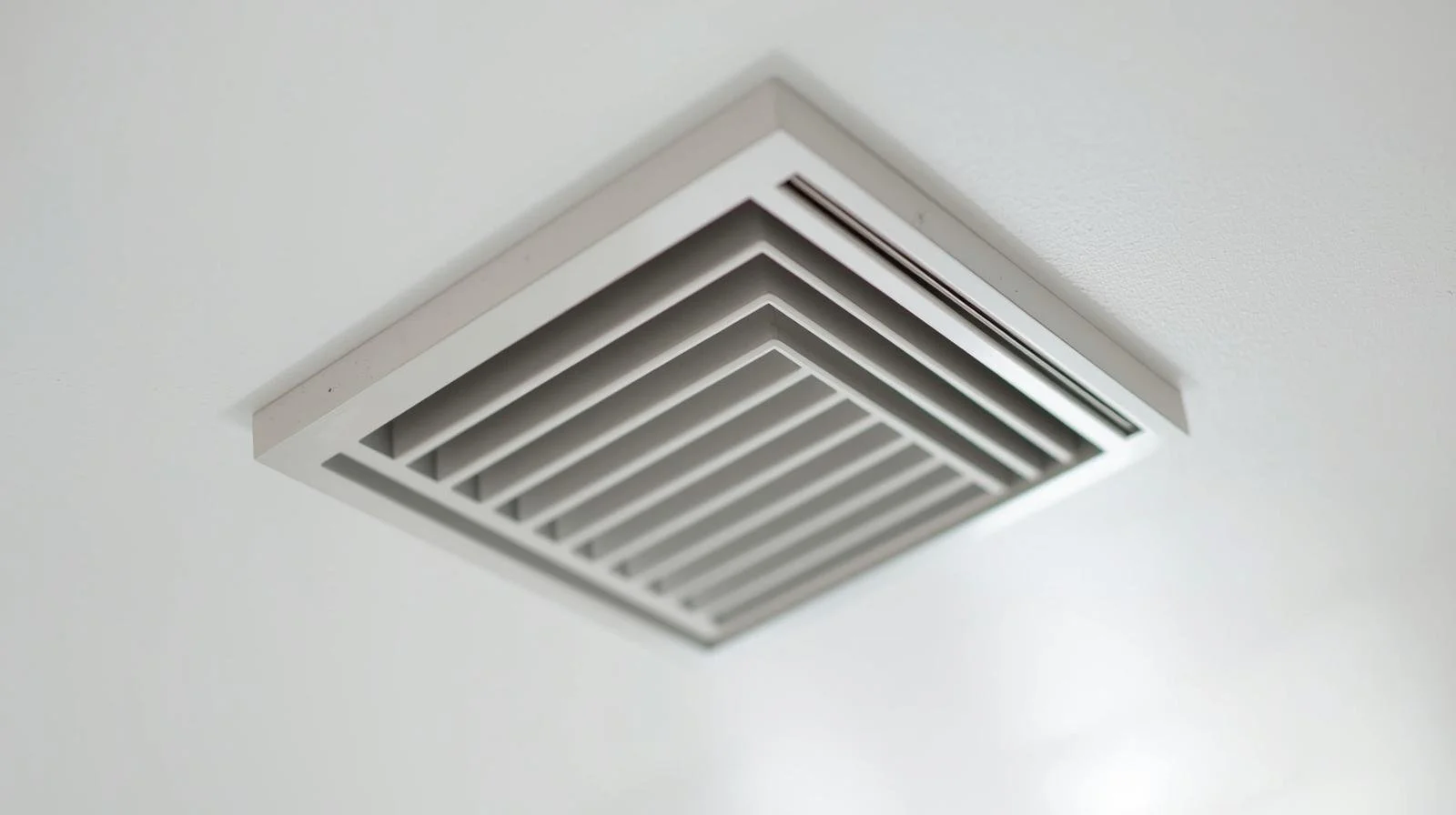
Thinking about closing vents to save money? That decision could cost you thousands in furnace repairs. J Martin provides free energy audits in Orange County. Call (714) 462-4686.
What Actually Happens When You Close Vents
Increased Air Pressure in Your Ducts
Your furnace is designed to push a specific volume of air through your duct system. When you close vents, you're not reducing the amount of air your blower motor produces. You're just blocking where it can go. This creates excess pressure in your ductwork.
High pressure means your blower motor works harder. It's trying to force the same amount of air through fewer openings. That extra work increases energy consumption instead of decreasing it. Your motor also wears out faster because it's under constant strain.
Duct Leaks Get Worse
Most homes in Orange County have some level of duct leakage. Small gaps at seams, joints that weren't sealed perfectly, connections that have loosened over time. Under normal pressure, these leaks are minor. Under increased pressure from closed vents, they get significantly worse.
Now you're pumping heated air into your attic or crawl space instead of into your living areas. That's money disappearing into spaces you don't care about heating. Studies show that closing vents can increase duct leakage by up to 60%.
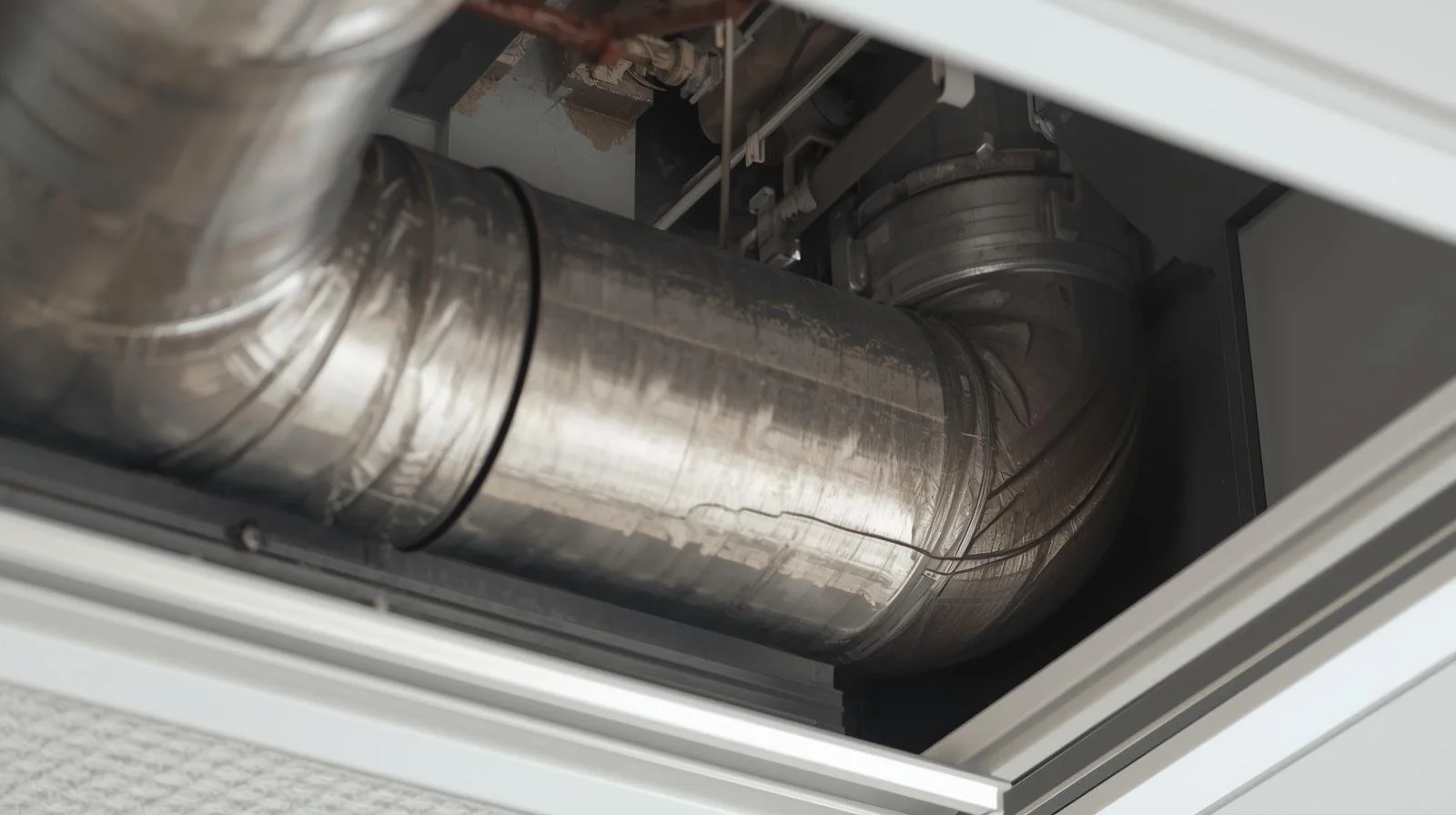
Most Orange County homes have minor duct leaks that become major problems when you close vents. J Martin's duct sealing service can cut your heating costs by 20-30% without risking your system.
Your System Runs Longer, Not Shorter
Here's the kicker. Your thermostat doesn't know you closed vents in three rooms. It only knows whether the temperature where it's mounted has reached the setpoint. If your system is struggling against increased pressure and losing heated air through duct leaks, it takes longer to satisfy the thermostat. So your furnace runs longer cycles, not shorter ones.
Longer run times mean more energy use. The exact opposite of what you're trying to accomplish.
Unbalanced Temperatures Throughout Your Home
When you close vents, rooms with open vents get more airflow than they were designed for. You end up with some rooms that are too warm and others that are too cold. The room with your thermostat might feel fine, but your bedroom is freezing and your living room is stuffy.
This imbalance makes people constantly adjust the thermostat, which creates even more inefficiency. You're chasing comfort instead of maintaining it.
Potential Damage to Your Heat Exchanger
This one's more serious. When airflow is restricted, your furnace's heat exchanger can overheat. Heat exchangers are designed to transfer heat to moving air. If there's not enough air moving through the system, temperatures inside the heat exchanger climb.
Over time, repeated overheating causes metal fatigue. Heat exchangers can crack. A cracked heat exchanger is a carbon monoxide hazard and usually means you need a new furnace. That's a $4,000 to $8,000 problem that started because you wanted to save $20 a month.
The Exception: Homes with Zoned Systems
There is one scenario where closing off areas of your home makes sense: if you have a properly designed zoned HVAC system.
Zoned systems use motorized dampers inside your ductwork that automatically adjust airflow to different areas based on individual thermostats. The system is engineered to handle variable airflow. It knows when zones are closed and adjusts accordingly. You can heat your living areas during the day and bedrooms at night without causing pressure problems.
But if you don't have a zoned system (and most Orange County homes don't), manually closing vents doesn't give you the same result. It just creates the problems we've already covered.
What You Should Do Instead
Lower Your Thermostat by a Few Degrees
This is the simplest and most effective way to save money. Every degree you lower your thermostat saves about 3% on heating costs. Set it to 68°F when you're home and 62°F when you're sleeping or away. Throw on a sweater. Use blankets. You'll save far more money than you ever would by closing vents.
Install a Programmable or Smart Thermostat
If you're still manually adjusting your thermostat, you're leaving money on the table. A programmable thermostat automatically lowers the temperature when you're asleep or away and brings it back up before you wake up or get home. Smart thermostats learn your schedule and adjust automatically. Both pay for themselves in energy savings within a year or two.
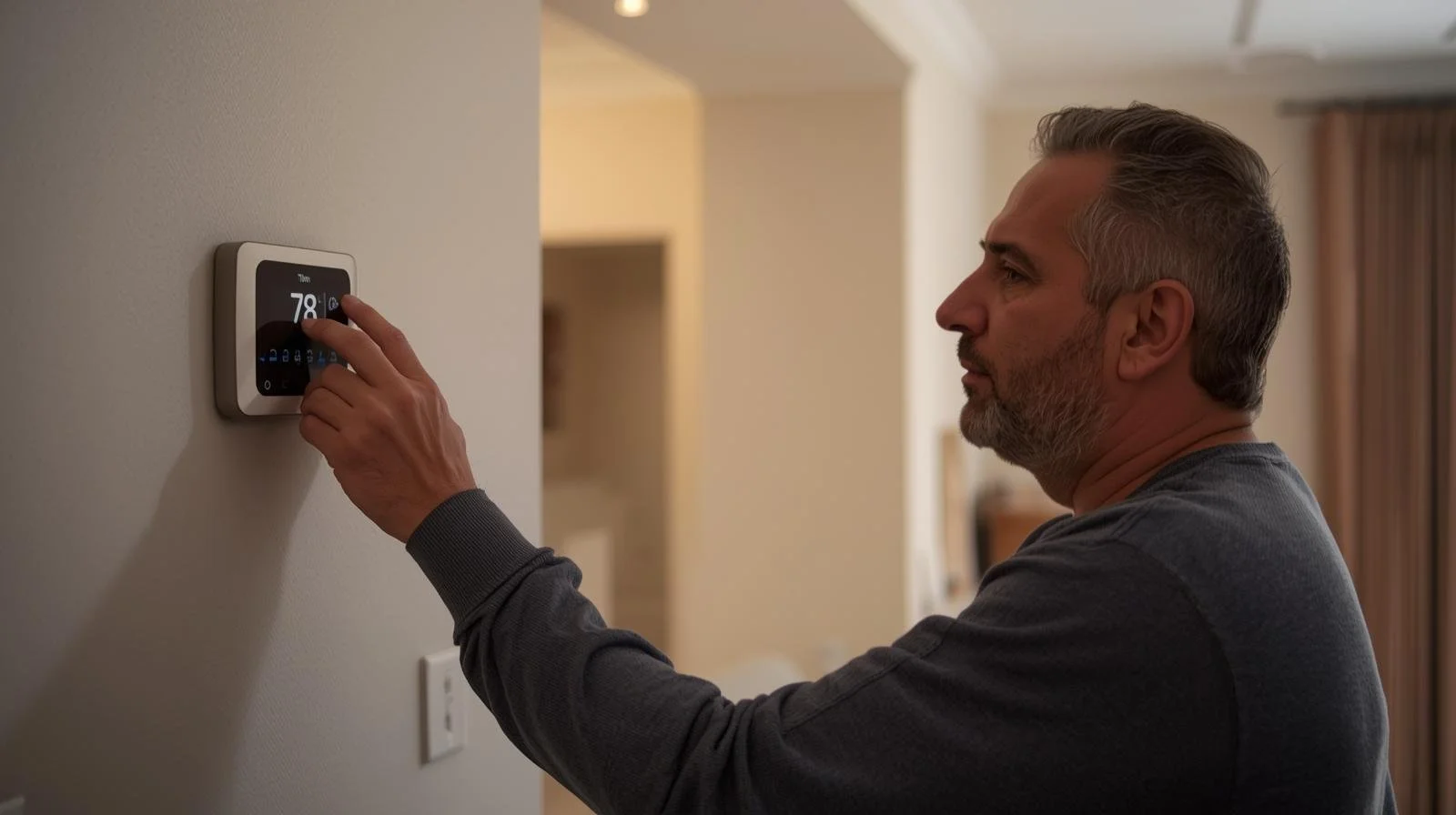
Still manually adjusting your thermostat? You're leaving money on the table every month. J Martin installs smart thermostats in Orange County that pay for themselves in under two years. Call (714) 462-4686.
Seal Your Ductwork
Remember those duct leaks we talked about? Sealing them is one of the highest-return investments you can make. Professional duct sealing typically costs $1,000 to $2,000 and can reduce your heating and cooling costs by 20% to 30%. That's real money you're not currently wasting on heating your attic.
Improve Your Home's Insulation
Many older homes in Orange County have inadequate attic insulation. Adding or upgrading insulation keeps heat inside your living space instead of letting it escape through your roof. It's a one-time cost that reduces your heating and cooling bills for as long as you own the home. If you want to understand how attic insulation actually changes the way your HVAC system performs (and why it consistently outperforms strategies like closing vents), our guide on how attic insulation affects your HVAC efficiency covers the technical reasoning, the warning signs of failing insulation, and the real-world savings Orange County homeowners typically see.
Maintain Your HVAC System
A well-maintained system runs more efficiently than a neglected one. Change your filter every 1 to 3 months. Schedule annual tune-ups. Clean systems use less energy and last longer. Maintenance costs $100 to $200 a year. Replacing a furnace that died prematurely costs thousands. Timing the tune-up matters too. Spring is the highest-value window for Orange County homeowners because technicians can diagnose problems on a mild 75-degree day that would be much harder to catch under summer load. Our complete Orange County spring HVAC maintenance guide walks through what a professional tune-up actually includes and why scheduling before May matters most.
Use Ceiling Fans in Reverse
Heat rises. In winter, running your ceiling fans in reverse (clockwise) pushes warm air back down from the ceiling into your living space. This helps distribute heat more evenly without overworking your furnace. It's a small change that makes rooms feel warmer without raising the thermostat.
Close Doors, Not Vents
If you have rooms you genuinely don't use, close the door to keep conditioned air in the spaces you do use. But leave the vents open so your system maintains proper airflow and pressure. This is a compromise that doesn't damage your equipment.
You won't save as much as you think, but you also won't create the problems that come with closing vents.

Close the door, leave the vent open. This simple switch keeps conditioned air where you need it without creating the pressure problems that lead to expensive furnace repairs. J Martin helps Orange County homeowners save money the right way.
The Real Numbers
Studies by Lawrence Berkeley National Laboratory found that closing vents in unused rooms saved homeowners an average of 5% on heating costs. But those same homeowners saw increased duct leakage, longer system run times, and accelerated wear on their equipment.
In comparison, lowering your thermostat by 3 degrees saves about 9% with zero risk to your system. Sealing ductwork saves 20% to 30%. Upgrading insulation saves 15% to 20%. All of these are better returns with no downside.
Closing vents is penny-wise and pound-foolish. You might save a few dollars a month, but you're setting yourself up for expensive repairs down the line.
The Bottom Line
Your HVAC system was engineered as a balanced system. Every vent placement, every duct size, every CFM of airflow was calculated to work together. When you close vents, you're breaking that balance. The money you think you're saving gets eaten up by increased energy use, duct leaks, and equipment strain.
If you want to save money on heating this winter, focus on the strategies that actually work. Lower your thermostat. Seal your ducts. Upgrade your insulation. Maintain your system. These approaches save more money without risking a $6,000 furnace replacement.
If you're in Orange County and want an energy audit to identify where you're actually losing money, or if you need duct sealing or system maintenance, J Martin Indoor Air Quality can help. We'll show you where the real savings are, not the myths that cost you more in the long run.
J Martin Indoor Air Quality | (714) 462-4686 | Services