
5 HVAC Maintenance Tasks You Can Do Yourself
Updated on May 21, 2026
Your HVAC system works hard to keep your Orange County home comfortable through blazing summers and cool winters. When temperatures hit the high 90s in Yorba Linda or you're dealing with another round of Santa Ana winds, the last thing you want is a system breakdown. The good news? You don't need to be an HVAC technician to keep your system running smoothly. At J Martin, we’ve been providing AC tune-up’s across Orange County since 2014.
DIY HVAC maintenance can save you hundreds of dollars in repair costs, extend your system's lifespan by years, and help you catch small problems before they turn into major headaches. While some tasks require a licensed professional (and we'll cover exactly which ones), there are several simple maintenance jobs that take just minutes and make a real difference in your home's comfort and energy bills.

This is exactly the kind of day to tackle outdoor HVAC maintenance. J Martin recommends cleaning your condenser unit twice a year, in the spring before cooling season and fall after leaves drop. These simple DIY tasks extend your system's life and help us catch small issues during professional tune-ups before they become emergencies.
Let's walk through five essential AC maintenance checklist tasks you can handle yourself, plus when it's time to call in the experts.
Change Your Air Filters Every 30 to 90 Days
This is hands down the most important thing you can do for your HVAC system. Your air filter traps dust, pollen, pet dander, and airborne particles before they circulate through your home or gunk up your equipment. A dirty filter forces your system to work harder, drives up energy costs, and can lead to expensive breakdowns.
Orange County's unique air quality challenges make regular filter changes even more critical. Between seasonal wildfires affecting air quality, Santa Ana winds kicking up dust, and year-round allergens, your filters work overtime. During wildfire season or particularly windy periods in Anaheim or Fullerton, you might need to swap filters every 30 days instead of the typical 60 to 90 days.
Here's how to do it right. First, locate your filter at the return air grille (usually on a wall or ceiling) or inside the air handler unit itself. Turn off your system before removing the old filter. Check the size printed on the filter frame, then buy the same size at any hardware store. Most homes use standard sizes like 16x20 or 20x25.
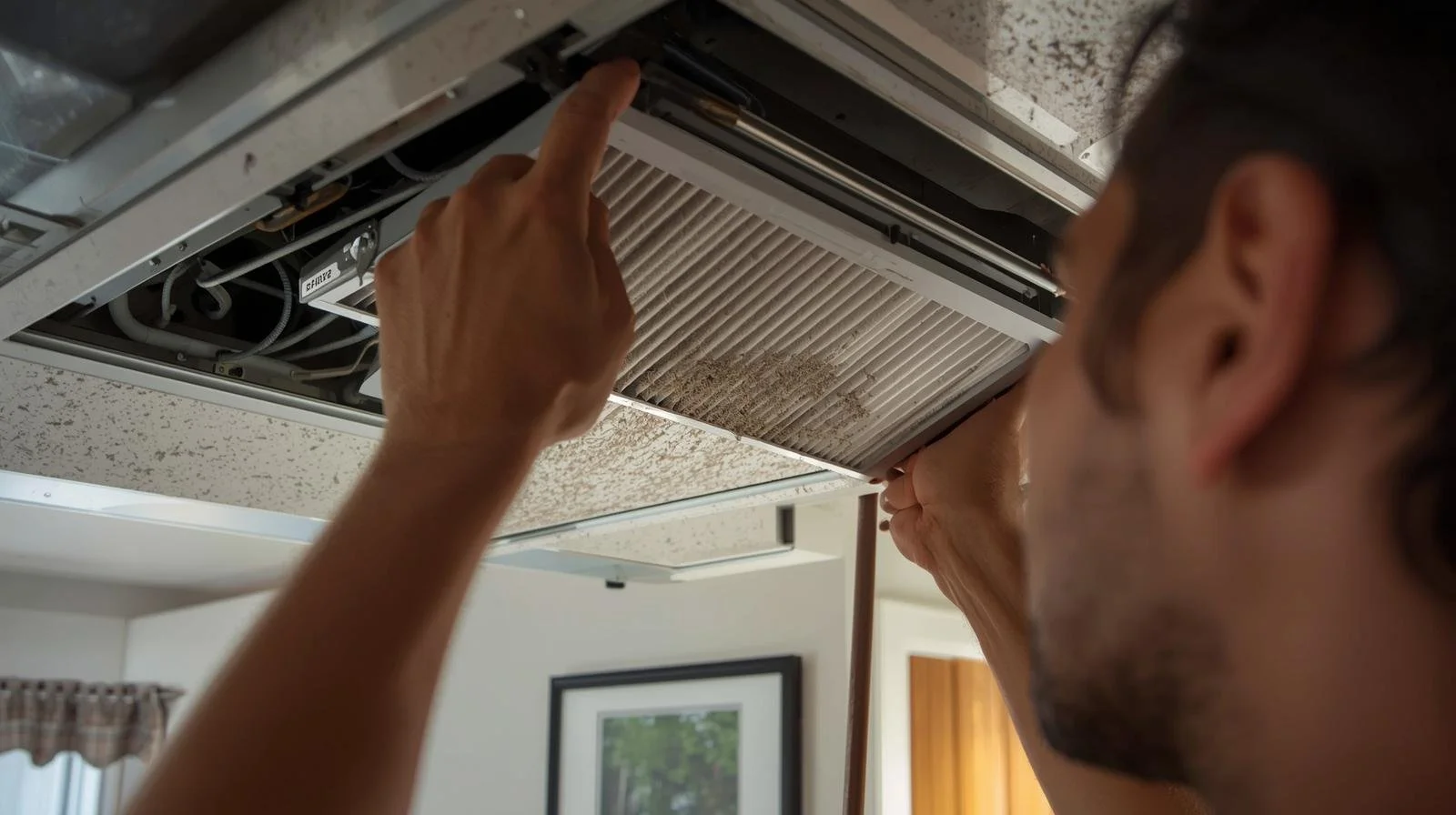
This is hands down the most important HVAC maintenance you can do, and it takes 5 minutes. During wildfire season or Santa Ana winds in Orange County, filters need changing every 30 days instead of 60-90. A dirty filter forces your system to work harder, drives up costs, and leads to expensive breakdowns. When did you last change yours?
Look closely at the arrows on the new filter frame. They show airflow direction and must point toward the duct, away from the room. Slide the new filter in snugly with no gaps around the edges.
Not all filters offer the same protection. Standard fiberglass filters cost a dollar or two but only catch large particles. Pleated filters rated MERV 8 to 11 catch smaller particles and are worth the few extra dollars. If anyone in your home has allergies or asthma, consider MERV 13 filters for better air quality, but check with a professional first since higher-rated filters can restrict airflow in some older systems.
Clean Your Outdoor Condenser Unit Twice a Year
Your outdoor unit (the condenser) releases heat from inside your home to the outside air. When it gets covered in dust, leaves, or debris, your system has to work much harder and costs more to run. In dusty areas throughout Orange County, this simple cleaning task can seriously improve efficiency.
Start by turning off power to the unit at both the breaker box and the exterior shut-off switch near the unit. Safety first. Remove any leaves, branches, grass clippings, or debris from around the unit. You want at least two feet of clearance on all sides for proper airflow.
Use a regular garden hose with a spray nozzle to gently rinse the fins from the inside out. The aluminum fins are delicate, so never use a pressure washer. Spray from top to bottom, working your way around the entire unit. You're removing dust, cottonwood seeds, and whatever else has built up over the months.
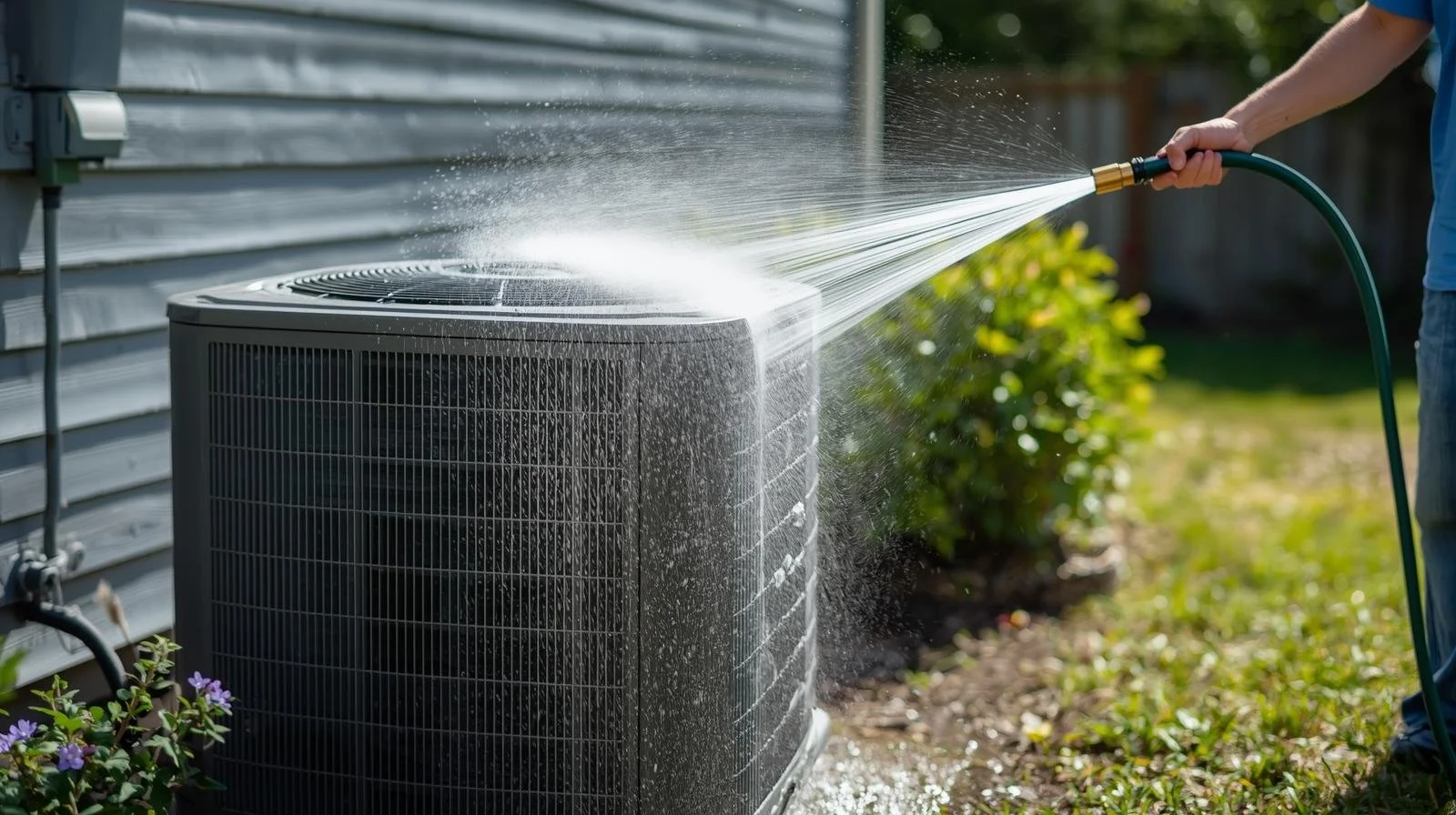
This is the second most important DIY task after filter changes. J Martin recommends cleaning your outdoor condenser twice a year - spring and fall at a minimum. If you live near construction or particularly dusty areas in Orange County, check it monthly during summer. Gentle rinse from inside out, top to bottom. Those aluminum fins are delicate but critical for heat release.
If you notice bent fins, you can carefully straighten them with a butter knife or buy an inexpensive fin comb from the hardware store. Bent fins restrict airflow and reduce your system's cooling capacity.
While you're out there, check the concrete pad under your unit. If it's sinking or tilting, it can strain the refrigerant lines over time. Make a note to mention this during your next professional maintenance visit.
Do this cleaning twice a year at a minimum. Spring before cooling season starts and fall after the leaves drop. If you live near construction zones or particularly dusty areas, peek at it monthly during summer when you're using your AC the most. For the full spring prep walkthrough beyond the condenser unit, our complete Orange County spring HVAC maintenance guide covers timing, pricing, and what's worth handling yourself versus a pro.
Keep Your Condensate Drain Line Clear
Your air conditioner creates condensation as it cools the air in your home. That water has to go somewhere, which is where the condensate drain line comes in. When this line gets clogged with algae, mold, or debris, water backs up and can damage your system or even flood your home. This is a common issue in humid climates like ours in Southern California.
Find the drain line coming from your indoor air handler unit. It's typically a PVC pipe (usually white, sometimes black) that runs to a floor drain, utility sink, or exits outside your home. You'll see a small vent opening, usually a T-shaped fitting with a removable cap, somewhere along the line near the air handler.
Every three months, pour one cup of white vinegar down the drain line through that vent opening. This simple step prevents algae and mold from growing inside the pipe. White vinegar works better than bleach because it won't damage your pipes or system components.
If water is already backing up or you see moisture around your indoor unit, you've got a clog. Try using a wet/dry shop vacuum to suck out the blockage from the outside end of the drain line. Hold the vacuum hose tight against the pipe opening and let it run for a minute or two. This trick works more often than you'd think.
For stubborn clogs or if you're not comfortable tackling this yourself, it's worth calling a professional. Regular maintenance plans include drain line service and inspection, which can save you from water damage headaches down the road.
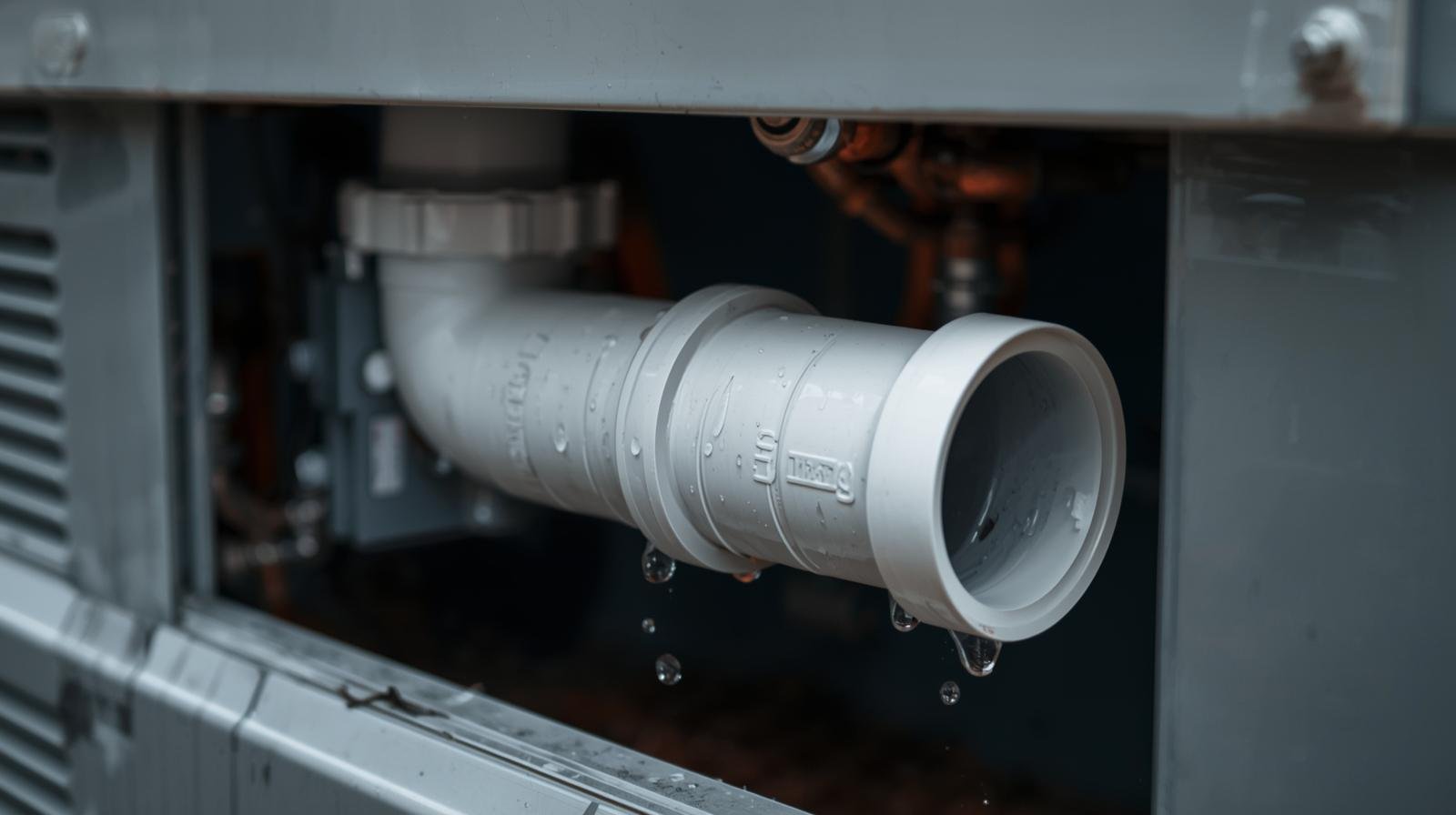
Most Orange County homeowners don't even know this drain line exists until water backs up. Your AC creates condensation that has to drain somewhere. Every three months, pour white vinegar through the vent opening near your air handler. It prevents algae and mold growth that cause clogs. J Martin's maintenance plans include drain line service to catch problems before water damage happens.
Check and Adjust Your Thermostat Settings
Your thermostat is the brain of your HVAC system, controlling when and how your system runs. Regular attention to this small device can make a big difference in comfort and energy savings.
Start with fresh batteries if you have a battery-powered thermostat. Most people forget about this until their system suddenly stops working on the hottest day of summer. Change batteries once a year, or immediately if you see a low battery warning on the display.
Check that your thermostat sits level on the wall. If it's crooked, the mercury switch inside older models won't work correctly. Use a small level and adjust the mounting if needed. While the cover is off, gently brush away dust from the components using a soft paintbrush or compressed air.
Take a look at your programmed schedule. After daylight saving time changes or when seasons shift, your programmed times might not match your actual routine anymore. Orange County weather varies quite a bit throughout the year. You might need heating in the morning and cooling by afternoon during spring and fall transitions.
Consider upgrading to a smart thermostat if you're still using an old manual dial or basic programmable model. Modern smart thermostats pay for themselves through energy savings within a year or two. They learn your schedule, adjust temperatures automatically, and let you control your system from your phone. Many can even alert you to potential problems before they become emergencies. Check out our blog post on whether smart thermostats are worth it.
Set your temperature wisely for maximum savings. Every degree you raise your thermostat in summer (or lower in winter) saves roughly 3% on energy costs. In our moderate climate, you can often get comfortable with wider temperature ranges than people in extreme climates. Try 78 degrees when you're home in summer and 68 in winter, then adjust based on your comfort needs.
Inspect and Clean All Supply and Return Vents
Your supply vents blow conditioned air into each room. Return vents pull air back to your system to be heated or cooled again. When these get dusty or blocked by furniture, your system can't distribute air efficiently, leading to hot or cold spots and wasted energy.
Walk through your entire home and inspect every vent. Remove the vent covers by lifting them off or unscrewing them. Wash the covers in warm, soapy water in your sink or tub, then let them dry completely. While the covers are off, use your vacuum cleaner with a hose attachment to clean inside the duct opening as far as you can comfortably reach.
Wipe down the vent openings and surrounding wall areas with a damp cloth. You'll probably be surprised at how much dust accumulates around vents, especially if you have pets or live near busy streets in Anaheim or Fullerton.
Make absolutely sure no furniture, curtains, storage boxes, or other items are blocking your vents. Blocked vents force your system to work harder, waste energy, and create uneven temperatures throughout your home. This problem is particularly common in kids' bedrooms, home offices, and converted garage spaces.
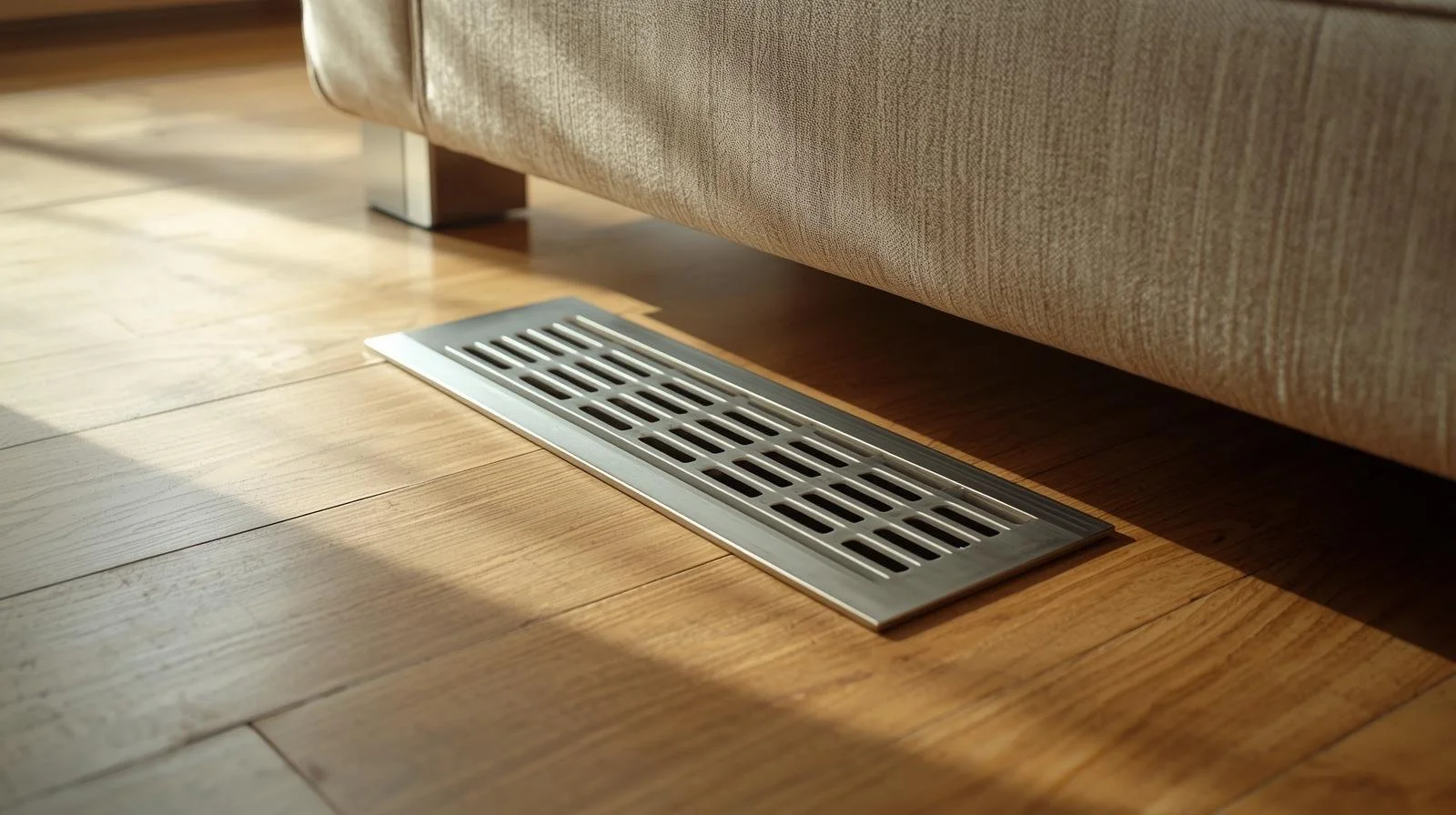
You rearrange furniture and forget about that floor vent. Or you stack boxes in the spare room right over the return air grille. Then you wonder why that room always feels different from the rest of your house. The problem isn't your HVAC system, it's blocked airflow. Five minutes checking every vent solves temperature inconsistencies you've dealt with for months.
Feel the airflow from each supply vent while your system runs. The air should flow strong and steady. If one room always feels different temperature-wise compared to the rest of your home, the problem might be as simple as a partially closed damper (a metal lever inside the duct) or a blocked vent. If airflow seems weak from all vents, you might have a bigger issue that needs professional air quality assessment and duct service.
Look for any signs of condensation or water stains around vents. This can indicate duct leaks, insulation problems, or airflow issues that require professional attention to prevent mold growth and water damage. We’ve put together a comprehensive guide to air duct cleaning for more guidance on inspection.
Know Exactly When to Call a Professional
These five DIY tasks will keep your system running smoothly between professional tune-ups, but they don't replace the need for expert service. Some jobs require specialized tools, technical training, and proper licensing for very good safety and legal reasons.
Never attempt to work with refrigerant under any circumstances. Handling refrigerant requires EPA certification by law, and mistakes can be dangerous and incredibly expensive to fix. If your system isn't cooling properly even after you've changed the filter and cleaned the outdoor unit, that's definitely a job for a licensed technician.
Electrical work is another strict hands-off area. If you're not completely comfortable working with your home's electrical system, do not mess with HVAC wiring, capacitors, or contactors. Capacitors store dangerous electrical charges even when power is turned off at the breaker and can deliver a serious shock.
Strange noises always deserve professional attention. Grinding, squealing, banging, or rattling sounds indicate mechanical problems that only get worse (and more expensive) when you ignore them. The same goes for burning smells or breakers that trip repeatedly when your system runs.
Annual professional maintenance is worth every single penny. A trained HVAC technician will check refrigerant levels precisely, test all electrical components, measure airflow throughout your system, inspect heat exchangers for dangerous cracks, lubricate moving parts, and catch problems you'd never notice until they become major failures. Most expensive repairs we see at J Martin could have been prevented or minimized with regular professional tune-ups. Check out our blog post on the true cost of skipping HVAC maintenance for more tips.
For families throughout Orange County, Yorba Linda, Anaheim, and Fullerton, finding a trustworthy HVAC company really matters. You want technicians who will tell you the honest truth about your system's condition, not try to sell you a brand new system every time something needs repair. That's exactly why Jared built J Martin Indoor Air Quality on his dad's three golden rules: treat others with respect, always do what's right, and never quit what you've started.
Create Your Personal AC Maintenance Checklist
Taking care of these five maintenance tasks will keep your HVAC system running efficiently and help you avoid the most common problems homeowners face. Change those filters regularly based on your home's specific needs, keep your outdoor condenser unit clean and clear, maintain that drain line quarterly, optimize your thermostat settings seasonally, and ensure proper airflow through clean, unblocked vents.
Set reminders on your phone calendar for these maintenance tasks so they become routine. Spring and fall are natural times for most seasonal tasks, with filter changes happening more frequently depending on air quality, pets, and how much you run your system.
Remember that DIY HVAC maintenance works hand in hand with professional service, never as a replacement for it. Think of it exactly like car maintenance. You check your own oil level and tire pressure between visits, but you still take your car to a qualified mechanic for tune-ups, inspections, and repairs that require expertise and specialized equipment.
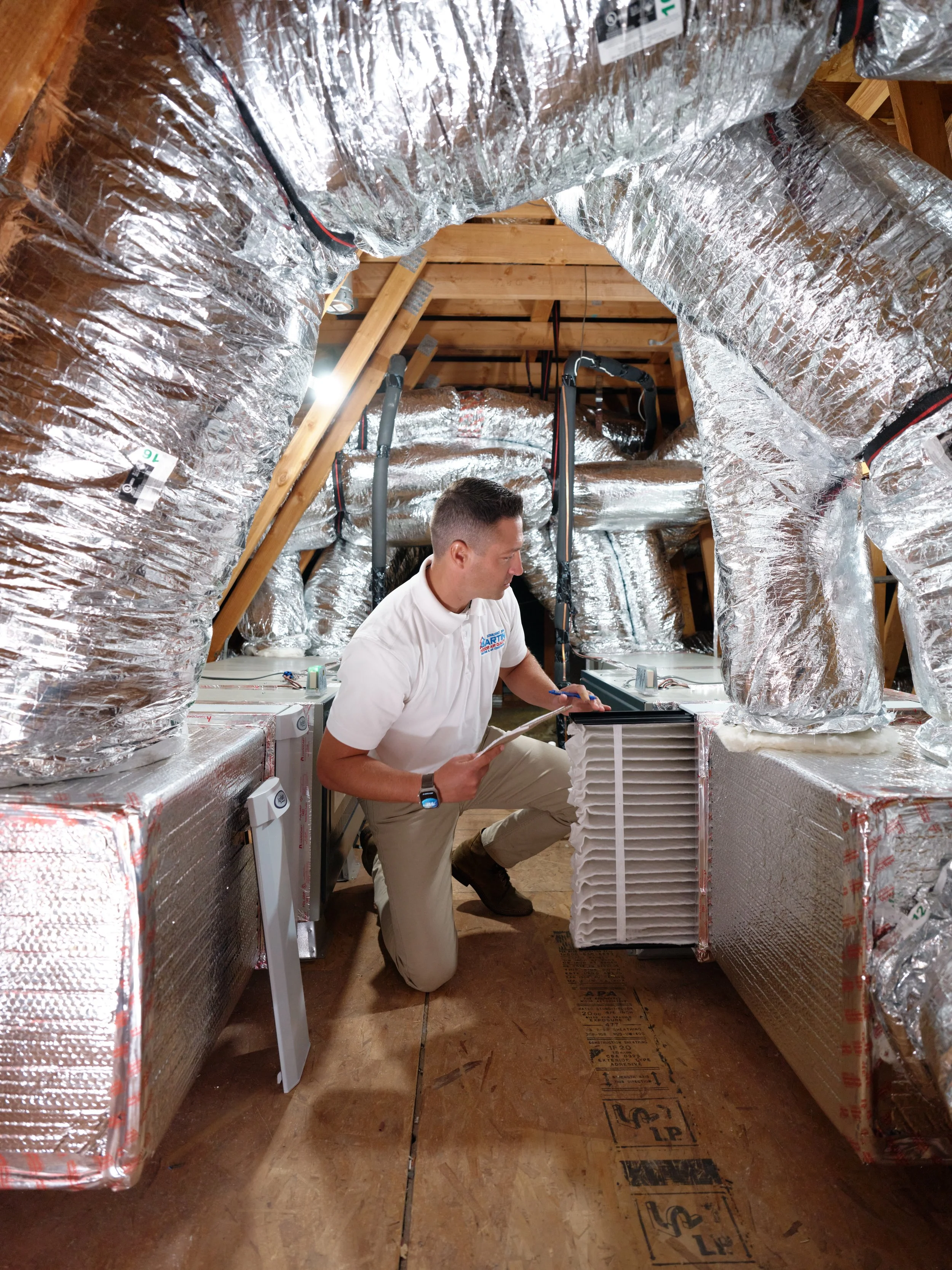
DIY maintenance keeps your system running between tune-ups, but it doesn't replace professional service. Annual inspections catch problems you'd never notice such as cracked heat exchangers, refrigerant leaks, electrical issues, or duct leaks wasting 25-40% of your energy. The most expensive repairs we see at J Martin could've been prevented with regular professional maintenance. Schedule your tune-up: (714) 462-4686.
Your HVAC system represents one of the biggest investments in your home. A little regular attention keeps it running smoothly for years longer, maintains your family's comfort through every season, and saves real money on both monthly energy bills and costly emergency repairs. Plus, there's something genuinely satisfying about taking good care of your home yourself and knowing your system inside and out.
When you do need professional help (and you will eventually), choose a company that truly respects your home and your budget. At J Martin Indoor Air Quality, we believe in doing what's right for every customer, treating people with the respect they deserve, and never pressuring anyone into services they don't actually need. These aren't just nice-sounding words. They're the core values Jared learned from his dad, and they're the foundation of how our family-owned business operates every single day.
Stay comfortable year-round, Orange County. Your HVAC system works hard for you, especially when you take good care of it in return.
J Martin Indoor Air Quality | (714) 462-4686 | Services