
The Science of Indoor Comfort: Temperature, Humidity, and Air Quality
Updated on December 29, 2025
You know that feeling when you walk into a home and everything just feels right? The air is fresh, the temperature is perfect, and you can breathe easy. That's not magic or luck. It's indoor comfort science at work.
Indoor comfort is about more than just setting your thermostat to 72 degrees and calling it a day. True comfort comes from the precise balance of three key factors: temperature, humidity levels, and air quality. When all three work together properly, your Orange County home feels amazing. When even one is off, you'll notice it immediately, even if you can't quite put your finger on why you feel uncomfortable.
Understanding the science behind indoor comfort helps you create a healthier, more enjoyable living space while using less energy. Let's break down what actually makes your home comfortable and how to achieve it year-round.
Why Temperature Alone Doesn't Equal Comfort
Most people think comfort starts and stops with the thermostat reading. Set it to their preferred temperature and they're done. But your body doesn't experience temperature the same way a thermometer does.
Your comfort depends on several factors working together. Air temperature matters, yes, but so does radiant heat from walls and windows, air movement across your skin, humidity levels, and even what you're wearing. This is why 75 degrees can feel perfect one day and stuffy the next.
The phenomenon is called "thermal comfort," and researchers have studied it extensively. Your body constantly works to maintain a core temperature of about 98.6 degrees. When your environment makes this easy, you feel comfortable. When your body has to work harder to cool down or warm up, you feel uncomfortable, even if the thermostat shows your preferred number.

True comfort isn't luck. It's the precise balance of temperature, humidity, and air quality working together. J Martin helps Orange County families achieve that 'everything feels just right' feeling in their homes through comprehensive comfort assessments and solutions.
In Orange County, radiant heat makes a huge difference. On a hot summer day in Yorba Linda, your walls and ceiling absorb heat from the sun. Even if your AC cools the air to 75 degrees, those warm surfaces radiate heat toward you, making the room feel warmer than the thermostat suggests. This is why homes with good insulation and reflective roofing stay more comfortable at higher thermostat settings.
Your HVAC system's job isn't just to hit a temperature target. It needs to create consistent conditions throughout your home while accounting for these other comfort factors.
Finding Your Ideal Temperature Range
The widely accepted comfort zone for most people falls between 68 and 76 degrees Fahrenheit. But there's plenty of room for personal preference within that range, and seasonal adjustments make sense.
During winter months, most people feel comfortable between 68 and 72 degrees. You're typically wearing more layers, so slightly cooler temperatures work fine. During summer, the comfort range shifts up to 72 to 76 degrees since you're dressed lighter and your body expects warmer conditions.
These ranges assume moderate humidity levels around 40 to 50 percent. When humidity climbs higher, the same temperature feels warmer and stickier. When humidity drops too low, that same temperature might feel chilly or dry.
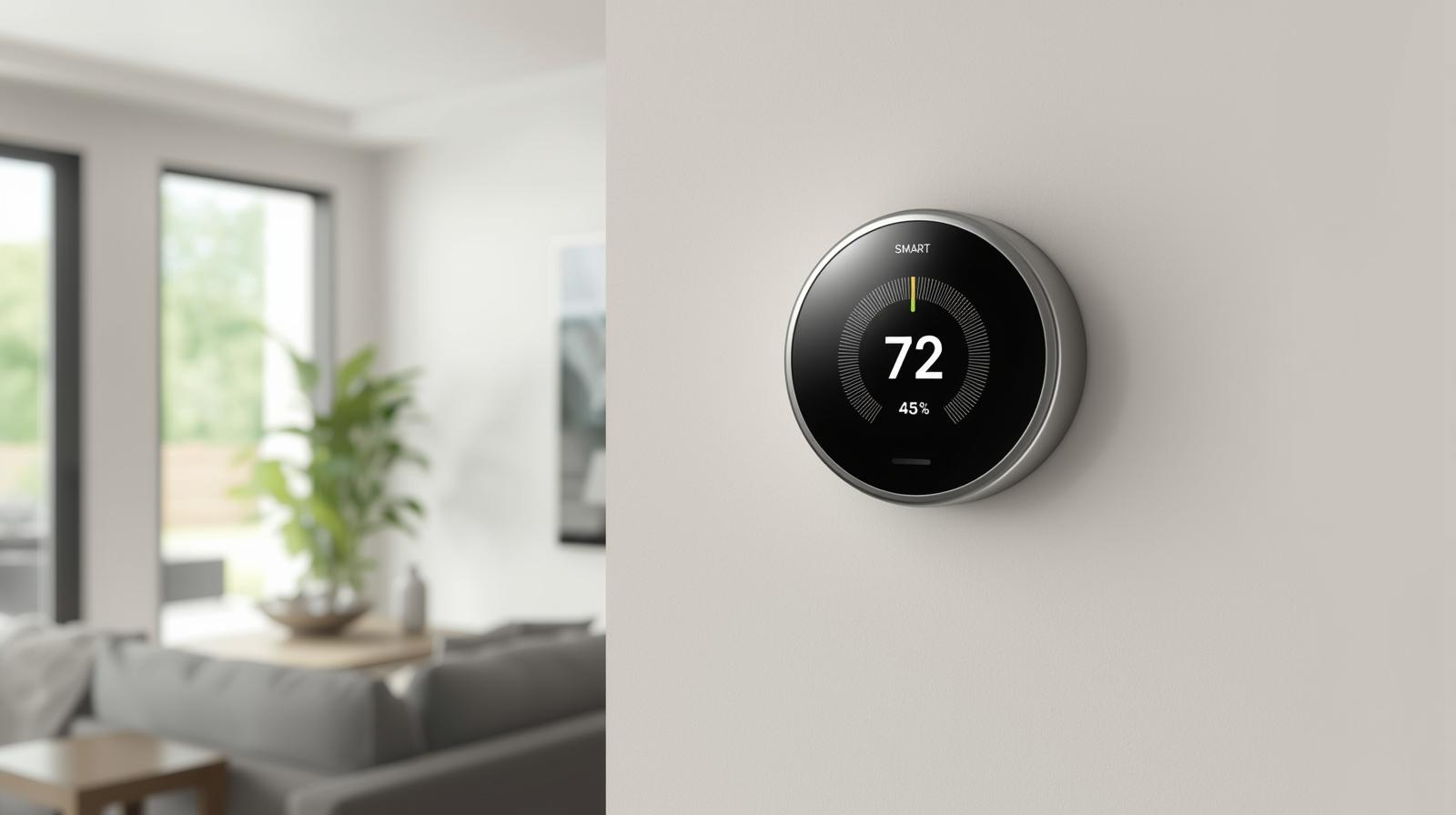
Ever wonder why 72 degrees feels perfect one day and stuffy the next? It's humidity. At 45% humidity, 72 degrees feels comfortable. At 65% humidity, that same temperature feels sticky and warm. Smart thermostats that monitor both give you the data you need to actually solve comfort problems.
Here's what matters for your Orange County home. Our climate gives us moderate temperatures most of the year, with occasional heat waves in summer and cool snaps in winter. You can often maintain comfort at higher summer temperatures (76 to 78 degrees) and lower winter temperatures (68 degrees) compared to people in extreme climates. This translates directly into energy savings.
Pay attention to temperature consistency between rooms. If your bedroom runs five degrees warmer than your living room, someone will always be uncomfortable. This often points to airflow problems, duct leaks, or inadequate insulation that professional air quality servicescan identify and fix.
Humidity: The Hidden Comfort Factor
Humidity might be the most overlooked aspect of indoor comfort, but it's incredibly important. The amount of moisture in your air affects how temperature feels, your health, and even your home's structure.
The ideal indoor humidity range is 30 to 50 percent. Below 30 percent, the air feels dry and uncomfortable. Your skin gets itchy, your throat feels scratchy, and static electricity becomes annoying. Wood furniture and flooring can crack. You're also more susceptible to respiratory infections because dry air irritates your mucous membranes.
Above 50 percent humidity, problems multiply quickly. High humidity makes warm temperatures feel hotter because your sweat doesn't evaporate efficiently to cool you down. You feel sticky and clammy. Worse, high humidity creates perfect conditions for mold growth, dust mites, and other allergens that affect your health.
Orange County's climate stays relatively dry compared to humid regions, but we still experience humidity swings. Coastal areas like Huntington Beach have higher humidity than inland communities. Summer mornings can be humid before burning off by afternoon. Your AC naturally removes some humidity as it cools, but it might not be enough during our occasional humid periods.
Signs your humidity is off include condensation on windows, musty odors, aggravated allergies, or that clammy feeling even when the temperature seems right. A simple hygrometer (humidity meter) costs about ten dollars and gives you real data to work with.

See condensation on your windows? That's a clear sign your indoor humidity is too high, likely above 50%. High humidity makes temperatures feel warmer, creates perfect conditions for mold and dust mites, and affects your health. J Martin can diagnose and fix humidity problems in Orange County homes: (714) 462-4686.
If you're consistently battling humidity issues, whole-home humidifiers or dehumidifiers integrated with your HVAC system provide automatic control. These systems maintain ideal humidity levels without the hassle of portable units that need constant attention.
Air Quality: What You Can't See Matters Most
You can feel temperature and humidity, but air quality works invisibly. Poor indoor air quality affects your health, comfort, and quality of life in ways that accumulate over time.
Indoor air often contains more pollutants than outdoor air. Dust, pollen, pet dander, volatile organic compounds from furniture and cleaning products, cooking fumes, and even carbon dioxide from breathing build up inside sealed homes. Without proper ventilation and filtration, these contaminants recirculate constantly.
Common symptoms of poor air quality include headaches, fatigue, difficulty concentrating, irritated eyes and throat, and worsened allergies or asthma. You might feel fine when you leave home but uncomfortable when you return. Some people just feel "off" without connecting it to their air quality.
Your HVAC system is your primary defense against poor air quality. The filter catches particles every time air circulates. But standard fiberglass filters only catch the largest particles. Upgrading to pleated filters rated MERV 11 or higher removes smaller particles including pollen, mold spores, and pet dander.
For families dealing with allergies, asthma, or other respiratory issues, advanced air purification systems provide another layer of protection. These systems use technologies like UV light or electronic air cleaners to neutralize bacteria, viruses, and odors that filters alone can't eliminate.
Orange County's air quality varies by location and season. Santa Ana winds kick up dust and allergens. Wildfire smoke drifts in during fire season. Living near freeways in Anaheim or Fullerton means more vehicle emissions. Understanding your local air quality challenges helps you take appropriate action.

Visible dust = poor filtration. Indoor air quality affects your health every day. J Martin upgrades air filtration in Orange County homes: (714) 462-4686.
Keep Air Circulation Moving
Stagnant air feels uncomfortable even at the perfect temperature and humidity. Your body needs gentle air movement to maintain comfort. This is why you instinctively turn on a fan on warm days.
Air circulation serves multiple purposes in your home. It distributes conditioned air evenly so every room stays comfortable. It prevents hot or cold spots near windows and exterior walls. Moving air helps moisture evaporate from your skin, making you feel cooler without lowering the thermostat.
Your HVAC system circulates air through supply and return vents. Supply vents push conditioned air into rooms. Return vents pull air back to be heated or cooled again. This constant circulation maintains consistent temperatures and filters the air repeatedly.
Ceiling fans complement your HVAC by creating local air movement without changing the actual temperature. In summer, fans should spin counterclockwise to push air down and create a breeze. In winter, reverse them to spin clockwise at low speed to push warm air down from the ceiling without creating a draft.
Blocked vents cause circulation problems that ruin comfort and waste energy. Furniture pushed against vents, closed doors without return paths, or accumulated dust restricts airflow. Walk through your home and check every vent. You should feel strong, consistent airflow from supply vents when your system runs.
Poor circulation often means ductwork problems. Leaky ducts waste up to 30 percent of your conditioned air in attics and crawl spaces where it does you no good. Undersized or poorly designed duct systems can't deliver enough air to certain rooms. These issues require professional duct inspection and sealing to fix properly.
Balancing All Three Factors for Maximum Comfort
Indoor comfort happens when temperature, humidity, and air quality work together harmoniously. Optimizing one factor while ignoring the others leaves you uncomfortable and frustrated.
Think of it like baking a cake. The right temperature, proper ingredients, and correct timing all matter. Skip one element and your cake fails. Your home works the same way. The right air temperature, balanced humidity, and clean air must all be present simultaneously.
Your HVAC system is designed to manage all three factors together. Modern cooling systems don't just lower temperature. They remove humidity, filter air, and circulate it throughout your home. When properly maintained and operated, they create the complete comfort package.
Start by setting realistic expectations. Perfect comfort 24/7 in every room is difficult to achieve without smart zoning systems. But you can definitely achieve consistent comfort in main living areas where your family spends most of their time.
Use your thermostat wisely. Smart thermostats learn your preferences and adjust automatically. They can account for factors like outdoor temperature and humidity to optimize comfort while minimizing energy use. Many alert you to problems like unusual runtime or temperature swings that indicate equipment issues.
Monitor humidity with that inexpensive hygrometer. If levels consistently run too high or low, address it with whole-home humidification or dehumidification. Trying to manage humidity with portable units room by room is tedious and ineffective.
Change your air filter on schedule based on your home's needs. During high pollen season or when wildfire smoke affects Orange County air quality, check filters monthly. With pets, you'll need changes every 30 to 60 days. Clean homes without pets might stretch to 90 days.

Air quality isn't just about filtration, it's about changing filters on schedule. You can have the best MERV 13 filter available, but if it's clogged with six months of dust, it's not protecting your air anymore. Check it monthly especially during pollen season. Your breathing depends on this simple task.
When to Handle It Yourself vs. Call a Professional
You can manage many comfort factors through simple DIY steps. Changing filters, adjusting thermostat schedules, using fans strategically, and keeping vents clear all fall within homeowner territory. These tasks take minutes and cost little or nothing.
But some comfort issues signal bigger problems that require professional diagnosis and repair. If adjusting your thermostat doesn't change how your home feels, something's wrong with your system. Rooms that stay consistently warmer or cooler than others point to ductwork or equipment sizing problems.
Strange smells deserve immediate professional attention. Musty odors suggest mold growth somewhere in your system. Burning smells might indicate electrical problems or overheating components. Don't ignore these warning signs.
Excessive dust accumulation even with regular cleaning means your filtration system isn't working properly or your ducts are leaking and pulling in attic dust. Professional duct cleaning and sealing solves this problem permanently.
If family members experience worsening allergies or respiratory issues at home, your air quality needs professional assessment. Sometimes the solution is simple, like upgrading filters. Other times you need UV lights, electronic air cleaners, or better ventilation.
Annual maintenance visits are essential for maintaining comfort long term. Technicians measure airflow, check refrigerant levels, test humidity control, inspect ductwork, and catch small problems before they affect your comfort or turn into expensive repairs.
At J Martin Indoor Air Quality, we approach every comfort problem by looking at the complete picture. Sometimes a comfort complaint traces back to simple issues like a dirty filter or closed vent. Other times it reveals equipment problems or duct issues that need correction. We'll always give you honest answers about what's actually wrong and what it takes to fix it properly.
Creating Your Comfort Strategy
True indoor comfort comes from understanding how temperature, humidity, and air quality interact, then taking steps to optimize all three. It's not complicated, but it does require attention and occasional adjustments.
Start by establishing baselines. What's your home's typical humidity level in different seasons?
Which rooms feel consistently uncomfortable? When do comfort problems occur? This information helps you identify patterns and solutions.
Make the easy improvements first. Change to better air filters, use ceiling fans strategically, keep vents clear, and adjust your thermostat schedule to match your actual routine. These steps cost little but deliver noticeable results.
Invest in simple monitoring tools. A basic hygrometer shows humidity levels. A smart thermostat gives you data about temperature patterns and system runtime. Information helps you make better decisions about comfort and efficiency.

True comfort happens when temperature, humidity (30-50%), and air quality all work together. Your HVAC system manages all three factors simultaneously when properly maintained. J Martin helps Orange County families create spaces that feel this comfortable year-round through comprehensive comfort assessments and solutions.
Consider professional assessment if DIY improvements don't solve your comfort problems. A thorough evaluation identifies root causes like undersized equipment, duct problems, or insulation issues. Fixing these problems once delivers lasting comfort instead of constantly adjusting settings trying to compensate.
Remember that comfort needs change with seasons, family routines, and even as you age. What felt perfect last year might need adjustment now. That's completely normal. Your home should adapt to your needs, not the other way around.
Creating a comfortable home means more than staying physically comfortable. It affects your sleep quality, productivity, health, and overall happiness. When your home feels right, everything else gets a little easier. That's why understanding and managing indoor comfort matters so much.
At J Martin, Jared's dad taught him three values that guide everything we do: treat others with respect, always do what's right, and never quit what you've started. These principles shape how we approach every comfort problem. We listen to what you're experiencing, explain what's actually happening, and recommend solutions that truly fix the problem rather than just selling you something. Your comfort matters to us because you matter to us.
Your Orange County home should feel like your sanctuary year-round. With the right understanding and occasional professional help, you can achieve that consistent comfort your family deserves.