
The True Cost of Skipping HVAC Maintenance
Updated on May 21, 2026
When was the last time you thought about your HVAC system? If it's keeping your home cool, most of us don't give it a second thought. We're busy with work, family, and a million other things that feel more urgent than scheduling maintenance for equipment that seems to be working just fine. But here's what most Orange County homeowners don't realize until it's too late: that "just fine" system is costing you more money every single day you put off maintenance. And when it finally does break down, it won't be at a convenient time. It'll be during a heatwave, on a holiday weekend, when repair costs are at their highest. Here at J Martin, we’ve been providing AC tune-ups to the surrounding areas of Orange County since 2014.
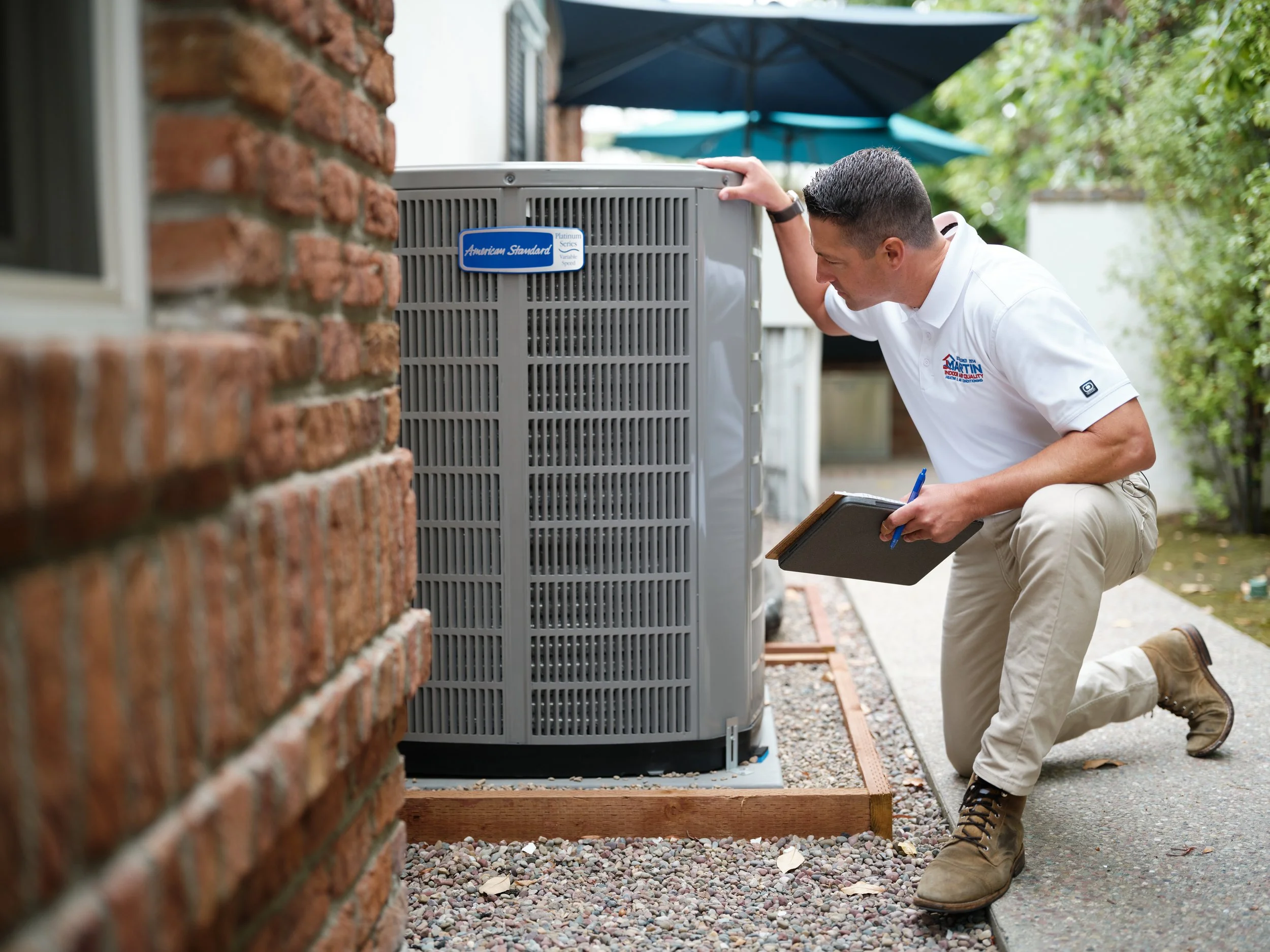
Most homeowners don't think about their HVAC system until it breaks down, usually during a heatwave. Our maintenance visits prevent those emergency calls and save you thousands over time.
The real HVAC maintenance cost isn't what you pay for annual service. It's what you lose by not getting it. When you skip that yearly tune-up, you're essentially choosing to pay more for everything: higher utility bills every single month, repairs that cost three to five times more than preventive care, and replacing your entire system up to a decade early. For the average Orange County home, we're talking about thousands of dollars over just a few years.
Let's break down exactly what skipping maintenance actually costs you, so you can make an informed decision about your home's comfort system. Because at J Martin Indoor Air Quality, we believe you deserve to know the real numbers, not just a sales pitch.
Why Your HVAC System Needs Regular Attention
Think of your HVAC system like your car. You wouldn't drive 50,000 miles without an oil change, right? Your heating and cooling system works harder than almost any other appliance in your home, running thousands of hours each year in our Southern California climate.
Every time your system cycles on, dust accumulates on components, connections loosen slightly, and parts experience wear. In Orange County, where we run our AC systems nearly year-round and deal with Santa Ana winds that blow debris into outdoor units, this wear happens faster than in many other climates. Your system is working overtime to keep you comfortable through those 90-degree October days and the occasional cold snap in January.
Regular maintenance catches small issues before they become big problems. A technician can spot a worn belt, clean dirty coils, or tighten an electrical connection during a routine visit. Skip that visit, and the worn belt snaps on the hottest day of summer, the dirty coils make your system work twice as hard, and the loose connection causes a compressor failure that costs $3,000 to fix.
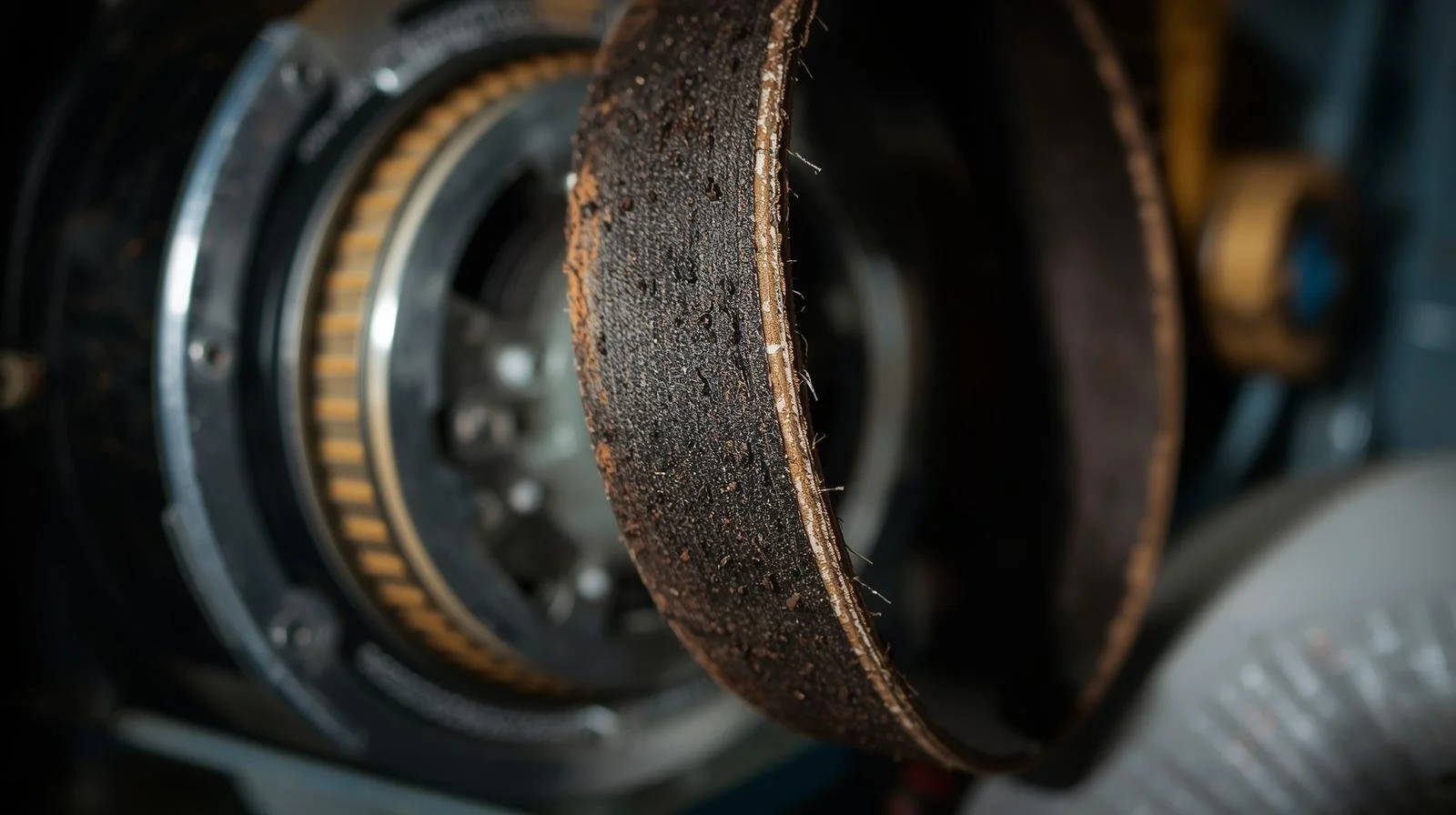
Regular maintenance catches wear like this before it becomes an emergency repair. J Martin's technicians spot small problems during annual tune-ups, saving Orange County homeowners hundreds in preventable repairs.
The Hidden Energy Cost of a Neglected System
Here's where skipping maintenance really hurts your wallet: your monthly energy bills. A well-maintained HVAC system runs efficiently, using only the energy it needs to keep your home comfortable. But when filters get clogged, coils get dirty, and components wear down, your system has to work much harder to do the same job.
Studies from the Department of Energy show that neglected HVAC systems lose about 5% of their efficiency each year. That might not sound like much, but it adds up fast. If you skip maintenance for three years, your system could be operating at 85% efficiency or worse. For the average Orange County home spending $150-200 per month on cooling during summer, that's an extra $22-30 per month, or $264-360 per year, just thrown away.
The longer you wait, the worse it gets. After five years without maintenance, some systems operate at only 70% of their original efficiency. You're essentially paying 30% more every single month to get the same cooling you used to get. Over the remaining life of your system, that could total $5,000 or more in wasted energy costs.
And here's something most homeowners don't realize: once efficiency is lost due to neglect, you can't always get it back. Some damage is permanent. A coil that's been caked with dirt for years may never return to peak performance, even after cleaning.
Repair Costs Add Up Faster Than You Think
Emergency repairs cost significantly more than preventive maintenance, both in parts and labor. When you call for emergency service on a Friday evening because your AC just quit during a heatwave, you're paying premium rates. More importantly, you're dealing with failures that could have been prevented.
The data tells a clear story. Homeowners who skip regular maintenance spend an average of $400-600 per year on repairs, compared to $150-200 per year for those who maintain their systems properly. That's two to three times more spent on fixing problems that didn't need to happen.
Common repairs that result from skipped maintenance include compressor failures ($1,500-3,500), blower motor replacements ($600-1,500), refrigerant leak repairs ($500-1,500), and electrical component failures ($200-600). Meanwhile, a comprehensive maintenance visit typically costs $89-150 and prevents most of these issues.
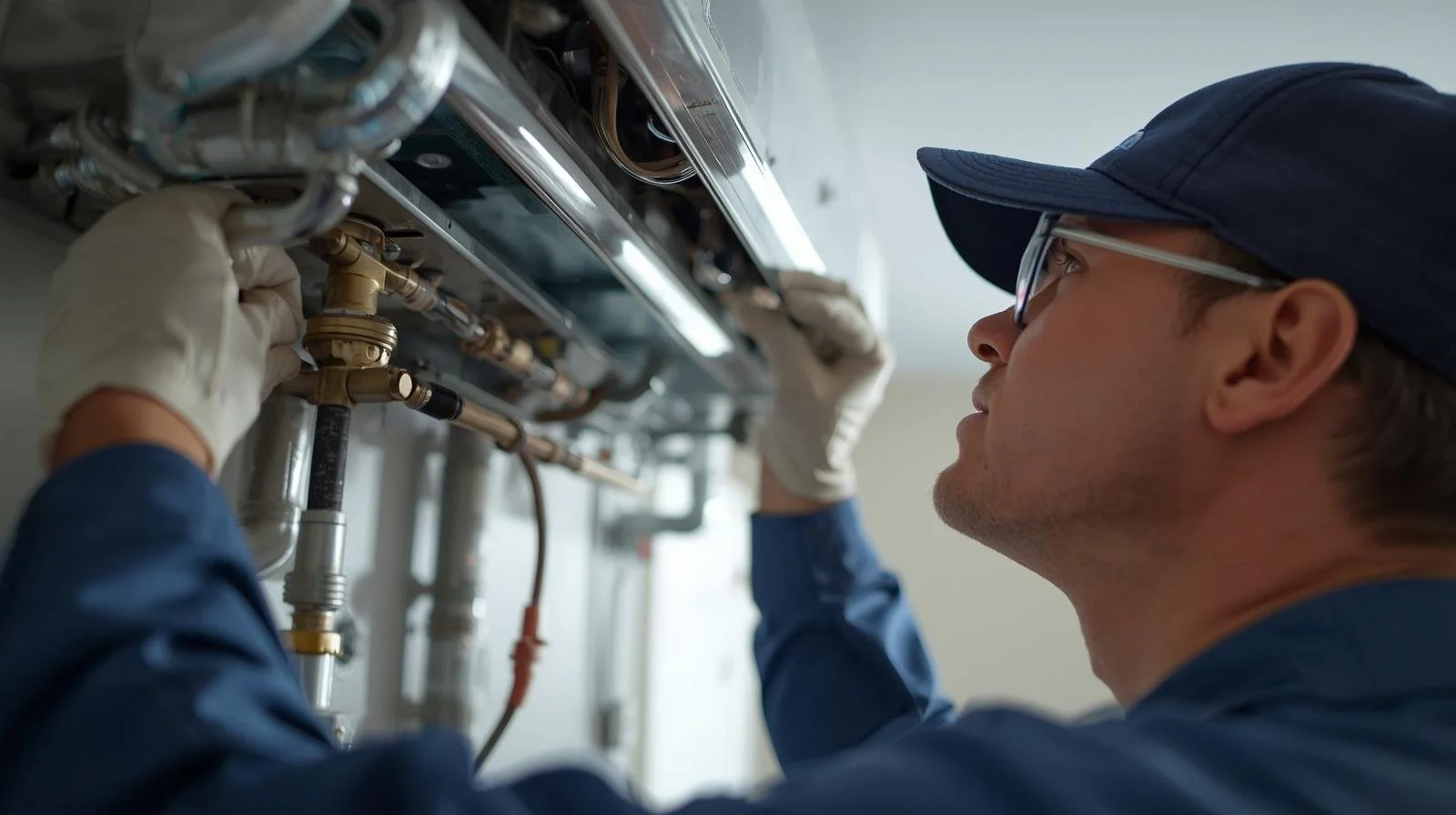
Professional HVAC maintenance includes checking refrigerant levels and inspecting connections for leaks. J Martin's thorough inspections catch problems before they damage your compressor or spike your energy bills.
There's also the domino effect to consider. When one component fails because it's been working too hard to compensate for other neglected parts, it often damages additional components in the process. A clogged filter forces the blower motor to work harder, which can cause it to overheat and fail, which then puts extra strain on the capacitor, which might fail next. One preventable problem cascades into multiple expensive repairs.
Your System Dies Years Earlier Than It Should
Most quality HVAC systems are designed to last 15-20 years with proper care. Skip that care, and you might be looking at replacement after just 10-12 years. In Orange County's real estate market, that means facing a $6,000-12,000 replacement expense years before you should need to.
The math is straightforward. A system that receives annual maintenance typically lasts 17-20 years. A neglected system averages 10-13 years. That's a difference of 5-7 years of life, or about 30-40% of the system's potential lifespan. If your system cost $8,000 installed, you just threw away $2,400-3,200 by skipping a $120 annual service.
This happens because HVAC systems are complex machines with many interdependent parts. When you neglect maintenance, you're allowing small problems to cause premature wear throughout the entire system. Dirty coils make the compressor work harder. Low refrigerant makes everything work harder. Worn belts cause vibration that loosens connections. Each neglected issue shortens the life of multiple components simultaneously.
For families in Yorba Linda or Anaheim who are planning to stay in their homes long-term, this matters even more. The difference between replacing your system twice in 25 years versus once could be $10,000 in your pocket.
The AC Tune Up Worth It Question, Answered with Real Numbers
Let's put some actual numbers to this question: is an AC tune up worth it? We'll compare two scenarios for a typical Orange County home over a 15-year period.
Scenario A (With Annual Maintenance): You pay $120 per year for comprehensive maintenance from a trusted local company. That's $1,800 over 15 years. Your system runs efficiently, saving you approximately $300 per year on energy costs compared to a neglected system. You spend about $500 total on minor repairs over those 15 years. Your system lasts its full 18-year lifespan. Total 15-year cost: $2,300 in maintenance and repairs, minus $4,500 in energy savings.
Scenario B (No Maintenance): You pay nothing for maintenance and feel like you're saving money. Your system loses efficiency steadily, costing you an extra $300-500 per year in energy by year five and beyond. That's $3,000-5,000 in wasted energy over 15 years. You spend $4,500 on repairs because problems aren't caught early. Your system dies after 12 years, requiring a $8,000 replacement. Total 15-year cost: $12,500-17,500.
The difference? Homeowners who skip maintenance spend $10,000-15,000 more over 15 years than those who invest in annual tune-ups. That's not even accounting for the comfort issues, time lost dealing with breakdowns, and stress of emergency situations. For a transparent breakdown of what you should actually pay for a professional tune-up in Orange County, including how to spot the $29 special scam, see our guide to AC tune-up cost in Orange County.
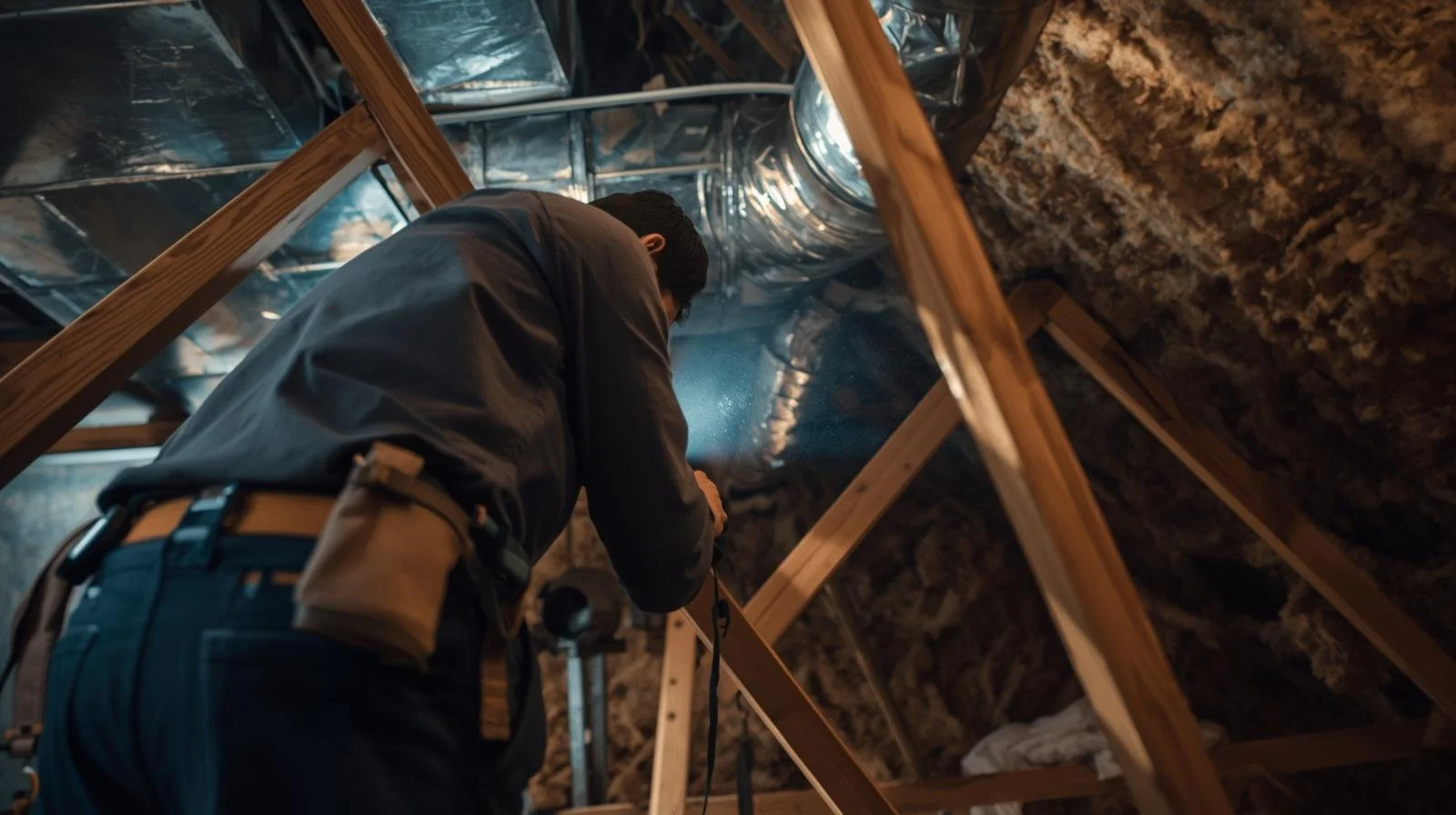
Complete system inspections catch hidden problems. J Martin provides thorough HVAC maintenance: (714) 462-4686
What Orange County's Climate Does to Your System
Living in Southern California comes with amazing weather, but it also means your HVAC system faces unique challenges. Our near-constant cooling season means your AC runs far more hours per year than systems in most other parts of the country. While homeowners in many states might run their AC 800-1,000 hours per year, Orange County systems often run 2,000-3,000 hours or more.
The Santa Ana winds bring another challenge. These strong, dry winds blow dust, debris, and allergens directly into your outdoor condenser unit. After a few windy days, your outdoor coils can be covered in a layer of dirt that severely restricts airflow. This is why outdoor coil cleaning is especially important in our area and should be part of any maintenance visit.
Our proximity to the ocean adds another factor for homeowners in coastal areas like Huntington Beach or Newport Beach. Salt air accelerates corrosion on metal components, particularly the outdoor unit. Regular maintenance that includes checking for and treating early corrosion can add years to your system's life in coastal environments.
The combination of long cooling seasons, periodic windstorms, and varying air quality across the county means Orange County HVAC systems need maintenance more frequently than the national average, not less. This isn't a sales tactic. It's simple physics and environmental reality.
DIY Maintenance vs. Professional Service: Finding the Right Balance
There are absolutely things you can and should do yourself to keep your system running well between professional visits. Regular filter changes are the most important DIY task. Depending on your filter type and home conditions, this means replacing or cleaning filters every 1-3 months. If you have pets, live near construction, or keep windows open frequently, monthly changes aren't excessive. For the full step-by-step on what homeowners can safely handle themselves, including condenser cleaning, drain line maintenance, and thermostat checks, see our 5 HVAC maintenance tasks you can do yourself.
You can also keep your outdoor unit clear of debris. Trim back plants so there's at least two feet of clearance around the unit. After windstorms, take a minute to remove any leaves or debris from the top and around the base of the unit. You can gently spray the outside of the condenser coils with a garden hose to remove surface dust (but never use a pressure washer, which can damage the delicate fins).
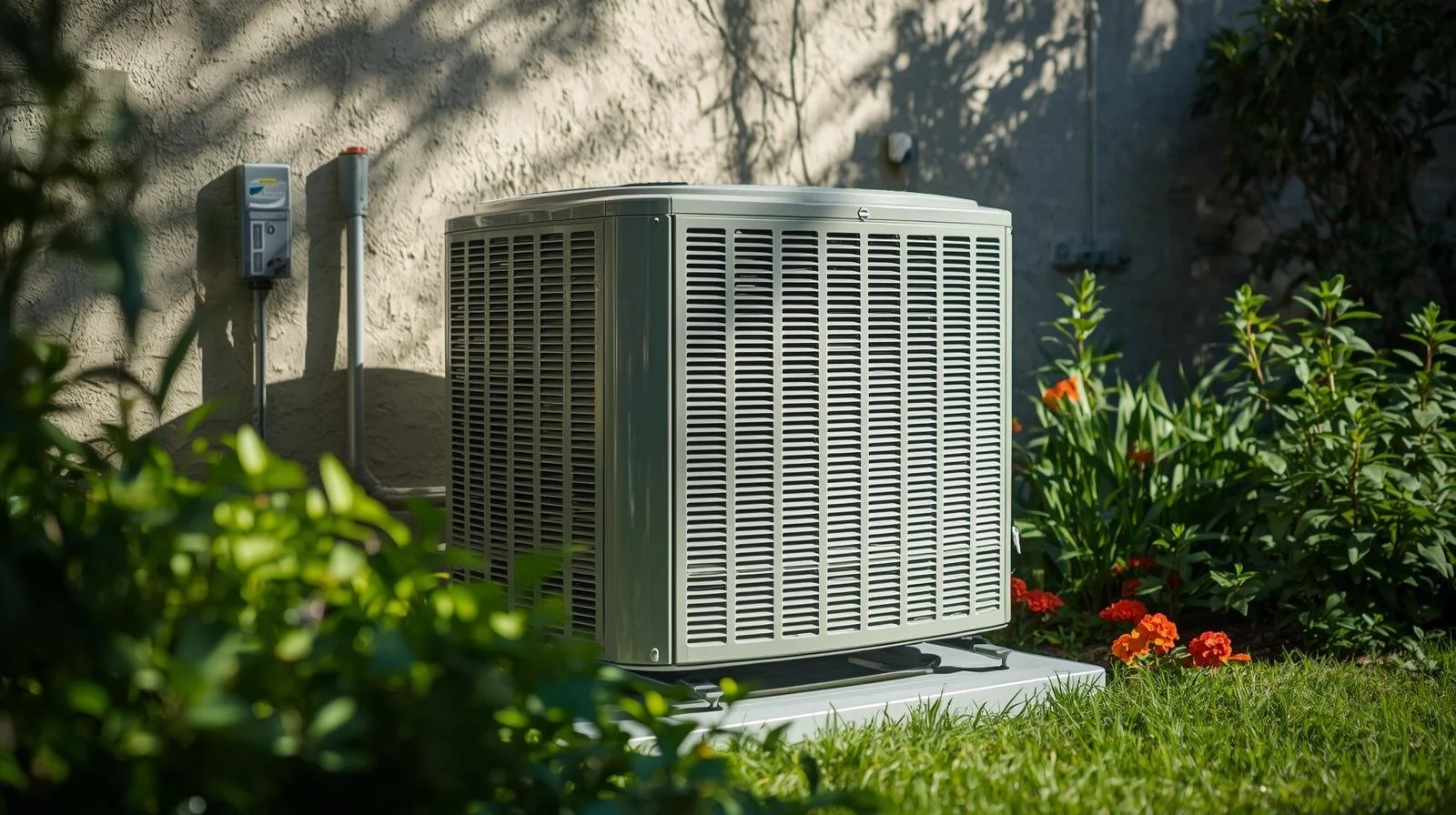
Regular maintenance keeps your outdoor unit clean and running efficiently. J Martin's thorough tune-ups include coil cleaning, debris removal, and complete system inspections that extend equipment life and lower energy costs.
Inside, make sure supply and return vents aren't blocked by furniture, drapes, or storage items. Good airflow throughout your home helps your system work efficiently. Listen for unusual sounds when your system runs. Strange noises often indicate developing problems that are easier to fix when caught early.
However, some maintenance tasks require professional knowledge and tools. Checking refrigerant levels, testing electrical components, measuring airflow, inspecting the heat exchanger for cracks, calibrating thermostats, and cleaning indoor evaporator coils are all tasks that need a trained technician. These aren't DIY jobs, and attempting them without proper training can damage your system or even create safety hazards.
The sweet spot for most homeowners is handling simple tasks monthly and scheduling professional maintenance annually. This combination gives you the best performance at the lowest total cost.
What a Proper Maintenance Visit Should Include
Not all maintenance visits are created equal. A thorough tune-up should take 60-90 minutes and cover both your indoor and outdoor units. If a company is in and out in 20 minutes, they're not doing a complete job.
A comprehensive visit should include visual inspection of all components, cleaning both indoor and outdoor coils, checking and adjusting refrigerant levels if needed, testing all electrical connections and tightening them, lubricating moving parts, inspecting and testing the condensate drain, checking thermostat calibration and operation, measuring temperature split to ensure proper cooling, testing safety controls, and inspecting ductwork for obvious issues.
For heating systems, maintenance should include inspecting the heat exchanger for cracks or damage, testing ignition systems, checking gas pressure and connections, inspecting and cleaning burners, and testing carbon monoxide safety features. These heating checks are critical for safety, not just efficiency.
At J Martin Indoor Air Quality, we believe in transparent service. Our technicians explain what they're checking and why, show you any issues they find, and provide recommendations without pressure. That's the family-owned business approach. We're not trying to sell you things you don't need because we want you to call us again next year and refer your neighbors.

We know HVAC decisions can feel overwhelming. That's why we take time to explain what's happening with your system, answer all your questions, and present options without the sales pitch. That's the family-owned difference.
The ROI of Maintenance Plans
Many HVAC companies, including local Orange County providers, offer maintenance plans that cover your annual tune-ups and often include additional benefits. These plans typically cost $150-300 per year depending on what's included.
The return on investment for these plans is straightforward. Annual maintenance prevents repairs that average $400-600 per year for neglected systems. It maintains efficiency that saves $200-400 per year on energy costs. It extends system life by 5-7 years, saving thousands on early replacement. Add it all up, and a $200 annual plan that saves you $600-1,000 per year in repairs, energy waste, and extended equipment life is a smart investment.
Many plans also include priority service, meaning you get faster response times if you do need repairs. Some offer discounts on repairs or parts. These perks have real value, especially during peak season when emergency service calls are backed up.
For homeowners who want to budget predictably and avoid surprise expenses, a maintenance plan turns a variable cost into a fixed one. You know exactly what you'll spend on basic HVAC upkeep, and you're protected against much larger unexpected costs.
Schedule your annual maintenance now rather than waiting until something breaks. Our complete Orange County spring HVAC maintenance guide walks through exactly what gets done at a professional spring tune-up, what timing works best, and what's worth handling yourself between visits.
Real Warning Signs You've Waited Too Long
Sometimes homeowners realize they've been neglecting their system when problems become obvious. Higher than usual energy bills without a clear reason are often the first sign. If your summer cooling costs have crept up significantly over the past few years, efficiency loss from neglect is a likely culprit.
Uneven temperatures throughout your home signal restricted airflow or system imbalance. If your bedroom is 10 degrees warmer than your living room, something isn't working right. Weak airflow from vents indicates dirty coils, clogged filters, or a failing blower motor.
Strange sounds are your system crying for help. Grinding, squealing, banging, or rattling all indicate components that are wearing out or failing. Frequent cycling on and off (short cycling) means your system is struggling to maintain temperature, often due to refrigerant issues or sensor problems.
Bad odors when your system runs can indicate mold in the ductwork, a dirty evaporator coil, or with heating systems, potentially dangerous problems with the heat exchanger. Any burning smell should be investigated immediately.
If you're experiencing any of these issues, don't wait for annual maintenance. Call for service from a reputable local company like J Martin Indoor Air Quality. Catching problems early almost always costs less than waiting until something fails completely.

One simple call protects your comfort and saves thousands over time. J Martin makes scheduling maintenance easy with friendly service, transparent pricing, and appointments that work around your schedule.
Making the Smart Choice for Your Home and Budget
The evidence is overwhelming. Regular HVAC maintenance isn't an expense; it's an investment that pays for itself many times over. The question isn't whether you can afford maintenance. It's whether you can afford to skip it.
For Orange County homeowners, where our climate demands so much from our cooling systems, maintenance becomes even more critical. You're not just protecting a piece of equipment. You're protecting your family's comfort, your indoor air quality, and thousands of dollars that you've worked hard to earn.
At J Martin Indoor Air Quality, we've seen both sides of this equation countless times. We've helped homeowners who maintained their systems faithfully get 20+ years of reliable service. We've also met families facing unexpected $8,000 replacement costs because their 12-year-old system that should have lasted another five years finally gave up after years of neglect.
The choice is yours, but the math doesn't lie. Investing $120-200 per year in professional maintenance saves you thousands over time. It's one of the smartest financial decisions you can make as a homeowner.
Ready to protect your investment and start saving money? Contact J Martin Indoor Air Quality today to schedule your AC tune-up and maintenance visit or ask about our maintenance plans. We're a local, family-owned company that believes in honest service and building long-term relationships with our neighbors here in Orange County. Let us show you the difference that straightforward, quality HVAC care makes.
Your comfort matters. Your budget matters. And your time matters too much to waste dealing with preventable breakdowns. Make the smart choice today.
J Martin Indoor Air Quality | (714) 462-4686 | Services