
Why Does My AC Keep Turning On and Off? Short Cycling Explained
Posted on February 10, 2026
If your air conditioner turns on, runs for just a few minutes, shuts off, and then starts right back up again, you're dealing with a problem called short cycling. It's one of the most common AC issues we see in Orange County homes, and ignoring it can lead to compressor failure and thousands of dollars in repairs.
This guide covers everything you need to know about short cycling: what it actually is, the specific causes, how to diagnose which problem you have, what you can fix yourself, and when you need professional help for AC repair.
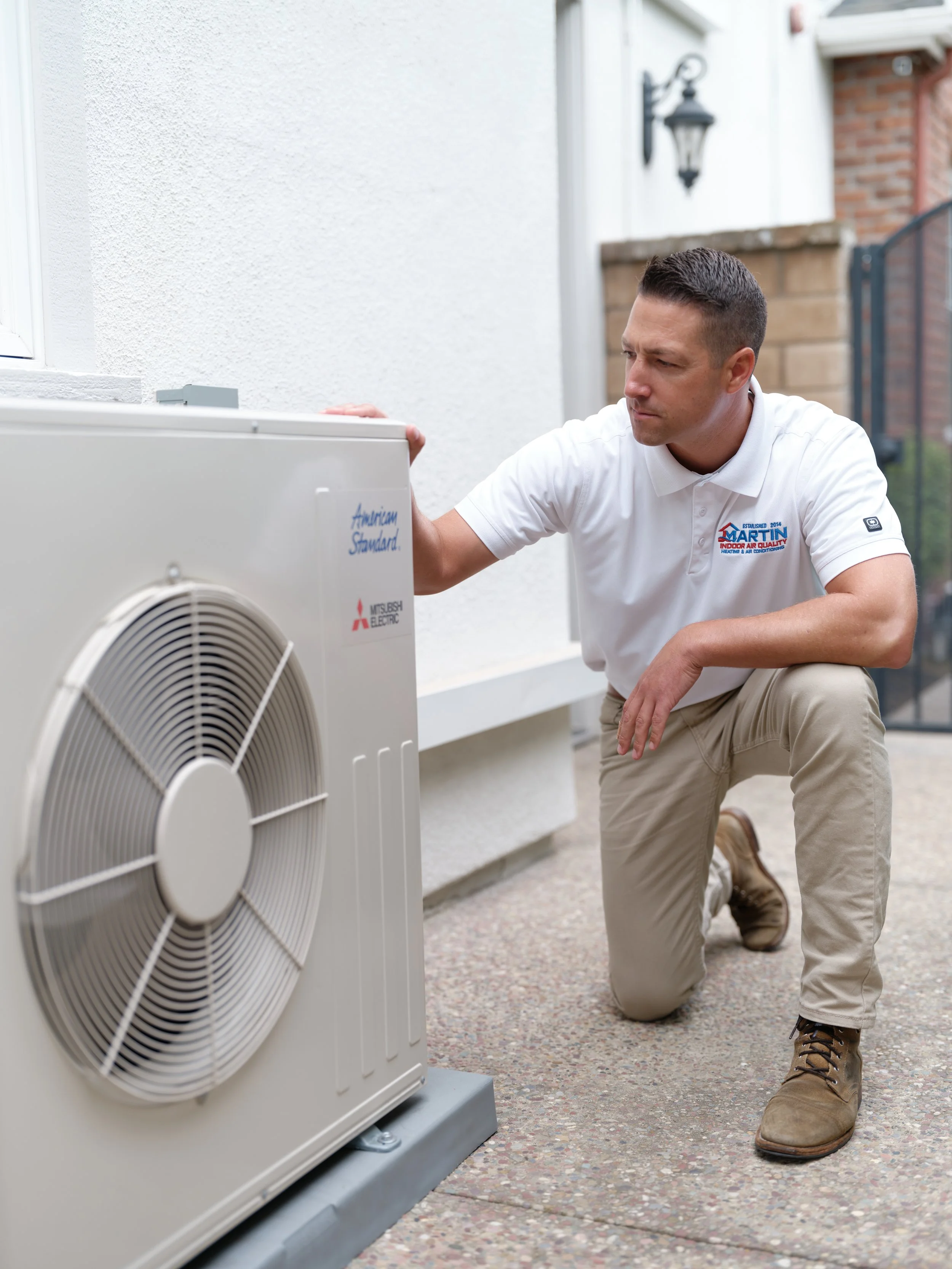
Short cycling isn't just annoying, it's expensive. J Martin's technicians diagnose the exact cause and recommend the most cost-effective fix for Orange County homeowners.
What Is a Normal AC Cycle?
Understanding normal operation helps you recognize when something is wrong.
A properly functioning air conditioner runs in cycles. The compressor kicks on, the system cools your home until the thermostat registers the set temperature, then the compressor shuts off. After a break, the temperature rises slightly and the cycle repeats.
According to HVAC industry standards, a normal cooling cycle should run for approximately 15 to 20 minutes during moderate outdoor temperatures. The system should stay off for 7 to 10 minutes between cycles. This means your AC should cycle on and off about two to three times per hour under typical conditions. Check out this guide on what to check when you find your AC running but not cooling.
On extremely hot days, cycles may run longer because the system needs more time to overcome the heat load. On mild days, cycles may be shorter and less frequent. Both are normal variations.
The key measurement is the length of each running cycle. If your compressor is shutting off after less than 10 minutes, and especially if it's shutting off after only 3 to 5 minutes, you have a short cycling problem.
What Is Short Cycling?
Short cycling is when your air conditioner's cooling cycle is cut short repeatedly. The compressor turns on, runs for a few minutes (sometimes less than 5 minutes), shuts off, and then restarts again almost immediately. This pattern repeats throughout the day.
You'll typically notice short cycling through several signs. The compressor outside clicks on and off frequently. You hear the startup sounds multiple times per hour instead of two or three times. Your home never quite reaches the temperature you set on the thermostat. The air feels humid or clammy even when the AC is running. Your energy bills increase without explanation.
Short cycling is not just an annoyance. It creates a cascade of problems that get progressively worse and more expensive if left unaddressed.
Why Short Cycling Is Serious: The Real Costs
The compressor is the most expensive component in your entire air conditioning system. It's the part that pressurizes refrigerant and drives the cooling process. Compressors are designed to run in extended cycles, not to start and stop every few minutes.
Every time a compressor starts, it draws a significant surge of electrical current. This startup surge creates heat and mechanical stress on the compressor's motor and internal components. Under normal operation with two to three cycles per hour, this stress is manageable and falls within the compressor's design parameters.
When short cycling forces the compressor to start five, six, or more times per hour, those startup surges accumulate. The compressor overheats. Internal components wear faster. Lubricating oil doesn't circulate properly during the abbreviated cycles. The result is premature compressor failure.
Replacing a residential AC compressor costs between $1,500 and $3,000 for parts and labor, according to multiple industry sources. Many homeowners discover that when the compressor fails, the repair cost is high enough that replacing the entire outdoor unit makes more financial sense, especially if the system is more than 10 years old and out of warranty.
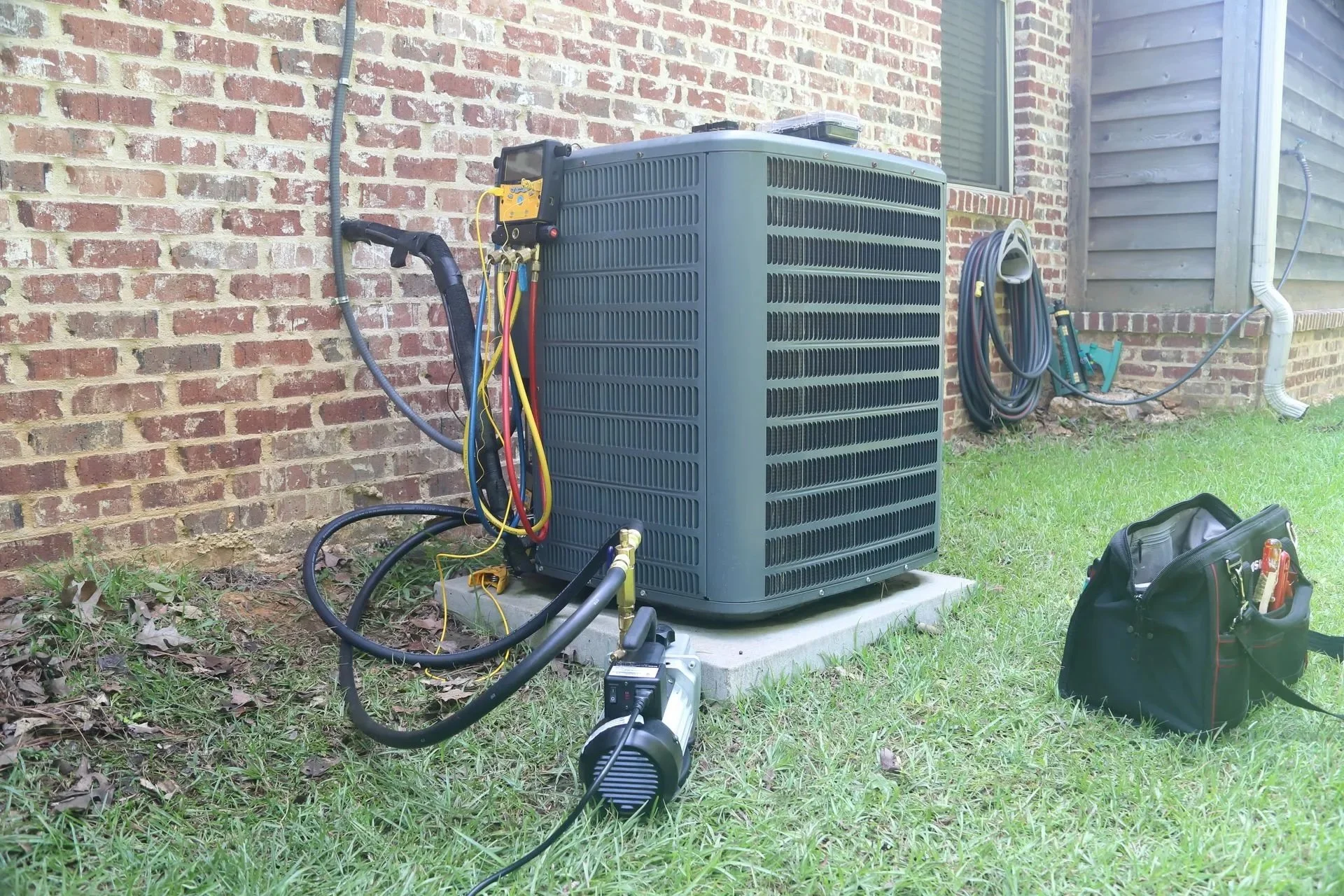
Refrigerant doesn't just disappear. If your AC is low, you have a leak. J Martin finds the leak, repairs it properly, and recharges your system the right way.
Beyond compressor damage, short cycling wastes energy. Air conditioners use the most electricity during startup. If your system starts six times per hour instead of three, you're essentially doubling those high-draw startup events. This directly increases your monthly electric bill, often by 20 to 30 percent or more. If you're seeing high energy bills, your old HVAC system might be part of the problem.
Short cycling also prevents proper humidity removal. Air conditioners don't just cool the air. They also condense moisture out of the air as it passes over the cold evaporator coil. This dehumidification requires the system to run long enough for the coil to get cold and for condensation to form and drain away. When cycles are too short, the coil never reaches optimal temperature, and humidity stays in your home. You end up with air that might be cool enough by thermostat standards but feels clammy and uncomfortable. Learn more about managing humidity in your Orange County home.
Cause 1: Dirty or Clogged Air Filter
This is the most common cause of short cycling and the easiest to fix yourself.
Your air filter sits between the return air duct and the blower. Its job is to trap dust, pet hair, pollen, and other particles before they reach the evaporator coil and blower motor. Over time, the filter accumulates debris and restricts airflow.
When airflow is restricted, less warm air passes over the evaporator coil. The coil gets too cold because it's not absorbing enough heat. This can cause ice to form on the coil, which further restricts airflow. The system overheats because the blower motor works harder to pull air through the clogged filter. Safety controls shut down the compressor to prevent damage. After a few minutes, the system cools down and restarts, only to repeat the cycle.
How to check: Remove your air filter and hold it up to a light. If you can't see light through the filter media, it's too dirty. Even if some light passes through, if the filter is visibly gray or coated with debris, it needs replacement.
Standard fiberglass filters should be replaced every 30 days. Pleated filters typically last 60 to 90 days. Higher MERV-rated filters (MERV 11 and above) may need replacement every 30 to 60 days because they capture more particles and clog faster. Homes with pets, multiple occupants, or high dust levels need more frequent filter changes.
Learn more about filter maintenance and other DIY HVAC tasks.
If you've been neglecting filter changes and your AC is short cycling, replace the filter immediately. Run the system for 24 hours and observe whether the short cycling stops. In many cases, this simple fix resolves the problem completely.
Cause 2: Frozen Evaporator Coil
The evaporator coil is the component inside your home (usually in the air handler or attached to the furnace) that absorbs heat from indoor air. Refrigerant flows through the coil at low pressure and temperature, and as warm air passes over it, the refrigerant absorbs that heat.
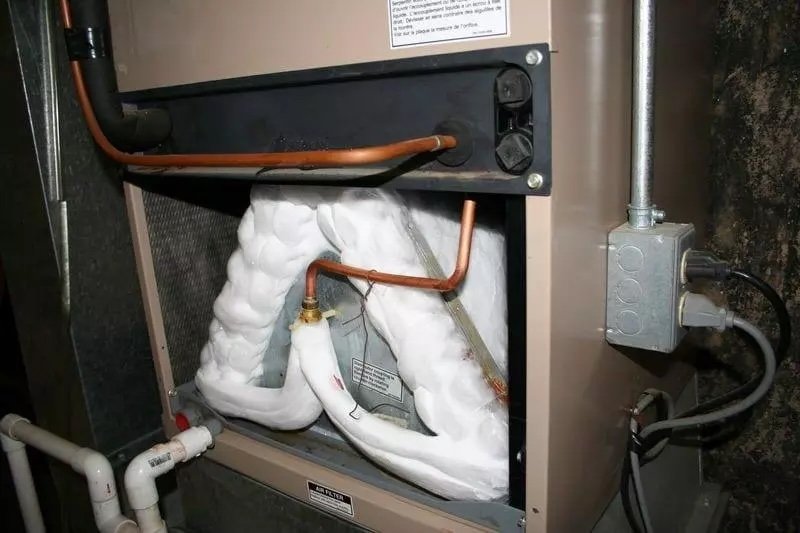
Ice on your AC coil means your system is short cycling and working toward failure. J Martin offers same-day diagnostics in Orange County. Call (714) 462-4686.
When the evaporator coil freezes, ice forms on the coil surface and eventually blocks airflow entirely. The system can't transfer heat, so it shuts down. After the ice melts slightly, the system tries again and the cycle repeats.
Several conditions cause evaporator coil freezing. Restricted airflow from a dirty filter is the most common. Low refrigerant levels reduce the coil's ability to absorb heat properly, causing it to get too cold. A malfunctioning blower motor that doesn't move enough air. Collapsed or blocked ductwork. Dirty evaporator coil surfaces that insulate the coil from airflow. This blog post talks about how poor airflow from closed vents can also cause freezing.
How to check: Turn off your AC completely at the thermostat. Open the access panel on your air handler or furnace to view the evaporator coil. If you see frost or ice on the coil or refrigerant lines, you have a freezing problem.
Immediate steps: Leave the system off and let the ice thaw completely. This may take several hours. You can speed the process by turning the fan setting to ON (not AUTO) at the thermostat, which circulates room-temperature air over the coil without running the compressor.
While the coil thaws, check your air filter and replace it if dirty. Make sure all supply and return vents throughout your home are open and unobstructed by furniture, rugs, or curtains.
Once the coil is completely thawed and you've addressed any airflow issues, try running the system again. If ice returns within a day or two, you likely have a refrigerant problem or a mechanical issue that requires professional diagnosis.
Cause 3: Low Refrigerant from a Leak
Refrigerant is the chemical compound that absorbs heat inside your home and releases it outside. Your AC system is designed to operate with a specific amount of refrigerant, called the charge. Under normal conditions, refrigerant doesn't get used up or wear out. It cycles through the system indefinitely.
If your refrigerant level is low, it means you have a leak somewhere in the system. Common leak points include the evaporator coil, condenser coil, refrigerant line connections, and the compressor itself.
Low refrigerant causes several problems that lead to short cycling. The system can't absorb enough heat, so it runs longer trying to reach the set temperature. The evaporator coil gets too cold because there isn't enough refrigerant to absorb heat properly, leading to ice formation. The compressor can overheat because refrigerant also helps cool the compressor motor. Safety controls detect these abnormal conditions and shut down the system.
Signs of a refrigerant leak include ice on the evaporator coil or refrigerant lines, warm air blowing from supply vents even when the system is running, hissing or bubbling sounds near the indoor or outdoor unit, and higher than normal electric bills.
Refrigerant leaks require professional repair. Technicians must locate the leak, repair it, and then recharge the system with the correct amount of refrigerant. Simply adding refrigerant without fixing the leak is a temporary solution that wastes money and eventually damages the compressor.
Repair costs vary widely depending on leak location. A simple connection leak might cost $200 to $400 to repair including the refrigerant recharge. A leak in the evaporator coil itself can cost $1,000 to $2,500 because the coil often needs replacement.
Cause 4: Oversized Air Conditioning System
This is one of the most frustrating causes of short cycling because the only permanent fix is replacing the equipment.
An air conditioner that's too large for your home cools the space too quickly. The thermostat reaches the set temperature before the system completes a proper cycle. The compressor shuts off. Within a few minutes, the temperature rises slightly, and the cycle repeats.
This might sound like a good problem to have. Your home gets cold fast. But the consequences are significant. The system never runs long enough to remove humidity, so your home feels clammy even at cool temperatures. The frequent starts and stops accelerate wear on the compressor. Energy consumption increases due to repeated startup surges. Temperature swings between cycles make the home uncomfortable.
Oversized systems result from improper installation practices. The correct way to size an air conditioner is through a Manual J load calculation, a standardized method developed by the Air Conditioning Contractors of America (ACCA). This calculation considers your home's square footage, insulation levels, window sizes and orientations, ceiling heights, number of occupants, heat-generating appliances, local climate data, and dozens of other factors.
Many contractors skip this process. They use rules of thumb like "one ton of cooling per 500 square feet" or simply replace the old system with the same size without verifying whether the original installation was correct. Studies of actual load calculations show that rules of thumb consistently oversize equipment, sometimes dramatically. A home that would properly require a 2.5-ton system might have a 4-ton system installed based on square footage alone.
If your system has short cycled from the day it was installed, especially if your home also has humidity problems, oversizing is a likely culprit. The only real solution is proper load calculation and equipment replacement. Some partial mitigation is possible through zoning systems or running the fan continuously, but these are workarounds rather than fixes.
Cause 5: Thermostat Problems
The thermostat is the control center for your HVAC system. It measures temperature and tells the system when to run. Thermostat malfunctions or placement problems can cause short cycling even when the rest of the system is working properly.
Calibration issues can cause the thermostat to read temperature incorrectly. If the thermostat thinks the room is 74 degrees when it's actually 72, it will shut down the system too early. The room quickly warms up according to the thermostat's skewed reading, and the cycle repeats.
Battery problems in wireless or battery-powered thermostats can cause erratic behavior. The thermostat may lose its programmed settings, send inconsistent signals to the HVAC system, or simply fail to communicate reliably.
Placement problems are surprisingly common. Thermostats should be mounted on an interior wall, approximately five feet from the floor, away from direct sunlight, outside walls, windows, supply vents, heat-generating appliances, and doorways leading outside. A thermostat in direct sunlight thinks the house is hotter than it is and runs the AC constantly. A thermostat directly beneath a supply vent feels the cold air first and shuts down the system before the rest of the house is comfortable. A thermostat on an exterior wall reads temperatures influenced by outdoor conditions rather than actual room temperature.
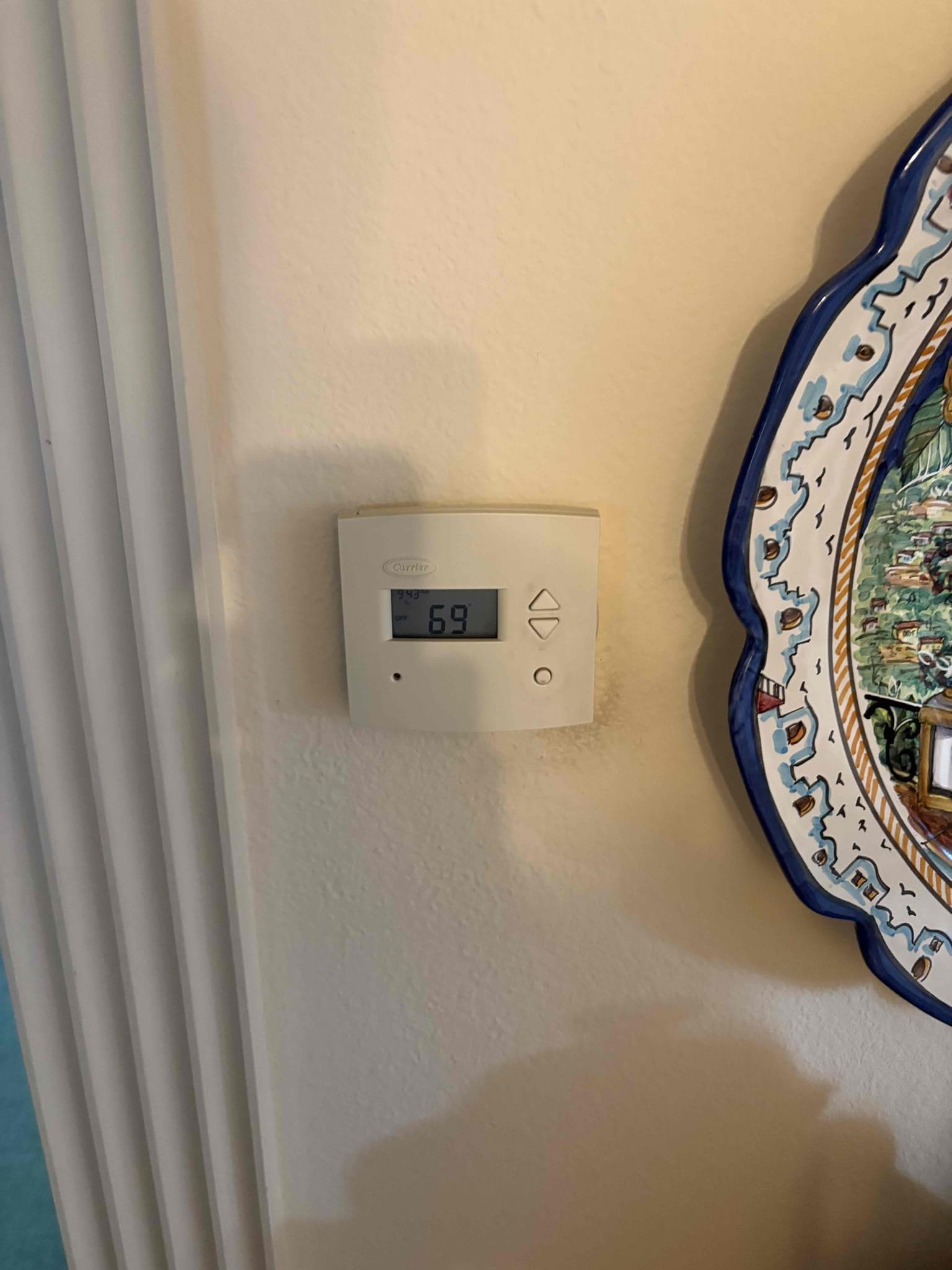
Most homeowners don't realize a poorly placed thermostat can cause short cycling. J Martin checks thermostat location, calibration, and wiring to rule out this common problem.
How to check: Compare your thermostat's temperature reading to a reliable thermometer placed nearby. If the readings differ by more than 2 degrees, your thermostat may need calibration or replacement. Check thermostat batteries if applicable and replace them with fresh batteries. Look at the thermostat's location and consider whether it might be influenced by sunlight, vents, or other factors at certain times of day.
Older mechanical thermostats can be calibrated by a technician or replaced with modern digital models that are more accurate. If your thermostat is in a problematic location, relocating it is a relatively straightforward repair for an electrician or HVAC technician.
Cause 6: Electrical Problems
Air conditioners rely on electrical components to start and run the compressor and fan motors. When these components fail or malfunction, short cycling often results.
The capacitor is a cylindrical component in the outdoor unit that stores electrical energy and provides the boost needed to start the compressor motor. Capacitors degrade over time, especially in hot climates where outdoor units are exposed to extreme temperatures. A failing capacitor can't provide enough starting power, causing the compressor to struggle to start, run briefly, and shut down.
Signs of capacitor failure include a humming sound from the outdoor unit without the compressor starting, the system taking multiple attempts to start, or the compressor starting and then stopping within seconds.
Contactors are electrical switches that control power to the compressor and fan motors. Worn contacts can cause intermittent power delivery, arcing, and erratic system behavior. You might hear clicking sounds from the outdoor unit as the contactor tries to engage.
Wiring problems including loose connections, corroded terminals, or damaged insulation can cause intermittent power supply to the system. These problems often worsen in hot weather when thermal expansion affects connections.
Electrical panel issues like overloaded circuits, weak breakers, or voltage irregularities can cause the system to shut down unexpectedly. If your AC trips the breaker frequently or you notice lights dimming when the system starts, electrical supply problems may be involved.
Electrical diagnosis and repair should always be performed by a qualified professional. Attempting to work on electrical components without proper training and tools risks injury and further damage to the equipment.
Cause 7: Dirty Condenser Coils
The condenser coil is located in the outdoor unit. Its job is to release the heat absorbed from inside your home into the outdoor air. A fan blows air across the coil, and the heat transfers from the refrigerant to the outdoor air.
When the condenser coil gets covered with dirt, leaves, grass clippings, cottonwood fluff, or other debris, it can't release heat efficiently. The refrigerant stays hotter than it should as it cycles back into the system. The compressor works harder and runs hotter. Eventually, safety controls detect overheating and shut down the system. After cooling down, the system restarts and the cycle repeats.
How to check: Look at your outdoor unit. Can you see light through the coil fins, or are they coated with debris? Are plants, shrubs, or fences crowding the unit and restricting airflow?
Preventive measures: Keep at least two feet of clearance around all sides of the outdoor unit. Trim back vegetation regularly. Remove leaves and debris that accumulate around the unit base. Rinse the coil with a garden hose a few times per season, spraying from the inside out to push debris off rather than further into the fins.
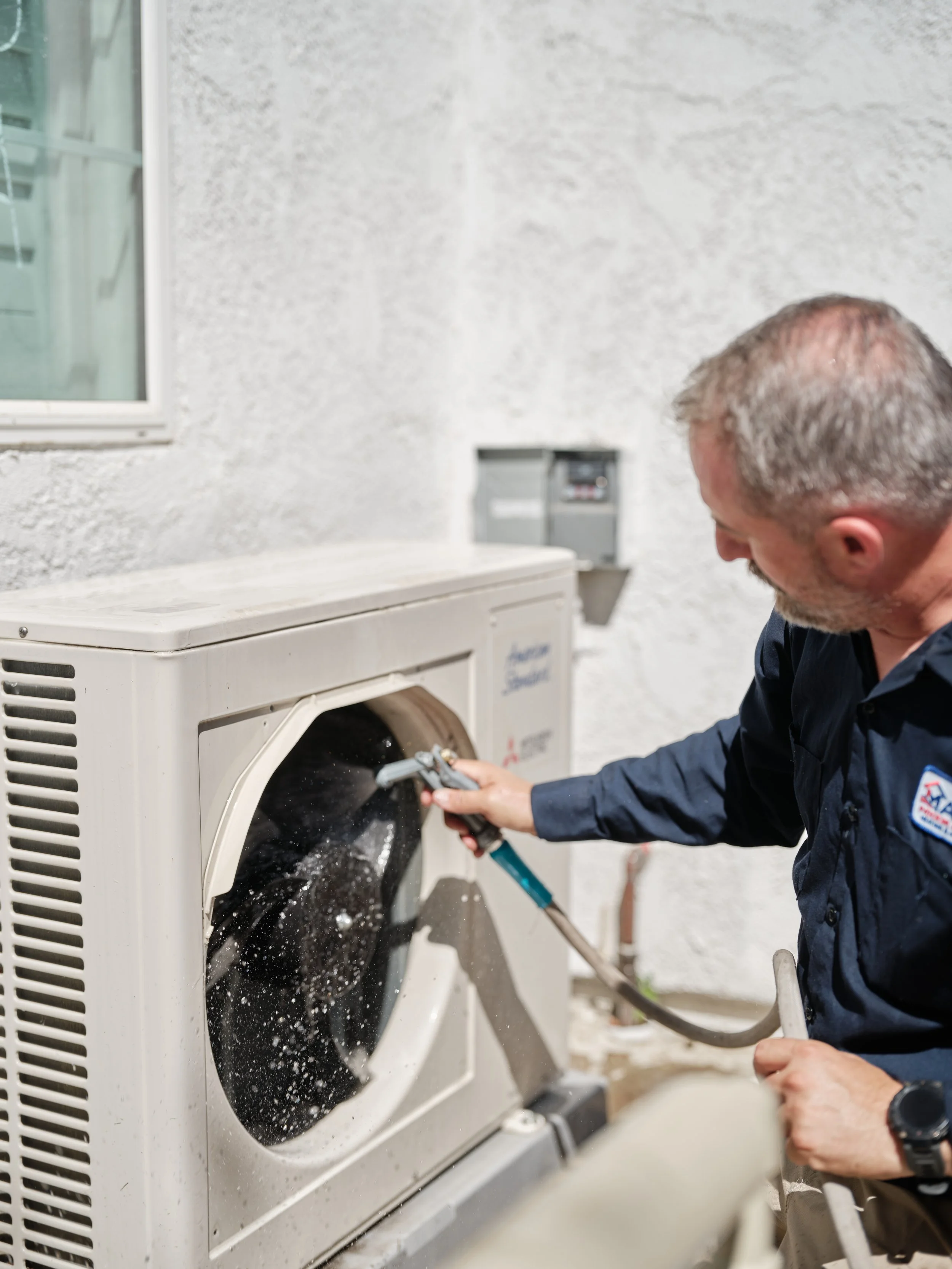
Orange County homeowners are always surprised when we show them their condenser coils: 'It's been how long since anyone cleaned this?' Years of buildup causes short cycling and drives up your electric bill.
Avoid using a pressure washer on condenser coils. The high pressure can bend or flatten the delicate aluminum fins and cause more harm than good.
If the coil is heavily soiled or the short cycling persists after cleaning, a professional cleaning with appropriate coil cleaner may be necessary.
Cause 8: Compressor Overheating
The compressor generates significant heat during operation. It relies on several factors to stay within safe operating temperatures: proper refrigerant charge, adequate airflow across the condenser coil, correct electrical supply, and clean internal components.
When any of these factors is compromised, the compressor runs hotter than designed. Internal thermal overload switches detect the excessive temperature and shut down the compressor to prevent damage. After the compressor cools, the system tries to restart. If the underlying problem isn't resolved, the compressor overheats again and the short cycling pattern continues.
Compressor overheating can result from almost any of the problems discussed above: low refrigerant, dirty condenser coils, restricted airflow, electrical problems, or simply an aging compressor reaching the end of its service life.
If you've checked and addressed the other common causes and the compressor continues to short cycle, especially if the outdoor unit feels excessively hot to the touch or if you hear unusual sounds from the compressor, professional diagnosis is essential. A failing compressor that's repeatedly overheating is a ticking time bomb for expensive repair or replacement.
DIY Troubleshooting Steps
Before calling a technician, there are several things you can check and potentially fix yourself:
Replace the air filter. This is always the first step. A dirty filter causes more short cycling problems than any other single factor.
Check all vents. Walk through your home and verify that every supply vent and return vent is open and unobstructed. Move furniture or rugs that might be blocking airflow.
Inspect the outdoor unit. Clear away any debris, vegetation, or obstructions within two feet of the unit on all sides. Gently rinse the condenser coil with a garden hose if it's visibly dirty.
Check your thermostat. Replace batteries if applicable. Verify the temperature setting makes sense. Try setting the temperature a few degrees lower than normal and observe whether the system runs longer. Compare the thermostat's temperature reading to a separate thermometer.
Check for ice. Look at the refrigerant lines going into your home and at the evaporator coil if accessible. If you see any frost or ice, turn off the system completely and let it thaw before running it again.
Reset the system. Turn off the AC at the thermostat, wait five minutes, then turn it back on. Some short cycling issues are caused by temporary glitches that a reset clears.
If these steps don't resolve the short cycling, you've ruled out the DIY fixes and it's time for professional diagnosis.
When to Call a Professional
Certain short cycling causes require professional equipment, training, and refrigerant handling certification to diagnose and repair:
Refrigerant leaks need to be located, repaired, and the system recharged with the correct amount of refrigerant. Only EPA-certified technicians can legally purchase and handle refrigerants.
Electrical component failures including capacitors, contactors, and wiring problems should be diagnosed and repaired by qualified technicians who can work safely with high-voltage equipment.
Compressor problems require specialized tools and knowledge to diagnose. A technician can measure compressor amp draw, test internal windings, and determine whether repair or replacement is the right path.
Oversized system issues require a load calculation to confirm the diagnosis and proper equipment selection for replacement.
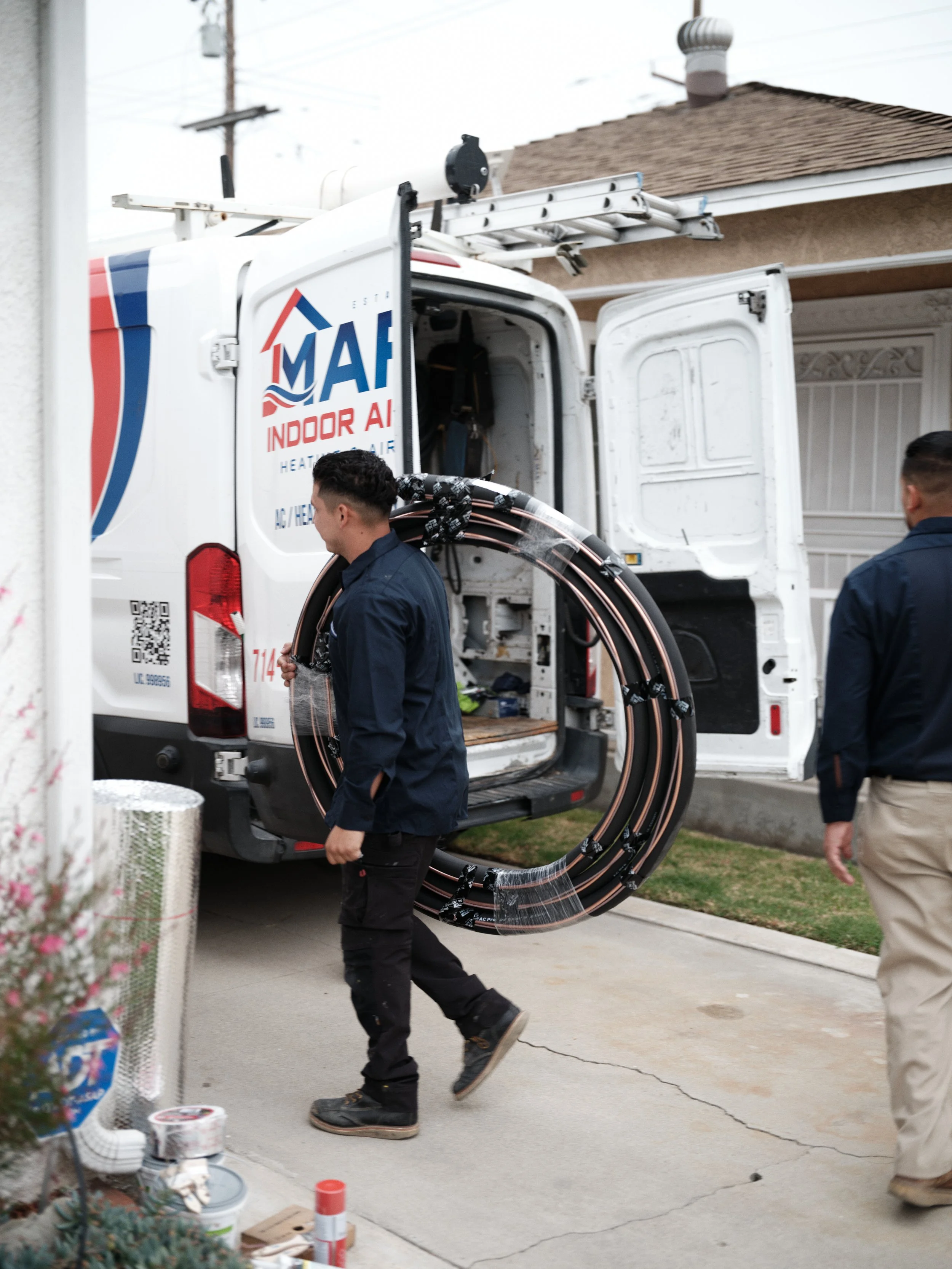
Professional short cycling diagnosis and repair in Orange County. J Martin arrives same-day with the parts and expertise to fix it right: (714) 462-4686
Evaporator coil problems including significant ice damage, coil leaks, or severe contamination typically require professional cleaning or replacement.
When you call a technician for short cycling, they should check refrigerant levels and look for leaks, test electrical components including capacitors and contactors, inspect and clean both evaporator and condenser coils, verify thermostat operation and placement, measure airflow and static pressure, and evaluate whether the system is properly sized for your home.
A thorough diagnosis typically takes 30 minutes to an hour. Be wary of technicians who recommend major repairs or replacements without performing these basic checks first.
Preventing Short Cycling
Regular maintenance prevents most short cycling problems before they start.
Change your air filter on schedule. Set a recurring reminder on your phone or calendar. Stock up on filters so you always have a replacement ready.
Schedule annual professional maintenance. January is an ideal time for HVAC maintenance before the busy season. A spring tune-up for your AC includes cleaning both coils, checking refrigerant levels, testing electrical components, and identifying developing problems before they cause failures.
Keep the outdoor unit clean. Periodically rinse the condenser coil with a hose, clear debris, and maintain clearance around the unit.
Don't ignore early warning signs. If your AC starts behaving differently, making new sounds, or struggling to cool effectively, address the issue promptly before it escalates to more serious damage.
When replacing equipment, insist on proper sizing. Ask the contractor about their load calculation process. Don't accept rules of thumb or matching the old system size without verification.
About J Martin Indoor Air Quality
J Martin Indoor Air Quality is a family-owned HVAC company providing AC services to Orange County homeowners for over 15 years. We're known for honest assessments, fair pricing, and never pushing unnecessary repairs or replacements. Our technicians are trained to diagnose short cycling problems accurately and recommend the most cost-effective solution for your situation. If your AC is short cycling or you're dealing with any other comfort issue, give us a call at (714) 462-4686.
J Martin Indoor Air Quality | (714) 462-4686 | Services
CL#998956