
Indoor Air Quality Solutions for Orange County Allergies: What Actually Works in 2026
Updated on April 10, 2026
Orange County presents a unique challenge for allergy sufferers. The region's mild climate means something is always blooming. Tree pollen peaks in late winter through early spring. Grass pollen dominates late spring into early summer. Weed pollen, particularly ragweed and sagebrush, takes over from September through November. And indoors, dust mites thrive year-round in Southern California's temperate conditions.
If you've tried various indoor air quality products without relief, you're not alone. Research on these products reveals significant gaps between marketing claims and measurable results. This guide examines what peer-reviewed studies and regulatory agencies actually say about common indoor air quality interventions.
Understanding What You're Fighting: Common Allergen Sizes
Before evaluating solutions, understanding particle sizes helps explain why some interventions work better than others.
According to research on particle sizes and filtration:
Pollen grains: Approximately 10-30 microns in diameter. Relatively large particles that settle quickly from air.
Mold spores: Typically 3-40 microns, with the most allergenic spores in the 3-10 micron range.
Dust mite allergens: Dust mites themselves measure 100-300 microns (too large to become airborne), but their allergenic fecal particles average around 10-20 microns. The actual allergenic proteins can be as small as 0.01 microns if particles break apart.
Pet dander: Approximately 5-10 microns, though about a quarter of pet dander can measure smaller than 2.5 microns. Cat allergen particles range from about 1-20 microns.
Fine particles (PM2.5): Less than 2.5 microns. These penetrate deep into the lungs.
This size variation matters because different filtration technologies capture different particle sizes with different effectiveness.
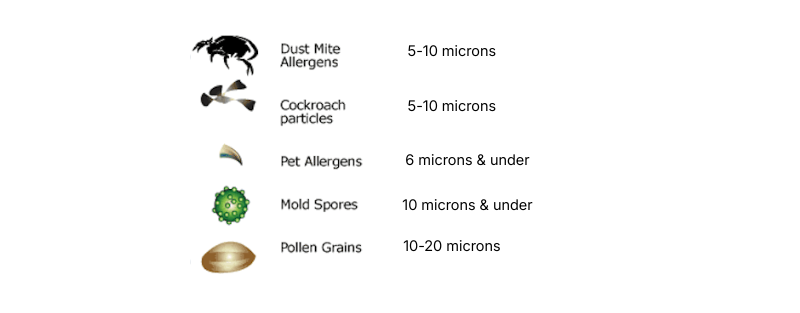
Not all HVAC filters catch the allergens making you miserable. Understanding particle sizes helps choose the right filtration for your Orange County home. J Martin provides filtration assessments. Call us: (714) 462-4686.
HEPA Filtration: What the Research Shows
HEPA (High Efficiency Particulate Air) filters are standardized at a minimum 99.97% efficiency for removing particles 0.3 microns or larger, according to the U.S. Department of Energy definition cited by the EPA.
What Studies Found About HEPA and Allergens
Research on HEPA filters and allergies shows mixed results:
A double-blind study published in the Journal of Allergy and Clinical Immunology found an average 70% reduction in particulate matter 0.3 microns or larger when using a HEPA filter. However, the same study found no significant reduction in allergy symptoms during the active-filter period compared to placebo.
A 2024 systematic review published in Indoor Air examined the effectiveness of air filters in allergic rhinitis. The review found that while HEPA filters showed nearly 70% reduction in suspended particles in the environment, there was no significant reduction in symptoms related to sneezing, runny nose, nasal congestion, or itchy eyes compared to control groups.
A study in Yonsei Medical Journal found air purifiers beneficial for allergic rhinitis patients, showing improvement in quality of life assessments within the first 2 weeks of treatment.
Research published in PMC found that HEPA filters can reduce PM concentrations by 30-70%, depending on particle size and occupant activities.
Why Symptom Relief May Not Match Particle Reduction
According to the EPA's Guide to Air Cleaners in the Home, the evidence is weak that air cleaning devices are effective in reducing asthma symptoms associated with small particles that remain in the air, such as those from some airborne cat dander and dust mite allergens.
The EPA explains that larger particles, which may contain allergens, settle rapidly before they can be removed by filtration. This means effective allergen control requires additional measures: washing sheets weekly, frequent vacuuming of carpets and furniture, and dusting and cleaning of hard surfaces.
A 2022 study in BMC found that air filtration effectively removed airborne mites, cat and dog allergens, and particulate matter. The researchers found all particle size fractions were reduced to virtually zero in around 20 minutes with air filtration, impossible to achieve by relying on natural sedimentation alone.
The Bottom Line on HEPA
HEPA filters demonstrably reduce airborne particles. The connection between particle reduction and symptom relief is less consistent across studies. HEPA appears most effective as part of a comprehensive approach rather than a standalone solution.
MERV Ratings: What Different Levels Actually Capture
MERV (Minimum Efficiency Reporting Value) is a rating system developed by ASHRAE to measure how effectively air filters capture particles. According to the EPA, the higher the MERV rating, the better the filter is at trapping specific types of particles.
MERV Ratings and Particle Capture
Based on industry and EPA sources:
MERV 8: Captures dust, pollen, larger dust particles, dust mites, mold spores, and lint. According to Trane, if no one in your house has allergies, asthma, or respiratory illness, and you don't have pets, MERV 8 may be sufficient.
MERV 11: Captures everything MERV 8 does, plus bacteria/fungi, pet dander, skin flakes, and pet and human hair. Multiple sources recommend MERV 11 for pet owners or mild allergy sufferers.
MERV 13: Can trap particles as small as 0.3-1.0 microns, including smoke, bacteria, and fine dust. This is the highest rating commonly recommended for residential use without risking HVAC system strain.
According to Wikipedia's citation of research, experiments indicate that medium-efficiency filters of MERV 7-13 are almost as effective as true HEPA filters at removing allergens within residential air handling units.
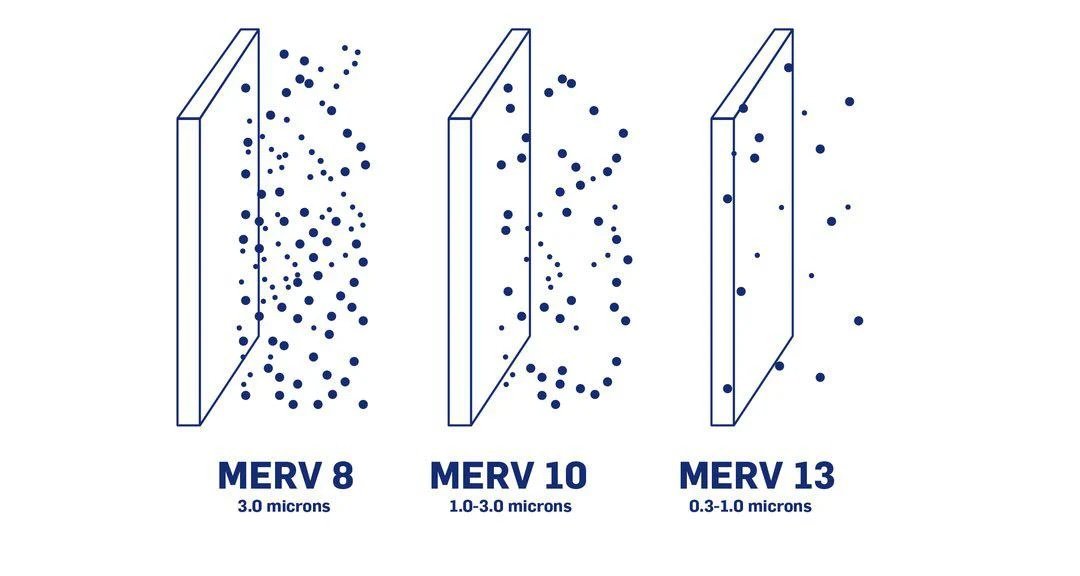
Before recommending MERV 13 filters, J Martin checks if your HVAC system can handle the increased airflow restriction. The wrong filter rating can reduce efficiency or damage your blower motor. We match filtration to both your allergies and your system's capabilities.
Important HVAC System Considerations
Higher MERV filters restrict airflow more than lower-rated filters. According to Carrier, Bryant, and other manufacturers, using a MERV 13 filter in a system designed for MERV 8 can reduce efficiency, increase energy bills, and potentially damage the blower motor. If your Orange County HVAC system is older or already struggling with efficiency, upgrading filtration might not be the best solution. Consider whether repairing your existing system or replacing it entirely with a more efficient option makes more financial sense.
The ASHRAE standard suggests MERV 13 or higher for commercial settings. For residential systems, check your HVAC system specifications or consult an HVAC professional before upgrading beyond MERV 11.
Portable Air Purifiers: Sizing for Your Space
The effectiveness of a portable air purifier depends heavily on matching its capacity to your room size.
Understanding CADR Ratings
CADR (Clean Air Delivery Rate) is a standardized metric developed by the Association of Home Appliance Manufacturers (AHAM) that measures the volume of clean air a purifier delivers per minute. CADR is measured separately for smoke (0.09-1.0 microns), dust (0.5-3.0 microns), and pollen (5.0-11.0 microns).
According to AHAM's air filtration standards, as a rule of thumb, the CADR of your air cleaner should be equal to at least two-thirds of the room's square footage.
For example:
150 square foot room: minimum CADR of 100
225 square foot room (average bedroom): CADR of 150-180
300 square foot room: minimum CADR of 200
AHAM recommends that for wildfire smoke, the Smoke CADR should equal the size of the room in square feet.
Air Changes Per Hour
For allergen control, most experts recommend multiple air changes per hour. According to sources citing CDC and ASHRAE recommendations:
AHAM minimum: 4.8 air changes per hour
CDC workplace recommendation: 5 air changes per hour
ASHRAE school recommendation: 6 air changes per hour
The calculation: CADR = (Room Volume in cubic feet × Desired ACH) ÷ 60
CADR Limitations
CADR ratings are measured at maximum fan speed, which may be too loud for continuous operation. If you run your purifier on a lower speed, actual performance will be lower than rated. Also, CADR doesn't measure effectiveness against gases, VOCs, or odors.
Humidity Control and Dust Mites
Humidity control is one of the most research-supported interventions for dust mite allergies.
What Research Shows About Humidity and Dust Mites
According to the CDC, keeping humidity levels between 30-50% reduces dust mites. The EPA advises that an optimum level for relative humidity is 35-50%, which inhibits the growth of dust mites.
Research published in the Journal of Allergy and Clinical Immunology found:
Dust mites die after 6-11 days at a relative humidity of 50% or less
Even above 50% relative humidity, lower humidity reduces reproduction and allergen production
Maintaining mean daily relative humidity below 50%, even when humidity rises above 50% for 2-8 hours daily, effectively restricts dust mite population growth
The American Academy of Allergy, Asthma & Immunology (AAAAI) states: "To reduce dust mites, it is important to keep humidity below 50% throughout the home by using a dehumidifier or central or window air conditioning."
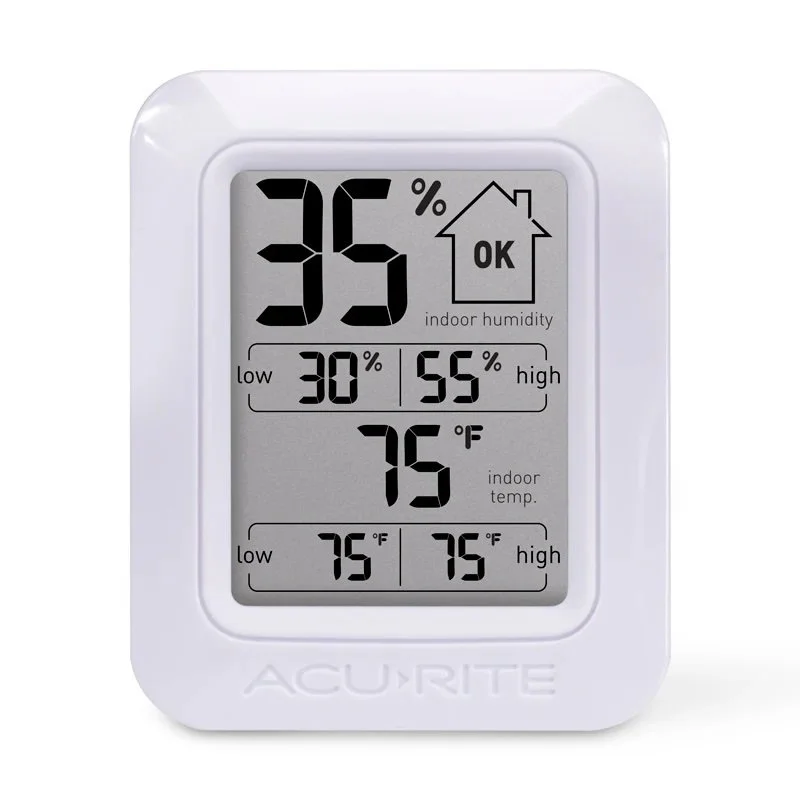
Before recommending expensive air purifiers, we check humidity levels in your Orange County home. Research shows keeping humidity at 30-50% has stronger evidence for dust mite control than most filtration products. J Martin helps you prioritize solutions that actually work based on science.
Mold Prevention
The Asthma and Allergy Foundation of America (AAFA) recommends keeping relative humidity below 45% to prevent mold growth. Mold can grow anywhere humidity exceeds 60%, according to the EPA.
Research on Dehumidifier Effectiveness
A study published in the Journal of Allergy and Clinical Immunology found that maintaining relative humidity below 51% for 17 months resulted in significant reductions in live mites (from baseline to 8 ± 3 live mites per gram) and allergen levels (4 ± 1 μg of Der 1 per gram of dust). Allergen levels were more than 10 times lower in low-humidity homes compared to humid homes.
However, another study in northwest England found that a single portable dehumidifier placed centrally in a house was unable to decrease indoor humidity to levels capable of retarding mite population growth. The effectiveness depends on home construction, climate, and dehumidifier capacity.
Practical Implementation
To monitor humidity:
Purchase a hygrometer (humidity gauge) from a hardware store
Target 35-50% relative humidity
Place dehumidifiers in bedrooms and other humid areas
Use air conditioning, which naturally dehumidifies
UV Light Air Purifiers: Evidence and Limitations
UV germicidal irradiation (UVGI) uses ultraviolet light to inactivate microorganisms. Here's what research shows:
What UV-C Light Can Do
According to the EPA, if properly designed, ultraviolet germicidal irradiation (UVGI) cleaners may destroy indoor biological pollutants such as viruses, bacteria, and some molds that are airborne or growing on HVAC surfaces.
UV-C light at 254 nm has been proven to damage DNA and RNA of microorganisms, preventing replication.
Limitations for Home Use
According to the EPA:
Typical UVGI cleaners used in homes have limited effectiveness in killing bacteria and molds
Effective destruction of some viruses and most mold and bacterial spores usually requires much higher UV exposure than is provided in a typical home unit
Dead mold spores can still produce allergic reactions, so UVGI cleaners may not be effective in reducing allergy and asthma symptoms
The EPA explicitly states: "No research or studies were found that show UV disinfection is effective in reducing dust mite and mold allergenicity."
A critical issue is exposure time. According to Smart Air's analysis, at typical UV intensity levels in consumer air purifiers, viruses would need to be exposed to UV light for several seconds to achieve significant kill rates. Air moving at typical fan speeds passes through the UV chamber too quickly for complete inactivation.
Ozone Concerns
Some UV air purifiers emit ozone as a byproduct. The EPA warns that ozone is a lung irritant that can cause adverse health effects. The Environmental Working Group recommends HEPA filters over UV purifiers because they are ozone-free.
HEPA air purifiers reduce particles by 70%, but your allergies didn't improve. Research shows the disconnect. Larger allergens settle before filtration helps. J Martin creates complete allergy control strategies for Orange County homes. (714) 462-4686
Mattress and Pillow Encasements: What Studies Found
Dust mite-proof bedding covers are frequently recommended by allergists. Research reveals an important distinction between allergen reduction and symptom improvement.
Allergen Reduction Evidence
Studies consistently show that impermeable covers reduce dust mite allergen levels:
One study found an 87% reduction in Der p1 (a major dust mite allergen) in mattresses with impermeable covers
A study in the Journal of Allergy and Clinical Immunology found significant reductions in Der p1 and Der f1 concentrations in mattresses using impermeable covers
Research found mattress encasing with specialized membranes achieved greater than 90% reduction in mite allergen
Symptom Improvement Evidence
The connection to symptom relief is less clear:
A randomized, placebo-controlled trial of 279 patients with allergic rhinitis, published in the New England Journal of Medicine, found that mite-proof bedding covers reduced the level of exposure to mite allergens but showed no significant effect on clinical outcome measures.
A randomized double-blind placebo-controlled study of 30 patients with asthma and house dust mite allergy found that while anti-allergic mattress covers significantly reduced Der p1 concentrations, clinical parameters and airways hyperresponsiveness were not affected.
Cleveland Clinic reports: "Research shows that using hypoallergenic mattress covers, pillow covers or blankets is an effective way to reduce your exposure to those dust mites... The problem? While exposure to dust mites declined, allergy symptoms didn't significantly improve for participants."
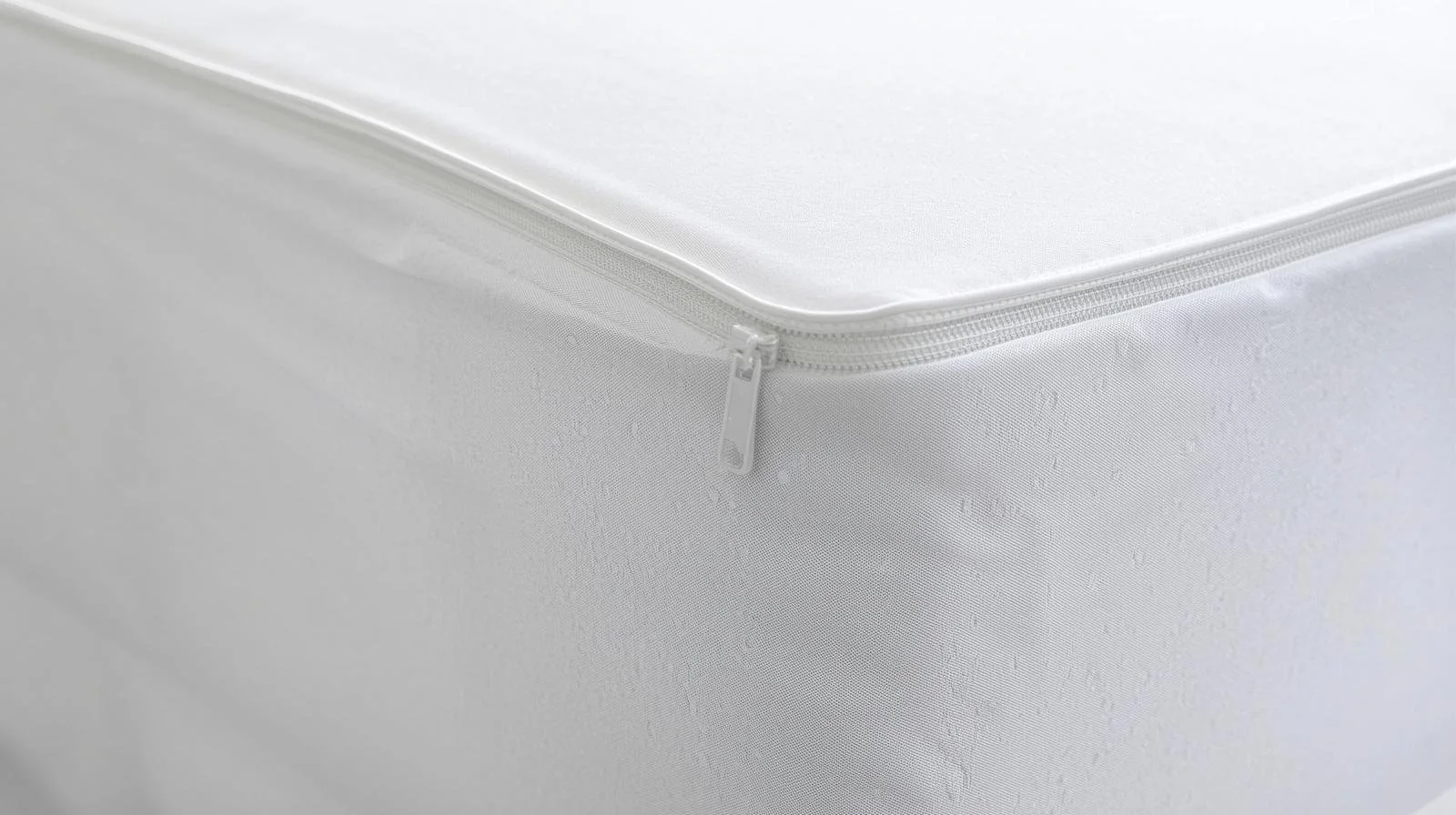
You bought the allergen-proof mattress cover like your doctor recommended, but your Orange County allergies haven't improved. The research explains why: the encasement is blocking 90% of mattress allergens, but dust mites in your carpet and 55% bedroom humidity are keeping you symptomatic. Single solutions rarely work for allergies.
Why the Disconnect?
Researchers suggest several factors:
Dust mites don't only live in mattresses; they also inhabit carpets, upholstered furniture, and other fabric surfaces
Studies found mattress covers have little to no reduction in allergen concentrations on bedroom or living room floors
Allergen exposure during the day (when not in bed) may be sufficient to maintain sensitization
Practical Recommendations
Despite limited symptom improvement in studies, encasements remain recommended by allergists because:
They do reduce allergen exposure in one significant location
They're inexpensive compared to other interventions
They have no side effects
For maximum effectiveness, choose covers with a pore size of 10 microns or less (to block dust mite fecal particles) or 6 microns or less (to also block pet dander and smaller mold spores). Wash bedding weekly in hot water (140°F/60°C).
Duct Cleaning: What the EPA Actually Says
The EPA's position on duct cleaning may surprise you:
"Duct cleaning has never been shown to actually prevent health problems. Neither do studies conclusively demonstrate that particle (e.g., dust) levels in homes increase because of dirty air ducts or go down after cleaning."
When Duct Cleaning May Be Warranted
According to the EPA, you should consider duct cleaning if:
There is visible mold growth inside ducts or on other HVAC components
Ducts are infested with vermin (rodents or insects)
Ducts are clogged with excessive amounts of dust and debris and/or particles are actually released into the home from supply registers
Why Limited Benefit
The EPA explains: "Much of the dirt that may accumulate inside air ducts adheres to duct surfaces and does not necessarily enter the living space."
Indoor activities such as cooking, cleaning, smoking, or just moving around can cause greater exposure to contaminants than dirty air ducts.
If You Do Clean Ducts
If you decide to clean your ducts, the EPA recommends:
Ensure the service provider agrees to clean all components of the system
Avoid chemical biocides or sealants unless specifically warranted
Address the underlying cause of any contamination (moisture problems, etc.)
Ventilation: Fresh Air Exchange
According to the EPA and ASHRAE, ventilation is one of the three fundamental approaches to improving indoor air quality (along with source control and air cleaning).
ASHRAE Recommendations
ASHRAE Standard 62.2 recommends that homes receive 0.35 air changes per hour but not less than 15 cubic feet per minute (cfm) per person as minimum ventilation rates.
Research cited in PMC suggests that air change rates above 0.5 per hour are associated with reduced symptoms of asthma and allergies in Nordic homes.
Ventilation Strategies
The EPA recommends:
When weather and outdoor air quality permit, open windows and doors
Run an air conditioner with the vent control open
Use bathroom and kitchen exhaust fans that vent to the outdoors
Consider mechanical ventilation systems that introduce fresh air using ducts and fans
Balancing Ventilation and Allergens
During high pollen days, ventilation can introduce outdoor allergens. AccuWeather recommends keeping windows closed during peak tree pollen season, especially on windy days. The solution is to:
Monitor local pollen counts (Pollen.com, IQAir, AccuWeather)
Ventilate during low-pollen times (typically after rain, early morning)
Use filtration to clean incoming air when ventilation is necessary
The Multi-Pronged Approach: What Research Supports
The most effective intervention for indoor allergens, according to research, combines multiple strategies:
EPA's Three-Part Approach
The EPA identifies three strategies for improving indoor air quality:
Source control: Eliminating or reducing pollutant sources
Ventilation: Increasing outdoor air intake
Air cleaning: Using filtration to remove pollutants
Evidence-Based Priority Order
Based on the research reviewed:
Highest evidence for effectiveness:
Humidity control (30-50%): Strong research showing dust mite population reduction at low humidity
Source removal: Weekly washing of bedding in hot water, regular vacuuming with HEPA-filtered vacuum, removing reservoirs (carpets in bedrooms if severely allergic)
HVAC filtration upgrade (MERV 11-13): Captures allergen-sized particles when system is running
Moderate evidence:
Portable HEPA air purifiers (properly sized): Reduces airborne particles; symptom relief varies by study
Mattress/pillow encasements: Reduces allergen exposure; symptom improvement less consistent
Limited evidence for home use:
UV air purifiers: May help with mold/bacteria on surfaces; limited effectiveness for airborne allergens in residential units
Routine duct cleaning: EPA does not recommend unless specific contamination is present
Orange County-Specific Considerations
Year-Round Allergen Challenges
According to allergy tracking sources, Orange County's diverse plant life ensures that at almost any time of year, some type of pollen is in the air:
Late winter to early spring: Tree pollen (oak, pine, olive)
Late spring to early summer: Grass pollen (Bermuda grass, ryegrass, Kentucky bluegrass)
September to November: Weed pollen (ragweed, sagebrush, lamb's quarters)
Year-round: Dust mites (thrive in moderate temperatures), mold (especially after rain)
Climate Factors
Orange County's mild, relatively dry climate is actually favorable for dust mite control compared to more humid regions. The research showing difficulty achieving low humidity was conducted in northwest England; Southern California homes may find humidity control more achievable.
However, the region's Santa Ana wind events can significantly increase outdoor pollen and particulate levels, making indoor air quality management more important during these periods.
How to Evaluate Indoor Air Quality Products
When evaluating products, look for:
Third-Party Testing
AHAM Verifide certification for air purifiers (verifies CADR claims)
CARB (California Air Resources Board) certification for ozone safety
Independent lab testing for filter efficiency claims
Avoid These Marketing Red Flags
Claims that a single product will "eliminate" all allergens
"Ionizer" or "plasma" technology without HEPA filtration (may produce ozone)
Room size claims without CADR data
UV air purifiers claiming to kill viruses "instantly"
Questions to Ask
Before purchasing indoor air quality equipment:
What is the CADR for dust, pollen, and smoke?
What is the maximum room size at 5 air changes per hour?
Does this product emit ozone? Is it CARB certified?
What are the ongoing filter replacement costs?
What is the noise level at effective operating speeds?
When to Consult Professionals
Indoor air quality is one piece of allergy management. Consult appropriate professionals for:
Allergist: To identify specific allergens and discuss immunotherapy options
HVAC professional: Before upgrading to high-MERV filters or adding whole-house air cleaning
Home inspector: If you suspect mold or moisture problems
Indoor air quality specialist: For comprehensive home assessment
For questions about your HVAC system's ability to support air quality upgrades in your Orange County home, contact J Martin Indoor Air Quality at (714) 462-4686.
J Martin Indoor Air Quality - CL#998956
Frequently Asked Questions
What's the single most effective thing I can do for indoor allergies?
According to research, humidity control (keeping relative humidity between 30-50%) has the strongest evidence for reducing dust mite populations. Combining humidity control with weekly washing of bedding in hot water addresses the primary indoor allergen source for most people.
Are expensive air purifiers worth it?
The key factor is matching CADR to room size, not price. A properly-sized mid-range HEPA purifier will outperform an undersized expensive one. Look for AHAM Verifide certification to verify performance claims.
How often should I change my HVAC filter?
Higher MERV filters clog faster. MERV 8 filters typically need changing every 2-3 months. MERV 11-13 filters may need monthly replacement, especially during high pollen seasons or if you have pets. Check monthly and replace when visibly dirty.
Should I run my air purifier all the time?
For maximum effectiveness, yes. Air purifiers only clean air when running. However, consider noise levels; a purifier that's too loud to run at effective speeds won't help. Choose a unit with acceptable noise at higher fan settings.
Do air purifiers help with pet allergies?
Research shows mixed results. Cat allergen particles can be very small (1-20 microns) and some stay airborne, which HEPA can capture. However, larger particles settle onto surfaces quickly before filtration can help. Source control (keeping pets out of bedrooms, regular grooming and cleaning) is also important.
Is an air purifier or dehumidifier better for allergies?
They address different problems. Dehumidifiers target dust mites and mold by removing moisture. Air purifiers target airborne particles from any source. For dust mite allergies specifically, humidity control has stronger research support. Many allergy sufferers benefit from both.