
Emergency AC Repair Yorba Linda: Same-Day Service Without the Markup (What to Expect)
Updated on May 12, 2026
Your AC stopped working at 3 PM on a 92-degree afternoon. Your house is getting hotter by the hour. You start calling HVAC companies and hearing quotes like "$395 emergency service fee" or "triple rate for same-day service" or "we can get someone out there Thursday."
You need help today, but you also don't want to get gouged just because it's an emergency.
Here's what emergency AC repair actually costs in Yorba Linda in 2026, what you should expect from same-day service, and how to tell if you're being charged fairly or being taken advantage of when your AC dies during the worst possible time.
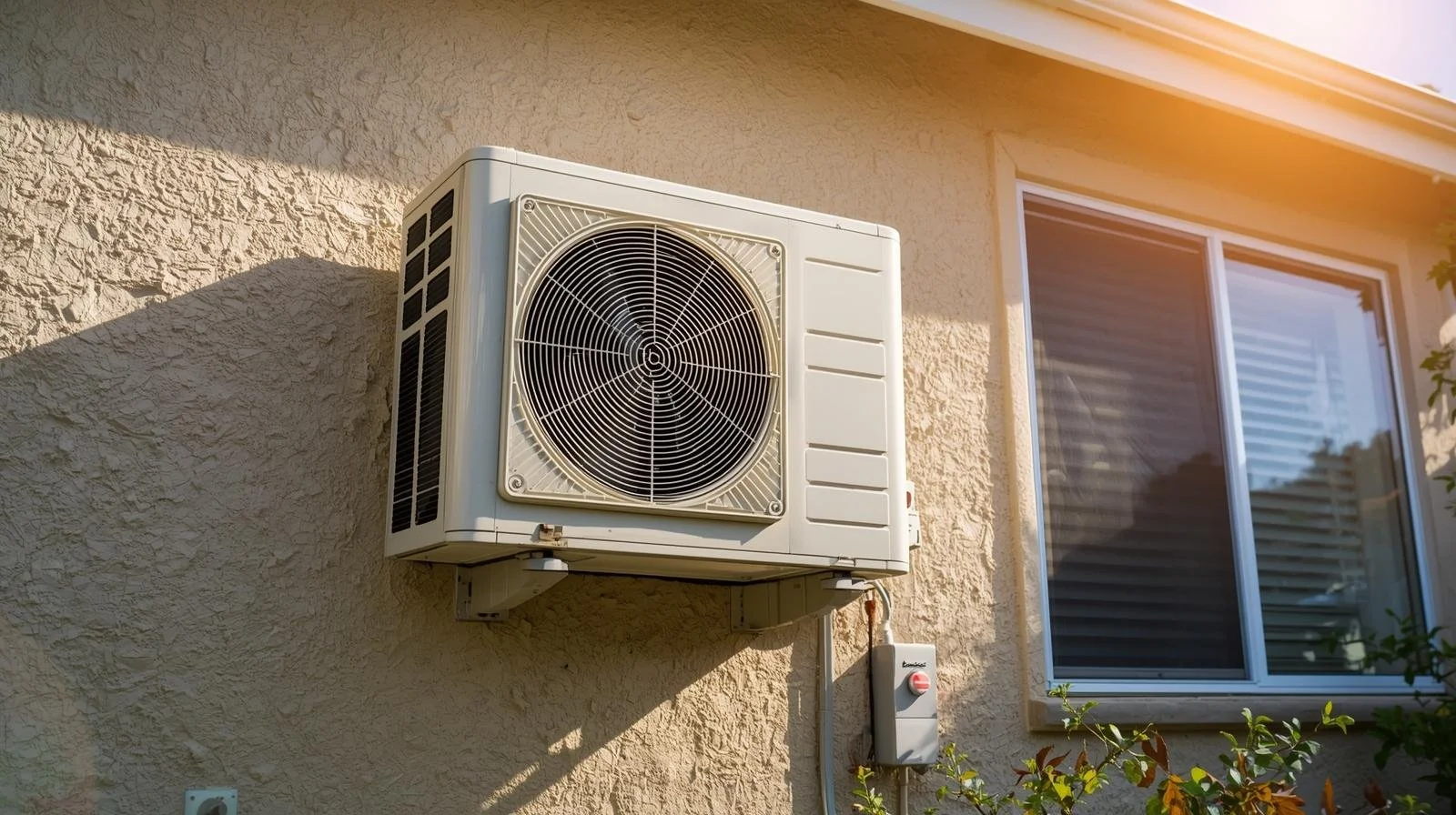
When your AC fails on a hot day, you need honest diagnostics and fair pricing, not emergency rate gouging. J Martin provides same-day service at rates you can trust.
What "Emergency" Actually Means (And What It Doesn't)
Not every AC problem is an emergency. Understanding the difference matters because it changes what you should expect to pay and how quickly you need service.
Actual emergencies (need same-day service):
Your house temperature is climbing above 85 degrees with vulnerable people present (infants, elderly, or people with health conditions)
Complete system failure during a heat wave (outdoor temps above 95 degrees)
Strange burning smells or electrical issues that could be safety hazards
Refrigerant leak with hissing sounds (potential chemical exposure)
Water leaking inside your home that could cause damage
Problems that feel urgent but can usually wait until next business day:
AC running but not cooling well (house staying at 78-80 degrees when you want 72 degrees)
System cycling on and off frequently but still providing some cooling
Outdoor temperature is under 85 degrees (uncomfortable but not dangerous)
It's evening and temps will drop overnight
The difference: If you can make it through one night with windows open, fans running, or staying elsewhere, you'll pay regular rates instead of emergency rates. If waiting puts anyone at risk or could cause property damage, it's a genuine emergency.
Most Yorba Linda homeowners call for emergency service when outdoor temps hit 90+ degrees during hot afternoons. That's reasonable. But if your AC stops at 7 PM and it's already cooling down outside, waiting until morning saves $100-300 in emergency fees.
What Emergency AC Service Actually Costs in Orange County
Here's the honest breakdown of what you'll pay for emergency service versus regular service in 2026:
Regular business hours service (Monday-Friday, 8 AM - 5 PM):
Service call / diagnostic fee: $79-150
Hourly labor rate: $95-130 per hour
Most common repairs take 1-3 hours
After-hours emergency service (evenings, weekends, holidays):
Emergency service call fee: $150-250
Hourly labor rate: $150-250 per hour (1.5x to 2x regular rate)
Some companies charge flat emergency fee instead of hourly markup
Common repair costs including parts and labor:
Capacitor replacement
Regular hours: $250-400
Emergency: $375-550
Contactor replacement
Regular hours: $150-300
Emergency: $225-450
Thermostat issues
Regular hours: $120-350
Emergency: $180-500
Refrigerant leak (find and repair small leak, recharge system)
Regular hours: $400-800
Emergency: $600-1,200
Condensate drain clog
Regular hours: $100-200
Emergency: $150-300
Compressor failure
Regular hours: $1,800-2,800
Emergency: $2,400-3,500+
The emergency markup typically adds 30-50% to the total repair cost. You're paying for:
Technician availability outside normal hours
Disruption to their schedule
Potentially sourcing parts from emergency suppliers
Getting service TODAY instead of waiting 2-4 days
That premium is fair when it's an actual emergency. It's expensive when you're calling at 4 PM on a Saturday for something that could have waited until Monday.
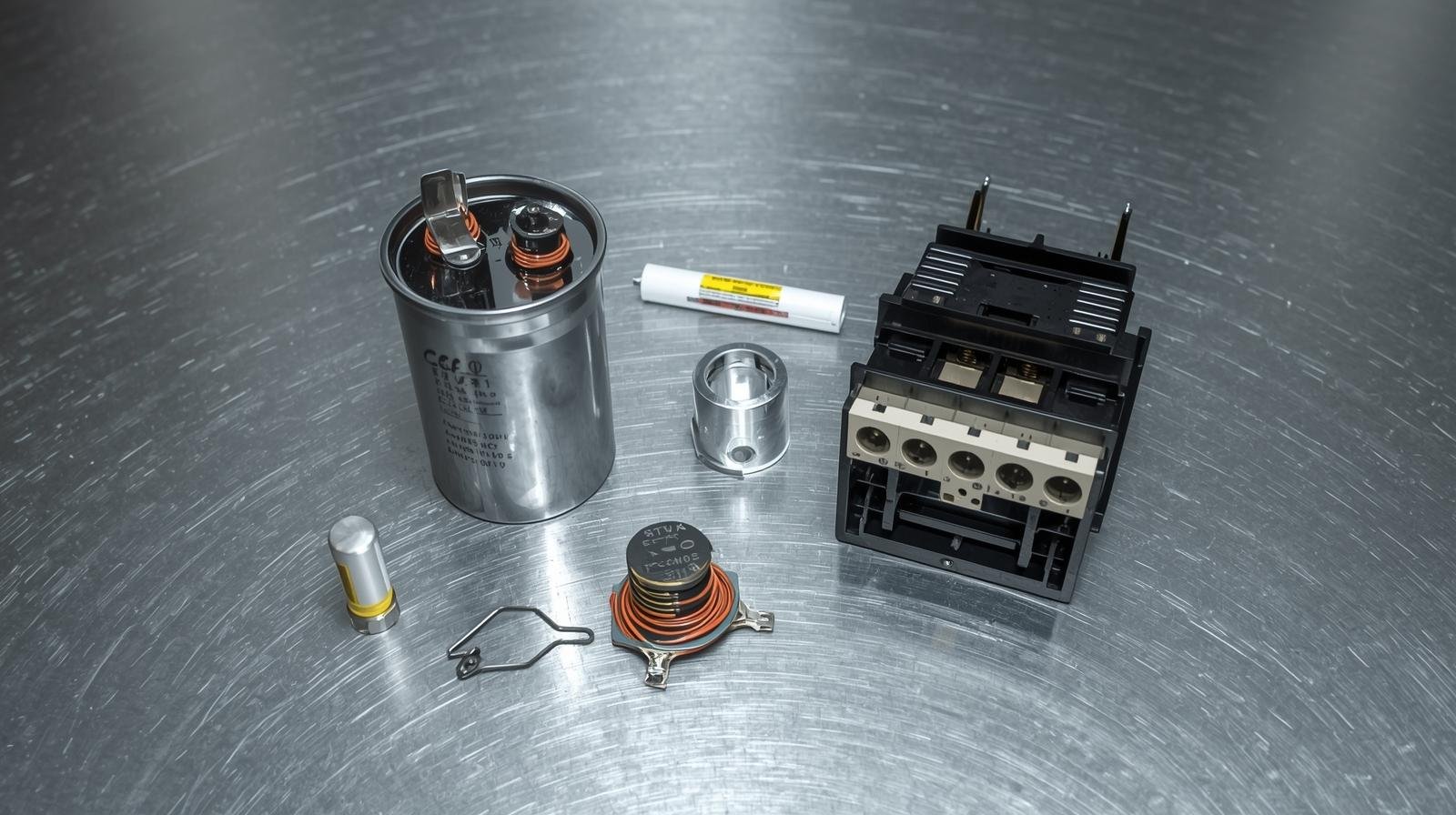
When your AC dies on a hot day, there's a good chance it's one of these parts—a capacitor or contactor. Good news: most technicians carry them and can fix the problem in 1-2 hours for $350-550. Bad news: some companies charge twice that because they know you're desperate.
The Four Most Common Emergency AC Calls in Yorba Linda
Based on industry data for Orange County emergency AC service, here's what typically brings homeowners to call for same-day service and what technicians usually find:
1. Complete system failure during heat wave (about 40% of emergency calls)
What you experience: AC won't turn on at all. No sound from outdoor unit. Indoor temp rising 2-3 degrees per hour. Outdoor temp 92+ degrees.
What technicians typically find:
Capacitor failure ($250-400 repair)
Contactor burned out ($150-300 repair)
Tripped breaker or blown fuse ($100-200 repair)
Thermostat malfunction ($120-350 repair)
Average emergency repair time: 1-2 hours Average total cost: $350-550
2. AC running but blowing warm air (about 25% of emergency calls)
What you experience: System sounds normal, but vents blow room-temperature or warm air. House temperature climbing slowly.
What technicians typically find:
Low refrigerant from leak ($400-1,200 to find leak, repair, and recharge)
Frozen evaporator coil from dirty filter or airflow restriction ($150-300 if simple fix, up to $2,500 if coil damaged)
Compressor not engaging ($1,800-2,800 if replacement needed)
Average emergency repair time: 2-4 hours Average total cost: $500-1,500
3. Strange noises with reduced cooling (about 20% of emergency calls)
What you experience: Grinding, squealing, or banging sounds from outdoor unit. Cooling performance declining. You're worried something is about to break completely.
What technicians typically find:
Fan motor bearings failing ($400-700 repair)
Debris in outdoor unit (often free or service call fee only)
Loose components vibrating ($100-250 repair)
Compressor starting to fail ($1,800-2,800 replacement)
Average emergency repair time: 1-3 hours Average total cost: $250-900
4. Water leaking inside the house (about 15% of emergency calls)
What you experience: Water dripping from indoor unit or ceiling vents. You're worried about water damage to ceiling, walls, or floors.
What technicians typically find:
Clogged condensate drain line ($100-200 repair)
Cracked drain pan ($200-400 repair)
Frozen evaporator coil melting ($150-300 if airflow issue, $1,000-2,500 if coil replacement needed)
Average emergency repair time: 1-2 hours Average total cost: $200-600
The pattern: About 60% of emergency calls are relatively inexpensive fixes ($250-600). About 30% involve moderate repairs ($600-1,500). About 10% require major component replacement ($1,800-3,500+).
You don't know which category you're in until a technician diagnoses the problem.
AC emergency? Professional diagnostics in 3-6 hours, not 3-5 days. J Martin provides same-day service in Yorba Linda with upfront pricing. Call (714) 462-4686.
How to Tell If You're Being Charged Fairly
Here's how to know if an emergency service quote is reasonable or if you're being taken advantage of:
Fair emergency pricing:
Service call fee $150-250
Labor rate 1.5x to 2x their regular rate (ask what their regular rate is)
Parts markup 20-30% over wholesale (industry standard)
Total emergency repair 30-50% more than same repair during business hours
Red flags for price gouging:
Service call fee over $300
Refusing to break down charges or explain pricing
Pressure tactics ("This needs to be done immediately or your compressor will explode")
Labor rates 3x+ their regular rates
Parts charges that are double or triple retail prices
Questions to ask before agreeing to service:
"What's your regular service call fee and what's the emergency fee?" "What's your normal hourly labor rate and emergency labor rate?" "Can you give me a price range for the most likely repairs before you come out?" "If it needs major repair, can you provide a quote before proceeding?" "Are you available for same-day service at your regular rates or is emergency pricing the only option?"
Honest companies answer these questions clearly. Companies that dodge, deflect, or refuse to give straight answers are ones to avoid.
Questions to Ask Any HVAC Company Before Agreeing to Emergency Service
Before you commit to emergency service, ask these questions to ensure you're getting fair treatment:
About pricing:
"What's your regular service call fee versus your emergency service call fee?"
"What's your regular hourly labor rate versus your emergency labor rate?"
"Will you provide a firm price quote before starting any work?"
"Can you break down the charges so I understand what I'm paying for?"
About the repair:
"What exactly is broken and why did it fail?"
"How long should this repair last?"
"Given my system's age, does repair or replacement make more financial sense?"
"If I choose to wait until business hours, what happens to my pricing?"
About alternatives:
"Do you have same-day availability at regular rates or only at emergency rates?"
"Can I get a quote now and schedule the work for tomorrow at regular rates?"
"If this is expensive and my system is old, what would replacement cost?"
Companies that answer these questions clearly and without pressure are likely treating you fairly. Companies that dodge questions or pressure you to decide immediately may not have your best interests in mind.
What You Can Do Right Now While Waiting for Service
If you've called for same-day service and someone is on the way, here's how to keep your home as cool as possible:
1. Close all blinds and curtains Direct sunlight raises indoor temperature 5-10 degrees. Close everything on south and west-facing windows immediately.
2. Turn off heat-generating appliances No oven, no dryer, no dishwasher. Even computers and TVs add heat. Turn off everything you're not actively using.
3. Set up cross-ventilation if outdoor temp is lower If it's evening and outdoor temp has dropped below indoor temp, open windows on opposite sides of the house to create airflow. Close them before it gets hot again.
4. Use fans strategically Ceiling fans, box fans, anything that moves air. Point them at people, not at walls. Moving air feels 3-5 degrees cooler than still air.
5. Limit upstairs use Heat rises. If you have a two-story home, move everyone downstairs. Close upstairs doors to contain the heat.
6. Hydrate aggressively Dehydration accelerates heat exhaustion. Drink water even if you're not thirsty. Especially important for kids and elderly.
7. Know when to leave If indoor temp hits 90+ degrees and you have vulnerable people, don't wait for the technician. Go somewhere with AC (mall, library, friend's house, hotel). Your health matters more than waiting at home.
The Repair vs. Replace Decision During Emergency Calls
This is where emergency service gets complicated. You're hot, you're stressed, and someone is telling you that you need a $2,000 repair RIGHT NOW.
Questions to ask before agreeing to major emergency repairs:
"How old is my system?"
If under 8 years: repair usually makes sense
If 8-12 years: depends on the repair cost
If over 12 years: replacement often smarter
"What's the total repair cost including parts and labor?" "What's the realistic lifespan after this repair?" "If I replace instead of repair, what would that cost?" "Can this wait until next week or does it need to happen today?"
General rule: If repair costs more than 50% of replacement AND your system is over 10 years old, replacement usually makes better financial sense. For more details, we’ve written a guide on determining when to repair or replace.
Example decision tree:
Scenario: 7-year-old system, $600 capacitor and contactor replacement → Repair makes sense. System should give you another 5-8 years.
Scenario: 13-year-old system, $1,900 compressor replacement → Replacement often smarter. You're putting $1,900 into a system that might last 2-3 more years.
Scenario: 11-year-old system, $400 refrigerant leak repair → Gray area. Repair is affordable. System might last 4-5 more years. Repair probably makes sense unless you were planning to replace anyway.
The key principle:
A good technician will explain: "Here's what's broken. Here's what it costs to fix. Here's how long it will probably last after the fix. Here's what replacement would cost if you wanted to do that instead."
Then they let you make an informed decision based on your situation and budget. For more details, we’ve written a guide on determining when to repair or replace.
Finding an Emergency Service Company That Won't Gouge You
Most HVAC companies in Orange County operate one of two ways:
Model 1: The "Emergency Specialists"
Advertise 24/7 emergency service
Charge 2-3x normal rates for after-hours service
Often use high-pressure tactics because customers are desperate
Focus on maximizing revenue from emergency calls
Model 2: The "Schedule Everything"
Only work Monday-Friday business hours
No same-day availability
Next available appointment is 3-5 days out
No help during actual emergencies
What to look for in a fair emergency service provider:
Clear pricing disclosed upfront
Willingness to quote their regular rates versus emergency rates
Firm price quotes before starting work
No pressure to decide immediately
Honest assessment of whether repair or replacement makes more sense
Transparent about what same-day service actually includes
The best companies balance availability with fair pricing rather than exploiting desperate situations.
When to Call for Emergency Service vs. When to Wait
Here's an honest guide to help you decide:
Call for same-day service NOW if:
Complete AC failure AND outdoor temp above 90 degrees
Complete AC failure AND you have infants, elderly, or medically vulnerable people at home
Burning smell or electrical issues (potential fire hazard)
Refrigerant leak with hissing sounds (chemical exposure risk)
Water leak causing ceiling/wall damage
It's Friday afternoon and you need AC working for the weekend
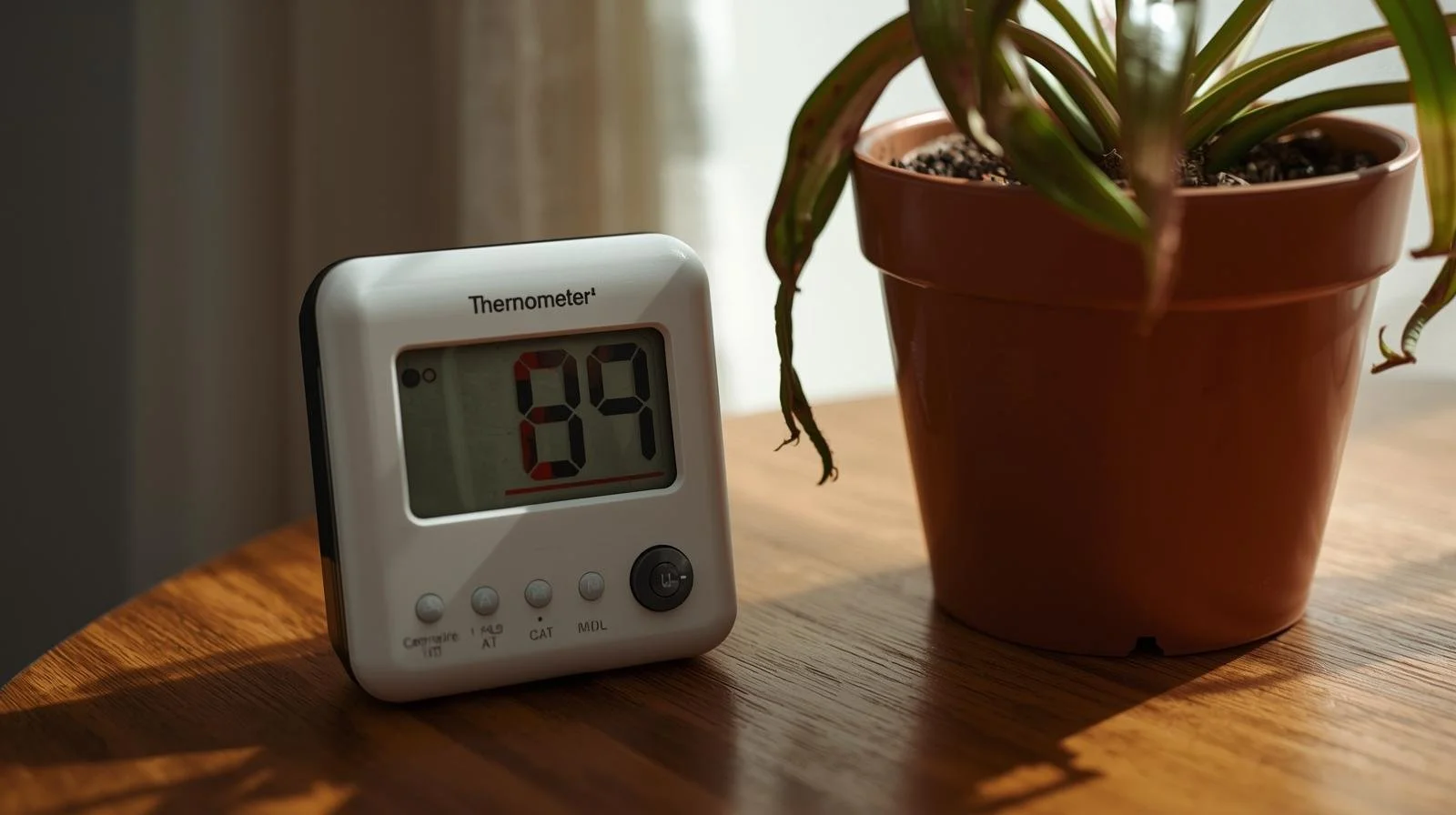
Indoor temp climbing past 85 degrees with your AC down? That's when same-day service matters. J Martin provides emergency diagnostics in Yorba Linda without gouging you. Call (714) 462-4686.
Schedule next-business-day service if:
AC works but doesn't cool well (house at 78-82 degrees, you want 72 degrees)
Outdoor temp under 85 degrees
It's evening and temps dropping
You can stay elsewhere overnight comfortably
System makes strange noises but still provides some cooling
Schedule regular service within a few days if:
AC works adequately but efficiency has declined
Minor issues like occasional cycling
Preventive service before peak heat season
Following up on previous repairs
The goal: Get help when you genuinely need it without overpaying for urgency that isn't really necessary.
What to Expect During an Emergency Service Call
Here's what a professional emergency service call should look like:
Initial contact: The company should ask:
What's happening with your AC?
When did this start?
What's your home temperature right now?
Does anyone in the home have heat-related health concerns?
They should tell you:
Earliest available arrival time
Service call fee
Hourly labor rate
Typical price ranges for common issues
When technician arrives:
Should introduce themselves and explain the diagnostic process
Takes 20-30 minutes to diagnose most problems
Provides a firm price quote BEFORE starting work
Explains what's broken, why it broke, and what the fix involves
Your options:
Proceed with the repair
Ask for time to think or get other quotes (you pay the diagnostic fee)
Discuss repair versus replacement if cost is high and system is old
After repair:
Technician should test system to confirm it's working
Provide receipt with clear breakdown of charges
Answer questions about preventing future issues
Red flags during emergency calls:
Refusing to provide pricing until after work is done
Pressure to decide immediately without time to think
Won't explain what's actually wrong in clear terms
Claims everything is an emergency that must be fixed instantly
The Most Important Thing: You're Not Trapped
When your AC dies during a heat wave, it feels like you have no options. Companies know this, and some take advantage of it.
But you're not trapped. You have choices:
Your options:
Option 1: Call for same-day service Contact HVAC companies that offer responsive service. Ask about their pricing structure and same-day availability.
Option 2: Get temporary cooling and schedule next-business-day repair Portable AC units, fans, staying elsewhere overnight, then having repair done at regular rates.
Option 3: Get multiple quotes Even during emergencies, you can ask 2-3 companies what they'd charge. You don't have to go with the first company you call.
Option 4: Replace instead of repair If the repair is expensive and your system is old, replacement might be smarter even though it means a few days without AC.
The worst decision is agreeing to a $3,000 emergency repair because someone pressured you and you felt like you had no choice.
Take a breath. Ask questions. Get clear answers. Then decide what makes sense for your situation.
Finding Fair Emergency AC Repair in Yorba Linda
If your AC has stopped working and you need AC repair in Orange County:
What to look for:
Companies that provide clear pricing upfront
Willingness to give firm quotes before starting work
No pressure tactics or artificial urgency
Honest assessment of repair versus replacement options
Fair pricing that doesn't exploit emergency situations
Questions to ask:
"What's your emergency service fee versus regular service call fee?"
"Can you provide a price quote before beginning work?"
"How quickly can you arrive?"
"Will you help me understand if repair or replacement makes more sense for my situation?"
For emergency AC repair in Yorba Linda, call J Martin Indoor Air Quality at (714) 462-4686
J Martin Indoor Air Quality - CL#998956
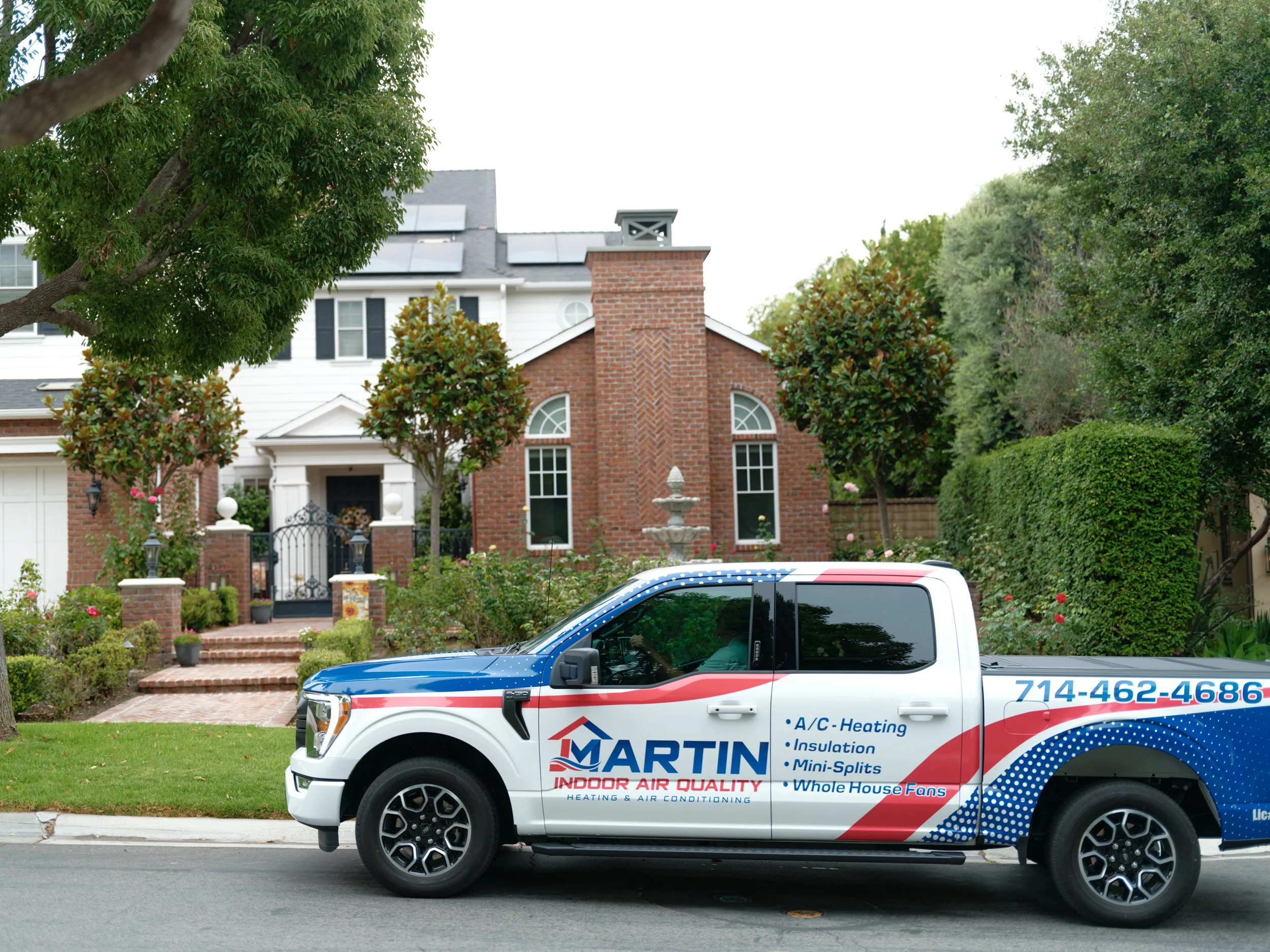
This is what fair emergency service looks like. A truck that shows up the same day you call, a technician who explains what's broken and what it costs, and pricing that doesn't take advantage of your situation.
Common Emergency AC Questions
How quickly can emergency AC service typically arrive?
Response times vary by company and demand. Most HVAC companies offering same-day service can arrive within 3-6 hours if you call before early afternoon on weekdays. Weekends and high-demand periods may take longer. Always ask for a specific time window when you call rather than accepting vague promises.
Why do some companies not charge emergency fees?
Some HVAC companies structure their business around responsive service and maintain regular pricing regardless of when you call. Others charge premium rates for after-hours service. Ask any company you're considering what their regular versus emergency pricing structure is before agreeing to service.
What if the repair is expensive and I can't afford it immediately?
Many HVAC companies offer financing options for repairs over $500. You can also ask about partial repairs (addressing critical issues immediately and scheduling other work later), or discuss whether temporary cooling solutions might work while you arrange payment or decide between repair and replacement.
How do I know if I should repair or replace my AC during an emergency?
General guideline from the HVAC industry: If repair costs exceed 50% of replacement cost AND your system is over 10 years old, replacement often makes better long-term financial sense. A good technician will provide both options with honest pros and cons and let you make the decision based on your circumstances.
What if same-day repair isn't possible because special parts are needed?
Most HVAC technicians carry common repair parts (capacitors, contactors, thermostats, fuses) in their trucks. For less common parts, companies with good supplier relationships can often obtain parts within a few hours. If a part truly isn't available same-day, ask about temporary solutions: portable AC rental, partial repair to restore some function, or scheduling completion once parts arrive.
Will HVAC companies pressure me to make decisions immediately?
Reputable companies provide information (what's broken, repair costs, expected lifespan after repair, replacement costs) and allow you time to decide. If you encounter high-pressure tactics or refusal to provide quotes before work begins, consider getting a second opinion. You have the right to pay the diagnostic fee and seek other quotes even during emergencies.
What's typically the most expensive emergency repair?
Compressor replacement is typically the most expensive common repair, ranging from $1,800-2,800 under warranty to $2,400-3,500+ for emergency service. However, compressor failures are relatively rare for emergency calls. Industry data shows most emergency repairs cost $300-800. Expensive component failures usually show warning signs before complete failure.
Can I prevent emergency AC service calls?
According to HVAC industry standards: Replace air filters every 1-3 months, keep outdoor units clear of debris, and schedule annual maintenance in spring before cooling season begins. Industry estimates suggest about 30-40% of emergency service calls involve simple issues (tripped breakers, dirty filters, incorrect thermostat settings) that could have been prevented with basic maintenance.
J Martin Indoor Air Quality | (714) 462-4686 | Services